Table of Contents >> Show >> Hide
- Why Summer Meal Planning Matters for Kids
- The Basic Formula for a Healthy Summer Plate
- Build a Simple Summer Meal Schedule
- Healthy Summer Breakfast Ideas for Kids
- Kid-Friendly Summer Lunch Ideas
- Healthy Summer Dinner Ideas for Families
- Healthy Summer Snacks for Kids
- Hydration: The Summer Superpower
- Food Safety for Summer Meals and Snacks
- How to Plan a Week of Summer Meals
- A Sample 3-Day Healthy Summer Meal Plan for Kids
- How to Handle Picky Eating in Summer
- Budget-Friendly Summer Nutrition Tips
- Real-Life Experiences: What Actually Works When Feeding Kids in Summer
- Conclusion
Summer has a funny way of turning normal family routines into a free-range circus. Breakfast happens at 10:17 a.m., lunch becomes “whatever is cold and reachable,” and snacks mysteriously multiply like flip-flops by the back door. The good news? Creating a healthy summer meal and snack plan for kids does not require a nutrition degree, a color-coded spreadsheet, or the patience of a saint wearing sunscreen.
What it does require is a simple system: balanced meals, easy snacks, lots of hydration, flexible planning, and a realistic understanding that kids are not tiny robots programmed to cheer for broccoli. A healthy summer eating plan should support energy, growth, hydration, digestion, and mood while still leaving room for popsicles, picnics, birthday cake, and the occasional “we are eating dinner outside because the kitchen feels like a toaster.”
This guide walks parents and caregivers through practical summer nutrition ideas for children, including kid-friendly meals, healthy snacks, hydration tips, food safety reminders, grocery planning, and real-life strategies that work when school is out and everyone is hungry again five minutes after breakfast.
Why Summer Meal Planning Matters for Kids
During the school year, many children have a built-in food schedule. Breakfast before school, lunch at a set time, maybe an after-school snack, and dinner at home. Summer often removes that structure, which can lead to grazing all day, skipping meals, reaching for sugary drinks, or eating less variety.
A summer meal plan helps kids get the nutrients they need without turning every day into a snack negotiation worthy of a courtroom drama. Children need balanced meals with fruits, vegetables, whole grains, protein foods, dairy or fortified alternatives, and healthy fats. They also need regular fluids, especially when they are running, swimming, biking, playing sports, or simply existing in July heat.
The goal is not perfection. The goal is rhythm. A predictable summer food routine helps kids know what to expect, helps parents shop smarter, and makes it easier to offer nutritious choices before everyone becomes too hungry to make good decisions. Hungry children can be charming. Over-hungry children can become tiny weather events.
The Basic Formula for a Healthy Summer Plate
A balanced plate does not need to be complicated. Think of each meal as a mix-and-match puzzle. Most meals should include a fruit or vegetable, a protein source, a whole grain or starchy food, and a drink such as water or milk. Add healthy fats when appropriate, such as avocado, olive oil, nut butter, seeds, or hummus.
Fruits and Vegetables: The Color Crew
Summer is prime time for produce. Berries, peaches, melons, cucumbers, tomatoes, corn, zucchini, leafy greens, peppers, and carrots can all become part of kid-friendly meals and snacks. Fresh produce is wonderful, but frozen and canned options also count. Choose canned fruit packed in water or 100% juice when possible, and look for low-sodium canned vegetables.
One simple trick is to prepare fruits and vegetables right after grocery shopping. Wash berries, slice cucumbers, cut melon, portion carrots, and keep them in clear containers at kid eye level. Children are much more likely to eat healthy snacks when the healthy snacks are not hiding behind a mysterious jar of pickles from last winter.
Protein: The Staying-Power Ingredient
Protein helps keep kids satisfied and supports growth. Easy summer protein choices include eggs, yogurt, cheese, beans, lentils, chicken, turkey, tuna, tofu, edamame, nut or seed butters, hummus, and lean meats. Add protein to snacks whenever possible. Apple slices are good; apple slices with peanut butter or sunflower seed butter are more filling.
Whole Grains and Smart Carbs
Whole grains provide energy, fiber, and important nutrients. Try whole-grain bread, brown rice, oatmeal, whole-wheat pasta, corn tortillas, quinoa, popcorn, or whole-grain crackers. Kids who are active during summer need carbohydrates for fuel. The key is choosing more nutrient-rich options most of the time instead of relying only on chips, cookies, and refined snack foods.
Dairy or Fortified Alternatives
Milk, yogurt, kefir, cheese, and fortified soy beverages can provide calcium, vitamin D, protein, and other nutrients that support growing bodies. Plain or lower-sugar options are usually better everyday choices. For children who cannot tolerate dairy or avoid it for medical or dietary reasons, choose fortified alternatives and check labels for calcium, vitamin D, and protein.
Build a Simple Summer Meal Schedule
Kids do well with structure, even when summer is supposed to feel relaxed. A flexible schedule prevents endless grazing and helps children arrive at meals hungry but not ravenous. A practical rhythm might look like this:
- Breakfast: within one to two hours of waking
- Morning snack: if breakfast was early or activity is high
- Lunch: around midday
- Afternoon snack: especially after swimming, camp, or outdoor play
- Dinner: family meal or simple plate-style dinner
This does not mean every day must run like a school cafeteria schedule. Summer should still feel breezy. But having general eating times can reduce the all-day question: “Can I have a snack?” which, as every parent knows, can be asked while the child is actively chewing another snack.
Healthy Summer Breakfast Ideas for Kids
Breakfast sets the tone for the day. A balanced breakfast can help kids feel energized for swimming lessons, camp, family trips, or backyard adventures. Aim for protein plus fiber. That combination helps prevent the mid-morning crash that often leads to snack raids.
Easy Breakfast Options
- Greek yogurt with berries, granola, and a sprinkle of seeds
- Scrambled eggs with whole-grain toast and sliced oranges
- Oatmeal topped with banana, cinnamon, and nut butter
- Whole-grain waffles with yogurt and fruit
- Smoothie made with milk, yogurt, frozen fruit, and spinach
- Breakfast burrito with eggs, beans, cheese, and salsa
- Cottage cheese with peaches and whole-grain crackers
For busy mornings, prep overnight oats, boiled eggs, smoothie packs, or breakfast muffins made with oats, fruit, and yogurt. A little preparation can save the morning from becoming a dramatic search for “something good but not that.”
Kid-Friendly Summer Lunch Ideas
Summer lunches should be fast, filling, and easy to customize. If children are home, create a lunch station with simple options. If they attend camp or daycare, pack foods that hold up well in a cooler bag with ice packs.
Balanced Lunch Combinations
- Turkey and avocado wrap with cucumber slices and strawberries
- Bean and cheese quesadilla with salsa, corn, and watermelon
- Pasta salad with chicken, cherry tomatoes, peas, and olive oil dressing
- Hummus plate with pita, carrots, bell peppers, grapes, and cheese
- Tuna salad sandwich with apple slices and yogurt
- Rice bowl with grilled chicken, edamame, shredded carrots, and pineapple
- Egg salad on whole-grain bread with snap peas and melon
A good lunch does not need to be Instagram-ready. In fact, many excellent lunches look like a snack plate wearing a business suit. The important part is variety: protein, produce, grains, and fluids.
Healthy Summer Dinner Ideas for Families
Dinner can be simple and still nutritious. In hot weather, lighter meals often work better than heavy dishes. Grilling, sheet-pan meals, slow cookers, air fryers, and no-cook dinners can help keep the kitchen from turning into a sauna with cabinets.
Summer Dinner Examples
- Grilled chicken tacos with cabbage slaw, avocado, and fruit salad
- Turkey burgers on whole-grain buns with corn and tomato salad
- Salmon or tofu bowls with rice, cucumber, edamame, and mango
- Whole-wheat pasta with pesto, peas, chicken, and cherry tomatoes
- Black bean nachos with lettuce, salsa, yogurt, and guacamole
- Chicken kebabs with zucchini, peppers, whole-grain pita, and tzatziki
- Vegetable omelets with toast and sliced peaches
One helpful approach is to choose theme nights. Taco Tuesday, pasta night, picnic dinner, breakfast-for-dinner, grill night, and build-your-own bowl night all reduce decision fatigue. Kids also tend to enjoy meals more when they can assemble part of the plate themselves.
Healthy Summer Snacks for Kids
Snacks are not the enemy. In fact, healthy snacks can help kids meet their nutrient needs, especially during active summer days. The trick is to make snacks structured and satisfying instead of random handfuls of whatever comes in a crinkly bag.
A smart snack usually includes at least two food groups. Think fruit plus protein, vegetables plus dip, whole grains plus dairy, or a cool treat made with real ingredients.
Fresh and Easy Snack Ideas
- Apple slices with peanut butter or sunflower seed butter
- Carrot sticks and hummus
- Greek yogurt with berries
- Cheese cubes with whole-grain crackers
- Frozen grapes, sliced for younger children to reduce choking risk
- Banana “sushi” with nut butter and whole-grain tortilla
- Homemade fruit pops made with blended fruit and yogurt
- Trail mix with whole-grain cereal, dried fruit, and seeds
- Cucumber rounds with cream cheese or hummus
- Popcorn with a side of fruit
For younger children, always adjust foods for safety. Cut grapes, cherry tomatoes, hot dogs, and firm round foods into age-appropriate pieces. Avoid whole nuts for toddlers and preschoolers if they are a choking risk.
Hydration: The Summer Superpower
Hydration deserves its own spotlight because summer heat can sneak up quickly. Water should be the main drink for kids throughout the day. Plain milk can also be part of a healthy routine, while sugary drinks, sports drinks, energy drinks, and frequent sweetened beverages are best limited or avoided.
Children may need reminders to drink, especially when they are busy playing. Keep water bottles visible, offer water before outdoor activities, and build water breaks into the day. If plain water gets boring, add sliced fruit, cucumber, mint, or a splash of 100% fruit juice. Congratulations, you have created “fancy water,” which somehow tastes better when served in a cup with a straw.
Hydrating Foods Count Too
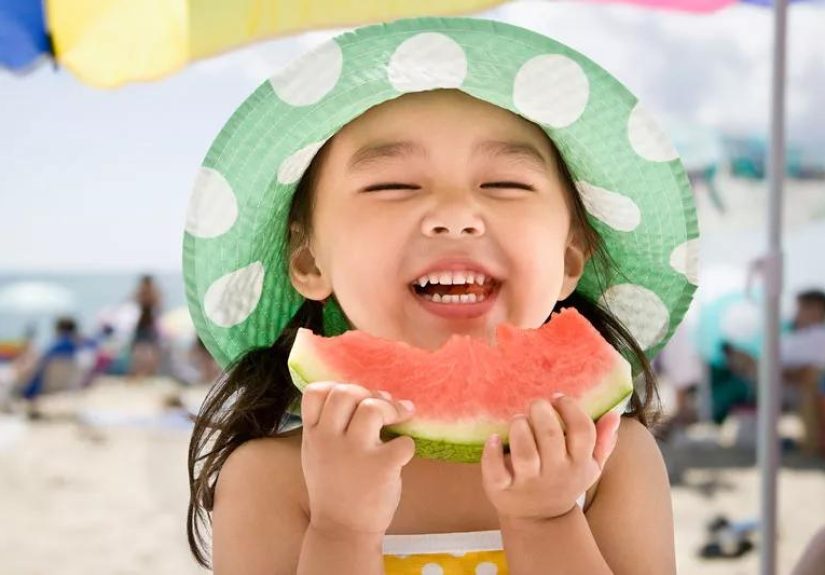
Watermelon, oranges, strawberries, peaches, cucumbers, tomatoes, lettuce, celery, and smoothies can all help with fluid intake. These foods are especially useful for kids who resist drinking enough water but will happily eat half a watermelon and then ask where the rest went.
Food Safety for Summer Meals and Snacks
Warm weather and food safety must be best friends. Perishable foods should not sit out too long, especially when temperatures rise. Use insulated lunch bags and ice packs for camp lunches, beach snacks, road trips, and picnics. Keep cold foods cold, hot foods hot, and when in doubt, throw it out.
For outdoor meals, pack foods in a cooler with plenty of ice packs. Keep the cooler in the shade and open it only when necessary. Wash hands before eating, or use hand sanitizer when soap and water are not available. Separate raw meats from ready-to-eat foods, and use clean utensils and plates after grilling.
Food poisoning is not the kind of summer memory anyone wants. Nobody wants the family scrapbook caption to read, “Lovely picnic, questionable chicken salad.”
How to Plan a Week of Summer Meals
Meal planning becomes easier when you repeat a simple pattern. Start by choosing three breakfasts, three lunches, three dinners, and five snacks that your family likes. Then rotate them. Variety matters, but you do not need a brand-new menu every day. Children often feel comfortable with familiar foods, and parents deserve fewer decisions.
Step 1: Check the Calendar
Look at camps, sports, appointments, pool days, travel days, and family events. Plan quick meals for busy days and more hands-on meals for slower days. If Tuesday is swim practice plus grocery pickup plus “someone lost a sandal,” do not plan homemade lasagna. Plan wraps.
Step 2: Pick Produce First
Choose seasonal fruits and vegetables around sales, local produce, or what your kids actually eat. A bargain on kale is not a bargain if it becomes compost with a receipt. Mix familiar favorites with one new item each week.
Step 3: Prep Once, Use Often
Cook a batch of rice, grill chicken, boil eggs, wash berries, slice vegetables, and portion snacks. These small tasks can turn into fast meals later. Prepped ingredients are like little gifts from your past self, who was apparently very thoughtful.
Step 4: Create a Snack Zone
Set up a refrigerator bin and pantry bin with parent-approved snacks. This helps children make choices independently while keeping snacks balanced. Label the bins if helpful: “Anytime snacks” for fruits and vegetables, and “Ask first snacks” for items that need portioning or may spoil.
A Sample 3-Day Healthy Summer Meal Plan for Kids
Day 1
- Breakfast: Oatmeal with banana, cinnamon, and milk
- Snack: Yogurt with blueberries
- Lunch: Turkey wrap with cucumbers and watermelon
- Snack: Hummus with carrots and pita triangles
- Dinner: Grilled chicken tacos with corn and avocado
Day 2
- Breakfast: Scrambled eggs, whole-grain toast, and orange slices
- Snack: Apple slices with nut or seed butter
- Lunch: Pasta salad with chicken, peas, and tomatoes
- Snack: Homemade fruit and yogurt pop
- Dinner: Salmon or tofu rice bowls with cucumber and mango
Day 3
- Breakfast: Smoothie with yogurt, frozen berries, spinach, and milk
- Snack: Cheese and whole-grain crackers
- Lunch: Bean and cheese quesadilla with salsa and fruit
- Snack: Popcorn and strawberries
- Dinner: Turkey burgers, tomato salad, and roasted sweet potato wedges
How to Handle Picky Eating in Summer
Summer is a great time to introduce new foods because schedules may be more relaxed and seasonal produce is everywhere. But picky eating is normal. Children may need to see, smell, touch, or taste a food many times before accepting it. Try not to turn new foods into a pressure campaign. Pressure often makes kids dig in harder than a beach umbrella in wet sand.
Use the “one familiar, one new” strategy. Serve a new vegetable with a favorite protein. Add a small piece of peach beside a familiar sandwich. Offer a tiny taste without making it a big event. Let kids help wash produce, stir dips, assemble skewers, or choose between two vegetables. Ownership can make food less suspicious.
Also, remember that children’s appetites change. Heat, growth spurts, activity levels, sleep, and mood can all affect hunger. Parents decide what foods are offered and when; kids decide whether and how much to eat from what is offered. This approach supports healthy eating habits without turning meals into power struggles.
Budget-Friendly Summer Nutrition Tips
Healthy summer meals do not have to be expensive. Use canned beans, eggs, oats, peanut butter, frozen vegetables, brown rice, seasonal fruit, tuna, yogurt, and whole-grain pasta as affordable staples. Buy larger containers of yogurt instead of single cups, choose store brands, and use leftovers creatively.
Families may also qualify for summer nutrition programs that provide meals, snacks, or grocery benefits when school is out. Local schools, community centers, libraries, parks, and state agencies may offer information about summer food support. These programs can help children stay nourished during the months when school meals are not available.
Real-Life Experiences: What Actually Works When Feeding Kids in Summer
After working through many family food routines, one truth becomes clear: the best healthy summer meal and snack plan is the one your household can actually follow. A perfect plan that requires chopping twelve vegetables before 8 a.m. is not a plan; it is a reality show challenge. Real families need flexible systems.
One of the most useful experiences is creating “default meals.” These are meals so familiar that nobody needs to think too hard. For example, Monday lunch might always be wraps, Tuesday might be quesadillas, Wednesday might be pasta salad, Thursday might be snack plates, and Friday might be leftovers. Kids often like the predictability, and parents like not staring into the refrigerator as if it contains the meaning of life.
Another helpful experience is letting kids help build the grocery list. Give them categories instead of total control. Ask, “Which two fruits should we buy this week?” or “Do you want cucumbers or baby carrots for lunches?” This keeps choices reasonable while giving children a voice. A child who chooses strawberries is often more excited to eat strawberries. A child given unlimited grocery power may choose marshmallows, neon cereal, and something shaped like a dinosaur. Boundaries are our friends.
Snack prep also makes a huge difference. When fruits and vegetables are washed, cut, and ready, kids are more likely to grab them. When healthy foods require peeling, slicing, locating a cutting board, and asking an adult, they often lose the popularity contest to packaged snacks. A clear snack bin in the fridge can change the whole rhythm of the day. Add yogurt cups, cheese sticks, sliced peppers, grapes cut safely for younger kids, boiled eggs, hummus cups, and fruit. In the pantry, keep whole-grain crackers, popcorn, unsweetened applesauce, and simple trail mix.
Hydration works better when it becomes visual. A dedicated water bottle for each child helps. Some families mark water bottles with time goals, while others simply place bottles near shoes, backpacks, sports gear, or the door. For kids who dislike plain water, fruit-infused water can feel special without becoming a sugar bomb. Frozen berries as “ice cubes” are a fun trick, and kids love anything that looks like it came from a tiny café run by mermaids.
Another real-world lesson: do not underestimate the power of dips. Hummus, yogurt ranch, guacamole, salsa, bean dip, cottage cheese dip, and nut or seed butter can make fruits and vegetables more exciting. A plate of carrots may get ignored. A plate of carrots with dip suddenly has a social life.
Finally, leave room for joy. Healthy summer eating does not mean saying no to every treat. It means building most days around nourishing meals, water, produce, protein, whole grains, and reasonable routines so that treats fit without taking over. Ice cream after a day at the pool can be part of a happy childhood. So can watermelon juice dripping down elbows, corn on the cob at a barbecue, and a homemade smoothie pop eaten barefoot on the porch.
Conclusion
Creating a healthy summer meal and snack plan for kids is less about strict rules and more about smart rhythms. Build meals around colorful produce, protein, whole grains, dairy or fortified alternatives, and water. Keep snacks simple and satisfying. Prep ingredients ahead of time. Use summer produce. Protect food from heat. Let kids participate. And above all, stay flexible.
Summer is supposed to feel a little lighter. With a simple meal plan, kids can stay energized, hydrated, and nourished while parents spend less time negotiating snacks and more time enjoying the season. That is a win for everyone, including the refrigerator.
Note: This article is based on current U.S. nutrition and food safety guidance from reputable organizations such as USDA MyPlate, CDC nutrition resources, American Academy of Pediatrics hydration guidance, FDA and USDA food safety recommendations, and registered dietitian-backed healthy eating principles.