Table of Contents >> Show >> Hide
- Why Cute Dinner Plates Work So Well
- The Golden Rules for Making Dinner Plates Cute and Practical
- How to Build a Cute Dinner Plate Without Losing Your Mind
- 12 Sweet Drawing Ideas for Cute Kids Dinner Plates
- 1. The Smiley Sunshine Plate
- 2. The Bunny Garden Plate
- 3. The Flower Field Plate
- 4. The Butterfly Dinner
- 5. The Little Bear Plate
- 6. The Rainbow Road Plate
- 7. The Fish Pond Plate
- 8. The Owl Plate
- 9. The Moon and Stars Dinner
- 10. The Friendly Cat Plate
- 11. The Little House Plate
- 12. The Happy Train Plate
- How to Keep Cute Plates Balanced
- Let Kids Help Create the Plate
- Mistakes to Avoid When Making Cute Dinner Plates
- Simple Theme Nights That Make This Easier
- Real-Life Experiences Families Commonly Have with Cute Dinner Plates
- Final Thoughts
Some dinners disappear in five minutes. Others sit on the table like tiny vegetable protests. If you have ever served a perfectly good meal only to hear, “Why is the broccoli touching my chicken?” congratulations, you are officially living the family dinner dream.
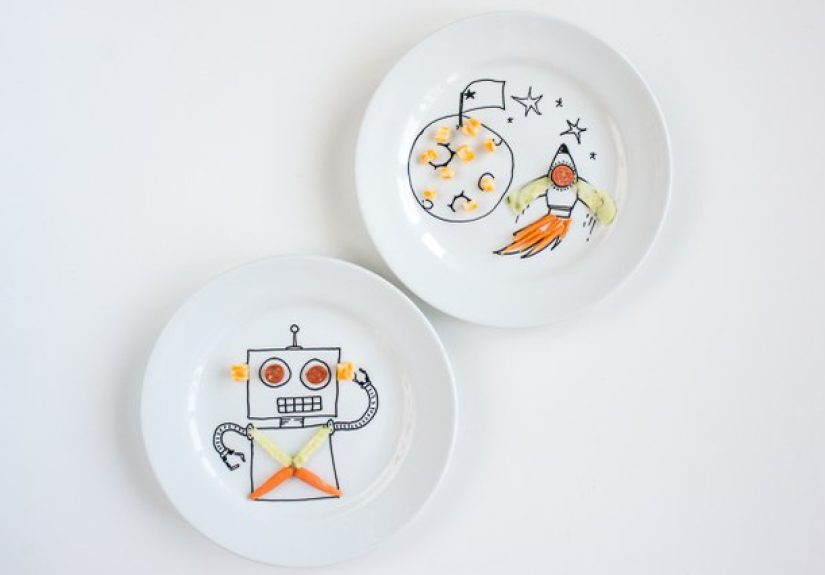
The good news is that dinner does not have to become a nightly negotiation summit. One simple trick can make healthy meals feel friendlier: turn the plate into a picture. Cute dinner plates for kids are not about fooling children or performing restaurant magic with tweezers and nerves of steel. They are about making food look approachable, fun, and a little more inviting. A cucumber can become grass. Rice can become clouds. Carrot coins can become flower petals. Suddenly dinner is not just dinner. It is a small edible art project with peas.
When meals feel playful, kids are often more willing to explore what is on the plate. That matters, because children learn about food through repeated exposure, routine, and positive experiences. A cute plate does not replace balanced nutrition, but it can absolutely open the door to it. And honestly, if a cherry tomato smile helps someone eat one more bite of dinner, that tomato has earned employee-of-the-month status.
In this guide, you will learn how to create adorable dinner plates that still support healthy eating habits, how to build sweet food drawings without spending your whole evening carving cucumbers like a woodland sculptor, and how to make the process enjoyable for both you and your child. You will also get practical examples, common mistakes to avoid, and real-life dinner-table experiences that make the whole idea feel doable.
Why Cute Dinner Plates Work So Well
Kids are naturally visual. They notice color, shape, texture, and arrangement long before they care about words like “fiber” or “protein.” A dinner plate that looks bright and playful can reduce resistance and spark curiosity. It turns the meal into something to explore rather than something to reject on sight.
That does not mean every meal has to look like a cartoon masterpiece. In fact, the best cute kids dinner plates are usually simple. A smiling face made from mashed potatoes, peas, and shredded chicken is enough. A rainbow made from bell peppers and corn works too. The point is to make the plate feel cheerful and low-pressure.
There is also a second benefit: food drawings encourage variety. When you build pictures with real ingredients, you naturally start using more colors and more food groups. Orange carrots, green peas, brown rice, white yogurt dip, pink salmon, yellow corn, red pepper strips: suddenly the plate looks vibrant and balanced without trying too hard.
The Golden Rules for Making Dinner Plates Cute and Practical
1. Start with real food, not just decoration
If the plate looks adorable but the main nutrition comes from crackers and marshmallows, it has wandered off course. Aim to build your design from foods that can actually make up dinner: vegetables, fruit, grains, protein, and dairy or a dairy alternative when appropriate.
2. Keep portions kid-friendly
A drawing should not turn dinner into a mountain. Use small portions and add more if your child is still hungry. Plates that look too packed can feel overwhelming, especially for picky eaters.
3. Stick with familiar foods plus one gentle surprise
If your child already likes rice, chicken, cucumbers, and carrots, use those first. Then add one new or less-loved food into the design. That keeps the plate playful without turning it into a full-scale trust exercise.
4. Make it colorful
Color does a lot of the work for you. Bright foods naturally create better pictures, and they often bring a wider range of nutrients to the plate. Think red peppers, yellow corn, green peas, orange sweet potatoes, purple cabbage, and pale mashed potatoes as your edible art palette.
5. Do not pressure your child to “ruin the picture”
This one matters. Build the plate, show it off, get the smile, then let your child eat however they want. Some children will start with the eyes of the bunny. Others will destroy the grass first. This is normal. This is also why food art should be joyful, not controlling.
6. Keep safety in mind
Choose age-appropriate textures and sizes. Cut food into manageable pieces, avoid overly hard or awkward shapes for younger children, and make sure the “cute” factor never gets in the way of easy eating.
How to Build a Cute Dinner Plate Without Losing Your Mind
The easiest method is to think in layers. First, choose a base. Then add the main shape. Then finish with details.
Base: rice, mashed potatoes, pasta, quinoa, couscous, or a tortilla.
Main shape: chicken pieces, meatballs, beans, tofu cubes, fish, scrambled egg, roasted vegetables, or sandwich halves.
Details: peas, corn, cucumber slices, shredded carrot, bell pepper strips, tomato halves, olive slices, yogurt dip, or small fruit portions.
For example, if you want to make a bunny plate, use rice for the face, cucumber slices for the cheeks, shredded carrot for whiskers, peas for eyes, and chicken strips for ears. That is not a difficult art degree. That is just dinner wearing a costume.
12 Sweet Drawing Ideas for Cute Kids Dinner Plates
1. The Smiley Sunshine Plate
Use mashed sweet potatoes or yellow rice as the sun. Add bell pepper strips or carrot sticks as rays. Make a smile with peas and use black beans or olive slices for eyes. Pair it with grilled chicken or beans on the side for protein.
2. The Bunny Garden Plate
Shape rice into a bunny face. Use cucumber ovals for cheeks, shredded carrots for whiskers, and green beans or lettuce as the “garden.” Add turkey meatballs or tofu bites around the plate like little stepping stones.
3. The Flower Field Plate
Make flowers with cucumber or zucchini centers and carrot or bell pepper petals. Use broccoli stems as the stalks and brown rice as the ground. This works beautifully with salmon, chicken, or lentils.
4. The Butterfly Dinner
Cut a sandwich, quesadilla, or grilled chicken wrap into two matching halves for butterfly wings. Add a celery stick or carrot stick in the center for the body. Use peas or corn to decorate the wings.
5. The Little Bear Plate
Use rice or mashed potatoes to form a round face. Add two small meatballs or potato rounds for ears. Cucumber slices can become eyes, a cherry tomato half can become a nose, and steamed broccoli can frame the plate like a forest scene.
6. The Rainbow Road Plate
Arrange strips of vegetables in a rainbow shape: red peppers, carrots, yellow corn, cucumbers, and purple cabbage. Add a small bowl of dip as the cloud at one end. Serve with a simple main like baked chicken or cheesy beans and rice.
7. The Fish Pond Plate
Blue plates help here, but they are not required. Use a fish-shaped portion of salmon, fish cake, or even tuna salad tucked into a sandwich cutout. Add cucumber waves, pea bubbles, and rice “rocks.” It is cheerful without being fussy.
8. The Owl Plate
Two mini rice mounds or two halved potatoes make the owl’s large eyes. Use sliced olives or beans for pupils, a carrot triangle for the beak, and roasted vegetables for feathers. This one looks far more impressive than it is.
9. The Moon and Stars Dinner
Cut soft cheese, cooked tortilla, or roasted sweet potato into stars and a crescent moon. Use couscous, rice, or pasta as the sky base. Add peas or corn as tiny stars. It is especially cute for dinners served a bit later in the evening.
10. The Friendly Cat Plate
A triangle of quesadilla or toast can become the cat’s face. Use carrot matchsticks for whiskers, cucumber slices for eyes, and small bits of chicken or beans around the edge. It is ideal for children who love animal-themed meals.
11. The Little House Plate
Use a square sandwich half, baked tofu square, or rice block as the house. Top it with a triangle of roasted sweet potato or toast for the roof. Use peas as bushes, broccoli as trees, and orange carrot rounds as stepping stones.
12. The Happy Train Plate
Line up whole-grain crackers, potato wedges, or mini sandwich squares as train cars. Use cucumber wheels, shredded chicken cargo, and peas or corn as playful details. This is a great option for kids who like foods separated into neat little sections.
How to Keep Cute Plates Balanced
Food art works best when it still functions as dinner. A good rule of thumb is to include a source of protein, a grain or starch, and at least one or two produce items. This can be very simple:
- Protein: chicken, turkey, eggs, tofu, beans, lentils, fish, yogurt-based dip, or cheese
- Grain or starch: brown rice, pasta, potatoes, tortillas, toast, quinoa, or couscous
- Produce: cucumbers, carrots, peas, corn, berries, tomatoes, broccoli, peppers, or fruit slices
- Optional extra: milk, yogurt, or a fortified dairy alternative served alongside the plate
For example, a flower garden plate can include chicken strips for protein, rice for the base, broccoli for stems, and carrots for petals. A butterfly wrap can include turkey and cheese in the wrap, cucumber sticks on the side, and strawberries arranged like little jewels. The design should support the meal, not distract from it.
Let Kids Help Create the Plate
If you want even more success with cute meals for kids, invite your child into the process. Children are often more interested in eating a meal when they helped choose, wash, sort, or place the ingredients. You do not need a full cooking class. Tiny tasks are enough.
Younger children can place cucumber slices, sprinkle peas, or choose which “face” the dinner should have. Older kids can help plan themes, rinse produce, assemble wraps, or arrange the plate themselves. When kids have ownership, dinner feels less like something that happened to them and more like something they made.
Bonus: involvement also teaches food familiarity. A child who touches carrots, smells herbs, and lines up cherry tomatoes is spending time with those foods in a relaxed way. That matters more than one dramatic “Just try it!” speech delivered across the table.
Mistakes to Avoid When Making Cute Dinner Plates
Making every dinner a major production
You do not need to create a masterpiece nightly. Even one funny face a week is enough to keep the idea fun. If it becomes exhausting, the magic disappears faster than the peas.
Using too many sugary foods as decoration
Sweet touches can occasionally work, but for dinner, the goal is still a nourishing meal. Use vegetables, fruit, grains, and proteins as the art supplies whenever possible.
Hiding everything
There is a difference between playful presentation and secret vegetable espionage. It is fine to make food appealing, but children also benefit from knowing what they are eating and becoming familiar with whole foods in recognizable forms.
Turning the plate into pressure
If the adorable plate becomes a reason to guilt your child into eating, it backfires. Present the meal, keep the mood calm, and let repeated positive exposure do the heavy lifting over time.
Ignoring routine
Cute plates help, but they work best alongside predictable mealtimes, regular snacks, a calm table, and realistic expectations. Food art is the cheerful sidekick, not the entire superhero team.
Simple Theme Nights That Make This Easier
If you want to use this idea regularly, theme nights save time. Here are a few easy ones:
- Animal Night: bunnies, bears, owls, cats
- Garden Night: flowers, trees, ladybugs, sunshine
- Sky Night: moon, stars, rainbow, clouds
- Storybook Night: houses, trains, boats, castles
- Color Night: build the plate around one main color plus supporting ingredients
Once you have a few templates, you can mix and match ingredients based on what is already in your kitchen. That makes the whole habit far more sustainable than trying to invent edible museum exhibits after a long workday.
Real-Life Experiences Families Commonly Have with Cute Dinner Plates
One of the most common experiences parents describe is that the first cute plate gets a big reaction, but not always the one they expected. Sometimes the child gasps and eats the whole thing. Sometimes the child laughs, points at the tomato nose, and then eats only the rice eyebrow. Both outcomes still matter. The plate created a positive moment around food, and that is a win.
Another very real experience is that children often prefer repetition. Adults tend to think they need a brand-new design every night, but many kids love seeing the same bunny, the same smiley face, or the same flower garden again and again. Familiarity makes meals feel safe. In practice, that means your child may be far more impressed by “the bear plate” returning every Tuesday than by your grand attempt to sculpt a dragon out of mashed potatoes. Frankly, that is good news for everyone.
Families also notice that kids become more curious when they are allowed to help. A child who usually ignores cucumbers may happily place cucumber wheels on a train plate. A child who claims to dislike carrots may still use shredded carrot “hair” on a funny face. They may not eat everything immediately, but touching, arranging, and playing with the foods in a calm environment builds comfort. Over time, that comfort often turns into willingness.
There is also the reality that dinner plates do not need to be perfect to work. In real homes, the bunny ears lean sideways, the pea eyes roll away, and the broccoli tree sometimes looks more like a tiny green explosion. Children usually do not care. In many cases, the less polished plate feels more approachable and fun. Parents who let go of perfection tend to enjoy the process more, and their children do too.
Some families find that cute plates are most helpful during tricky phases: when a preschooler starts rejecting vegetables, when a kindergartener suddenly dislikes anything “mixed,” or when school routines make dinner feel rushed and cranky. A sweet drawing on the plate does not solve every feeding challenge, but it can soften the mood, create curiosity, and buy a little goodwill at the table. Sometimes that is exactly what dinner needs.
Many parents also report that the biggest surprise is not what their child eats, but what the child talks about. Kids may start naming the colors, pointing out shapes, or inventing stories about the food scene in front of them. The little house has a broccoli tree. The moon is made of potatoes. The fish is swimming through cucumber waves. That storytelling turns dinner into interaction rather than conflict, and family meals generally go better when the whole experience feels connected and relaxed.
Of course, not every night is magical. Some evenings your child will still refuse the peppers, announce that peas are suspicious, and ask for plain noodles like a tiny food critic with a very limited portfolio. That does not mean the idea failed. It simply means children learn gradually. Cute dinner plates are most effective when they are used consistently, casually, and without pressure. Think of them as part nutrition strategy, part family fun, and part survival tool for the 6 p.m. hour.
In the long run, the families who enjoy this most are usually the ones who keep it simple. They use what they already have, repeat favorite designs, let children help, and treat dinner art as an invitation rather than a performance. That is what makes the habit sustainable. And sustainable beats fancy every single time.
Final Thoughts
Creating cute dinner plates for kids with sweet drawings is one of those rare parenting ideas that is both charming and genuinely useful. It can help make healthy foods look more welcoming, encourage variety, support a calmer mealtime atmosphere, and give children positive experiences with the foods they are still learning to enjoy. Best of all, it does not require professional food styling, expensive tools, or endless patience. A few colorful ingredients and a simple idea can go a long way.
Start small. Make one smiley plate this week. Try a bunny face next week. Let your child place the cucumber eyes or choose the color theme. Keep the food recognizable, keep the mood light, and keep your expectations realistic. When dinner feels playful, kids are often more willing to show up for it. And when a broccoli tree and a carrot moon make the table a little happier, that is not silly. That is smart.