Table of Contents >> Show >> Hide
- What Makes a Peach Cobbler “Classic”?
- Classic Peach Cobbler Recipe (Biscuit-Topped)
- Choosing Peaches: Fresh, Frozen, or Canned
- Do You Have to Peel the Peaches?
- Pro Tips for Cobbler That’s Jammy (Not Watery) and Tender (Not Doughy)
- Flavor Variations (Still Classic, Just Wearing Different Shoes)
- What to Serve With Peach Cobbler
- Make-Ahead, Storage, and Reheating
- FAQ: Classic Peach Cobbler Questions People Ask While Hovering Over the Dish
- Closing Thoughts
- Peach Cobbler Experiences (Real-Life Lessons From the Baking Dish)
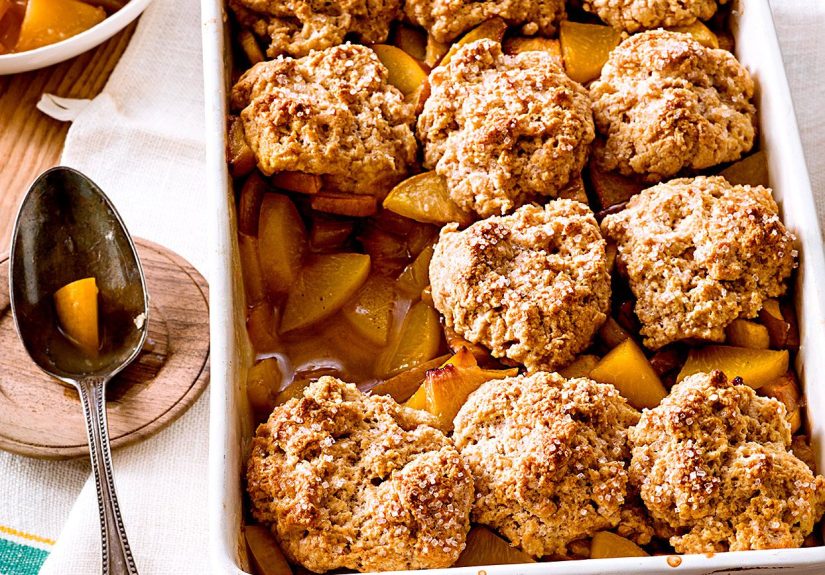
Peach cobbler is the dessert equivalent of a good porch swing: it doesn’t try too hard, it doesn’t need a special occasion, and it makes everybody calmer within three bites. It’s juicy peaches bubbling like they’ve got gossip to share, topped with a golden, biscuit-y “cobble” that looks rustic on purpose (because it is on purpose, and we will not be taking questions). Serve it warm with vanilla ice cream and watch how quickly people “just want a small scoop” for the third time.
What Makes a Peach Cobbler “Classic”?
In the U.S., “peach cobbler” can mean a few different things depending on where you learned to bake (or who raised you). Some versions lean cake-like, some are batter-based with crispy edges, and some wear a full-on pie-crust situation. This recipe sticks to the crowd-pleasing classic: a thickened peach filling under a tender, buttery, biscuit-style topping. It’s simple, old-fashioned, and impossible to eat politely.
The goal is balance: a filling that’s jammy instead of watery, and a topping that’s tender in the middle with golden edges on top. If your cobbler has ever turned into “peach soup with a sad hat,” don’t worrytoday we fix that.
Classic Peach Cobbler Recipe (Biscuit-Topped)
Quick Recipe Snapshot
- Prep time: 20 minutes
- Cook time: 40–50 minutes
- Rest time: 15 minutes (yes, it matters)
- Servings: 8
- Best served: warm with vanilla ice cream
Ingredients
For the peach filling
- 6–7 cups peaches (about 3 pounds), peeled or unpeeled, pitted, and sliced or chunked
- 1/2 cup granulated sugar (use 1/3 cup if peaches are very sweet; up to 3/4 cup if they’re tart)
- 1/4 cup light brown sugar (for a little caramel vibe)
- 2 tablespoons cornstarch (thickens the juices so the topping doesn’t get soggy)
- 1 tablespoon fresh lemon juice
- 1 teaspoon vanilla extract
- 1/2 teaspoon ground cinnamon (optional, but cozy)
- Pinch of nutmeg (optional, but charming)
- 1/4 teaspoon fine salt
- 2 tablespoons unsalted butter, cut into small pieces (for richness)
- Optional flavor boosters: 1 teaspoon fresh grated ginger or 1 tablespoon bourbon or 1/4 teaspoon almond extract
For the biscuit cobbler topping
- 1 1/2 cups all-purpose flour
- 1/3 cup granulated sugar
- 1 1/2 teaspoons baking powder
- 1/4 teaspoon baking soda (helps tenderize when using buttermilk)
- 1/2 teaspoon fine salt
- 6 tablespoons cold unsalted butter, cut into small cubes
- 1/2 cup cold buttermilk (plus 1 tablespoon extra for brushing)
- 1 teaspoon vanilla extract (optional, but lovely)
- Optional: coarse sugar for sprinkling on top
Step-by-Step Instructions
1) Preheat and prep
Heat your oven to 400°F. Lightly butter a 9×13-inch baking dish (or a 2-quart casserole dish). Set the dish on a rimmed baking sheet if you’re the cautious type (cobbler bubbles like it pays rent).
2) Mix the filling (and let the peaches do their thing)
In a large bowl, toss peaches with granulated sugar, brown sugar, cornstarch, lemon juice, vanilla, cinnamon, nutmeg, and salt. Let it sit for 10 minutes. This quick “maceration” pulls out juices so the cornstarch can thicken them properly.
Scrape the peaches and all those juices into your baking dish. Dot the top with the butter pieces.
3) Par-bake the fruit (the secret handshake for non-soggy cobbler)
Bake the peach filling for 10 minutes at 400°F. You’re not fully cooking ityou’re jump-starting the bubbling so the topping goes onto hot fruit (which helps it bake through and stay tender, not gummy).
4) Make the biscuit topping (keep it cold, keep it chill)
While the peaches par-bake, whisk flour, sugar, baking powder, baking soda, and salt in a bowl. Cut in the cold butter using a pastry cutter or your fingertips until the mixture looks like coarse crumbs with a few pea-sized butter bits. Stir in 1/2 cup cold buttermilk (and vanilla if using) just until no dry flour remains. Do not overmixtough biscuits are not invited to this party.
5) Assemble: “cobble” the top
Pull the hot peaches from the oven. Drop spoonfuls of biscuit dough over the fruit, leaving a few gaps so steam can escape. Brush the tops lightly with a tablespoon of buttermilk and sprinkle with coarse sugar if you want that bakery-style sparkle.
6) Bake until golden and bubbling
Reduce oven temperature to 375°F and bake for 30–35 minutes, or until the topping is deeply golden and the filling is bubbling around the edges (bubbling is how you know the thickener actually activated). If the top browns too quickly, tent loosely with foil for the last 10 minutes.
7) Rest (the hardest step)
Let the cobbler rest for 15 minutes. This gives the filling time to set so you get saucy-peach goodness instead of peach lava.
Choosing Peaches: Fresh, Frozen, or Canned
Fresh peaches (best flavor, peak-season energy)
If peaches are in season, go fresh. Look for fruit that smells like peach perfume and yields slightly when pressedlike a firm handshake, not a collapse. Freestone peaches are especially convenient because the pit releases easily, which makes slicing faster and less dramatic.
Frozen peaches (surprisingly great year-round)
Frozen peaches can make an excellent cobbler when fresh peaches are meh. Thaw them first, then drain off excess liquid (or bump cornstarch up by 1 teaspoon). Frozen fruit releases extra juice, so your thickener has to show up ready to work.
Canned peaches (the “I need cobbler by 8 PM” option)
Canned peaches can absolutely get the job doneespecially in winter. Drain well, taste for sweetness, and reduce added sugar since canned peaches often arrive already living their best syrupy life.
Do You Have to Peel the Peaches?
Nope. Peach skins soften as they bake. Some people like the slight texture; others prefer a smoother filling. If you’re Team No-Skin, here’s the easiest peeling method: score a small “X” on the bottom of each peach, blanch briefly in boiling water, then transfer to an ice bath. The skins slip right off with minimal fuss and maximum smugness.
Pro Tips for Cobbler That’s Jammy (Not Watery) and Tender (Not Doughy)
- Use a thickener: Cornstarch is reliable and keeps the filling glossy.
- Don’t skip lemon: A splash balances sweetness and makes peaches taste more “peachy.”
- Par-bake the fruit: Hot filling helps the topping bake through and prevents a gummy underlayer.
- Keep ingredients cold: Cold butter + cold buttermilk = tender biscuit topping.
- Leave gaps in the topping: Steam needs escape routes. Otherwise you get soggy spots.
- Watch the bubbles: “Golden top” is nice, but “bubbling filling” is what tells you it’s truly done.
Flavor Variations (Still Classic, Just Wearing Different Shoes)
Brown butter “batter-style” cobbler
Prefer a more cake-like top with caramelized edges? Brown the butter, pour it into the dish, and use a simple batter topping. It’s classic-adjacent, wildly comforting, and the crispy corners have a fan club.
Ginger-peach cobbler
Add 1 teaspoon of freshly grated ginger to the filling. It wakes up the peaches without turning them into a spice rack.
Bourbon peach cobbler
A tablespoon or two of bourbon adds warmth and depth. (Most of the alcohol bakes off, but the flavor stays to supervise.)
Peach + berry twist
Add 1 cup blueberries or blackberries to the peaches. It turns the filling into a summer mixtape.
What to Serve With Peach Cobbler
Vanilla ice cream is the classic movecold, creamy, and built for hot fruit. Whipped cream works if you want something lighter. For extra-credit energy, try a pinch of flaky salt on top or a drizzle of caramel sauce. It’s not necessary, but neither are throw pillows, and look how that turned out.
Make-Ahead, Storage, and Reheating
Make-ahead
You can prep the filling (without cornstarch) a few hours ahead and refrigerate. Add cornstarch right before baking to avoid thinning. The biscuit topping is best mixed just before baking, but you can measure dry ingredients and cube butter in advance.
Storage
Once cooled, cover and refrigerate. Because cobbler includes perishable ingredients (like dairy in the topping), don’t leave it sitting out longer than 2 hours at room temperature (or 1 hour if it’s very hot out). Properly stored, it keeps well in the fridge for 3–4 days.
Reheating
Reheat in a 350°F oven for 15–20 minutes to re-crisp the topping. Microwave works in a pinch, but the topping softens (still deliciousjust a different vibe).
Freezing
You can freeze baked cobbler, tightly wrapped, for up to 2–3 months. Thaw overnight in the fridge, then reheat in the oven. The topping may lose a little crispness, but the flavor holds up beautifully.
FAQ: Classic Peach Cobbler Questions People Ask While Hovering Over the Dish
Why is my cobbler topping doughy underneath?
Usually it’s one (or more) of these: the filling was too cool when the topping went on, the topping was spread too thick, or the cobbler wasn’t baked long enough for the filling to bubble and set. Par-baking the fruit and leaving gaps in the topping solve most of it.
Can I use self-rising flour?
You can, but adjust: self-rising flour already contains leavening and salt. If you use it, omit baking powder, baking soda, and salt in the topping, then taste the result and tweak next time. (Cobbler is forgiving. Your oven has seen worse.)
What’s the best baking dish?
Glass or ceramic bakes evenly and lets you see the bubbling edgesvery satisfying. Avoid thin metal pans if you can; they can make the filling boil too aggressively and reduce too fast.
Closing Thoughts
A classic peach cobbler isn’t about perfectionit’s about comfort. The peaches should taste like summer, the topping should be golden and tender, and the whole thing should make your kitchen smell like someone’s grandma just won a bake-off. Once you’ve made this version a couple times, you’ll start adjusting it instinctively: a little more lemon when peaches are sweet, a little more cornstarch when they’re extra juicy, maybe a whisper of bourbon when you’re feeling mysterious. That’s the beauty of cobbler: it meets you where you are, then asks for ice cream.
Peach Cobbler Experiences (Real-Life Lessons From the Baking Dish)
The first time I made peach cobbler, I treated it like a science experiment and a talent show at the same time. I had a bowl of peaches, a heroic amount of confidence, and exactly zero respect for how much juice peaches can release once they hit heat. I remember pulling the dish out of the oven and thinking, “Wow, it’s bubbling! That means it’s working!” What it actually meant was: “Your cobbler is auditioning for a future career as peach lava.” I scooped it anyway, because courage is important, and because the ice cream was already out.
Here’s what I learned quickly: peaches aren’t identical. One week they’re sweet and mellow, the next they’re bright and tangy, and occasionally they’re just… fine. Cobbler is the best way to rescue “fine” fruit because it adds warmth, spice, and a topping that basically says, “Don’t worry, I brought personality.” But it’s also a dessert that rewards tasting as you go. If your peaches are already candy-sweet, you can back off the sugar and let the fruit shine. If they’re tart, sugar isn’t cheatingit’s teamwork.
I also learned that the topping has feelings. Overmix it and it gets tough. Make it too thick and it stays doughy underneath. Treat it gently, keep it cold, and give it space to breathe (those little gaps between dough mounds matter more than you’d think). The first time I left gaps, the cobbler baked more evenly and the topping stayed tender instead of turning into a steamed dumpling layer. That was a small, weirdly proud momentlike when you finally fold a fitted sheet without yelling.
Seasonality is another big lesson. In peak summer, fresh peaches can be so fragrant you’ll want to eat them over the sink and call it dinner. In the off-season, frozen peaches can be a lifesaver, and canned peaches can be downright nostalgic. I’ve served cobbler made with each, and nobody complainedbecause, honestly, warm fruit plus buttery topping is a universal language. The key is adjusting for moisture: frozen fruit tends to leak extra juice, so draining or a touch more thickener helps. Canned peaches are already soft and sweet, so draining and reducing added sugar keeps the flavor balanced instead of syrupy-sweet.
My favorite cobbler moments are the ones you can’t plan: someone sneaking into the kitchen for a “tiny” second helping, the sound of ice cream melting into the hot filling, the way the house smells like cinnamon and summer even when it’s raining outside. Cobbler is casual, yesbut it’s also generous. It feeds a crowd, it forgives substitutions, and it turns ordinary peaches into something people remember. If you’re bringing dessert to a cookout, potluck, or family dinner, peach cobbler is the confident choice. It doesn’t need frosting, piping bags, or edible glitter. It just needs a spoonand maybe a second spoon, because you’re going to “taste test” it repeatedly.