Table of Contents >> Show >> Hide
- What Is Chest or Breast Binding?
- Why Do People Bind?
- Common Chest Binding Methods
- Unsafe Binding Methods to Avoid
- How to Choose the Right Binder
- Safer Chest Binding Tips
- Possible Side Effects of Chest Binding
- When to Stop Binding and Get Medical Help
- Binding With Health Conditions
- Chest Binding for Teens and Young Adults
- How to Make Binding More Comfortable
- How Often Should You Replace a Binder?
- Can Binding Affect Future Top Surgery?
- Alternatives to Binding
- Practical Experiences and Real-Life Lessons About Binding
- Conclusion
- SEO Tags
Chest or breast binding is the practice of compressing chest tissue to create a flatter chest appearance. For many transgender men, transmasculine people, nonbinary people, and others who experience chest discomfort or dysphoria, binding can feel like finally getting the volume knob turned down on a very loud background noise. Clothing fits differently. Posture may feel more confident. A mirror may become less of a daily negotiation.
At the same time, binding is not the same as tossing on a regular undershirt. A binder applies pressure to the chest, ribs, shoulders, back, and skin. Used carefully, it can be a meaningful gender-affirming tool. Used too tightly, too long, or with unsafe materials, it can lead to pain, skin irritation, breathing discomfort, overheating, and other health problems. In other words, binding can be helpful, but your body still gets a vote.
This guide explains what chest binding is, why people use it, safer binding tips, common side effects, warning signs, alternatives, and practical lived-experience lessons that can make binding more comfortable and sustainable.
What Is Chest or Breast Binding?
Chest binding means using a garment or method to flatten the appearance of breast or chest tissue. The goal is usually to create a smoother, more masculine, more neutral, or simply less prominent chest contour. Some people bind every day, some only for work or school, and others use binding only for special events, photos, performances, or days when dysphoria feels especially heavy.
The most common safer option is a commercial chest binder, which is a compression garment designed specifically for flattening the chest. Some people also use compression sports bras, layered athletic tops, or clothing strategies such as structured shirts and jackets. However, not every method is equally safe. Duct tape, plastic wrap, elastic bandages, and random household “engineering projects” should stay far away from your ribs. Your chest is not a shipping box.
Why Do People Bind?
People bind for many personal reasons. For some, it reduces gender dysphoria, which is distress related to the mismatch between a person’s body and gender identity. For others, binding supports gender expression, helps clothes fit the way they want, or makes public spaces feel easier to navigate.
Binding is often discussed in transgender and nonbinary communities, but it is not limited to one identity. Some cisgender women, performers, athletes, and people with chest-related discomfort may also use compression. The important point is that binding is about comfort, expression, and control over presentation. No one needs to “prove” a reason to want their body to feel more like home.
Common Chest Binding Methods
Commercial Chest Binders
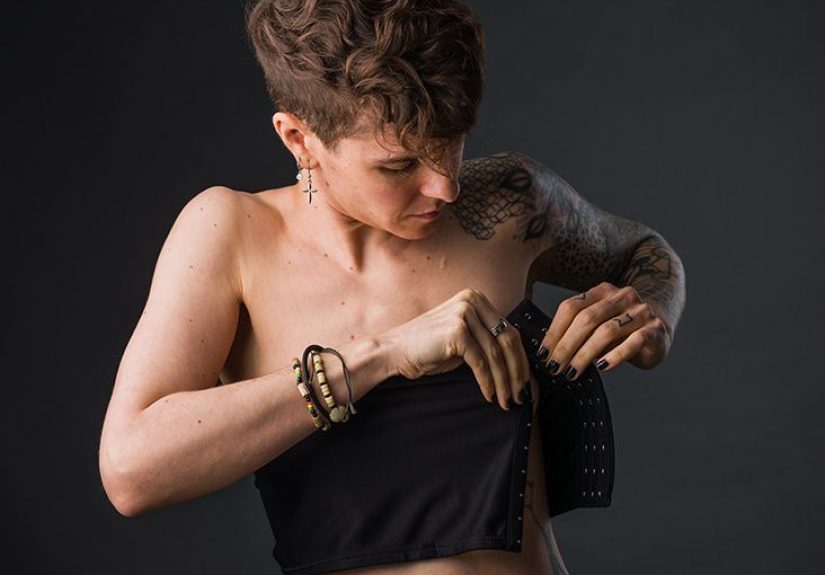
A commercial binder is usually the safest and most effective option when it fits correctly. These garments are designed to compress chest tissue more evenly than improvised materials. They often look like a tank top, crop top, or compression undershirt. A good binder should feel snug, not painful. You should be able to breathe deeply, move your arms, sit, walk, and speak normally.
Compression Sports Bras
High-compression sports bras may be useful for people who want light or moderate flattening. They can also be a good option for rest days, exercise, or people who cannot tolerate a binder for long periods. However, wearing multiple tight sports bras at once can increase pressure and discomfort, so more layers do not automatically mean better or safer results.
Chest Tape
Some people use skin-safe chest tape made for body use. Tape may reduce pressure around the ribs because it does not wrap fully around the torso. However, tape can irritate skin, cause blisters, or lead to injury if removed too quickly. It is not ideal for everyone, especially people with sensitive skin, allergies, healing wounds, or skin conditions. Tape should never be wrapped tightly around the entire chest.
Clothing-Based Binding Alternatives
Layering can help create a flatter appearance without intense compression. Open button-down shirts, structured jackets, thicker fabrics, dark colors, patterns, and loose-but-not-baggy tops can all reduce the visual outline of the chest. This approach may not replace binding for everyone, but it can be a helpful backup when the body needs a break.
Unsafe Binding Methods to Avoid
Some materials are risky because they tighten unevenly, restrict breathing, damage skin, or become harder to remove when the body moves. Avoid duct tape, plastic wrap, ace bandages, packing tape, and any tape not intended for skin. Elastic bandages are especially tricky because they can tighten as you breathe and move. That means what felt “fine” in the mirror can become too tight halfway through math class, a shift at work, or a long bus ride.
Also avoid wearing a binder that is too small. Sizing down is not a shortcut to a flatter chest; it is a shortcut to pain, restricted movement, and possibly injury. A binder should compress soft tissue, not argue with your skeleton.
How to Choose the Right Binder
The safest binder is the one that fits your actual measurements, not the one you wish would magically flatten everything like a Photoshop filter. Different brands use different size charts, so measure carefully and follow the specific guide for the binder you are buying. Chest size, shoulder width, torso length, and body shape can all affect fit.
When trying on a binder, check four things: breathing, movement, pain, and skin. You should be able to take a full breath without sharp discomfort. You should be able to raise and move your arms. The binder should not cause numbness, tingling, dizziness, or intense pressure. After removing it, your skin may have mild temporary marks from seams, but it should not be bruised, broken, blistered, or deeply indented.
If you are between sizes, the larger size is usually safer. If a binder rolls up, digs into your armpits, pinches your ribs, or makes you feel like a vacuum-sealed snack, it is not the right fit.
Safer Chest Binding Tips
Limit How Long You Bind
Many health and community resources suggest limiting binder wear to around 8 hours or less per day when possible. Some people may need shorter periods, especially beginners, teens, people with asthma, people with chronic pain, or anyone recovering from illness or injury. Start slowly. Your body may need time to adjust.
Do Not Sleep in a Binder
Sleeping in a binder increases the amount of time your chest and ribs are compressed and makes it harder to notice warning signs. During sleep, you also change positions without thinking, which can create pressure in awkward places. Take the binder off before bed. Pajamas deserve freedom too.
Avoid Binding During Intense Exercise
Exercise increases breathing rate, body temperature, and movement. A tight binder can make that harder. For workouts, consider a compression sports bra or a looser option instead. If you feel lightheaded, short of breath, overheated, or in pain, stop and remove the compression as soon as you safely can.
Take Breaks
Build binder breaks into your routine. Even short breaks can help your skin, muscles, and ribs recover. If you bind often, try to schedule low-compression days when you can wear looser clothing, a sports bra, or layers instead.
Keep Your Binder Clean
Binders sit close to the skin and collect sweat, oil, and bacteria. Wash your binder regularly according to the care instructions. A clean binder helps reduce odor, acne, rashes, and fungal irritation. If possible, own more than one binder so you are not forced to choose between “clean laundry” and “leaving the house.”
Listen to Pain
Mild pressure is expected. Pain is not the price of admission. Remove your binder if you experience sharp chest pain, trouble breathing, numbness, tingling, dizziness, severe back pain, skin damage, or a feeling that something is wrong. The goal is affirmation, not endurance training for your rib cage.
Possible Side Effects of Chest Binding
Binding affects people differently. Some people bind for years with manageable symptoms. Others develop problems quickly, especially if their binder is too tight or they bind for long hours. Common side effects may include:
- Chest, rib, shoulder, or back pain
- Shortness of breath or reduced breathing comfort
- Overheating or sweating
- Skin irritation, acne, itching, or rashes
- Bruising or tenderness
- Numbness or tingling
- Digestive discomfort from pressure around the torso
- Reduced range of motion
Less common but more serious problems can include skin infections, persistent pain, rib injury, fainting, or worsening respiratory symptoms. Binding should not make you feel trapped in your own body. If symptoms continue after changing your binding habits, it is time to talk with a healthcare professional.
When to Stop Binding and Get Medical Help
Stop binding immediately if you have trouble breathing, chest pain that feels severe or unusual, fainting, dizziness, blue or pale lips, numbness, sudden swelling, open wounds, signs of infection, or intense rib pain. Seek medical care if symptoms do not improve after removing the binder or if they return repeatedly.
You do not need to wait until something becomes an emergency. A trans-affirming doctor, nurse practitioner, physical therapist, or clinic can help with pain, skin problems, breathing concerns, binder fit, posture, and safer alternatives. If you are nervous about discussing binding, you can write down your symptoms first. A simple statement like, “I use chest compression and I am having rib pain,” is enough to start the conversation.
Binding With Health Conditions
People with asthma, scoliosis, chronic pain, fibromyalgia, connective tissue disorders, skin conditions, anxiety-related breathing symptoms, or a history of chest or rib injury may need extra caution. Binding may still be possible for some people, but it may require shorter wear times, a larger size, different materials, or non-binder alternatives.
If you have a condition that affects breathing, circulation, skin healing, pain, or mobility, consider speaking with a clinician before binding regularly. This is not about asking permission to be yourself. It is about getting a safety plan that does not treat your body like an afterthought.
Chest Binding for Teens and Young Adults
Teens and young adults may bind for school, social events, family gatherings, or daily comfort. Because bodies are still developing during adolescence, safer habits matter. Avoid long wear times, never sleep in a binder, and do not use unsafe materials. If possible, talk with a trusted adult, doctor, school nurse, counselor, or LGBTQ-friendly clinic about safe options.
Privacy can be complicated for young people. Some may not feel safe discussing binding at home. In that case, community health centers, LGBTQ organizations, school-based health resources, or youth clinics may be able to provide confidential support depending on local rules. The key message is simple: you deserve safety and respect, not shame.
How to Make Binding More Comfortable
Comfort often comes down to small adjustments. Put your binder on when your skin is dry. Avoid applying heavy lotion right before wearing it, because slippery skin can increase rubbing. If seams irritate your skin, try a thin breathable undershirt underneath, as long as it does not make the compression too tight or cause overheating.
Watch your posture. Some people hunch forward when binding because they feel self-conscious or because the binder changes how their shoulders sit. Gentle stretching after removing the binder can help relax the chest, shoulders, and upper back. Hydration also matters, especially in hot weather. A binder plus summer heat can turn your torso into a very committed sauna.
How Often Should You Replace a Binder?
A binder that has stretched out may stop compressing evenly. A binder that has become too tight due to body changes can cause discomfort. Replace your binder if it is damaged, losing elasticity, creating new pain, smelling even after washing, or no longer fitting your body. Bodies change. That is normal. Your binder should adapt to you, not the other way around.
Can Binding Affect Future Top Surgery?
Some people worry that binding will automatically prevent top surgery later. In most cases, binding itself does not rule out surgery. However, long-term skin irritation, scarring, or changes in skin elasticity may affect surgical planning for some people. If top surgery is a future goal, it is especially smart to protect your skin, avoid unsafe materials, and discuss binding habits with a gender-affirming healthcare provider when possible.
Alternatives to Binding
Binding is not the only way to reduce chest visibility. Alternatives include compression sports bras, looser tops, patterned shirts, structured jackets, vests, posture-friendly layering, and clothing cuts that draw attention away from the chest. Some people use different strategies depending on the day: a binder for an important event, a sports bra for errands, and layers for rest days.
For people seeking a long-term medical option, gender-affirming chest surgery may be considered. Surgery is a major decision and involves cost, recovery, eligibility requirements, and medical consultation. It is not necessary for everyone, and not everyone wants it. The best option is the one that supports your health, identity, comfort, and life circumstances.
Practical Experiences and Real-Life Lessons About Binding
One of the biggest real-life lessons about chest binding is that “flat” and “safe” are not always the same goal. Many beginners imagine the perfect binder will create a completely flat chest under every shirt. Then reality enters wearing sneakers: bodies have curves, fabric moves, and even the best binder cannot delete anatomy. A more realistic goal is a chest shape that feels more comfortable and affirming while still allowing easy breathing and movement.
Another common experience is the first-day excitement trap. Someone gets a new binder, feels amazing, and wants to wear it all day immediately. That reaction is understandable. A good binder can bring huge emotional relief. But starting with shorter periods is usually kinder to the body. Think of binding like breaking in new shoes. Even if they look fantastic, wearing them for twelve hours on day one may lead to regret, blisters, and dramatic inner monologues.
Many people also learn that different situations need different tools. A binder that works well for a dinner out may feel too restrictive for a long school day, a work shift, or a hot outdoor event. Some people keep a backup plan: a loose overshirt, a sports bra, a hoodie, or a private place to change if discomfort starts. Planning ahead can reduce anxiety. It is easier to listen to your body when you know you have options.
Heat is another lesson people often learn the sweaty way. Binding in summer can be uncomfortable, especially in humid climates or crowded rooms. Breathable fabrics, clean binders, hydration, and breaks become more important when the weather acts like soup. If overheating happens often, switching to lighter compression or using clothing-based alternatives on hot days may help.
Skin care is also part of the binding experience. Some people develop acne, itching, or redness where fabric rubs. Washing the binder, showering after sweaty wear, drying the skin fully, and avoiding harsh products can reduce irritation. If skin breaks open, binding over it can make healing slower. Rest days are not failure days; they are maintenance days.
Emotionally, binding can be complicated. It may bring relief, confidence, and a sense of control. It can also become frustrating when safety limits get in the way of how someone wants to look. That tension is real. A helpful mindset is to treat binding as one tool in a larger comfort toolbox. Clothes, posture, supportive friends, affirming language, therapy, community spaces, and medical care can all be part of feeling better in your body.
Finally, many experienced binders say the same thing: do not ignore warning signs just because you are having a good gender day. Pain, dizziness, numbness, and breathing trouble are messages, not inconveniences. Binding should help you move through the world with more ease, not make your body feel like it is negotiating a hostage situation with your ribs. Safer binding is not about perfection. It is about respect: for your identity, your comfort, and the very hardworking body carrying you through the day.
Conclusion
Chest or breast binding can be a powerful, affirming practice for people who want a flatter chest appearance or relief from chest dysphoria. The safest approach is to use a properly fitted binder or lower-risk alternative, limit wear time, avoid sleeping or exercising in a binder, keep the garment clean, and respond quickly to pain or breathing problems.
Binding is personal. Some people bind daily, some occasionally, and some choose alternatives. There is no single “right” way to feel comfortable in your body. The best approach is the one that balances affirmation with health, confidence with comfort, and style with enough breathing room to live your actual life.