Table of Contents >> Show >> Hide
- What Is a Chemical Peel?
- Purpose: What Chemical Peels Can Help With
- Types of Chemical Peels (Depth Levels)
- Who’s a Good Candidate (and Who Should Pause)
- Pre-Peel Prep: What You’ll Likely Be Asked to Do
- The Procedure: What Happens During a Chemical Peel
- Aftercare: How to Heal Without Making Things Worse
- Risks: What Can Go Wrong (and How to Lower the Odds)
- Results: What You’ll See and When You’ll See It
- Chemical Peels vs. Other Options
- Frequently Asked Questions
- Conclusion
- Real-World Experiences: What Chemical Peels Are Actually Like (500+ Words)
Picture this: your skin is basically a busy city. It builds, sheds, repairs, and occasionally puts up a construction sign that reads “Pardon our rough texture.” A chemical peel is like a controlled resurfacing projectplanned, measured, and meant to reveal smoother, more even-looking skin underneath. Done correctly, it can brighten dullness, soften fine lines, help acne and post-acne marks, and improve uneven tone. Done incorrectly (especially with high-strength products used without supervision), it can also cause real harm. So yes: glow-up potential, but with grown-up rules.
This guide breaks down what chemical peels are for, what actually happens during the procedure, what the recovery is like, the biggest risks to know, and what results typically look likewithout the hype, without the scare tactics, and without pretending a peel is a magical eraser for every skin concern.
What Is a Chemical Peel?
A chemical peel is a skin-resurfacing treatment where a chemical solution is applied to the skin to remove some of the outer layers. As the treated skin exfoliates and peels away, new skin emerges that often looks smoother and more evenly toned. The “strength” (depth) of the peel depends on the chemical used, its concentration, and how it’s applied.
Most peels are performed on the face, but they can also be done on the neck, chest, hands, and sometimes the back (hello, “bacne”). The key idea is controlled damageon purposeso your skin can rebuild in a more refined way.
Purpose: What Chemical Peels Can Help With
People usually consider a chemical peel for one (or several) of these goals:
1) Brighter, smoother texture
Light peels can reduce roughness and dullness by lifting off dead, uneven surface cellskind of like hitting “refresh” on your complexion.
2) Acne and congestion
Certain acids (often salicylic acid, a BHA) penetrate oil and can help unclog pores, reduce breakouts, and calm the look of inflamed blemishes over time. Peels are not a replacement for acne treatment plans, but they can be a helpful add-on for the right person.
3) Post-acne marks and mild scarring
Peels can fade post-inflammatory hyperpigmentation (the flat brown or red marks left behind after pimples) and can modestly improve the look of shallow acne scarring by encouraging skin turnover. Deeper scars often need combination treatments (like microneedling, subcision, lasers, or fillers).
4) Sun damage and uneven pigment
Sun exposure can cause dark spots, blotchiness, and a “tired” look. Superficial to medium peels may help fade discoloration and improve toneespecially when paired with strict sun protection.
5) Fine lines
Medium-depth (and in select cases deep) peels can soften fine lines by exfoliating deeper layers and stimulating remodeling. Translation: you may see smoother texture and less creasing, but you won’t be reborn as a baby dolphin. (A lovely thought, though.)
Types of Chemical Peels (Depth Levels)
Peels are typically grouped into three main categories. The deeper the peel, the bigger the results can bebut the longer the recovery and the higher the risk profile.
Superficial (Light) Peels
Best for: mild discoloration, rough texture, early acne, “dull skin,” very fine lines.
Common ingredients: alpha hydroxy acids (AHAs) like glycolic or lactic acid; beta hydroxy acids (BHAs) like salicylic acid; other gentle acids depending on the formula.
Downtime: often minimal. Some people get light flaking; others just look slightly pink and feel dry.
Realistic expectation: light peels often work best as a series. Think “cumulative improvement,” not “one-and-done.”
Medium-Depth Peels
Best for: more noticeable uneven tone, moderate sun damage, more visible fine lines, certain acne scars.
Common ingredients: trichloroacetic acid (TCA) and sometimes combinations (for example, layered formulas used by clinicians).
Downtime: more significant peeling and redness. Expect a “shedding phase” that can be socially inconvenient.
Realistic expectation: results can be more dramatic than a superficial peel, but aftercare and sun avoidance become non-negotiable.
Deep Peels
Best for: deeper wrinkles and more severe sun damage in carefully selected patients.
Common ingredients: phenol (and certain high-strength approaches only performed by experienced medical professionals).
Downtime: weeks, not days. Redness can persist for a long time, and meticulous wound care is crucial.
Realistic expectation: deep peels can deliver significant resurfacing, but they’re not casual. They require medical oversight and are not appropriate for everyone.
Who’s a Good Candidate (and Who Should Pause)
A consultation matters because the “right” peel depends on your skin type, concerns, and medical history. In general, you may be a good candidate if you:
- Have uneven tone, sun spots, mild-to-moderate acne marks, or rough texture
- Can follow aftercare instructions closely (especially sun protection)
- Don’t have an active skin infection or uncontrolled inflammatory skin condition on the treatment area
You should be extra cautious (or potentially avoid certain peels) if you:
- Have a history of abnormal scarring or keloids
- Have frequent cold sores (you may need preventive antiviral medication for facial peels)
- Have deeper skin tones and are considering a medium/deep peel without an experienced clinician (risk of pigment changes can be higher)
- Are pregnant or breastfeeding and unsure what ingredients are appropriate
- Used certain acne medications recently (your clinician will screen for timing and safety)
Important reality check: if your goal is “erase pores,” “delete all texture,” or “look like a filtered selfie,” a chemical peel is going to disappoint youand your wallet. Better goals: healthier-looking tone, smoother feel, fewer visible marks, and more even brightness.
Pre-Peel Prep: What You’ll Likely Be Asked to Do
Preparation varies by peel depth, but common instructions include:
- Stop irritating products for a period of time (often retinoids, harsh exfoliants, and certain acne treatments).
- Avoid sun exposure and skip tanning (natural or otherwise). Tanned or sunburned skin is not peel-friendly skin.
- Disclose all meds and supplements (including anything for acne, hormones, or photosensitivity).
- Discuss cold sore history so your provider can consider preventive treatment if needed.
- Follow a pre-care regimen if recommended (some clinicians use pigment-control prep for people prone to dark spots).
If you’re doing an at-home peel product, “prep” should still include reading the instructions like your face depends on itbecause it does. Also, avoid stacking multiple exfoliants (like peels + retinoids + scrubs) unless your dermatologist specifically tells you to. Your skin barrier is not a video game boss; you don’t get bonus points for going harder.
The Procedure: What Happens During a Chemical Peel
Most in-office peels follow a familiar rhythm:
- Cleansing and degreasing: The skin is cleaned thoroughly so the peel penetrates evenly.
- Protective steps: Sensitive areas (like corners of the nose, eyes, lips) may be shielded.
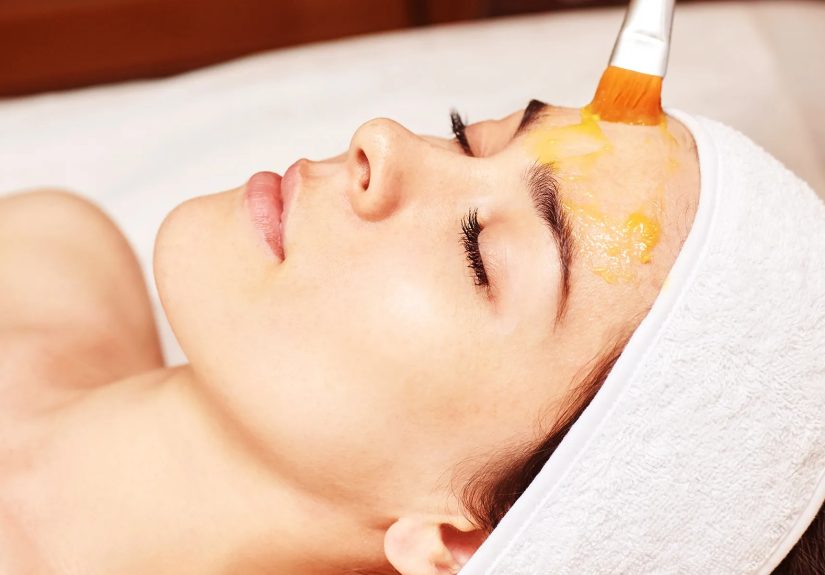
- Application: The chemical solution is applied in layers or passes. You may feel stinging, warmth, or burningusually temporary.
- Timing and monitoring: The clinician watches for endpoint cues (like uniform redness or “frosting,” depending on the peel type).
- Neutralization or removal: Some peels are neutralized; others are self-neutralizing. Either way, the goal is controlled exposure.
- Post-peel protection: A soothing ointment or protective layer may be applied.
Deep peels may involve stronger pain control and closer monitoring. This is one reason “professional supervision” isn’t a buzzkillit’s a safety requirement when strength increases.
Aftercare: How to Heal Without Making Things Worse
Aftercare is where results are protectedor ruined. Your skin is more vulnerable after a peel, so treat it like it’s recovering from a serious workout: gentle support, no sabotage.
What good aftercare usually includes
- Gentle cleansing (think mild, fragrance-free, non-scrubby)
- Moisturizing and barrier support (ointment or bland moisturizer as directed)
- Hands off the flakes (picking can lead to scarring or discoloration)
- Strict sun avoidance and sunscreen (broad-spectrum SPF, reapplication, hats, shade)
- Pausing harsh actives (retinoids, acids, scrubs, and “tingly” products until cleared)
Expect dryness, tightness, and visible peeling depending on the peel depth. Some people feel a mild burning sensation early on; deeper treatments can feel more intense and last longer. If you notice worsening pain, spreading redness, pus, fever, or rapidly worsening swelling, that’s not “normal peeling”that’s “call your clinician.”
Risks: What Can Go Wrong (and How to Lower the Odds)
Most people experience temporary side effects like redness, dryness, stinging, swelling, and flaking. However, chemical peels can cause more serious complicationsespecially with deeper peels, improper technique, or poor aftercare.
Common side effects
- Redness and irritation
- Dryness and flaking
- Temporary swelling
- Increased sun sensitivity
More serious risks
- Hyperpigmentation or hypopigmentation: unwanted darkening or lightening of the skin, sometimes longer-lasting.
- Scarring: uncommon, but possibleespecially if skin is picked, infected, or over-treated.
- Infection: bacteria, fungus, or reactivation of herpes simplex (cold sores) after facial peels.
- Systemic risks with deep phenol peels: rare but significant concerns that require medical monitoring and careful patient selection.
How to reduce risk
- Choose a qualified, experienced professional for medium and deep peels.
- Be honest about your history (cold sores, scarring, pigment issues, medications).
- Follow the pre-care and aftercare plan exactlyespecially sun protection.
- Avoid high-concentration “DIY” peel products sold online without professional oversight.
At-home peel warning, in plain English: Not all “peel” products are created equal. Some high-strength acid products marketed online can cause serious skin injuries when used without appropriate supervision. If a product reads like it belongs in a chemistry lab, don’t let it meet your face unsupervised.
Results: What You’ll See and When You’ll See It
Timing depends heavily on peel depth and your skin’s healing pace.
Superficial peel results
You might notice brighter tone and smoother feel within days. Peeling may be mild or not obvious. Many people do a series for best results.
Medium peel results
Expect visible peeling over several days. Once the skin heals, tone and texture improvements are usually more noticeable than with light peels. Redness may linger longer than you’d likeplan accordingly if you have an event coming up.
Deep peel results
Deep peels can produce more dramatic smoothing, but recovery is longer. Redness can persist for an extended period, and strict aftercare is essential. The upside is potentially significant improvement in certain signs of aging and sun damagewhen performed appropriately in carefully selected patients.
How long do results last? It varies. Sun exposure, skincare routine, genetics, and lifestyle all matter. Even with a great peel, your skin will keep aging (because time is undefeated). Many people maintain results with sunscreen, topical antioxidants/retinoids (when appropriate), and occasional lighter peels.
Chemical Peels vs. Other Options
If you’re deciding between treatments, here’s a practical way to think about it:
- Peels are great for tone, mild texture, and certain acne/pigment concernsoften at a lower complexity than energy devices.
- Microneedling may be stronger for acne scars and collagen remodeling with different downtime patterns.
- Lasers can be more precise and powerful for specific concerns but may cost more and require specialized expertise (especially for deeper skin tones).
- Topicals (like retinoids, azelaic acid, vitamin C) work slower but can be excellent long-term partners and sometimes reduce the need for frequent procedures.
Many real-world treatment plans combine approaches over time. The “best” option is usually the one that matches your skin type, your goals, your downtime tolerance, and your clinician’s skill set.
Frequently Asked Questions
Does a chemical peel hurt?
Light peels often feel like stinging or warmth. Medium peels can feel more intense during application. Deep peels may require stronger pain control measures. The sensation usually peaks during treatment and settles afterward, but tightness and tenderness can linger.
Can I wear makeup afterward?
It depends on the peel and your provider’s instructions. After deeper peels, makeup may be discouraged until the skin has re-epithelialized (meaning the surface has healed properly). For lighter peels, some people return to makeup soonerbut “sooner” shouldn’t mean “immediately,” especially if your skin is irritated.
Will I peel like a movie snake shedding its skin?
Sometimes, yesespecially with medium-depth peels. With superficial peels, peeling may be subtle. Either way, resist picking. Let skin shed naturally to reduce scarring and discoloration risk.
Are chemical peels safe for darker skin tones?
They can be, but selecting the right peel depth and technique is crucial because pigment changes can be more likely if the peel is too aggressive or aftercare is poor. Seek a clinician experienced with your skin type and concerns.
Conclusion
Chemical peels are a well-established tool for improving the look of tone, texture, acne-related concerns, and certain signs of sun damage. The most important “secret” isn’t the acidit’s the plan: choosing the right depth, having a qualified professional when needed, preparing properly, and following aftercare like it’s your job. A peel can absolutely be worth it, but the best results come from smart decisions, not stronger solutions.
Real-World Experiences: What Chemical Peels Are Actually Like (500+ Words)
Let’s talk about the part most people don’t put on the brochure: the lived experience. Not the dramatic “my face fell off” stories (usually the result of unsafe products or ignoring instructions), and not the “I woke up glowing like a candlelit angel” fantasies either. Real chemical peel experiences tend to be more… human.
The “I just want my skin to look less tired” experience
Many first-timers start with a superficial peel because it feels manageablelike a facial with a little edge. During application, people often describe a warm, spicy sensation that ramps up for a minute or two and then settles. Afterward, the skin may look slightly pink, like you did a brisk walk in cold weather. The next day, the most common complaint is tightnesslike your face is wearing a very polite, slightly too-small sweater. Around day two or three, light flaking can begin, especially near the mouth and nose. The emotional experience? A mix of “This is fine” and “Why is my chin doing that?” The payoff is typically subtle but satisfying: makeup sits more smoothly, skin looks brighter, and texture feels more even.
The “acne and clogged pores are driving me nuts” experience
People who do salicylic-focused peels often notice a short-term purge or sensitivitymeaning a few small breakouts can appear as congestion clears. That can be frustrating if you expected instant perfection. But many also report that oiliness feels more controlled after a couple of sessions and that inflamed blemishes calm down faster. The biggest “win” tends to be consistency: fewer surprise breakouts and less bumpy texture over time, especially when the peel is part of a broader routine (gentle cleansing, non-comedogenic moisturizer, sunscreen, and appropriate acne treatment).
The medium-peel week: “I planned downtime and I’m glad I did”
Medium-depth peel experiences often come with a very specific timeline. Day one can be red and tender. Day two is tight and shiny. Day three through five is the headline act: visible peeling. This is when people realize peeling is not a cute aestheticit’s a phase. A common emotional arc is: confidence → mild panic → acceptance → strategic use of hats. People who do best in this week are the ones who keep the routine boring: gentle cleanse, bland moisturizer or ointment, no picking, and sunscreen. Many say the hardest part isn’t discomfort; it’s patience. But once the shedding calms down and the skin looks more even, the satisfaction is realespecially for those targeting sun spots or post-acne marks.
The “I learned the sunscreen lesson the hard way” experience
A repeated theme from clinicians and patients alike is that the peel isn’t the whole storysun exposure afterward can undo progress fast. Some people notice dark spots return or worsen when they get casual about SPF (even “just a quick errand”). The most experienced peel veterans become almost comically loyal to sunscreen, shade, and hats. They’ll tell you: a chemical peel can improve the look of pigment, but sunscreen helps keep that improvement from boomeranging.
The confidence shift: small changes, big impact
One of the most meaningful “results” people report isn’t a single erased lineit’s how their skin behaves day-to-day. Foundation looks less cakey. Skin looks more even in natural light. Photos feel less like a negotiation. The best experiences usually come from realistic goals, professional guidance when needed, and treating the recovery period as part of the procedurenot an optional side quest.
If you’re considering a chemical peel, the most accurate mental model is this: it’s not instant magic, it’s controlled change. And controlled changedone safelycan be a surprisingly powerful upgrade.