Table of Contents >> Show >> Hide
- Quick refresher: what is ankylosing spondylitis (and why does it hurt so much)?
- Where CBD fits in: what it is (and what it isn’t)
- What does the research say about CBD for ankylosing spondylitis?
- What AS experts usually recommend first (and why CBD is an “add-on,” not a foundation)
- Safety first: CBD risks, side effects, and drug interactions
- If you want to try CBD for AS symptoms, how to do it more safely
- What CBD can’t do (and what marketing won’t tell you)
- So… can CBD help ankylosing spondylitis?
- Experiences with CBD for Ankylosing Spondylitis: what people commonly report (about )
Disclaimer: This article is for educational purposes only and isn’t medical advice. If you have ankylosing spondylitis (AS), talk with your rheumatology team before adding CBDespecially if you take prescription meds or have liver issues.
If you live with ankylosing spondylitis, you’ve probably played the world’s least fun game: “Is this a flare… or did I just sleep like a pretzel again?” AS pain can be stubborn, sleep can be elusive, and stiffness can show up like an uninvited guest who refuses to leave your spine’s living room. So it’s not surprising that many people wonder: Could CBD help?
Short version: CBD might help some symptoms (like pain, sleep trouble, and anxiety) for some people, but it’s not proven to treat AS itself or replace evidence-based therapies that control inflammation and protect your joints. And CBD isn’t risk-freeespecially when it comes to drug interactions and liver-related side effects.
Quick refresher: what is ankylosing spondylitis (and why does it hurt so much)?
Ankylosing spondylitis is a chronic inflammatory arthritis that primarily affects the spine and the sacroiliac joints (where your spine meets your pelvis). Over time, inflammation can lead to stiffness and reduced mobility. In some cases, the body tries to “repair” ongoing inflammation by building new bonesometimes causing sections of the spine to fuse.
Classic AS symptoms (aka the “why am I like this?” checklist)
- Inflammatory back pain that often improves with movement and feels worse with rest
- Morning stiffness (you wake up feeling like a human question mark)
- Fatiguebecause chronic inflammation doesn’t exactly energize you
- Flares that come and go, sometimes triggered by stress, illness, or bad luck
- Possible symptoms beyond the spine, such as eye inflammation (uveitis), gut issues, skin symptoms, or rib/chest discomfort
Here’s the key point: AS pain is often tied to inflammation, not just wear-and-tear mechanics. That’s why treatment typically focuses on reducing inflammation, maintaining mobility, and preventing long-term damage.
Where CBD fits in: what it is (and what it isn’t)
CBD (cannabidiol) is a compound found in cannabis plants. Unlike THC, CBD doesn’t create an intoxicating “high”but it can still affect the body in meaningful ways. Most over-the-counter CBD comes from hemp, a variety of cannabis that contains very low amounts of THC by law.
CBD vs. THC (the difference matters)
- THC: psychoactive, can alter mood and perception, may help some types of pain but can also worsen anxiety or cause impairment.
- CBD: non-intoxicating, commonly used for wellness goals like pain support, sleep, or stressbut evidence varies by condition and dose.
CBD interacts with the body’s broader signaling systems (often discussed alongside the “endocannabinoid system”), which plays a role in pain processing, inflammation, mood, and sleep. Sounds promising, right? Yesbut “biologically plausible” isn’t the same as “clinically proven for AS.”
What does the research say about CBD for ankylosing spondylitis?
Let’s be honest: if you’re hoping for a crisp, definitive answer like “Take 17.3 milligrams of CBD at 8:14 p.m. and your sacroiliac joints will sing show tunes,” science is not there.
There’s limited direct research on CBD specifically for ankylosing spondylitis. Most data falls into three buckets:
- CBD (or cannabinoids) for chronic pain in general
- CBD for arthritis-related symptoms (often osteoarthritis or rheumatoid arthritis, not AS)
- CBD for related issues like sleep problems, stress, or anxiety
1) Pain relief: possible, but not a slam dunk
Some reviews and clinical discussions suggest cannabinoids may offer modest benefits for certain types of chronic pain, particularly neuropathic pain, with more mixed evidence for musculoskeletal pain. But many studies look at cannabis products broadly, not purified CBD aloneand doses, formulations, and quality vary widely.
For AS pain, the “maybe” comes from overlap: AS pain can be inflammatory and can affect sleep and mood, which can amplify pain perception. CBD may help some people take the edge off pain signals or improve sleep quality, which then indirectly improves how pain feels day to day.
2) Inflammation and disease activity: don’t expect CBD to replace AS meds
Here’s the big reality check: AS is a disease where controlling inflammation matters long-term. Guideline-supported treatmentslike NSAIDs, biologics (such as TNF or IL-17 inhibitors), and targeted therapiesare used because they can reduce inflammation and help prevent progression.
CBD is not established as a disease-modifying treatment for AS. If CBD helps at all, it’s more likely to be in the realm of symptom support (pain, sleep, anxiety) rather than changing the underlying disease process.
3) Sleep, stress, and “pain’s annoying roommates”
Pain rarely shows up alone. It brings friends: insomnia, anxiety, irritability, and that special mood called “tired-but-can’t-sleep.” Some clinical commentary and consumer health resources note that CBD may help some people with sleep and anxiety, though results depend on dose and individual response.
For people with AS, improving sleep can be meaningfulbecause poor sleep can increase next-day pain sensitivity and fatigue. That doesn’t mean CBD is the answer, but it explains why it’s on people’s radar.
What AS experts usually recommend first (and why CBD is an “add-on,” not a foundation)
If you have ankylosing spondylitis, most clinicians prioritize proven steps that protect function over the long haul:
- Anti-inflammatory medication when needed (often NSAIDs first, and biologics/targeted therapies when indicated)
- Movement and exercise (mobility, stretching, posture work, low-impact cardio)
- Physical therapy to keep your spine and hips moving
- Sleep and stress strategies (because flares love chaos)
- Smoking cessation (smoking is associated with worse outcomes in AS)
CBDif usedtypically sits in the “symptom management extras” category, like heat therapy, massage, meditation, or a supportive mattress that doesn’t feel like it was designed by medieval architects.
Safety first: CBD risks, side effects, and drug interactions
CBD is often marketed like it’s basically vitamin-flavored serenity. But major health organizations and regulators emphasize real safety concernsespecially because many CBD products are not regulated like prescription drugs.
Common side effects
- Drowsiness or fatigue (which can be great at bedtime and terrible at 2 p.m.)
- Diarrhea or stomach upset
- Changes in appetite
- Potential liver enzyme elevations (especially at higher doses or with certain meds)
Drug interactions: the “please don’t freestyle this” warning
CBD can interact with a wide range of medications because it may affect how your liver metabolizes drugs. That’s especially relevant if you take:
- blood thinners (for example, warfarin)
- some seizure medications
- certain antidepressants or anti-anxiety medications
- sedating meds (CBD may add to drowsiness)
- other drugs that affect the liver
If you’re on AS therapies plus other medications, your safest move is simple: ask your pharmacist or rheumatologist to check interactions.
Product quality problems: not all CBD is created equal
Because many CBD products are sold as supplements, quality can vary. Some products have less CBD than the label claims, others have more THC than expected, and contaminants are a concern if a company cuts corners. This matters if you:
- are sensitive to THC
- need to avoid impairment
- are subject to drug testing
- have liver disease or complex medication regimens
If you want to try CBD for AS symptoms, how to do it more safely
Not everyone with AS wants to try CBDand you don’t have to. But if you’re curious and your clinician says it’s reasonable, here’s a cautious, practical approach.
Step 1: Clarify your goal (pain? sleep? anxiety?)
CBD is not one magic button. Define a measurable target, like:
- “I want to reduce nighttime wake-ups from pain.”
- “I want stiffness to feel less intense in the morning.”
- “I want fewer ‘pain-stress spirals’ on flare days.”
Step 2: Choose a form that matches your goal
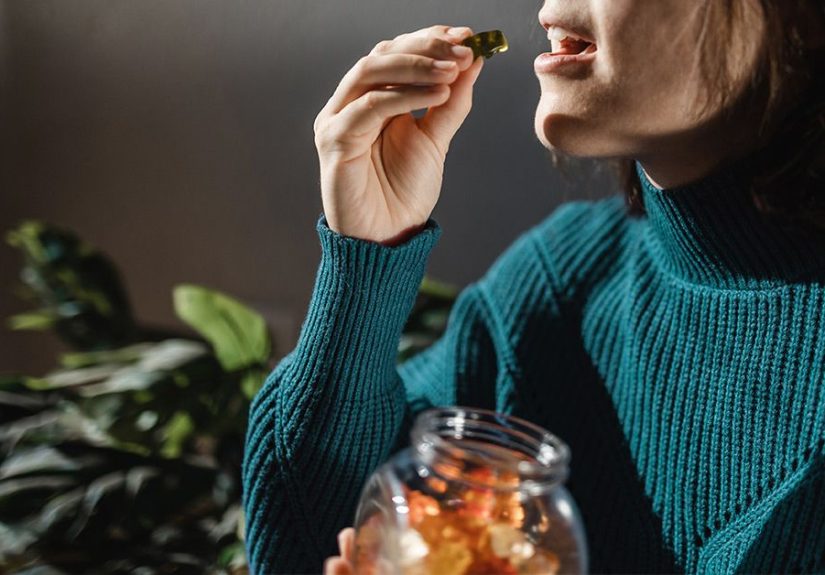
- Oral (gummies/capsules): slower onset, longer lasting; easier for consistent dosing.
- Sublingual tinctures: may kick in faster than gummies; dosing can be adjustable.
- Topicals: popular for localized aches, though it’s unclear how much CBD reaches deeper joints.
Step 3: Start low, go slow, and track everything
Because there’s no standardized CBD dosing for AS, many clinicians suggest a conservative trial: low dose, gradual increases, and careful monitoring. Keep a simple log for 2–4 weeks:
- dose and timing
- pain rating (morning and evening)
- sleep quality
- stiffness duration
- side effects (especially drowsiness and GI changes)
Step 4: Look for third-party testing
Choose brands that provide a Certificate of Analysis (COA) from an independent lab showing CBD/THC content and contaminant testing. If a brand won’t show a COA, treat that as a personality testand the brand failed.
Step 5: Know when to stop
Stop and talk to a clinician if you notice:
- significant fatigue, dizziness, or mood changes
- persistent GI upset
- signs of liver trouble (unusual nausea, dark urine, yellowing skin/eyesseek urgent care)
- worsening symptoms that delay proven AS treatment
What CBD can’t do (and what marketing won’t tell you)
CBD is heavily marketed, and some claims are… let’s call them “optimistic fan fiction.” Here are the realities most worth remembering if you have AS:
- CBD is not a cure for ankylosing spondylitis.
- CBD is not a replacement for disease-controlling medication prescribed by your rheumatologist.
- CBD is not automatically safer because it’s “natural.” Poison ivy is natural too.
- CBD quality varies. What’s on the label may not match what’s in the bottle.
So… can CBD help ankylosing spondylitis?
It can potentially help some people with AS-related symptomsespecially pain perception, sleep disruption, or anxiety that accompanies chronic illness. But the evidence is limited for AS specifically, and CBD should be viewed as an adjunct, not a primary treatment.
The best-case scenario for many users is: CBD becomes one more tool in a broader planalongside movement, physical therapy, sleep support, and appropriate medicationhelping you feel a bit more comfortable and functional. The worst-case scenario is: you spend money on a low-quality product, get side effects, trigger a drug interaction, or delay treatments that actually protect your spine.
If you’re considering CBD, the smartest move is not “try the trend.” It’s: talk to your clinician, pick a quality product, start low, and track results like a scientist who is tired of being in pain.
Experiences with CBD for Ankylosing Spondylitis: what people commonly report (about )
Because direct clinical trials of CBD for ankylosing spondylitis are limited, most “experience” data lives in the real world: patient communities, arthritis organizations’ education efforts, and conversations in rheumatology offices. While individual results vary widely, a few patterns show up again and again.
1) The “sleep-first” experiment
A common starting point is nighttime discomfort. People describe the classic AS loop: pain wakes them up, poor sleep increases next-day pain sensitivity, and the cycle repeats. Many who try CBD aren’t necessarily chasing a dramatic pain drop; they’re hoping for fewer wake-ups or easier return-to-sleep. Some report that low-dose CBD taken in the evening feels “smoothing,” like the body’s volume knob got turned down one notch. Others report no change at allor that CBD made them groggy the next morning, which is not exactly the vibe when you’re already battling fatigue.
2) The “flare-day calmer”
Another theme is using CBD during flare days for stress and tension. AS flares can trigger anxietyespecially if you’ve been through months of feeling okay and then suddenly your SI joints start auditioning for a drumline. Some users report CBD helps them feel less wound up, which indirectly helps pain management: less guarding, less muscle tension, fewer stress spirals. But people also report inconsistency: one product helps, another does nothing, and a third makes them sleepy at the wrong time. That variability often comes down to differences in dose, formulation, and product quality.
3) The “topical test” (aka rubbing hope onto your lower back)
Topicals are popular because they feel low-risk and targeted. People commonly apply CBD balms or creams to the lower back, hips, or shoulders after exercise or physical therapy. Some say it helps with superficial soreness or muscle tightness; others are skeptical because AS pain often feels deep in joints and tendons. A realistic takeaway: topicals may be most helpful when the discomfort includes muscle tension around painful areas, not when inflammation is driving deep joint pain.
4) The “medication reality check”
One of the most important experience patterns is what happens when CBD meets real-life medication lists. People with AS may take NSAIDs, biologics, antidepressants, sleep aids, or other meds for related conditions. Many report that the most helpful step wasn’t finding the “perfect CBD”it was having a pharmacist or clinician review interactions and help them trial CBD carefully. People also frequently report surprise at side effects like GI upset or sleepiness, especially when they assumed CBD was automatically gentle.
5) The “data diary wins” crowd
Among those who feel CBD helped, many describe a structured approach: they start with a clear symptom goal, use one product consistently, track sleep and pain scores, and evaluate after a few weeks. The big lesson from experienced users is refreshingly boring: CBD is most likely to be useful when treated like a cautious experimentnot a miracle.
In short, lived experiences suggest CBD may support comfort, sleep, and stress for some people with AS, but results are inconsistent and depend heavily on safe use, product quality, and not replacing proven AS care.