Table of Contents >> Show >> Hide
- The Short Answer: Yes, Pomegranate Seeds Are Edible
- What Exactly Are You Eating?
- Are Pomegranate Seeds Good for You?
- Do You Have To Spit Out the Seeds?
- Are Pomegranate Seeds Hard To Digest?
- Can People With Diverticulosis or Diverticular Disease Eat Them?
- When Should You Be Careful?
- Is It Better To Eat the Seeds or Drink the Juice?
- How To Eat Pomegranate Seeds
- How To Open a Pomegranate Without Regretting Everything
- So, Can You Eat Pomegranate Seeds Every Day?
- Final Verdict
- Real-World Experiences With Pomegranate Seeds: What People Usually Notice
Pomegranates look like they were designed by nature’s jewelry department. They are shiny, dramatic, a little mysterious, and just messy enough to make you question your life choices while standing over the sink. Which brings us to the big question: Can you eat pomegranate seeds?
Yes, you can. In fact, the juicy red pods inside a pomegranate are the part people are meant to eat. Those little ruby bites are called arils, and each aril contains a seed. Most people eat the whole thing, seed included. The outer peel and the white membrane inside the fruit are the parts you generally skip.
That is the short answer. The longer answer is more useful, because people usually want to know a few things all at once: Are pomegranate seeds actually good for you? Are they hard to digest? Do you have to spit out the crunchy center? And why does opening one feel like a kitchen challenge show with no prize money?
This guide breaks it all down in plain English, with real nutrition facts, practical tips, and a few helpful warnings for certain people.
The Short Answer: Yes, Pomegranate Seeds Are Edible
If you are eating a fresh pomegranate, the edible portion is the cluster of glossy red arils inside the fruit. Each aril has sweet-tart juice around a seed. Some varieties have softer seeds, while others are a bit crunchier, but both are commonly eaten.
That means you do not need to sit there performing tiny fruit surgery to separate the juice from the seed. For most adults, eating pomegranate seeds whole is completely normal. You chew them, swallow them, and move on with your day feeling slightly healthier and possibly a little smug.
What you should not eat in large amounts is the peel, the thick white membrane, or other non-edible parts of the plant. Those are not the snack here. The arils are.
What Exactly Are You Eating?
Arils vs. seeds
People often say “pomegranate seeds” when they are really talking about the entire aril. That is understandable. At a glance, the arils look like seeds. But technically, the aril is the juicy outer part, and the true seed is inside it.
In real life, though, the distinction only matters if you are writing a botany quiz or trying to impress someone at brunch. From an eating perspective, most people eat the whole aril, including the inner seed.
What do they taste like?
Pomegranate arils taste bright, sweet, tart, and refreshing. The seed inside adds a little crunch. If you like foods with texture, pomegranate seeds are fun. If you prefer perfectly smooth fruit, you may love the juice but feel less excited about the chew.
That texture difference is why some people happily eat the seeds and others chew the juice out and spit the harder center into a napkin like they are at a very fancy fruit tasting. Either approach is fine. The seeds are edible, but personal preference still gets a vote.
Are Pomegranate Seeds Good for You?
They are more than just pretty salad confetti. Pomegranate arils contain fiber, natural sugars, vitamins, minerals, and plant compounds called polyphenols. Those polyphenols are one reason pomegranates are often discussed in conversations about antioxidants and overall wellness.
A 100-gram serving of raw pomegranate provides about 83 calories, 19 grams of carbohydrate, 4 grams of fiber, 236 milligrams of potassium, and 10 milligrams of vitamin C. That is a solid nutritional return for a fruit that also makes yogurt look ten times fancier.
Fiber is one of the biggest benefits
If you eat the whole arils, you get fiber. That matters because fiber supports digestive health, helps with fullness, and is generally something many Americans do not get enough of. The FDA Daily Value for fiber is 28 grams per day, so every little boost helps.
This is one reason whole pomegranate arils have an advantage over juice. Juice can still contain beneficial compounds, but when you drink pomegranate juice instead of eating the arils, you lose most or all of the fruit’s fiber.
They may support heart and metabolic health
Pomegranates are often linked to heart health because of their polyphenols and antioxidant activity. Some studies suggest pomegranate juice or extract may help with blood pressure and blood glucose to a small extent, though the evidence is not strong enough to treat pomegranate like a miracle medicine. In other words, pomegranate is a healthy food, not a superhero in a cape.
The smartest way to think about pomegranate seeds is this: they are a nutritious fruit option that fits well into an overall healthy diet. They can support good eating habits, but they do not cancel out a week of drive-thru decisions.
Do You Have To Spit Out the Seeds?
No. Most people chew and swallow the seeds inside the arils. That is the standard way to eat them. The seeds are edible and commonly consumed in fresh fruit, salads, grain bowls, and snack mixes.
That said, you do not have to force yourself to love the texture. If you enjoy the juicy outer part but dislike the crunch, you can spit out the center after chewing. It is less efficient and slightly more dramatic, but still legal in the court of snack behavior.
If your main goal is nutrition, remember that eating the whole aril gives you the most complete package, including fiber.
Are Pomegranate Seeds Hard To Digest?
For most healthy adults, pomegranate seeds are not a problem. They are a high-fiber, plant-based food, and your digestive system usually handles them just fine. Some people may notice the crunchy seed passing through with less fanfare than expected. That is not usually a cause for panic. It is just your body doing normal body things.
However, if you are not used to eating much fiber, a large serving of pomegranate arils could make you feel bloated or extra full. That does not mean the fruit is “bad.” It usually means your stomach was expecting a light snack and got a fiber-rich assignment instead.
If you have a sensitive digestive system, start with a modest portion and see how you feel. Eating more fiber gradually is often easier on your gut than going from zero to “I ate half the fruit while watching one episode.”
Can People With Diverticulosis or Diverticular Disease Eat Them?
This is one of the most common questions about seeds in general. For years, many people were told to avoid nuts, popcorn, and seeds if they had diverticulosis. More recent guidance says that advice is outdated for most people.
Current digestive health guidance says most people with diverticulosis or diverticular disease do not need to avoid seeds. In fact, fiber-rich foods are generally encouraged as part of a healthy diet. So if you have heard that pomegranate seeds are automatically off-limits, that old rule has largely been retired.
Of course, individual situations can vary. If you have an active flare, recent symptoms, or a doctor who has given you a specific eating plan, follow your medical guidance. But as a general rule, pomegranate seeds are not considered the villain they were once made out to be.
When Should You Be Careful?
1. For babies and very young children
Pomegranate seeds can be a choking hazard for babies and small children because of their size, firmness, and slippery texture. Adults usually handle them without a problem, but little kids are a different story. If serving pomegranate to a young child, it needs to be prepared in an age-appropriate way.
2. If you have a pomegranate allergy
It is not common, but allergic reactions to pomegranate have been reported. If you notice itching, swelling, hives, or trouble breathing after eating pomegranate, stop eating it and seek medical care right away.
3. If you take certain medications
Pomegranate products can be a gray area with some medications. General federal guidance notes that medicine-herb interactions are possible, and some transplant programs specifically advise patients to avoid pomegranate because it may affect anti-rejection medication levels. If you take prescription medications, especially transplant drugs or blood thinners, it is wise to ask your healthcare provider before adding a lot of pomegranate juice, extract, or supplements to your routine.
4. If you are relying on supplements instead of food
Whole fruit is one thing. Supplements are another. Pomegranate supplements and extracts are marketed for all kinds of conditions, but the evidence is limited for many of those claims. Eating the fruit is generally the simplest and safest route for most people.
Is It Better To Eat the Seeds or Drink the Juice?
That depends on what you want.
If you want fiber and fullness, eat the arils. If you want convenience and no crunch, juice may be easier. But nutritionally, whole pomegranate arils usually win because you get the fiber along with the naturally occurring vitamins, minerals, and plant compounds.
Juice can still fit into a healthy diet, but it is easier to drink a lot of juice quickly. That means more sugar in less time and less chewing to help with fullness. Fruit that fights back a little is often better at helping you slow down.
How To Eat Pomegranate Seeds
If you are new to pomegranates, here are some easy ways to use them without turning every meal into a complicated health project.
Eat them plain
Scoop out the arils and eat them with a spoon. Simple, fast, and strangely satisfying.
Sprinkle them on breakfast
Pomegranate seeds work well on yogurt, oatmeal, chia pudding, cottage cheese, and smoothie bowls. They add sweetness, tartness, and texture in one move.
Toss them into salads
They pair especially well with leafy greens, cucumbers, nuts, feta, citrus, and vinaigrettes. One handful makes a basic salad look like you suddenly have your life together.
Add them to grain bowls
Try them with quinoa, rice, roasted vegetables, chickpeas, or grilled chicken. Their brightness helps rich or savory ingredients taste fresher.
Use them in desserts
They are great on fruit salad, dark chocolate bark, vanilla ice cream, or baked pears. Think of them as edible confetti with actual nutrients.
How To Open a Pomegranate Without Regretting Everything
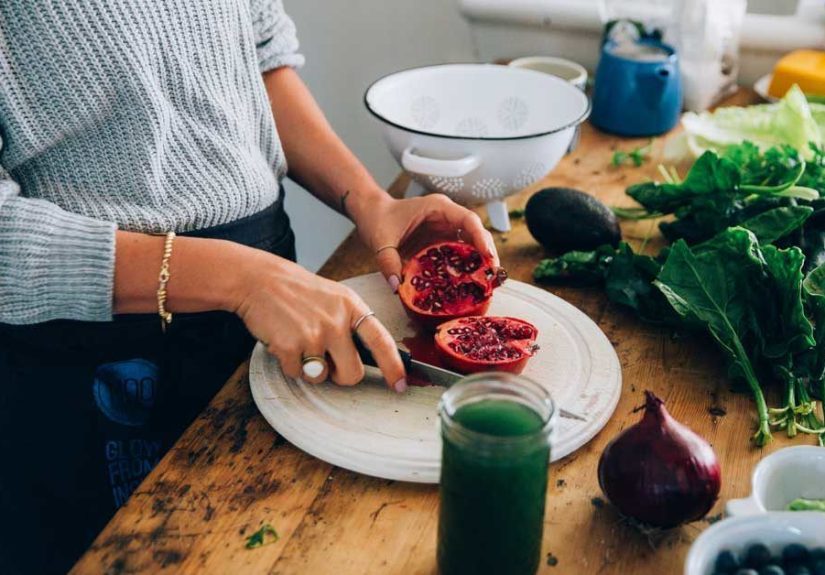
Pomegranates are delicious, but opening one the wrong way can look like a berry-themed crime scene. The easiest method is to cut the fruit open, separate it into sections, and loosen the arils over a bowl. Some people like to do this in water so the arils sink and the pale membrane floats, making cleanup easier.
When buying a pomegranate, choose one that feels heavy for its size. A heavy fruit usually means juicy arils. Whole pomegranates can keep in the refrigerator for quite a while, and pre-removed arils should be kept cold and eaten sooner.
So, Can You Eat Pomegranate Seeds Every Day?
For most healthy adults, yes, you can eat pomegranate seeds regularly as part of a balanced diet. There is nothing inherently unsafe about eating them daily. Portion size still matters, as it does with any food, but pomegranate arils can absolutely be part of your normal fruit rotation.
If you enjoy them, there is no need to save them for holidays, fancy brunches, or the one winter salad that tries very hard to be memorable.
Final Verdict
Yes, you can eat pomegranate seeds. In fact, that is exactly how the fruit is commonly eaten. The juicy red arils are edible, the inner seeds are edible, and most people eat the whole thing. You do not need to remove the seed unless you dislike the texture.
Pomegranate seeds offer fiber, potassium, vitamin C, and antioxidant-rich plant compounds. They can fit into a healthy eating pattern and are especially useful if you want fruit with more texture and fiber than juice alone. Just be mindful if you are serving them to very young children, managing certain digestive issues, or taking medications that may interact with pomegranate products.
So the next time someone asks, “Can you eat pomegranate seeds?” you can answer confidently: Yes, and they are one of the best parts.
Real-World Experiences With Pomegranate Seeds: What People Usually Notice
The first real-life experience most people have with pomegranate seeds is not a flavor experience. It is a preparation experience. Specifically, it is the moment they cut into the fruit and realize this is not a grab-and-go banana situation. A pomegranate asks for commitment. It asks for a bowl, a cutting board, a little patience, and maybe a dark shirt if you do not trust yourself around red juice.
Once people actually taste the arils, the reaction is usually one of two things. The first is delight: the sweet-tart pop, the freshness, the bright juice, the little crunch. The second is mild surprise: “Oh, there is more texture here than I expected.” That second reaction is common, especially for people who thought pomegranate seeds would be soft all the way through like blueberries. They are not. They are juicy on the outside and firmer in the center, which is exactly why some people become devoted fans and others decide they prefer pomegranate in smaller amounts.
Another common experience is realizing that pomegranate seeds make ordinary foods more interesting. A basic bowl of yogurt suddenly tastes brighter. Oatmeal gets a tart little contrast. A salad goes from “responsible lunch” to “actually kind of exciting.” People who do not love overly sweet fruit often enjoy pomegranate because it feels refreshing instead of syrupy. It has attitude. It wakes up bland food without needing much help.
There is also the portion-size lesson. Many people assume that because pomegranate is fruit, they can eat a huge amount without noticing much. Then they discover that the fiber and crunch make it surprisingly filling. A moderate serving usually feels satisfying. A giant serving, especially if you are not used to high-fiber foods, can feel like a lot. Not dangerous. Just… memorable. This is why pomegranate often works best as part of a meal or snack rather than as a mindless handful-by-handful habit while scrolling.
People who are skeptical about seeds often change their minds after trying fresh arils in the right context. Mixed into a salad with feta and cucumbers, the crunch feels intentional. Added to a grain bowl, it feels balanced. Frozen and stirred into yogurt, it feels like a refreshing treat. Context matters. Pomegranate seeds eaten alone are good. Pomegranate seeds added to the right food can feel excellent.
Finally, there is the experience of becoming weirdly loyal to them once you learn how to use them. Many people go from “What even am I supposed to do with this fruit?” to “Why do I not buy these more often?” That is usually the turning point. Once the mystery is gone, pomegranate seeds stop feeling fancy and start feeling practical. They become one of those ingredients that add color, flavor, texture, and nutrition all at once.
In other words, the real-world experience of eating pomegranate seeds is usually this: a tiny learning curve, a little mess, a lot of flavor, and a surprisingly high chance that you will start putting them on everything when they are in season.