Table of Contents >> Show >> Hide
- First: What Counts as Constipation (and What Doesn’t)?
- So… Can Constipation Cause Back Pain?
- Why Constipation Can Make Your Back Hurt
- How To Know If Your Back Pain Is From Constipation
- Red Flags: When Back Pain + Constipation Means “Call a Clinician Now”
- Common Causes That Link Constipation and Back Pain
- Relief: What to Do If Constipation Is Causing Your Back Pain
- How Clinicians Figure Out What’s Going On
- Prevention: How to Avoid the “Back Pain + Constipation” Combo Pack
- Conclusion
- Experiences: What Constipation-Related Back Pain Feels Like in Real Life (500+ Words)
If your lower back is aching and your bathroom schedule looks like it’s running on “holiday hours,” you’re not imagining things.
Constipation can absolutely make your back hurt. Not always. Not forever. But yesyour colon can be a surprisingly loud roommate, and sometimes it complains
through your lower back.
The tricky part is figuring out whether your back pain is actually constipation-relatedor if two separate problems just decided to show up at the same time
like uninvited party guests. Let’s break it down in a way that’s medically solid, easy to scan, and only mildly judgmental about your fiber intake.
First: What Counts as Constipation (and What Doesn’t)?
“Normal” bowel habits vary wildly. Some people go three times a day. Others go three times a week and feel perfectly fine. Constipation isn’t just about
frequencyit’s also about difficulty.
Common signs of constipation
- Fewer than about three bowel movements per week for you (or a clear change from your usual pattern)
- Hard, dry, or lumpy stools
- Straining like you’re trying to win an Olympic medal
- Feeling “not empty” after you go
- Bloating, pressure, or a heavy feeling in the abdomen
If you’re checking several of those boxes and your back has joined the complaint department, you’ve got a realistic connection worth exploring.
So… Can Constipation Cause Back Pain?
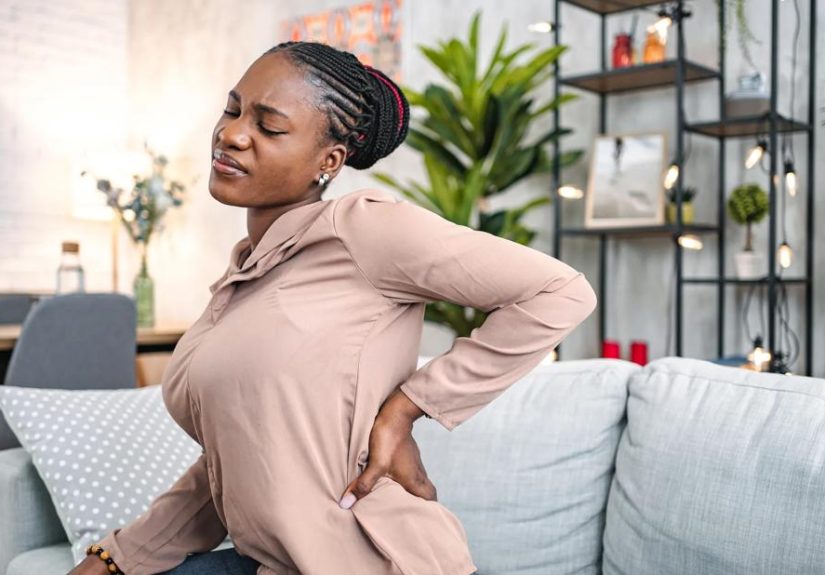
Yes. Most often it causes a dull, achy discomfortusually in the lower backand it tends to show up alongside
bloating, cramping, and the general sense that your insides are hosting a traffic jam.
But here’s an important nuance: constipation is not one single thing. It can be mild and temporary, or it can be severe enough to cause
fecal impaction (a hard mass of stool that won’t pass). The more backed up you are, the more likely you are to feel
pressure-related pain that can radiate or “refer” to the back.
Why Constipation Can Make Your Back Hurt
1) Pressure: Your colon is full, and your body is unimpressed
When stool sits in the colon too long, the colon stretches and distends. That can create a “fullness” pressure that your body sometimes interprets as
discomfort in nearby areasespecially the lower abdomen and lower back.
2) Referred pain: Your nerves play telephone
Not all pain is felt exactly where it starts. Your abdomen, pelvis, and lower back share nerve pathways, so irritation in one place may be felt in another.
This is one reason some people describe back pain when the real drama is happening in the gut.
3) Straining: Your back muscles get recruited into a very weird job
Straining during bowel movements can tighten your pelvic floor and lower back muscles. If you’ve ever stood up afterward and thought,
“Wow, my spine has opinions,” that can be simple muscle strainnot a mysterious, rare disease.
4) Gas and bloating: The bonus feature nobody asked for
Constipation often comes with trapped gas and bloating, which can increase abdominal pressure. That can intensify discomfort and make your back feel sore,
especially if you’re also sitting a lot (hello, desk life).
5) Fecal impaction: The “this is not fine” version of constipation
Fecal impaction is a severe complication where stool becomes hard and stuck. This can cause significant abdominal discomfort and sometimes
lower back pain, plus symptoms like bloating, nausea, overflow diarrhea (watery stool slipping around the blockage), and fatigue.
This situation can require urgent medical treatment.
How To Know If Your Back Pain Is From Constipation
Think of this as your “gut vs. back” detective checklist. No magnifying glass requiredjust honesty and maybe a glass of water.
Clues that constipation is the likely culprit
- Timing matches: Back pain shows up after a few days of constipation or worsens as you get more backed up.
- Pressure feeling: Pain feels dull, heavy, or “full” rather than sharp or electric.
- Bloating/cramping: You also feel gassy, distended, or crampy.
- Relief after a bowel movement: Symptoms ease after you finally pass stool (even partially).
- No injury trigger: You didn’t lift a couch, fall, or twist awkwardly right before the pain started.
Clues your back pain may NOT be constipation-related
- Shooting pain down a leg with numbness/tingling (more suggestive of nerve irritation like sciatica)
- Pain clearly linked to movement (bending, twisting, lifting) without GI symptoms
- Fever, chills, or feeling ill along with severe pain
- New bladder problems (trouble peeing, urinary retention, loss of control)
- Unexplained weight loss, persistent symptoms, or blood in stool
Quick self-check: If you treat the constipation for 24–72 hours (safely) and the back pain doesn’t budgeor gets worsedon’t keep
blaming your colon out of habit. It may be a separate issue.
Red Flags: When Back Pain + Constipation Means “Call a Clinician Now”
Most constipation is uncomfortable, not dangerous. But some symptom combos deserve prompt medical attentionespecially because constipation can be a sign of
something else (or severe constipation can cause complications).
Seek urgent care if constipation comes with:
- Severe or constant abdominal pain
- Vomiting or inability to keep fluids down
- Fever
- Inability to pass gas (especially with worsening bloating)
- Blood in stool or rectal bleeding
- Unexplained weight loss
- Significant lower back pain with constipation, especially if it’s new or worsening
- Confusion, dizziness, or signs of dehydration
Emergency warning signs (don’t wait)
- Loss of bowel or bladder control
- Numbness in the groin/saddle area
- Severe weakness in the legs
Those emergency symptoms can indicate serious nerve compression (not “just constipation”), and they deserve immediate evaluation.
Common Causes That Link Constipation and Back Pain
1) Diet changes and low fiber intake
Travel, stress, schedule changes, and “I’ll eat a vegetable tomorrow” can slow things down. Low fiber makes stools harder and harder to pass,
which can increase straining and pressure discomfort.
2) Not drinking enough fluids
Your colon absorbs water. If you’re dehydrated, more water gets pulled out of stoolmaking it dry, hard, and stubborn. If you increase fiber but don’t
increase fluids, constipation can actually get worse (a betrayal, but a predictable one).
3) Medications
Many common meds can cause constipation, including opioid pain medications, certain antidepressants, iron supplements, and some allergy/cold medicines.
Here’s the plot twist: people often take pain meds because they have back painso constipation and back pain can show up together for that reason alone.
4) IBS-C (irritable bowel syndrome with constipation)
IBS-C can involve abdominal pain, bloating, constipation, and sometimes discomfort that feels like it reaches the backoften through nerve signaling and
muscle tension. If pain is a consistent feature of your bowel symptoms, it’s worth discussing IBS with a clinician.
5) Pelvic floor dysfunction
Sometimes constipation isn’t about stool being “too dry”it’s about coordination. If the pelvic floor muscles don’t relax properly, stools are harder to pass,
straining increases, and both pelvic and low back discomfort can show up.
Relief: What to Do If Constipation Is Causing Your Back Pain
If you suspect constipation-related back pain, focus on gentle, evidence-based steps. Your goal is not to “win the bathroom.”
Your goal is to restore normal bowel function without creating a new problem (like explosive diarrhea right before a meeting).
Step 1: Hydrate like it’s your job (within reason)
Drink water throughout the day. Warm liquids in the morning can help some people. If you’re increasing fiber, hydration becomes even more important.
Step 2: Add fiber gradually (slow and steady wins the colon)
Aim for a fiber-friendly diet: fruits, vegetables, beans, oats, and whole grains. If you use a fiber supplement (like psyllium),
increase slowly over several days to reduce gas and bloating.
Step 3: Move your body
Physical activity helps stimulate gut motility. Even a brisk walk after meals can be surprisingly effective. Bonus: it also helps many types of back pain.
Step 4: Train your timing (yes, your colon likes routines)
Try going at the same time dailyoften after breakfast when the gastrocolic reflex is active. And when you feel the urge, don’t ignore it.
Your colon keeps receipts.
Step 5: Consider OTC options (smartly)
For occasional constipation, many clinicians suggest starting with lifestyle changes and then adding over-the-counter help if needed.
A common next step is an osmotic laxative (like polyethylene glycol/PEG), which draws water into the stool.
Some guidelines also support certain stimulant laxatives (like senna) and magnesium oxide for chronic constipation managementtypically with clinician guidance,
especially if you’re using them regularly.
Step 6: Gentle back comfort while you treat the gut
- Heat pack on the lower back or abdomen
- Light stretching (avoid aggressive twisting if you’re crampy)
- Comfortable positions: side-lying with knees slightly bent can reduce abdominal pressure
- Don’t “brace” all daytension can make back discomfort worse
Please don’t do this: Don’t take multiple laxatives at once, don’t use high doses “just to be sure,” and don’t ignore worsening pain.
If you suspect fecal impaction or you’re having red-flag symptoms, seek medical care.
How Clinicians Figure Out What’s Going On
If your symptoms persistor if you have red flagsa clinician may ask about your stool pattern, diet, medications, and how long this has been going on.
They may do an abdominal exam, and sometimes a rectal exam (not anyone’s favorite, but it can quickly identify impaction).
Tests you might hear about (depending on your situation)
- Basic bloodwork if there are systemic symptoms
- Stool testing if bleeding or other concerns exist
- Imaging if obstruction or other abdominal pathology is suspected
- Colonoscopy for specific “alarm” features (especially based on age, bleeding, weight loss, anemia, or family history)
The goal is to rule out serious causes while treating the constipation effectivelyespecially if it’s chronic or keeps recurring.
Prevention: How to Avoid the “Back Pain + Constipation” Combo Pack
- Fiber + fluids, consistently: not just on Monday when your motivation is feeling optimistic.
- Routine movement: walking, stretching, or strength training helps bowel motility and supports your back.
- Bathroom posture: a footstool can help some people by improving the anorectal angle (yes, geometry is involved).
- Review medications: if you’re on constipating meds, ask about prevention strategies early.
- Don’t ignore urges: chronic delay can train your body to be less responsive.
Conclusion
Constipation can cause back painmost commonly a dull, lower-back ache that shows up with bloating, pressure, and straining.
The key is pattern recognition: if back pain tracks with constipation and eases when bowel function improves, your gut may be the real instigator.
But if you have red flags (fever, vomiting, blood in stool, inability to pass gas, unexplained weight loss, severe or new/worsening pain, or neurologic symptoms),
treat it as a medical priority. Your back might be complaining, but sometimes it’s the body’s way of saying, “Please don’t troubleshoot this alone.”
Experiences: What Constipation-Related Back Pain Feels Like in Real Life (500+ Words)
People often expect constipation to feel like… well, a bathroom problem. But constipation can be a whole-body experiencelike your digestive system invited
your musculoskeletal system to a group project and nobody agreed on the rubric.
The “Desk Worker With a Deadline” Experience
A very common story goes like this: you’re sitting for long stretches, living on coffee, stress, and whatever snack fits between Zoom calls.
You ignore the urge to go because “I’ll go after this email,” and then the urge disappears. Two days later, your belly feels tight and puffy,
your jeans feel like a personal attack, and your lower back starts aching in a vague, heavy wayalmost like you slept on a bad mattress.
The back pain isn’t dramatic. It’s more like a constant reminder that your body is quietly disappointed.
Thenoften after hydration, a walk, and finally a successful bowel movementthe back discomfort eases like someone turned down the volume.
That “pressure-off” feeling is a classic clue.
The “Road Trip / Travel Constipation” Experience
Travel constipation is practically a genre. New food, less water, sitting for hours, and the deeply human belief that gas station bathrooms are haunted.
People describe a crampy belly, bloating, and a sore lower back that shows up late in the dayespecially after being seated.
Sometimes the back ache feels like it’s coming from the hips or the tailbone area. That’s partly because prolonged sitting tightens the hip flexors and lower
back muscles, while the gut is also distended and uncomfortable. It’s the perfect storm: posture strain plus internal pressure.
When travel constipation resolves, people often notice two improvements: the belly deflates (thank you, physics) and the back feels less “compressed.”
It’s not magicjust less pressure, less straining, and less muscle guarding.
The “Fiber Overachiever” Experience
Another surprisingly common experience: someone decides to fix constipation by eating “all the fiber,” immediately.
Think giant salads, protein bars with added fiber, and a psyllium supplement… with minimal water.
The result can be bloating that makes your abdomen feel like a balloon animal, plus discomfort that radiates into the lower back.
People describe a tight, stretched sensation, like their core is bracing all day. That bracing can irritate the lower back muscles,
especially if you’re already prone to back stiffness.
The fix here is usually not “quit fiber forever.” It’s “go slower, drink more, and choose soluble fiber options that are gentler while your body adjusts.”
Fiber is helpfulbut it’s not supposed to feel like a punishment.
The “I Took Pain Meds for My Back… Now I’m Constipated” Experience
This one is a plot twist worthy of a sitcom: back pain leads to pain medication; pain medication leads to constipation; constipation leads to more back pain.
Opioids are especially known for slowing gut motility. People often report that their back pain changes character:
it becomes a broader ache, paired with bloating, reduced appetite, and that “I feel heavy inside” sensation.
In these cases, prevention matters. Clinicians often recommend addressing constipation earlyhydration, movement, fiber (as tolerated),
and sometimes medication strategiesso you don’t end up stuck in a loop where your back pain and constipation keep high-fiving each other.
Bottom line from these experiences: constipation-related back pain tends to feel like pressure, fullness, and muscle tension rather than sharp, pinpoint injury pain.
And it often improves when bowel function improves. If the story doesn’t fit that patternor the symptoms feel severeget checked. Your body deserves
better than guesswork.