Table of Contents >> Show >> Hide
- What Is Bursitis?
- Bursitis Symptoms: What It Feels Like (and Looks Like)
- Types of Bursitis (By Location and By Cause)
- What Causes Bursitis? Common Triggers and Risk Factors
- How Doctors Diagnose Bursitis
- Bursitis Treatment: What Actually Helps
- How Long Does Bursitis Last? Recovery and Return to Activity
- Prevention: Keeping Your Bursa From Going Full Drama Mode
- Bursitis vs. Tendinitis vs. Arthritis: Why It Can Get Confusing
- Frequently Asked Questions
- Real-World Experiences (500+ Words): What People Commonly Notice, Try, and Learn
- 1) “My elbow turned into a stress ball” (olecranon bursitis)
- 2) “Kneeling was fine… until it wasn’t” (prepatellar knee bursitis)
- 3) “My hip hurts when I climb stairs and when I sleep” (outer-hip bursitis patterns)
- 4) “I thought it was bursitis… until the fever showed up” (septic bursitis red flags)
- 5) The “I finally got better when I stopped restarting the injury” moment
- Conclusion
Your body has tiny, fluid-filled “cushions” called bursaethink of them as nature’s bubble wrap for places where
bones, tendons, and muscles like to rub shoulders (sometimes literally). When one of those sacs gets irritated or inflamed,
you get bursitis. And suddenly a normal activitylike climbing stairs, leaning on an elbow, or kneeling to garden
can feel like your joint is filing a complaint with HR.
This guide breaks down bursitis symptoms, the most common types (by location and cause),
how it’s diagnosed, what treatments actually help, and when you should stop Googling and
get checked out.
What Is Bursitis?
A bursa is a small sac filled with lubricating fluid. Its job is to reduce friction where tissues move over bone
like near your shoulders, elbows, hips, knees, heels, and parts of the foot. When a bursa gets inflamed, it can swell and become
tender, leading to pain that’s often worse with movement or pressure.
Bursitis can be acute (sudden and short-lived) or chronic (recurring or lingering). It can also be
non-infectious (most common) or septic (infected), which is more urgent.
Bursitis Symptoms: What It Feels Like (and Looks Like)
The “classic” symptoms
- Pain or tenderness near a jointoften sharp with pressure, achy with movement
- Swelling (more noticeable in superficial bursae like the elbow or knee)
- Warmth and sometimes redness over the area
- Stiffness or reduced range of motion because moving hurts
- Pain that flares with repetitive motion (e.g., climbing stairs, reaching overhead, kneeling)
Symptoms that suggest infection (don’t ignore these)
If a bursa becomes infected (septic bursitis), symptoms may escalate beyond typical inflammation.
Seek medical care quickly if you notice:
- Fever or chills
- Skin that becomes very red, hot, and increasingly painful
- Rapidly worsening swelling
- Drainage or fluid leaking from the area
- You have diabetes, immune suppression, or a skin wound near the swelling
How bursitis pain differs from “regular soreness”
Typical muscle soreness shows up after activity and improves steadily. Bursitis often behaves more like a stubborn alarm:
it flares when you press on the spot or repeat the motion that irritated it, then keeps nagging even when you’re trying to be good.
It can also wake you up if you roll onto the affected sideespecially with hip bursitis.
Types of Bursitis (By Location and By Cause)
“Bursitis” is a big umbrella word. Where you feel itand what triggered itmatters for treatment and recovery.
Here are the most common types.
Shoulder bursitis (subacromial/subdeltoid bursitis)
Often tied to overhead use and can overlap with rotator cuff irritation. People describe pain when reaching up,
putting on a jacket, or sleeping on that side. The shoulder may feel “pinchy,” especially with lifting the arm.
Elbow bursitis (olecranon bursitis)
This one loves attention because it can produce a visible “goose egg” at the tip of the elbow. It’s commonly triggered by
prolonged pressure (leaning on a desk), a bump, or repetitive irritation. Because the bursa is close to the skin, it’s also
more vulnerable to infection.
Hip bursitis (trochanteric bursitis / greater trochanteric pain)
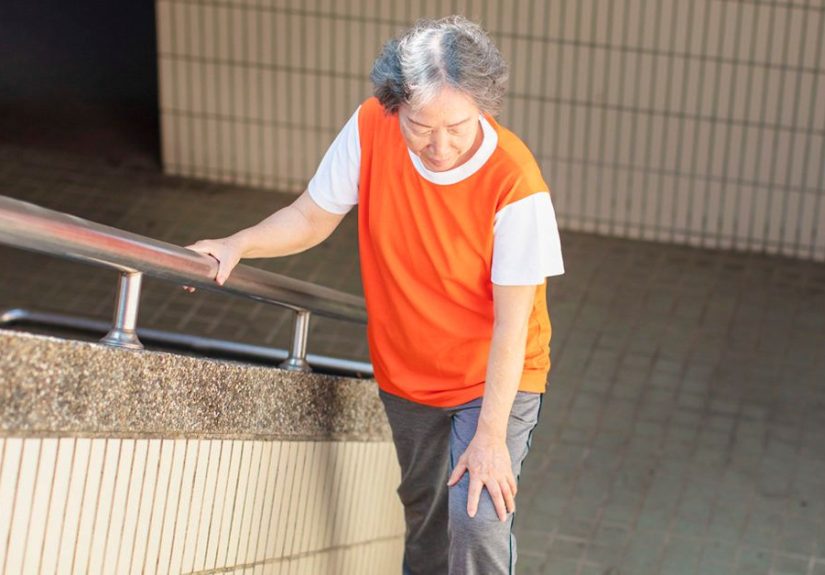
Pain is typically on the outside of the hip and can spread down the outer thigh. It often worsens when climbing stairs,
standing for long periods, running, or lying on the affected side. Many clinics now talk about
greater trochanteric pain syndrome because tendons and nearby tissues can be involved tooso treatment often focuses
on strength and mechanics, not just “calming the bursa.”
Knee bursitis (prepatellar, infrapatellar, pes anserine, and more)
The knee has several bursae. Two common patterns:
- Prepatellar bursitis: swelling in front of the kneecap, often from frequent kneeling (“housemaid’s knee”).
- Pes anserine bursitis: pain on the inner side of the knee below the joint line, sometimes linked to overuse or biomechanics.
Heel and foot bursitis
You can get bursitis near the heel or the base of the big toe. In the heel, it may be aggravated by footwear that rubs,
certain sports, or changes in training volume.
Septic vs. non-septic bursitis
Most bursitis is non-septic (irritation/overuse). Septic bursitis is less common but important:
bacteria can infect a superficial bursa (often elbow or knee). It usually requires medical evaluation, sometimes aspiration
(drawing fluid out), and antibiotics.
What Causes Bursitis? Common Triggers and Risk Factors
Bursitis often starts with a simple theme: too much friction, too much pressure, or one unlucky bump.
Common causes include:
- Repetitive motion: lifting, throwing, running, cycling, or frequent overhead work
- Prolonged pressure: kneeling, leaning on elbows, resting hips on hard surfaces
- Direct trauma: a fall or impact that irritates the bursa
- Underlying joint issues: arthritis, tendon problems, or structural mechanics that increase rubbing
- Inflammatory conditions: gout or rheumatoid arthritis can inflame bursae
- Infection: usually after a skin break near a superficial bursa (elbow/knee)
Risk can be higher with conditions like diabetes or medications that suppress the immune system. And yes, sometimes bursitis appears
after you decide to “get back into shape” by doing all the things at once. Your tissues prefer a slower onboarding process.
How Doctors Diagnose Bursitis
Bursitis is often diagnosed with a combination of history and physical examwhere the pain is, what motions trigger it,
whether there’s swelling, warmth, or tenderness.
Imaging tests (when needed)
- X-ray: doesn’t show bursae well, but can help rule out fracture or bone issues.
- Ultrasound: can visualize fluid and swelling in soft tissue.
- MRI: may be used if symptoms persist, diagnosis is unclear, or deeper structures need evaluation.
Aspiration (drawing fluid from the bursa)
If infection is suspected, a clinician may remove some fluid with a needle to test for bacteria and inflammation.
This helps distinguish septic bursitis from non-infectious causes. (Translation: it helps decide if you need antibiotics,
drainage, or different treatment.)
Bursitis Treatment: What Actually Helps
The good news: many cases improve with conservative care. The not-so-fun news: “conservative care” mostly means
“stop doing the exact thing that made it angry,” which is rarely anyone’s favorite hobby.
Home care and first-line strategies
- Rest and activity modification: reduce the motion/pressure that triggers pain.
- Ice: helpful for pain and swelling in the early phase (10–20 minutes at a time, with a barrier on the skin).
- Protection/padding: knee pads for kneeling, elbow padding, cushioning in shoes, avoiding hard surfaces.
- Gentle movement: keep the joint from getting stiff, but avoid “pushing through” sharp pain.
Medications (smart and safe use)
Over-the-counter anti-inflammatory medicines (like ibuprofen or naproxen) may help with pain and inflammation
if they’re safe for you. Follow the label, avoid doubling up, and check with a clinician or guardian if you have
stomach, kidney, bleeding issues, or take other medications.
Physical therapy and targeted exercise
Physical therapy is often one of the highest-value treatmentsespecially for hip and shoulder issuesbecause it addresses
the “why” behind the irritation (strength, flexibility, movement patterns). A therapist may work on:
- Improving range of motion without aggravating the bursa
- Strengthening key stabilizers (like hip abductors for outer-hip pain)
- Stretching tight tissues (like the IT band region)
- Adjusting gait, posture, workstation ergonomics, or sports mechanics
Aspiration and corticosteroid injections
In some casesespecially persistent symptomsclinicians may aspirate fluid to reduce swelling or to test for infection.
A corticosteroid injection may be considered for chronic or stubborn bursitis after conservative care.
Injections can reduce inflammation and pain for some people, but they aren’t a magic spell and aren’t right for everyone.
Important: if septic bursitis is suspected, steroid injection is generally avoided until infection is ruled out.
Antibiotics (for septic bursitis)
If testing and exam suggest infection, treatment typically includes antibiotics and sometimes repeated drainage.
Septic bursitis is a “don’t wait it out” situation.
Surgery (rare)
Surgery to remove the bursa is uncommon and usually reserved for cases that don’t improve after months of appropriate treatment
or for complicated recurrent infections.
How Long Does Bursitis Last? Recovery and Return to Activity
Many non-infectious cases improve over a few weeks with good care, but timelines vary depending on the location, trigger, and how well
you can reduce pressure on the area. Recurrence is possibleespecially if you return to the same repetitive motion or pressure too quickly.
A helpful rule: pain is information, not a personal insult. If symptoms spike after activity, that’s feedback to adjust
intensity, form, or duration. A gradual returnsometimes with physical therapy guidanceusually beats the “all or nothing” approach.
Prevention: Keeping Your Bursa From Going Full Drama Mode
- Use padding for kneeling or leaning (your joints are not office furniture).
- Change positions oftenmicro-breaks help a lot.
- Increase activity gradually when starting a new sport or exercise routine.
- Strength and mobility work to reduce stress on joints and tendons.
- Address footwear and training surfaces if foot/heel bursitis is involved.
- Manage underlying conditions like gout or inflammatory arthritis with medical guidance.
Bursitis vs. Tendinitis vs. Arthritis: Why It Can Get Confusing
Bursitis is inflammation of a bursa. Tendinitis (or tendinopathy) involves a tendon. Arthritis involves
the joint itself. Unfortunately, these structures live in the same neighborhood and can irritate each other.
Example: outer hip pain may be labeled “trochanteric bursitis,” but tendon irritation around the hip can be part of the picture too.
That’s one reason rehab and biomechanics matter so muchtreating the area often works better than obsessing over the exact label.
Frequently Asked Questions
Can bursitis go away on its own?
Many cases improve with rest, ice, and avoiding the trigger. But if symptoms persist, keep returning, or limit normal function,
an evaluation can help rule out infection and guide treatment.
Is it okay to work out with bursitis?
Often yeswith modification. Avoid movements that reproduce sharp pain and focus on low-impact options and rehab exercises.
If you’re unsure, a clinician or physical therapist can help you stay active safely.
When should I see a doctor?
- Fever, spreading redness, or a hot, very painful swollen area
- Rapid swelling or drainage
- Severe pain, numbness, or inability to move the joint normally
- Symptoms lasting more than 1–2 weeks despite smart home care
Real-World Experiences (500+ Words): What People Commonly Notice, Try, and Learn
Below are composite, real-life-style experiences that reflect common patterns clinicians hear from patients.
They’re not medical adviceand they’re not about any one specific personbut they may help you recognize what bursitis often looks like
in the messy reality of day-to-day life.
1) “My elbow turned into a stress ball” (olecranon bursitis)
A lot of people first notice elbow bursitis because it’s visible. One day you lean on your desk during homework, gaming, or scrolling,
and later you spot a squishy lump at the tip of your elbow. It might not even hurt much at firstuntil you bump it on a doorway and suddenly
you understand why the elbow bursa exists.
The most common “aha” moment: realizing the elbow is basically a pressure point. People often improve when they stop leaning on hard surfaces,
add padding, and give it time. The biggest mistake is poking it constantly “to see if it’s still there.” (It is. It knows you’re watching.)
2) “Kneeling was fine… until it wasn’t” (prepatellar knee bursitis)
Knee bursitis stories often start with a practical task: cleaning floors, gardening, tile work, or sports drills. Then the front of the knee
becomes puffy and tender, sometimes with warmth. People are frequently surprised that the swelling can look dramatic compared to the level of pain.
What helps in these stories is usually simple but annoying: stopping the kneeling, using knee pads, and making a temporary plan
(stool, cushion, alternate positions). What doesn’t help: “powering through” while the knee is swollen, which can keep the cycle going.
3) “My hip hurts when I climb stairs and when I sleep” (outer-hip bursitis patterns)
Outer-hip pain is one of the most frustrating patterns because it affects both movement and rest. People often report pain when climbing stairs,
getting out of a car, running, or simply lying on the affected side. Many try stretching aggressively at firstsometimes making symptoms worsebecause
it feels like a tightness problem.
A common turning point is switching from “stretch everything forever” to a plan that includes strength (especially the hip muscles),
smart load management, and sleep positioning tricks (like placing a pillow between the knees or avoiding pressure on the sore side).
When rehab becomes consistent, many notice fewer flare-ups and better tolerance for walking and stairs.
4) “I thought it was bursitis… until the fever showed up” (septic bursitis red flags)
Less commonbut importantare stories where swelling becomes hot, intensely painful, and paired with fever or worsening redness.
People sometimes try to wait it out, assuming it’s the same kind of inflammation they’ve had before. In these cases, medical care matters quickly.
Evaluation may include drawing fluid from the bursa and starting antibiotics if infection is confirmed or strongly suspected.
The lesson many share afterward: bursitis isn’t always “just inflammation.” If the area is hot, red, rapidly worsening, or you feel sick overall,
that’s a different laneone where early treatment can prevent bigger complications.
5) The “I finally got better when I stopped restarting the injury” moment
A theme across nearly all bursitis experiences is the stop-start cycle: feel better → do the trigger activity at full intensity → flare again.
People do best when they treat recovery like a gradual ramp, not a light switch. That may mean returning to sport with shorter sessions,
changing technique, taking micro-breaks, or using protective gear for a while. It’s not glamorous, but it works.