Table of Contents >> Show >> Hide
- Why This Pork Shoulder Recipe Works So Well
- Ingredients for Brown Sugar and Marmalade Glazed Pork Shoulder
- How to Make Brown Sugar and Marmalade Glazed Pork Shoulder
- Best Tips for a Perfect Glazed Pork Shoulder
- What to Serve with Marmalade Glazed Pork Shoulder
- Storage, Leftovers, and Reheating
- Common Mistakes to Avoid
- Final Thoughts
- Real-Life Kitchen Experiences with Brown Sugar and Marmalade Glazed Pork Shoulder
- SEO Tags
Some recipes whisper. This one strolls into the kitchen wearing shiny shoes and announcing dinner like it owns the place. A brown sugar and marmalade glazed pork shoulder recipe is exactly that kind of meal: bold, sticky, fragrant, and gloriously dramatic in the best possible way. It takes an affordable cut of pork, gives it the slow-roasted treatment it deserves, and finishes it with a glossy glaze that tastes like sweet citrus, savory spice, and holiday cheer got together and decided to be useful.
If you have ever wanted a roast that feels special without acting fussy, this is your recipe. Pork shoulder is rich, forgiving, and deeply flavorful. Brown sugar brings caramel notes, marmalade adds brightness and a little bitterness from the peel, and a touch of mustard and vinegar keeps the whole thing from drifting into dessert territory. In other words, this roast has balance. It is sweet, but not “candied ham at a theme park” sweet.
This oven-roasted pork shoulder is perfect for Sunday dinner, holiday gatherings, cold-weather entertaining, or anytime you want your house to smell like a professional cook moved in and started making better choices than the rest of us.
Why This Pork Shoulder Recipe Works So Well
The magic starts with the cut. Pork shoulder, whether labeled Boston butt or picnic shoulder, contains enough fat and connective tissue to become meltingly tender when cooked low and slow. That long roast gives the meat time to relax, soften, and soak up flavor without drying out. It is the culinary equivalent of a long weekend.
The glaze is where the personality shows up. Brown sugar melts into the marmalade, creating a sticky coating that clings to the roast. Dijon mustard adds tang, garlic and black pepper deepen the savory side, and a splash of apple cider vinegar keeps everything lively. The result is a roast with a deep mahogany finish and a flavor that lands somewhere between festive centerpiece and comfort-food power move.
Another reason this recipe succeeds is timing. The pork roasts first, then the glaze goes on near the end. That matters because sugar burns faster than your patience during holiday grocery shopping. Applying the glaze later gives you color, shine, and caramelization without turning your roast into a cautionary tale.
Ingredients for Brown Sugar and Marmalade Glazed Pork Shoulder
For the Pork Shoulder
- 1 bone-in pork shoulder, 4 to 5 pounds
- 2 teaspoons kosher salt, plus more to taste
- 1 teaspoon black pepper
- 1 teaspoon smoked paprika
- 1 teaspoon garlic powder
- 1 teaspoon onion powder
- 1 tablespoon chopped fresh rosemary or thyme
- 1 tablespoon olive oil
- 1 large onion, sliced
- 1 cup chicken stock or apple cider
For the Brown Sugar and Marmalade Glaze
- 3/4 cup orange marmalade
- 1/3 cup packed light brown sugar
- 2 tablespoons Dijon mustard
- 1 tablespoon apple cider vinegar
- 1 tablespoon Worcestershire sauce
- 2 garlic cloves, finely grated
- 1/2 teaspoon crushed red pepper flakes, optional
- 1 tablespoon pan juices, optional, for extra richness
How to Make Brown Sugar and Marmalade Glazed Pork Shoulder
1. Season the Pork Like You Mean It
Pat the pork shoulder dry with paper towels. If there is a thick fat cap, trim it slightly, but do not go overboard. That fat helps baste the roast while it cooks. Lightly score the surface fat in shallow diagonal cuts. Rub the pork with salt, pepper, smoked paprika, garlic powder, onion powder, rosemary, and olive oil.
If you have time, season the pork and let it sit uncovered in the refrigerator for several hours or overnight. This extra step helps the seasoning penetrate and gives the exterior a better texture. If you do not have time, no kitchen police will appear. Proceed confidently.
2. Build the Roasting Pan
Preheat the oven to 300°F. Scatter the sliced onion in the bottom of a roasting pan or Dutch oven. Pour in the stock or apple cider. Set the pork shoulder on top of the onions so it sits above the liquid rather than swimming in it. You want roasting and gentle braising vibes, not a full-on pork bath.
3. Roast Low and Slow
Cover the pan tightly with foil or a lid and roast for about 3 1/2 to 4 hours. Then uncover and continue roasting for another 30 to 60 minutes, depending on size, until the pork is deeply tender. For pork shoulder, tenderness matters more than racing to the minimum safe line. A roast that reaches the higher range of doneness becomes silky and sliceable, while one cooked longer turns gloriously pull-apart tender.
If you want neat slices, remove the roast when it is very tender but still holds together. If you want the meat to collapse dramatically under a fork and a little praise, let it go longer. Both are correct. This is a judgment-free roast.
4. Make the Marmalade Glaze
About 20 minutes before the pork is done, combine the marmalade, brown sugar, Dijon mustard, apple cider vinegar, Worcestershire sauce, garlic, red pepper flakes, and a spoonful of pan juices in a small saucepan. Simmer over medium-low heat for 3 to 5 minutes, stirring until the sugar dissolves and the glaze becomes smooth and glossy.
Taste it. It should be sweet, tangy, savory, and just a little sharp around the edges. If it tastes too sweet, add a few drops of vinegar. If it tastes too tart, add a little more brown sugar. Congratulations: you are now the kind of cook who adjusts glaze with confidence.
5. Glaze and Finish Hot
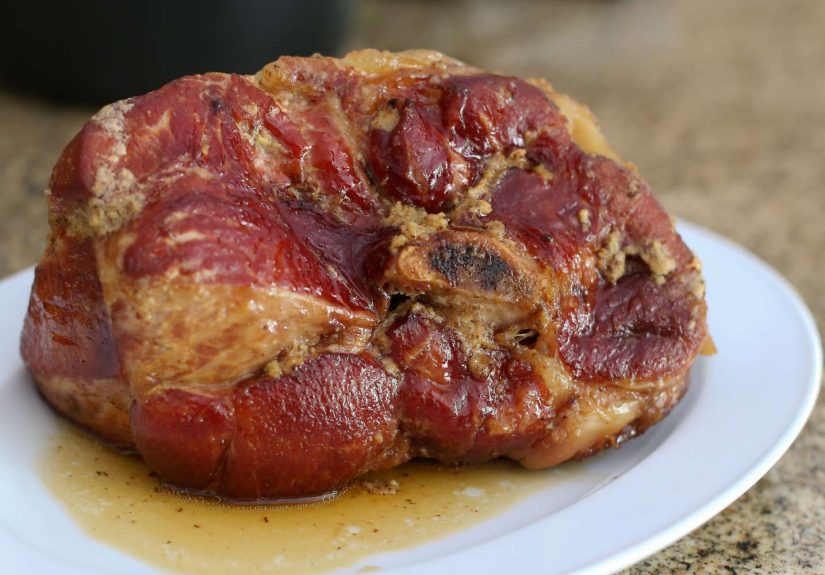
Increase the oven temperature to 425°F. Brush the pork generously with the glaze and return it to the oven, uncovered, for 20 to 25 minutes. Brush it once or twice more during that time until the roast looks lacquered, bronzed, and just dramatic enough to deserve its own entrance music.
The edges should darken slightly, the glaze should cling, and the kitchen should smell unfairly good.
6. Rest Before Slicing
Transfer the pork shoulder to a cutting board and let it rest for 15 to 20 minutes. This helps the juices settle so they stay in the meat instead of sprinting across the board. Slice or shred, then spoon a little of the warm pan juice and extra glaze over the top before serving.
Best Tips for a Perfect Glazed Pork Shoulder
Choose the Right Cut
A Boston butt is often easier to trim and roast evenly, while a picnic shoulder can offer excellent flavor and a more rustic presentation. Either works beautifully in this brown sugar and marmalade glazed pork shoulder recipe.
Do Not Rush the Roast
Pork shoulder rewards patience. High heat too early can tighten the meat before the connective tissue has time to soften. Low heat does the hard work. High heat at the end handles the beauty pageant portion.
Glaze Late
The brown sugar and marmalade are what make this roast shine, but they are also quick to scorch. Brush on the glaze near the end of cooking so it caramelizes instead of burning.
Balance Sweetness
Marmalade and brown sugar are sweet, so you need acid and savory ingredients to keep the glaze from becoming one-note. Mustard, vinegar, garlic, black pepper, and Worcestershire are not background players here. They are the reason the glaze tastes grown-up.
What to Serve with Marmalade Glazed Pork Shoulder
This roast loves side dishes that can either absorb its juices or contrast its richness. Creamy mashed potatoes are a classic choice. Roasted sweet potatoes are another excellent match because they echo the glaze without competing with it. If you want something fresh, serve it with a crisp slaw, green beans, or a bitter salad with arugula and citrus.
For a holiday-style spread, pair it with cornbread, baked beans, braised greens, or macaroni and cheese. For a lighter dinner, go with herbed rice and roasted carrots. For leftover sandwiches, pile the pork onto toasted rolls with sharp pickles and a swipe of mustard. That is not just a leftover plan. That is a reward system.
Storage, Leftovers, and Reheating
Store leftover pork shoulder in an airtight container in the refrigerator for up to several days. Keep some of the juices with it so it stays moist. Reheat gently in a covered dish at 300°F with a splash of stock, cider, or reserved juices. Microwaving works in a pinch, but low oven heat keeps the texture better.
Leftovers are incredibly versatile. Use them in sandwiches, grain bowls, tacos, hash, fried rice, or stuffed baked potatoes. Chop the meat and warm it in a skillet until the edges crisp slightly. Then add a spoonful of glaze. Suddenly your “planned leftovers” look suspiciously like a genius move.
Common Mistakes to Avoid
Using a Leaner Cut
Pork loin and pork tenderloin are great, but they are not pork shoulder. They cook faster and behave differently. If you substitute them here, you will end up with a completely different recipe and possibly a mild identity crisis.
Skipping the Resting Time
Resting is not optional fluff. It improves texture and helps the meat stay juicy. Give the roast a few quiet minutes before carving into it like a pirate opening treasure.
Pouring on Cold Glaze
A slightly warm glaze spreads more evenly and clings better. Cold glaze can sit on the surface like it is unsure whether it was invited.
Final Thoughts
A truly memorable pork roast should be more than tender. It should have contrast. You want richness from the pork, brightness from the marmalade, depth from the brown sugar, and enough tang to keep every bite interesting. This recipe delivers exactly that. It feels special enough for guests and easy enough for a determined home cook with a roasting pan, a spoon, and the willingness to wait a few hours for something wonderful.
If you are looking for an oven roasted pork shoulder that is deeply flavorful, beautifully glazed, and reliable enough to make again and again, this recipe deserves a permanent place in your kitchen. It is cozy, impressive, and just flashy enough to make people think you worked harder than you actually did. That, frankly, is the dream.
Real-Life Kitchen Experiences with Brown Sugar and Marmalade Glazed Pork Shoulder
The first time I made a version of this roast, I expected it to be good in the polite, respectable way many pork recipes are good. You know the type: nice color, decent flavor, everyone nods approvingly, and then someone quietly asks whether there is gravy. What I did not expect was the way this glaze completely changed the mood of the table. The marmalade gave the pork a bright, almost festive character, while the brown sugar made the edges glossy and caramelized. Suddenly a humble pork shoulder looked like it had been promoted.
One thing I learned quickly is that this recipe rewards calm cooking. Pork shoulder is not difficult, but it does not appreciate being rushed. On one attempt, I tried to speed things up with a hotter oven because I was hungry and overconfident, which is a dangerous combination. The outside darkened too fast, the glaze started flirting with disaster, and the meat was not nearly as tender as it should have been. Since then, I have treated pork shoulder with the respect it asks for: low heat first, glaze later, hot finish at the end. The pork has thanked me every time.
I have also learned that marmalade matters more than people think. A good orange marmalade brings sweetness, yes, but also a gentle bitterness from the peel that keeps the glaze from tasting flat. That tiny bitter edge is what makes the whole roast feel balanced and grown-up. I once used an overly sugary marmalade with almost no peel, and the glaze tasted one-dimensional. It was still edible, because roasted pork covered in sticky citrus sugar is not exactly a tragedy, but it lacked the sparkle of the better version.
Another interesting discovery came from serving this at different kinds of gatherings. For a holiday dinner, I sliced the roast neatly and spooned extra glaze over the top, and it looked like a centerpiece. For a casual weekend meal, I shredded the pork and piled it onto soft rolls with pickles and mustard, and people liked it just as much. That is the beauty of this recipe: it can dress up or down without losing its identity. It is the culinary version of someone who looks equally good in a blazer or a T-shirt.
Leftovers, if you are lucky enough to have them, are where the recipe becomes almost smug. The pork turns into excellent sandwiches, breakfast hash, and rice bowls. I have even chopped it and tucked it into baked potatoes with a spoonful of extra glaze and some sharp cheddar. It is one of those rare dishes that feels generous on day one and somehow even smarter on day two.
Perhaps my favorite experience with this recipe is watching people try to identify the flavor. They notice the sweetness first, then the savory depth, then the citrus. Eventually someone asks what makes it taste so round and complete. The answer is that no single ingredient does all the work. Brown sugar, marmalade, mustard, garlic, vinegar, pan juices, and pork shoulder itself each pull their weight. It is not a magic trick. It is just a very good combination, handled with patience.
So if you make this roast, trust the process. Let it cook slowly. Glaze it near the end. Rest it before slicing. Then enjoy the deeply satisfying moment when a modest cut of meat turns into something glossy, fragrant, and crowd-pleasing enough to earn recipe requests before dessert is even served.