Table of Contents >> Show >> Hide
- Why Black and White Anemones Feel So Special
- The Charm of the “Splurge Bouquet”
- What Are Anemones?
- When Are Black and White Anemones in Season?
- How to Choose the Best Black and White Anemones
- How to Arrange Black and White Anemones
- What to Pair with Black and White Anemones
- How to Make Cut Anemones Last Longer
- Common Mistakes to Avoid
- Are Black and White Anemones Worth the Price?
- How to Style Black and White Anemones at Home
- Growing Black and White Anemones at Home
- Experience Notes: Living with a Black and White Anemone Bouquet
- Conclusion: The Case for the Weekly Anemone Splurge
Some flowers whisper. Some flowers politely ask to be noticed. Black and white anemones, however, walk into a room wearing a tuxedo, dramatic eyeliner, and the confidence of someone who knows they are the main character. If a bouquet could order an espresso, decline small talk, and look spectacular on a marble table, it would be a bouquet of black and white anemones.
For this week’s bouquet, we are leaning into the splurge. Not the “buy a yacht” kind of splurge, thankfully, but the charming floral kind: a handful of striking white petals wrapped around ink-dark centers, arranged simply enough to feel effortless and elevated enough to make your kitchen counter look like it belongs in a design magazine. Black and white anemones are not the cheapest stems at the flower shop, but they have a rare gift: they make even a small arrangement feel intentional, artistic, and quietly luxurious.
Whether you are styling a dinner table, refreshing a bedside vase, building a minimalist wedding bouquet, or simply treating yourself because the week has been suspiciously long, these elegant windflowers deserve a closer look. Let’s talk about why black and white anemones are worth the splurge, how to arrange them beautifully, how to make them last, and how to enjoy every dramatic little petal before they bow out.
Why Black and White Anemones Feel So Special
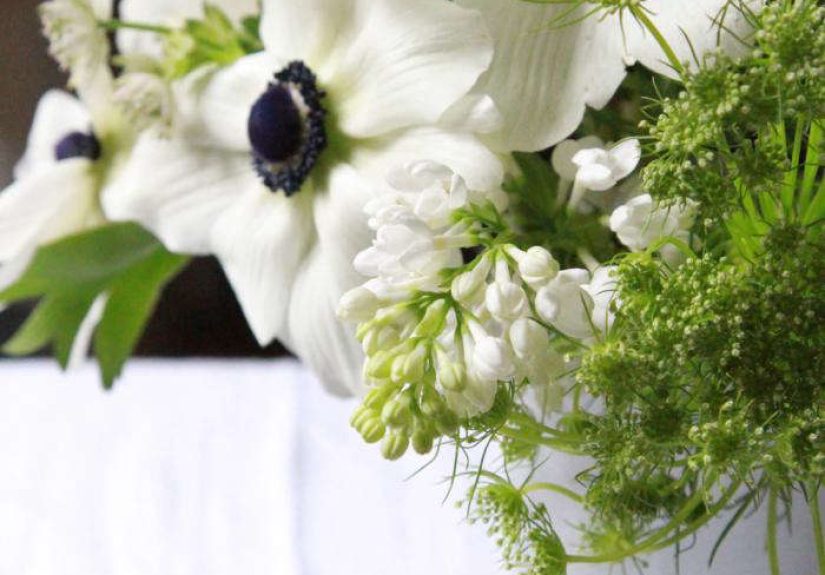
Black and white anemones have a look that is instantly recognizable. The most popular varieties used in bouquets often feature crisp white petals surrounding a deep navy, charcoal, or nearly black center. Technically, that dark “eye” is usually not pure black, but visually it delivers the same high-contrast effect. The result is graphic, modern, romantic, and a little mysterious all at once.
Unlike roses, which can feel classic to the point of predictable, anemones bring movement and personality. Their petals are delicate and slightly irregular, giving each flower a hand-painted quality. One bloom may open wide like a porcelain saucer; another may tilt its face shyly to the side. Together, they create a bouquet that looks alive rather than overly arranged.
The black-and-white palette also makes them unusually versatile. They can look minimalist in a single-stem vase, vintage in a loose garden-style bouquet, or editorial when paired with sculptural greenery. They are dramatic without being loud, refined without being stiff, and romantic without turning the room into a Valentine’s Day aisle.
The Charm of the “Splurge Bouquet”
A splurge bouquet is not about buying the largest arrangement available. It is about choosing fewer, better stems and giving them room to shine. Black and white anemones are perfect for this approach because each bloom carries visual weight. You do not need three dozen flowers to make a statement. Six to ten excellent anemone stems can look more sophisticated than a crowded bouquet filled with filler that appears to be having an identity crisis.
That is the secret: restraint. A small bouquet of anemones, arranged loosely in a simple vase, can feel more expensive than it actually is. The flowers do most of the work. Their pale petals catch the light, their dark centers create contrast, and their slender stems add a natural, slightly whimsical shape.
If you want the bouquet to feel fuller, add a few supporting players rather than overwhelming the stars. A sprig of white lilac, delicate astrantia, ranunculus, sweet peas, or airy green foliage can soften the arrangement while keeping the anemones front and center. Think of it as casting a film: the anemones are the lead actors; everyone else is there to make them look even better.
What Are Anemones?
Anemones are flowering plants often called “windflowers,” a name that comes from the Greek word for wind. In floral design, the most familiar cut-flower type is Anemone coronaria, especially varieties with vivid petals and dark centers. They are loved by florists for their expressive shape, clean lines, and strong seasonal charm.
Although anemones can appear delicate, they are surprisingly expressive in a vase. Their stems curve naturally, their faces open and close slightly with light and temperature, and their petals can shift from tight and modest to fully open and dramatic. This is one reason designers often use them in bridal bouquets, winter arrangements, spring centerpieces, and editorial floral work.
Their symbolism adds another layer of appeal. Anemones are commonly associated with anticipation, protection, hope, remembrance, and new beginnings. White anemones, in particular, often suggest purity and sincerity, while the dark center gives the flower a visual depth that keeps it from feeling too sweet. In other words, they are sentimentalbut not syrupy.
When Are Black and White Anemones in Season?
Black and white anemones are strongly associated with cool-season arrangements. Depending on the growing region and source, they are often available from winter into spring, with some growers producing them in protected environments such as hoop houses or tunnels. In many flower shops, they feel especially at home during late winter and early spring, when everyone is tired of gray weather and ready for something beautiful but not yet ready for full-blown peony drama.
Seasonality matters because the best anemones are fresh, strong-stemmed, and harvested at the right stage. If you buy them too open, their vase life may be shorter. If you buy them too tight, they may not open gracefully. The sweet spot is usually when the buds are showing color and beginning to open, but the flowers are not fully mature or dusty with pollen.
If you are shopping locally, ask your florist when fresh anemones arrive. The best bunches often disappear quickly because designers, brides, and flower enthusiasts know exactly what they are looking at. Yes, this means you may have competition. No, you do not need to elbow anyone in the flower cooler. Probably.
How to Choose the Best Black and White Anemones
When buying black and white anemones, look for blooms with clean petals, strong color contrast, and stems that feel firm rather than limp. The petals should not be browned, bruised, transparent, or curling in a tired way. A little natural irregularity is part of their charm, but obvious damage is not.
Check the Centers
The dark centers should look fresh and structured. If the center appears overly fuzzy, shedding, or tired, the flower may be past its prime. A deep, defined center gives the bouquet that signature black-and-white punch.
Look at the Stems
Anemone stems are slender and can be somewhat delicate. Choose stems that are upright, hydrated, and not crushed. If the flowers are flopping dramatically in the bucket, they may need conditioningor they may already be on the decline.
Buy Slightly Early
For the longest enjoyment, choose anemones that are partially open. They will continue to open in the vase, giving you the pleasure of watching the bouquet change day by day.
How to Arrange Black and White Anemones
The best arrangements with black and white anemones usually respect the natural movement of the stems. Instead of forcing them into a stiff dome, let them lean, curve, and face different directions. Their personality comes from their posture.
Minimalist Single-Variety Bouquet
For the cleanest look, arrange eight to twelve black and white anemones in a narrow ceramic, glass, or matte black vase. Trim the stems to slightly varied heights so the flowers do not sit in a flat line. Remove any foliage that would fall below the waterline, then let the blooms float above the vase like tiny moons with dark centers.
Soft Garden-Style Bouquet
For a fuller, more romantic arrangement, pair black and white anemones with white ranunculus, pale sweet peas, astrantia, hellebores, or delicate greenery. Keep the color palette limited: white, cream, soft green, and perhaps a whisper of blush or pale lavender. The goal is elegance, not a flower-shop parade.
Modern Dinner Table Centerpiece
For a tablescape, use a low bowl or small compote vase. Add floral frogs or a loose grid of floral tape across the top of the vessel for support. Place anemones asymmetrically, then tuck in supporting stems around them. A low arrangement keeps conversation flowing and prevents guests from bobbing around flowers like they are watching a tennis match.
What to Pair with Black and White Anemones
Black and white anemones look beautiful with flowers and foliage that add texture without stealing the scene. Because their centers are so graphic, pairings should either echo their elegance or soften their contrast.
Best Floral Companions
White ranunculus is one of the best companions because it brings layered softness. Hellebores add moody sophistication, especially in winter arrangements. Sweet peas introduce fragrance and fluttery movement. Astrantia contributes a delicate, starry texture. White lilac, when available, adds height and perfume, though it requires good hydration.
Best Greenery and Texture
Try eucalyptus for a silvery modern look, maidenhair fern for softness, Italian ruscus for structure, or fresh green viburnum for a spring mood. Avoid heavy greenery that visually weighs down the arrangement. Anemones are elegant dancers, not bodybuilders.
Color Palettes That Work
The most timeless palette is white, black, and green. For a warmer look, add cream and champagne tones. For a moodier arrangement, include plum, burgundy, or deep violet accents. For weddings, black and white anemones are especially effective in monochrome bouquets, classic black-tie themes, and modern garden-style designs.
How to Make Cut Anemones Last Longer
Anemones are beautiful, but they are not immortal. Their vase life depends on freshness, harvest stage, conditioning, room temperature, and water quality. With good care, many anemones can last around a week, and some excellent stems may last longer. Without care, they may decide to retire early and dramatically.
Step 1: Trim the Stems
Use clean, sharp snips to cut the stems at an angle before placing them in water. This helps improve water uptake and prevents the stem ends from sitting flat against the bottom of the vase.
Step 2: Use a Clean Vase
A clean vase is non-negotiable. Bacteria in dirty water shortens vase life, especially for delicate flowers. Wash the vase before arranging, even if it “looks fine.” Flowers have standards.
Step 3: Add Flower Food
Commercial flower food can help support hydration and reduce bacterial growth. Use the packet that comes with your bouquet, following the instructions rather than freestyling like a kitchen wizard.
Step 4: Keep Them Cool
Anemones prefer a cool location away from direct sun, heating vents, fireplaces, and fruit bowls. Ripening fruit releases ethylene gas, which can age flowers faster. In other words, your bananas may be sabotaging your bouquet.
Step 5: Refresh the Water
Change the water every day or every other day, recutting the stems when needed. Remove fading blooms promptly so the arrangement stays fresh and polished.
Common Mistakes to Avoid
The first mistake is buying anemones that are already too open. Fully open blooms may look impressive at the shop, but they often have less vase life left. Choose stems that still have a little unfolding to do.
The second mistake is overcrowding the vase. Anemones need space. If you pack them too tightly, their slender stems can bend, and their expressive faces disappear into the crowd. Give them room to perform.
The third mistake is placing them in warm, bright spots. A sunny windowsill might look picturesque for a photo, but it can shorten the life of the flowers. Take the photo, enjoy the glamour, then move the bouquet somewhere cooler.
The fourth mistake is pairing them with incompatible stems. Freshly cut daffodils, for example, can release sap that is not friendly to some other flowers. If you want to use daffodils in mixed arrangements, condition them separately first and avoid recutting them right before combining with delicate blooms.
Are Black and White Anemones Worth the Price?
Yes, if you value impact over volume. Black and white anemones are not bargain-bin filler flowers. They are specialty blooms with a distinct look, seasonal availability, and a strong design presence. That means they often cost more per stem than everyday flowers such as carnations or mums.
But the splurge makes sense because a little goes a long way. You can buy fewer stems and still create a bouquet that feels thoughtful and stylish. A single anemone in a bud vase can transform a bedside table. A small cluster can anchor a dinner centerpiece. A dozen can make a birthday bouquet feel boutique rather than generic.
For special occasions, black and white anemones are especially worth considering. They photograph beautifully, pair well with both modern and romantic decor, and add a memorable detail that guests notice. If roses are the dependable friend who always brings dessert, anemones are the friend who arrives in a vintage coat and somehow makes everyone’s outfit look underplanned.
How to Style Black and White Anemones at Home
Black and white anemones fit surprisingly well into everyday interiors. In a modern apartment, they look sharp in a clear cylinder vase or matte ceramic vessel. In a farmhouse-style kitchen, they soften beautifully when paired with loose greenery and a pitcher-style vase. In a vintage room, they feel poetic beside old books, brass candlesticks, or linen napkins.
For a small space, place three stems in a bud vase near a bathroom sink, desk, or nightstand. For a dining table, use several small vases instead of one large centerpiece. This creates rhythm across the table and makes the flowers feel abundant without requiring a giant floral budget.
If you are styling for photos, place the bouquet near natural light but not in direct sun. A neutral background makes the dark centers pop. Linen, wood, marble, ceramic, and aged metal all complement the flowers beautifully. Avoid overly busy containers that compete with the petals.
Growing Black and White Anemones at Home
If you love the look but not the recurring florist bill, growing anemones can be a satisfying project. Anemones are typically grown from corms, which look a bit like tiny, shriveled objects that do not seem capable of producing anything glamorous. This is part of the magic. Gardening often begins with something ugly and ends with something fabulous.
In many regions, anemone corms are planted in fall or late winter to early spring, depending on climate. They generally prefer full sun, cool growing conditions, and well-drained soil enriched with organic matter. In colder areas, growers may use tunnels, frost cloth, or other protection to help the plants through chilly periods.
Before planting, many gardeners soak the corms to rehydrate them. Some also pre-sprout them before setting them into the garden. Once growing, the plants appreciate consistent moisture but dislike soggy soil. If conditions are right, anemones can reward patient gardeners with elegant stems that feel almost too fancy to have come from a patch of dirt.
Experience Notes: Living with a Black and White Anemone Bouquet
There is a particular pleasure in bringing home a bouquet that changes the mood of a room immediately. Black and white anemones do that. The first time you set them in water, they may look a little shy, with some blooms tilted downward and others still partly closed. Give them a few hours, and the arrangement begins to wake up. Petals loosen. Stems stretch. The dark centers become more pronounced, like tiny ink drops in the middle of silk.
One of the best experiences with anemones is watching them move. They are not static flowers. Their faces follow light, their petals respond to temperature, and the bouquet looks slightly different in the morning than it did the night before. This makes them feel companionable, almost like living decor with opinions. A rose may sit there looking perfect; an anemone seems to be thinking about something.
For a weekly bouquet ritual, black and white anemones work beautifully because they encourage attention. You notice when the water needs changing. You notice which bloom opened first. You notice how one stem curves dramatically over the edge of the vase like it has just heard shocking news. This kind of observation turns a simple purchase into a small daily experience.
They are also surprisingly good teachers of restraint. Many people want to keep adding more flowers to an arrangement, assuming bigger always means better. Anemones argue otherwise. Place five stems in a plain vase and they look intentional. Add three sprigs of greenery and they look complete. Add twelve unrelated flowers, and suddenly the arrangement has lost the plot. Their beauty reminds you that design is often about editing.
Another lovely experience is using black and white anemones for a dinner at home. They make even a simple meal feel more considered. Put a few stems in low vases, light candles, set out cloth napkins, and suddenly takeout feels like a tasting menu. The flowers do not need to match everything; they elevate everything. Their monochrome palette works with white plates, dark plates, patterned napkins, and even that one chipped bowl you keep because it has “character.”
Of course, the bittersweet part of anemones is that they do not last forever. No cut flower does, but anemones seem especially poetic about their exit. The petals soften, the stems bend, and the bouquet slowly becomes less crisp and more wistful. Instead of treating this as a flaw, enjoy the full arc. Flowers are temporary by design. That is partly why we buy them. They remind us to look now, not later.
If you want to stretch the experience, move the best remaining stems into smaller vessels as the bouquet ages. One bloom can go beside the sink, another on a desk, another near your bed. This “second life” approach keeps the arrangement from feeling suddenly finished. It also lets you appreciate individual flowers up close, which is where anemones truly shine.
The final experience is emotional: black and white anemones feel like a gift to the self that does not need a grand excuse. You do not need a wedding, a holiday, or a formal dinner. You can buy them because it is Tuesday, because the weather is dreary, because your table looks lonely, or because you successfully answered an email without typing “per my last message.” A splurge bouquet is not only decoration. It is a small declaration that beauty belongs in ordinary weeks, too.
Conclusion: The Case for the Weekly Anemone Splurge
Black and white anemones are the rare flowers that feel classic and unexpected at the same time. Their clean petals, dark centers, and graceful stems make them ideal for minimalist bouquets, romantic arrangements, dinner table styling, and special occasions. They may cost more than everyday stems, but their visual impact makes the splurge feel justified.
The key is to buy them fresh, arrange them simply, and care for them thoughtfully. Choose blooms that are just beginning to open, place them in a clean vase with fresh water and flower food, keep them cool, and let their natural movement guide the design. Whether you arrange three stems or twelve, black and white anemones bring instant elegance with just enough drama to keep things interesting.
So yes, splurge on the anemones. Buy the striking ones with the dark centers. Put them where you will see them often. Let them make your room feel more polished, your table more inviting, and your week a little less ordinary. Some flowers are filler. These are the plot twist.