Table of Contents >> Show >> Hide
- Why a Fracture After 50 Deserves a Second Look
- What Is a Bone Screening?
- The Big Mistake: Calling Every Fracture “Just a Bad Fall”
- Who Should Ask About Bone Screening After a Fracture?
- What Happens During an Osteoporosis Evaluation?
- Treatment Is Not Just “Take Calcium and Hope”
- Nutrition for Bone Recovery and Bone Strength
- Exercise After a Fracture: Move Smart, Not Wild
- Fall Prevention: The Unflashy Hero of Bone Health
- Why Follow-Up Care Often Gets Missed
- Experiences Related to Bone Screenings After Fractures
- Conclusion
A broken bone can feel like an isolated accident: one slippery sidewalk, one dramatic tumble, one very rude coffee table. But after age 50, a fracture is not always just a “whoops” moment. It can be the body’s way of waving a tiny skeletal flag and saying, “Excuse me, we should probably check the bone strength situation in here.”
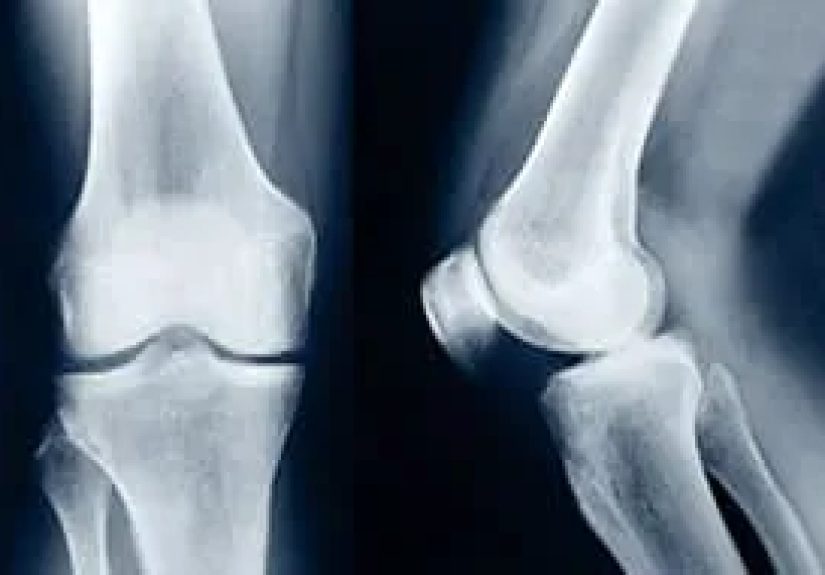
That is the central lesson behind the topic “Bone Screenings After Fractures – Watch WebMD Video.” The message is simple but powerful: if a woman or man over 50 breaks a bone, especially from a low-impact fall, doctors should consider whether osteoporosis, osteopenia, or another bone-health issue may be hiding in the background. A bone density test can help uncover the answer before another fracture happens.
Bone screenings after fractures are not about blaming the patient, judging the fall, or handing someone a calcium chew and calling it a day. They are about prevention. A fracture can be the first visible sign of silent bone loss, and the right follow-up can help protect the hips, spine, wrists, and overall independence.
Why a Fracture After 50 Deserves a Second Look
Osteoporosis is often called a silent disease because it usually does not send out dramatic warning signs. There is no flashing dashboard light that says, “Bone density low. Please service skeleton soon.” Many people feel perfectly fine until a fracture occurs. That is why a broken bone after midlife can be such an important clue.
In younger adults, a fracture often requires significant force: a sports injury, car accident, or major trauma. In older adults, however, a fracture from a standing-height fall, bump, twist, or ordinary household mishap may suggest that the bone was already weakened. This kind of break is often called a fragility fracture.
The most common osteoporosis-related fractures involve the hip, spine, wrist, upper arm, and pelvis. A wrist fracture after a simple fall may not seem as frightening as a hip fracture, but it can be an early warning sign. Think of it as the body’s polite knock before it starts banging on the door.
What Is a Bone Screening?
A bone screening is an evaluation that helps estimate bone strength and future fracture risk. The most common test is a DXA scan, also known as a DEXA scan or bone density test. This quick, noninvasive scan uses low-dose X-rays to measure bone mineral density, usually at the hip and spine.
The test is painless. There are no needles, no tunnel-like MRI drama, and no need to bring emotional support snacks. You lie on a padded table while a scanner passes over part of your body. The appointment often takes less than 30 minutes, and the scan itself may be much shorter.
What a DXA Scan Can Show
A DXA scan can help doctors identify whether a person has normal bone density, osteopenia, or osteoporosis. It can also help estimate future fracture risk and monitor whether treatment is working over time.
Results are commonly reported as a T-score. A T-score compares your bone density with that of a healthy young adult. In general, a T-score of -1.0 or higher is considered normal. A score between -1.0 and -2.5 suggests osteopenia, which means lower-than-normal bone density. A score of -2.5 or lower is consistent with osteoporosis.
Here is the important part: fracture risk does not begin only at osteoporosis. People with osteopenia can still break bones, especially if they have other risk factors such as older age, previous fractures, low body weight, smoking, long-term steroid use, rheumatoid arthritis, or a family history of hip fracture.
The Big Mistake: Calling Every Fracture “Just a Bad Fall”
One of the most useful ideas from the WebMD video topic is that dismissing a fracture as “just a bad fall” can be risky. Yes, anyone can break a bone if the force is high enough. A car crash is not the same as tripping over a rug. But many fractures in adults over 50 happen after everyday falls that should not necessarily break healthy bone.
That is why clinicians often ask: How did the fracture happen? Did the person fall from standing height? Did the bone break after a small bump? Was there a sudden spine fracture without major trauma? These details matter because they help separate ordinary injury from possible bone fragility.
Skipping the bone-health conversation after a fracture is like fixing a leaking ceiling but ignoring the roof. The cast may heal the break, but it does not answer the bigger question: why did the bone break so easily in the first place?
Who Should Ask About Bone Screening After a Fracture?
Anyone over 50 who has had a fracture should ask their healthcare provider whether a bone density test or osteoporosis evaluation is appropriate. This is especially important for postmenopausal women, men over 70, and people with risk factors for bone loss.
Common Risk Factors for Low Bone Density
- Being age 65 or older for women, or age 70 or older for men
- Having a fracture after age 50
- Early menopause or low estrogen levels
- Long-term use of corticosteroids such as prednisone
- Low body weight or unintentional weight loss
- Smoking or heavy alcohol use
- Family history of osteoporosis or hip fracture
- Rheumatoid arthritis, celiac disease, thyroid disorders, kidney disease, or other chronic conditions
- Low calcium or vitamin D intake
- Frequent falls, poor balance, or muscle weakness
Screening guidelines commonly recommend DXA testing for women 65 and older. Postmenopausal women under 65 may also need screening if they have risk factors. Men are not immune to osteoporosis either, even if they sometimes act as if reading instruction manuals is the only health risk they face. Men with fractures or risk factors should also discuss testing with a clinician.
What Happens During an Osteoporosis Evaluation?
A complete bone-health evaluation may include more than a DXA scan. Your healthcare provider may review your fracture history, medications, diet, exercise habits, fall risk, medical conditions, and family history. Blood tests may be ordered to look for vitamin D deficiency, thyroid problems, calcium abnormalities, kidney issues, or other conditions that can affect bones.
Doctors may also use fracture-risk calculators, such as FRAX, to estimate the chance of having a major osteoporotic fracture or hip fracture in the next 10 years. This can help guide treatment decisions, especially for people with osteopenia rather than full osteoporosis.
Questions to Ask Your Doctor After a Fracture
- Was this fracture considered low-trauma or a fragility fracture?
- Should I get a DXA scan?
- Do I need blood tests for vitamin D, calcium, thyroid, or kidney function?
- Should my medications be reviewed for bone-related side effects?
- What is my risk of another fracture?
- Do I need physical therapy, balance training, or a fall-prevention plan?
- Should I consider osteoporosis medication?
Treatment Is Not Just “Take Calcium and Hope”
Calcium and vitamin D matter, but they are not a complete treatment plan for everyone. Strong bones need a full strategy: nutrition, movement, fall prevention, medical evaluation, and sometimes prescription medication.
For people at high risk of fracture, including those with a recent fracture, doctors may recommend medications that reduce bone breakdown or help build bone. These may include bisphosphonates, denosumab, anabolic therapies, or other options depending on the person’s risk level, medical history, kidney function, and preferences.
The best treatment plan is individualized. A healthy 52-year-old with a wrist fracture may need a different approach than an 82-year-old with a hip fracture and balance problems. Bone care is not one-size-fits-all; it is more like tailoring pants, except the pants are your skeleton and the tailor went to medical school.
Nutrition for Bone Recovery and Bone Strength
Bone is living tissue. It constantly breaks down and rebuilds, which means nutrition plays a real role in recovery and long-term strength. Calcium is a major building block of bone, and vitamin D helps the body absorb calcium. Protein also matters because muscles support balance, mobility, and bone repair.
Bone-Friendly Foods to Add More Often
- Low-fat milk, yogurt, cheese, or fortified plant milks
- Leafy greens such as kale, collards, and bok choy
- Canned salmon or sardines with bones
- Eggs, fish, and fortified foods for vitamin D
- Beans, lentils, nuts, and seeds
- Lean meats, poultry, tofu, and other protein sources
Supplements can help when diet falls short, but more is not always better. Too much calcium or vitamin D can cause problems, especially for people with kidney disease or certain medical conditions. A healthcare provider can help determine what amount is appropriate.
Exercise After a Fracture: Move Smart, Not Wild
Exercise is one of the best tools for bone and muscle health, but after a fracture, timing matters. The first priority is proper healing. Once your doctor clears you, weight-bearing exercise, resistance training, balance work, and flexibility can all support recovery and reduce future fall risk.
Walking is often a good starting point. Strength training can help build muscle and apply healthy stress to bones. Balance exercises, such as tai chi or supervised physical therapy drills, can reduce the chance of another tumble. The goal is not to become a superhero overnight. The goal is to become the kind of person who can step over a laundry basket without turning it into a medical event.
Exercises to Discuss With a Professional
- Walking or stair climbing, if safe
- Resistance bands or light weights
- Chair stands to improve leg strength
- Heel raises and balance drills
- Posture exercises, especially for spine health
- Physical therapy after hip, wrist, shoulder, or spine fractures
People with osteoporosis, especially spinal osteoporosis, should ask about movements to avoid. Deep forward bending, twisting under load, or high-impact activities may not be safe for everyone. A physical therapist can help create a plan that strengthens the body without inviting chaos.
Fall Prevention: The Unflashy Hero of Bone Health
Bone density matters, but falls are often the event that turns weak bones into broken bones. Fall prevention is not glamorous, but neither is spending six weeks explaining to everyone that the rug “came out of nowhere.”
Simple home changes can make a major difference. Remove loose rugs, improve lighting, install grab bars in bathrooms, keep walkways clear, and wear shoes with good traction. Review medications that may cause dizziness. Get vision checked. Use assistive devices if recommended. Pride is not a fall-prevention strategy; it is just a dramatic way to meet the floor.
Why Follow-Up Care Often Gets Missed
After a fracture, the medical system often focuses on the immediate injury: X-rays, casting, surgery, pain control, and rehabilitation. Those steps are essential. But the underlying bone-health evaluation can fall through the cracks because care may be split among urgent care, orthopedics, primary care, endocrinology, and physical therapy.
This is why some hospitals and clinics use fracture liaison services. These programs help identify patients with fragility fractures and connect them with bone density testing, osteoporosis treatment, fall-prevention support, and follow-up care. The idea is beautifully practical: do not wait for the second fracture to start prevention.
Experiences Related to Bone Screenings After Fractures
Many people describe bone screening after a fracture as surprisingly simpleand emotionally more important than they expected. The fracture itself often gets all the attention at first. There is swelling, pain, scheduling, maybe surgery, maybe a cast that makes showering feel like an Olympic sport. But once the immediate crisis settles, the question starts to grow: Why did this happen?
One common experience is the “I thought I was healthy” moment. A person may walk daily, eat reasonably well, and feel strong, then break a wrist after slipping in the kitchen. When the doctor recommends a DXA scan, it can feel confusing or even insulting. “Are you saying I’m fragile?” Not exactly. The screening is not a label; it is information. Many people discover they have osteopenia or osteoporosis before they would have known otherwise. That knowledge can be uncomfortable, but it can also be empowering.
Another frequent experience is relief. The DXA scan is usually easier than expected. Patients often imagine a complicated test, but the appointment is quiet and quick. You lie still, the machine moves, and nobody asks you to run on a treadmill while reciting your insurance deductible. For people who are anxious after a fracture, the simplicity of the test can be reassuring.
Some patients also describe frustration when no one brings up bone health automatically. A wrist is repaired, a hip is replaced, or a compression fracture is treated, yet the conversation about osteoporosis never happens unless the patient asks. This is why self-advocacy matters. If you are over 50 and had a fracture, it is reasonable to ask, “Should we check my bone density?” That one question can change the direction of care.
Families often become part of the story too. Adult children may notice that a parent is suddenly afraid to walk outside. Spouses may become unofficial safety inspectors, pointing out every rug, cord, and suspiciously slippery sock. While the concern comes from love, it can sometimes make the patient feel delicate. A good bone-health plan helps replace fear with action: testing, treatment if needed, strength training, balance work, safer home setup, and regular follow-up.
There is also the experience of learning that bones respond to daily habits. People often expect one magic fix, but bone health is more of a team project. Nutrition supports the materials. Exercise signals the body to maintain strength. Medication may reduce fracture risk for those who need it. Fall prevention protects the progress. The process can feel slow, but small improvements stack up.
The most encouraging experience is when a fracture becomes a turning point rather than a warning ignored. Someone gets screened, starts treatment, improves balance, adds strength exercises, checks vitamin D, and makes the home safer. They may still wish the fracture had never happenedobviously, nobody sends a thank-you card to a broken radiusbut the event becomes the reason future fractures are less likely.
Bone screenings after fractures are not just medical housekeeping. They are a chance to protect mobility, confidence, and independence. A scan cannot change the past break, but it can help prevent the next one. For many people, that is the real value: turning one painful surprise into a smarter, stronger plan.
Conclusion
A fracture after age 50 should never be brushed aside without asking whether bone strength played a role. Bone screenings after fractures, especially DXA scans, can help detect osteoporosis or osteopenia, estimate future fracture risk, and guide treatment before another break occurs. The WebMD video topic highlights a message every patient should remember: a broken bone may be more than bad luck. It may be a signal to check bone health.
If you or someone you love has had a fracture after midlife, ask a healthcare provider about bone density testing, vitamin D status, fall prevention, and whether osteoporosis treatment is needed. Strong bones are not built from one scan or one supplement. They come from informed care, consistent habits, and a willingness to take the first fracture seriously.
Note: This article is for educational purposes only and should not replace medical advice, diagnosis, or treatment from a qualified healthcare professional.