Table of Contents >> Show >> Hide
- Why White Wine Matters in Cooking
- Quick Answer: The Best White Wine Substitutes
- How To Choose the Right Substitute
- Detailed Guide to the Best White Wine Substitutes For Cooking
- What Not To Use
- Best Substitute by Dish Type
- Does Cooking With Wine Remove All the Alcohol?
- of Real-Kitchen Experience: What People Usually Learn the Hard Way
- Final Take
Every home cook knows this little kitchen drama: the recipe says, “Add 1/2 cup dry white wine,” and the bottle situation in your house is… complicated. Maybe you do not drink. Maybe you do drink, but somehow only have a heroic red and a suspiciously old bottle of prosecco. Maybe you were absolutely certain you had white wine, only to discover that past-you was an optimist with poor inventory skills.
The good news is that you do not need to abandon dinner. The best white wine substitutes for cooking can still give your dish brightness, balance, and flavor depth. The trick is knowing why the wine was there in the first place. In most recipes, white wine is doing one or more of these jobs: adding acidity, helping deglaze a pan, contributing moisture, bringing a little fruitiness, and rounding out savory flavors.
Once you understand that, choosing the right substitute becomes much easier. Some swaps are best for pasta sauces and seafood. Some are better for risotto, chicken dishes, or soups. And some are technically possible but taste like a bad decision wearing an apron.
Why White Wine Matters in Cooking
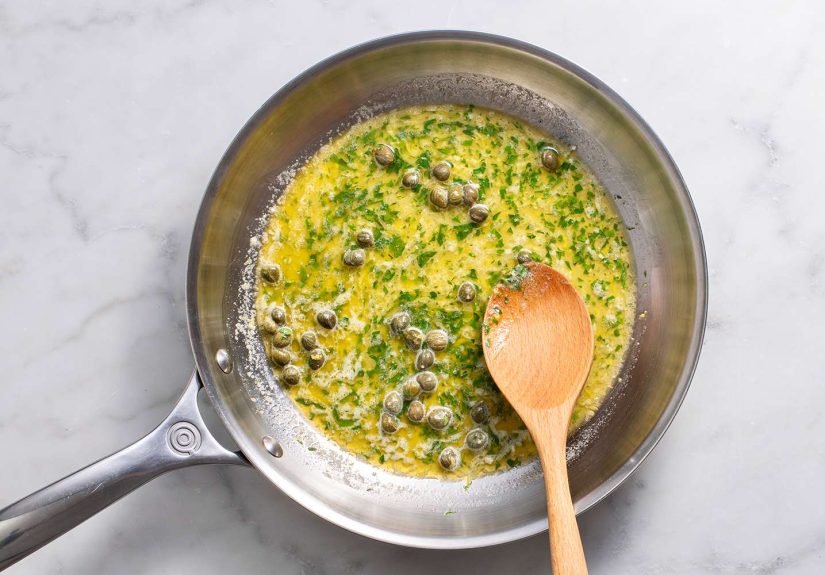
Before we get into the best white wine substitutes, it helps to know what white wine actually does in a pan. It is not there just to make the recipe sound fancy. White wine adds acidity that lifts rich ingredients like butter, cream, and olive oil. It can loosen browned bits from the bottom of a skillet when you deglaze, which means more flavor ends up in the sauce instead of glued to the pan like edible wallpaper.
White wine also brings subtle fruit notes and a gentle sharpness that can make seafood, chicken, mushrooms, and creamy pasta sauces taste brighter and more balanced. In recipes like risotto, scampi, beurre blanc, and braised chicken, removing the wine without replacing its acidity can leave the dish tasting flat or oddly heavy.
That is why the smartest substitute is not always the one that tastes the most “wine-like.” It is the one that performs the same job in the recipe.
Quick Answer: The Best White Wine Substitutes
- Chicken or vegetable broth plus a splash of lemon juice or vinegar: the best all-purpose substitute for savory cooking.
- Dry vermouth: the closest flavor match for many recipes.
- White wine vinegar diluted with water or broth: great for deglazing and pan sauces.
- Lemon juice diluted with water: ideal when you mainly need brightness.
- White grape juice: useful in sweeter recipes or when you want fruitiness without alcohol.
- Apple juice or apple cider: a solid option in pork, chicken, and fall-friendly dishes.
- Non-alcoholic white wine: one of the easiest direct swaps when you have it.
- Ginger ale: a niche but workable choice for sweet-savory recipes.
How To Choose the Right Substitute
Here is the simplest way to think about it:
- If the recipe needs acidity and moisture, use broth plus lemon juice or vinegar.
- If the recipe needs a true wine-like flavor, use dry vermouth.
- If you are deglazing a pan, diluted vinegar or broth with acid usually works beautifully.
- If the dish is slightly sweet, use white grape juice or apple juice.
- If you want an alcohol-free option that feels closest to the original, use non-alcoholic white wine.
In other words, there is no single best white wine substitute for cooking. There is only the best substitute for this particular dish. Cooking is generous like that. It will forgive a lot. It just will not forgive plain water in a cream sauce quite as easily as some people on the internet would like to believe.
Detailed Guide to the Best White Wine Substitutes For Cooking
1. Chicken or Vegetable Broth + Lemon Juice or Vinegar
This is the MVP. If you need one reliable answer to the question, “What can I use instead of white wine in cooking?” this is it. Broth gives the recipe liquid and savory depth, while lemon juice or vinegar restores the acidity that wine would normally provide.
A useful starting point is 1 cup broth plus 1 tablespoon lemon juice or mild vinegar. You can then taste and adjust. Use chicken broth for chicken, creamy sauces, and richer dishes. Use vegetable broth for vegetable soups, risotto, or lighter pasta sauces.
Best for: risotto, chicken piccata-style dishes, pan sauces, soups, braises, and seafood recipes.
Watch out for: salty broth. Use low-sodium if possible so your sauce does not taste like it trained for a sodium marathon.
2. Dry Vermouth
Dry vermouth is one of the best white wine substitutes because it is, fundamentally, still wine. It is fortified and infused with botanicals, so it brings acidity plus a little herbal complexity. In many savory dishes, that extra depth can be a bonus rather than a compromise.
You can usually substitute dry vermouth in an equal amount. It works especially well in sauces for seafood, chicken, and mushrooms, and it is excellent for deglazing. If a recipe calls for dry white wine, dry vermouth is often the swap that makes the finished dish feel the least like a substitution.
Best for: shrimp scampi, mussels, pan sauces, mushroom dishes, and creamy pasta sauces.
Watch out for: the herbal notes. They are lovely in savory cooking, but can taste slightly off in delicate or sweet-leaning recipes.
3. White Wine Vinegar
White wine vinegar is a natural substitute because it comes from wine, but it is much sharper and more acidic. That means you should not swap it one-for-one unless your goal is to wake up the whole neighborhood.
The better move is to dilute it. A common approach is half white wine vinegar and half water, or half vinegar and half broth. This gives you acidity without turning the sauce into a science experiment.
Best for: deglazing, pan sauces, seafood dishes, and recipes where you only need a small amount of wine.
Watch out for: overuse. Too much can make a dish taste harsh and thin.
4. Lemon Juice
Lemon juice is bright, clean, and wonderfully effective when the wine’s main job is to cut richness. It is especially useful in seafood, chicken, and buttery sauces where you want freshness more than fruitiness.
Because lemon juice is more intense than wine, dilute it with water or broth. Start small and build from there. A splash can do a lot of heavy lifting, which is convenient because citrus has no interest in being subtle.
Best for: shrimp, fish, chicken, cream sauces, and quick skillet dinners.
Watch out for: using too much. Then your elegant sauce starts tasting like it is trying to become lemonade.
5. White Grape Juice
White grape juice works when you want some of the fruitiness of wine without alcohol. It is especially useful in recipes that can tolerate a little sweetness. This makes it a better option for glazes, lighter sauces, and certain pork or chicken dishes than for intensely savory pan sauces.
If the juice tastes very sweet, add a small splash of vinegar or lemon juice to balance it. Otherwise, the dish may lose the crisp edge that white wine usually brings.
Best for: sweet-savory sauces, chicken, pork, and recipes where fruit notes make sense.
Watch out for: excess sweetness in savory dishes.
6. Apple Juice or Apple Cider
Apple juice is another good white wine substitute for cooking, especially in recipes with pork, chicken, onions, mustard, squash, or herbs like thyme and sage. It has mild sweetness and enough personality to stand in for wine in some dishes, though it does not mimic wine as closely as broth plus acid or dry vermouth.
Fresh apple cider can be particularly nice in fall and winter recipes. If the dish needs more brightness, add just a touch of vinegar or lemon juice to sharpen the flavor.
Best for: pork chops, roasted chicken, oniony sauces, and autumn-style braises.
Watch out for: making delicate sauces too sweet.
7. Non-Alcoholic White Wine
If you keep non-alcoholic wine at home, congratulations: you may have the easiest answer in the room. It often behaves much more like regular wine than juice or broth does, which means it can be used in equal measure in many recipes.
The flavor varies by brand, so some are crisp and useful while others are a little too sweet or flat. Still, for a direct alcohol-free swap, it is one of the most convenient options.
Best for: recipes where wine is a major flavor, such as risotto, white wine sauces, and braised dishes.
Watch out for: overly sweet brands.
8. Ginger Ale
This one sounds slightly unhinged until you realize it can actually work in the right recipe. Ginger ale offers sweetness, light acidity, and aromatic lift. It is not a first-choice substitute for classic French pan sauces, but it can be surprisingly useful in glazes, sweet-savory dishes, and recipes with soy, garlic, ginger, or pork.
Best for: glazes, sweet-savory sauces, and certain Asian-inspired recipes.
Watch out for: using it in dishes that are supposed to taste elegant and restrained. Ginger ale is many things. Restrained is not one of them.
What Not To Use
Distilled White Vinegar
It is too harsh for most recipes unless you use a tiny amount and dilute it heavily. Other mild acids are much better.
Just Water
Water can replace moisture, but it does not replace flavor or acidity. If you use it, pair it with lemon juice, vinegar, or another flavor source.
Sweet Dessert Wines
Unless the recipe leans sweet, these can throw off the balance quickly. Your savory sauce should not taste like it has future plans as a caramel topping.
Best Substitute by Dish Type
- Risotto: vegetable broth plus lemon juice, or non-alcoholic white wine
- Shrimp scampi: dry vermouth or broth plus lemon juice
- Cream sauces: broth plus a little lemon juice
- Mussels or clams: dry vermouth is excellent
- Chicken skillet dinners: broth plus vinegar or lemon juice
- Pork dishes: apple juice or cider with a touch of acid
- Pan deglazing: diluted white wine vinegar or broth plus acid
Does Cooking With Wine Remove All the Alcohol?
Not completely. A lot of people assume that alcohol instantly vanishes the moment it hits a hot pan, but cooking does not work like movie magic. Some alcohol cooks off, but not always all of it, and the amount left depends on the method and cooking time. That is one reason many cooks prefer true alcohol-free substitutes when they want to avoid alcohol entirely.
So if your reason for skipping wine is practical, dietary, religious, or family-related, there are plenty of strong substitutes that do the job without requiring you to gamble on how much alcohol remains in the final dish.
of Real-Kitchen Experience: What People Usually Learn the Hard Way
There is a special kind of confidence that appears right before someone makes a substitution without thinking it through. It usually starts with, “Acid is acid, right?” and ends with a pasta sauce that tastes like it was corrected by an overenthusiastic lemon. The real experience of finding the best white wine substitutes for cooking is less about memorizing one perfect replacement and more about learning how different substitutes behave in actual recipes.
For example, the first lesson many cooks learn is that broth alone is not enough. It seems logical at first: wine is liquid, broth is liquid, problem solved. Then dinner happens, and the sauce tastes oddly dull. Not bad, exactly. Just… sleepy. That is because broth can replace body and savory depth, but it does not bring the same brightness. Add a little lemon juice or a mild vinegar, and suddenly the dish wakes up like it got excellent news.
Another common experience shows up in shrimp or chicken scampi. Someone swaps in straight lemon juice because the recipe only needs a little white wine, and citrus sounds fresh and harmless. Then the pan sauce ends up too sharp. The fix is almost always dilution. Lemon juice is powerful. White wine is comparatively gentle. Once cooks learn to mix lemon juice with broth or water, everything becomes more balanced and much less dramatic.
Dry vermouth is another substitute people tend to discover like a secret level in a video game. It is often sitting quietly in the fridge or liquor cabinet, mostly ignored, until one night it saves a mushroom sauce or pan-seared fish. The reaction is usually the same: “Wait, why is this actually better?” In savory dishes, especially ones with butter, garlic, herbs, or shellfish, dry vermouth often feels polished and intentional rather than like a backup plan.
Then there is the sugary substitute problem. White grape juice and apple juice can work beautifully, but only when the cook remembers they are bringing sweetness to the party. In pork dishes or glazes, that can be a huge win. In a creamy pasta sauce, it can create a flavor profile best described as “confused.” Real kitchen experience teaches restraint. A little juice plus a touch of acid works far better than pouring in a full splash and hoping the onions will sort it out.
Probably the most useful experience of all is learning that substitutions should match the recipe’s mood. A bright seafood dish wants freshness. A rich mushroom pan sauce wants savory depth. A fall pork braise can handle apple notes. Once cooks stop asking, “What replaces white wine?” and start asking, “What is white wine doing here?” their substitutions get smarter fast.
That is the real kitchen trick. Not perfection. Not culinary heroics. Just understanding the role of the ingredient well enough to replace it thoughtfully. Which, honestly, is a much better skill than keeping an emergency bottle of cooking wine around forever and pretending that was the plan.
Final Take
The best white wine substitutes for cooking are the ones that match the dish in front of you. For most savory recipes, broth plus a splash of lemon juice or vinegar is the safest all-around choice. For a more wine-like result, dry vermouth is excellent. For sweeter recipes, white grape juice or apple juice can work well. And for cooks avoiding alcohol entirely, non-alcoholic white wine is a practical option worth keeping around.
The biggest takeaway is simple: do not panic, and do not reach for the strongest vinegar in the house like you are solving a chemistry emergency. Think about acidity, moisture, and flavor balance, and your dinner will be just fine. Possibly even better than the original plan.




555
555