Table of Contents >> Show >> Hide
- Why Fiber Matters More With Age
- How Much Fiber Do Older Adults Need?
- Best Fiber Sources for Older Adults
- How Older Adults Can Add Fiber Without Starting a Family Debate
- When Food Is Better Than Supplements
- Common Mistakes to Avoid
- Final Thoughts
- Experiences Older Adults Often Share With Higher-Fiber Eating
Fiber does not usually get the spotlight at the dinner table. Protein gets all the gym-bro attention, calcium gets the bone-health applause, and vitamin D strolls in like it owns the place. Meanwhile, fiber quietly keeps the whole show from falling apart. For older adults, that quiet work matters a lot. A fiber-rich eating pattern can support regular bowel movements, help with fullness, support healthy cholesterol and blood sugar levels, and make everyday meals more satisfying without turning lunch into a chemistry experiment.
The good news is that the best fiber sources for older adults are not obscure powders with futuristic labels. They are regular foods: beans, oats, berries, pears, vegetables, nuts, seeds, and whole grains. The trick is choosing the right foods, preparing them in ways that are easy to chew and enjoy, and increasing fiber slowly enough that your digestive system does not protest like a cranky neighbor at 6 a.m.
Why Fiber Matters More With Age
As people get older, constipation becomes more common. That can happen for several reasons: lower fluid intake, less physical activity, medications, lower appetite, or simply eating fewer fruits, vegetables, and whole grains. Add dentures, swallowing issues, or a preference for softer foods, and fiber can slip off the menu fast. Unfortunately, when fiber disappears, comfort often goes with it.
Fiber helps keep stool softer and bulkier, which supports regularity. But that is only the beginning. Soluble fiber, found in foods like oats, beans, barley, apples, and citrus fruits, can help support healthy cholesterol and steadier blood sugar. Insoluble fiber, found in whole grains, vegetables, nuts, seeds, and fruit skins, adds bulk and helps food move through the digestive tract. Most plant foods contain a mix of both, which is convenient because nobody wants to host a daily debate between Team Soluble and Team Insoluble.
For many older adults, fiber also helps with appetite balance. Meals built around high-fiber foods tend to be more filling, which can help reduce grazing on heavily processed snacks that are easy to chew but not especially helpful. In other words, fiber is not just about the bathroom. It is about comfort, consistency, and better overall nutrition.
How Much Fiber Do Older Adults Need?
A practical target often used for older adults is about 21 grams of fiber per day for women over 50 and 30 grams per day for men over 50. Some broader adult guidance is even higher depending on calorie intake and age. Either way, many adults do not get enough. That means the goal is not perfection. The goal is progress.
If someone is eating a fairly low-fiber diet now, jumping from 10 grams a day to 30 overnight is a great way to become deeply familiar with bloating. A better approach is to increase fiber gradually and drink enough fluids along the way. Fiber and water work like a team. Fiber without enough fluids can be a little too enthusiastic.
Best Fiber Sources for Older Adults
1. Beans, Lentils, and Split Peas
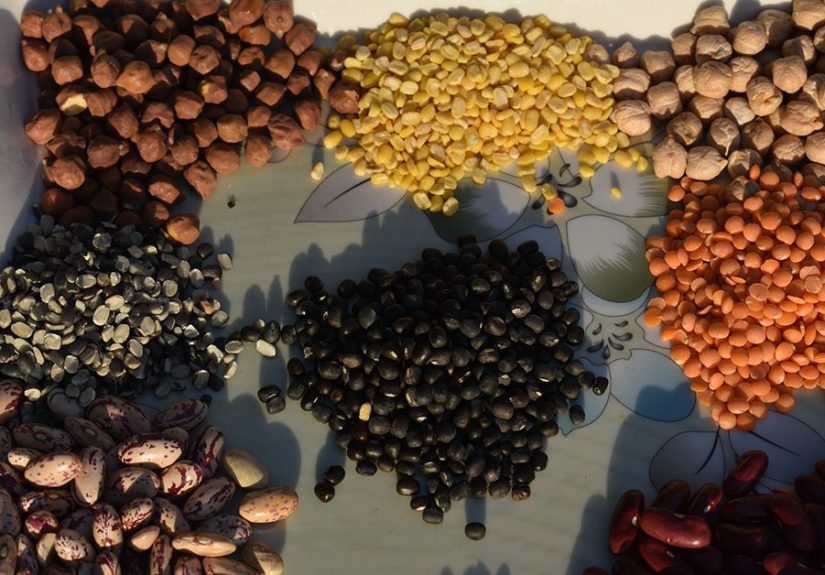
If fiber had a hall of fame, legumes would have a giant statue out front. Beans, lentils, chickpeas, and split peas are some of the richest natural sources of fiber, and they also bring plant protein, iron, magnesium, and staying power to a meal. For older adults who want food that is both economical and effective, legumes are hard to beat.
Lentil soup, black bean chili, white bean stew, hummus, and mashed chickpeas are especially smart choices because they are softer and easier to chew than some other high-fiber foods. Canned beans can also be helpful; just rinse them to reduce some of the sodium. For people easing into fiber, lentils are often a gentler starting point than a giant bowl of bran cereal that looks healthy and tastes like a cardboard memoir.
2. Oats and Barley
Oats are one of the friendliest fiber foods around. They are soft, warm, easy to prepare, and rich in soluble fiber. That makes oatmeal a strong breakfast choice for older adults, especially those who want a meal that is simple on the teeth and kind to the digestive tract. Steel-cut oats, rolled oats, and oat bran can all work, depending on texture preference.
Barley deserves more love than it gets. It is hearty, versatile, and rich in soluble fiber too. Add it to soups, vegetable stews, or grain bowls for more chew and more staying power. If chewing is an issue, cooking barley a little longer or using it in soup can make it much more comfortable to eat.
3. Berries, Pears, Apples, and Prunes
Fruit is a sweet way to raise fiber without making meals feel like homework. Berries are especially impressive because they pack a lot of fiber into a relatively small serving. Raspberries and blackberries are standouts, but strawberries and blueberries are also useful additions to breakfast, yogurt, or snacks.
Pears and apples, especially with the skin on when tolerated, are classic high-fiber fruits that are easy to find year-round. For older adults who prefer softer textures, baked apples, stewed pears, or unsweetened applesauce with added oats or chia can work well. Prunes also deserve their long-running reputation. They bring fiber and are often helpful for regularity, making them a practical choice rather than just a food your grandparents were suspiciously loyal to.
4. Vegetables That Actually Pull Their Weight
Not every vegetable is a fiber superstar, but many are still very helpful. Broccoli, Brussels sprouts, carrots, green peas, sweet potatoes, and winter squash are all excellent choices. These foods offer fiber along with vitamins, minerals, and color, which is always nice because a beige plate usually means nutrition has left the chat.
Cooked vegetables are often easier for older adults to tolerate than raw ones. Roasted carrots, mashed sweet potatoes, steamed broccoli, pureed vegetable soups, and soft-cooked squash are all smart options. Green peas are especially underrated: small, easy to add to meals, and surprisingly helpful in the fiber department.
5. Whole Grains That Do More Than Sit There Looking Rustic
Whole grains can make a real difference when they replace refined grains on a regular basis. Good options include oatmeal, whole-grain breads, brown rice, quinoa, bulgur, and whole-wheat pasta. The easiest upgrade is often at breakfast or lunch: swap white toast for whole-grain toast, choose higher-fiber cereal with minimal added sugar, or use whole-grain pasta in soups and casseroles.
That said, not every brown-colored bread is a fiber hero. Some are basically white bread wearing a costume. Reading the label helps. Look for words like whole grain, whole wheat, oats, or bran near the top of the ingredient list.
6. Nuts and Seeds
Chia seeds, ground flaxseed, almonds, walnuts, and sunflower seeds can all help boost fiber intake. Chia and ground flax are especially useful because they are easy to stir into oatmeal, yogurt, smoothies, or applesauce. For older adults with dental concerns, ground or softened forms are often more practical than crunchy handfuls of nuts.
Nut butters can also help, though they usually offer less fiber than whole nuts or seeds. Even so, peanut butter on whole-grain toast or almond butter with apple slices can be part of a fiber-friendly meal plan.
7. Avocados
Avocados bring fiber in a soft, easy-to-eat package, which makes them especially appealing for older adults. They also pair well with many foods and can improve meal satisfaction. Add avocado to toast, salads, eggs, sandwiches, or grain bowls. Or mash it into bean salad and pretend lunch just got a promotion.
How Older Adults Can Add Fiber Without Starting a Family Debate
The smartest way to build a higher-fiber diet is to spread it throughout the day. Instead of trying to cram every wholesome food on earth into one heroic dinner, add fiber step by step.
At breakfast, try oatmeal topped with berries and ground flaxseed, or whole-grain toast with peanut butter and sliced pear.
At lunch, go for lentil soup, bean chili, or a sandwich on whole-grain bread with a side of fruit.
At dinner, add a vegetable, swap in a whole grain, or include beans in soups, casseroles, or salads.
For snacks, choose fruit, roasted chickpeas, yogurt with chia, or a small handful of nuts if tolerated.
Texture matters too. Many older adults do better with soft, moist, cooked, or blended high-fiber foods. Think bean soups, overnight oats, soft fruit, mashed sweet potatoes, cooked vegetables, and smoothies with oats or chia. Fiber does not need to be crunchy to count.
Hydration is equally important. As fiber intake rises, fluids should rise too unless a clinician has recommended fluid limits. Water, soups, milk, and other unsweetened beverages can all help. A bowl of oatmeal and half a sip of coffee is not a hydration strategy. It is a plot twist.
When Food Is Better Than Supplements
Fiber supplements can be useful for some people, especially if appetite is low or regular meals are difficult. But food usually offers more overall nutrition. High-fiber foods bring vitamins, minerals, plant compounds, and a mix of fiber types that supplements may not provide. A bowl of lentil soup does more than a spoonful of powder ever will.
That said, supplements are not villains. They may help when recommended by a doctor or dietitian. Older adults with swallowing issues, digestive disorders, bowel changes, unexplained weight loss, bleeding, or chronic constipation should check with a healthcare professional before making big changes. Fiber is helpful, but it is not a substitute for medical evaluation when something seems off.
Common Mistakes to Avoid
One mistake is focusing only on one “miracle” food. Prunes are useful, yes, but they do not need to carry the entire digestive system on their own. A mix of legumes, fruits, vegetables, grains, nuts, and seeds usually works better.
Another mistake is choosing processed foods simply because the box says high fiber. Some bars, cereals, and snack products do add fiber, but they may also bring a lot of sugar, sodium, or ingredients that do not leave you feeling particularly great. Whole foods tend to be the better foundation.
The last mistake is moving too fast. More fiber is helpful. Too much too soon is memorable for all the wrong reasons.
Final Thoughts
The best fiber sources for older adults are not trendy, expensive, or hard to find. They are everyday foods that support digestion, heart health, blood sugar balance, and satisfying meals: beans, lentils, oats, barley, berries, pears, apples, prunes, vegetables, whole grains, nuts, seeds, and avocados. The winning strategy is simple: choose fiber-rich foods you actually enjoy, prepare them in ways that fit your comfort and chewing needs, increase them gradually, and drink enough fluids.
In short, fiber is not glamorous. But neither are comfortable shoes, and somehow they still improve your life. The right foods can make eating easier, digestion steadier, and daily routines a whole lot less dramatic. That is a pretty solid deal for something found in oatmeal and beans.
Experiences Older Adults Often Share With Higher-Fiber Eating
Many older adults say the biggest surprise about eating more fiber is not that it helps digestion. They expected that part. What surprises them is how much more balanced their meals feel. A breakfast of oatmeal with berries and chia tends to keep people satisfied longer than toast and jam alone. Lunch built around lentil soup or a bean-based salad often feels steadier and more filling than a sandwich made with refined bread and very little produce. The change is not dramatic in a movie-scene way. It is more of a quiet upgrade, like suddenly realizing your house has better lighting and your knees have fewer complaints.
Another common experience is that softer high-fiber foods are much easier to stick with than raw salads or tough whole grains. Older adults who have dentures, dry mouth, or chewing fatigue often report better success with oatmeal, cooked vegetables, stewed fruit, split pea soup, mashed beans, and baked sweet potatoes than with giant bowls of raw kale. This matters because the best fiber plan is the one a person can comfortably eat again tomorrow. Consistency beats nutritional heroics every time.
Some people also notice that adding fiber changes the rhythm of the day. There is less discomfort after meals, less of that heavy sluggish feeling, and more predictability with bowel habits. For anyone who has ever planned an entire morning around whether or not their digestive system is willing to cooperate, that predictability can feel almost luxurious. It is hard to overstate how meaningful simple comfort becomes with age.
Caregivers often describe another side of the story. When they start serving more beans, cooked vegetables, fruit, and whole grains in gentle forms, mealtime can become easier rather than harder. Instead of preparing separate “healthy food” and “easy food,” they can combine both goals. A vegetable soup with barley, a chicken-and-bean stew, or yogurt topped with soft fruit and ground flax can be nourishing without being difficult to chew or swallow. That practical convenience matters in real homes where time, budget, and patience are all finite resources.
There is usually a short adjustment period, of course. People often report a bit more gas or bloating when they first increase fiber. But those who go slowly and drink enough fluids tend to do better. A small bowl of oatmeal works better than a mountain of bran on day one. Half a cup of beans works better than declaring yourself “a lentil person now” and eating three cups at dinner. The body appreciates moderation, even when enthusiasm is high.
Perhaps the most encouraging experience is this: older adults do not need a perfect diet to feel a difference. They do not have to become flaxseed philosophers or memorize the fiber content of every berry. Small, repeatable habits work. Fruit at breakfast. Beans in soup. Cooked vegetables at dinner. Whole-grain toast instead of white. Chia stirred into yogurt. These are ordinary choices, but over time they can lead to a more comfortable, satisfying, and nourishing way of eating. And honestly, any food habit that helps people feel better without requiring a spreadsheet deserves some respect.