Table of Contents >> Show >> Hide
- How Baseboard Heaters Work
- Main Types of Baseboard Heaters
- Baseboard Heating vs. Other Heating Options
- Pros and Cons of Baseboard Heaters Overall
- How to Choose the Right Baseboard Heater Type
- Installation, Safety, and Maintenance Tips
- Real-World Experiences: Living With Different Baseboard Heater Types
- Final Thoughts: Is Baseboard Heating Right for You?
If your toes are freezing while your thermostat insists everything is fine, it might be time to talk about baseboard heaters. These slim units run quietly along the bottom of your walls yet can make a huge difference in how cozy your home feels. But not all baseboard heaters are the same, and choosing the wrong type can leave you with high bills, hot walls, and still-cold feet.
In this guide, we’ll break down the main baseboard heater types, how they work, where they shine, and where they struggle. We’ll also walk through safety, maintenance, and real-world experiences so you can decide whether baseboard heating is the right fit for your homeor just an expensive metal dust shelf.
How Baseboard Heaters Work
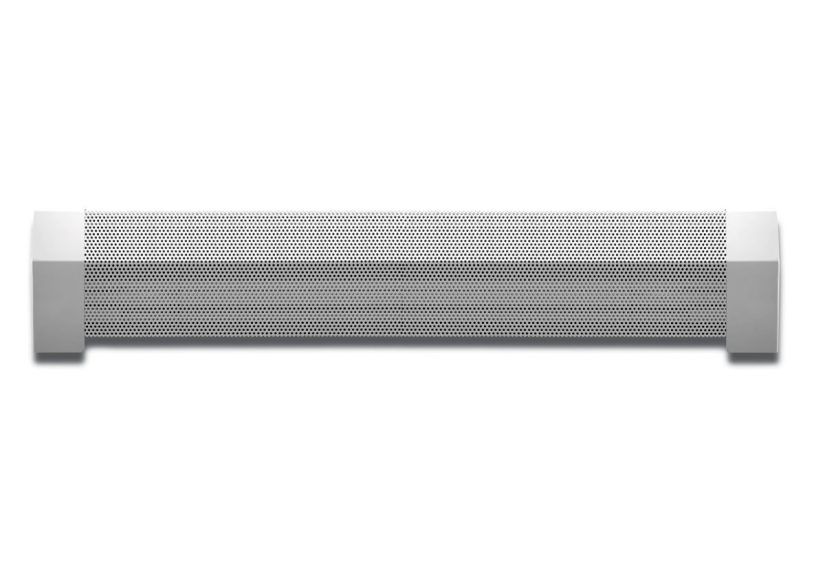
Baseboard heaters are usually installed along exterior walls, under windows, or in spots where heat loss is greatest. The idea is simple: warm the air at floor level so it rises, circulates, and keeps the room comfortable.
Most residential baseboard heaters fall into two broad categories:
- Electric convection baseboard heaters (often just called “electric baseboard heaters”)
- Hydronic baseboard heaters (also called “hot-water” or “liquid-filled” baseboards)
Both types rely on the same basic process: cooler air enters at the bottom, passes over a heated element or heated liquid, warms up, rises out the top, and sets up a gentle convection current in the room. The big difference is how they generate and hold heat.
Main Types of Baseboard Heaters
1. Electric Convection Baseboard Heaters
Electric baseboard heaters are the classic plug-into-your-panel option. Each unit contains an electric heating elementbasically a long metal coil or finned elementthat heats up when electricity flows through it.
How they work
- A dedicated electrical circuit supplies power to the heater.
- The thermostat (either built-in or wall-mounted) tells the heater when to turn on or off.
- The metal element heats up and warms the air that passes over it by convection.
- Warm air rises out of the top, cooler air is pulled in from below, and the cycle continues.
Pros of electric convection baseboards
- Lower upfront cost: Units are relatively inexpensive and easy to source at home centers.
- Easy to install in existing homes: No ductwork, no boilerjust electrical wiring.
- Zone control: You can heat individual rooms independently using separate thermostats.
- Quiet operation: No fans, no blowersjust silent convection (aside from the occasional expansion “click”).
Cons of electric convection baseboards
- Higher operating cost in many regions: Electricity is often more expensive than natural gas or other fuels on a per-BTU basis, so running purely electric baseboards all winter can get pricey.
- Hot surfaces: The metal housing can get quite hot to the touch, which is a concern for kids, pets, and “I’ll just lean this laundry basket here” people.
- No thermal “memory”: Once the power cuts, the heater cools quickly. There’s not much residual heat.
- Wall space hogs: Because they sit where furniture wants to go, they can limit room layout and design options.
2. Hydronic Baseboard Heaters
Hydronic baseboard heaters heat water (or sometimes oil) and use that hot liquid to radiate warmth into the room. You’ll see two main versions:
- Hydronic baseboards connected to a boiler (part of a central hot-water heating system)
- Self-contained electric hydronic baseboards (units with sealed liquid heated by internal electric elements)
How hydronic baseboards work
In a boiler-fed system, a central boiler heats water and pumps it through pipes to each baseboard unit. In a self-contained electric hydronic heater, the unit heats an internal fluid directly with electricity. In both cases, the hot liquid warms metal fins and the heater enclosure, which then radiate and convect heat into the room.
Pros of hydronic baseboard heaters
- More even, comfortable heat: Hydronic units stay warm longer after the thermostat shuts off, so you feel fewer temperature swings.
- Better heat retention: The fluid holds heat, which can make the system more energy-efficient and reduce short cycling.
- Cooler exterior surfaces: The covers are often less scorching to the touch than straight electric elements, which can be safer around kids and pets.
- Quiet and dust-friendly: No fans and gentle convection means less air movement and fewer drafts.
Cons of hydronic baseboard heaters
- Higher upfront cost: Boilers, pumps, and plumbingor self-contained hydronic unitscost more than basic electric baseboards.
- More complex installation: You need piping, proper layout, and in the case of boiler systems, a skilled installer.
- Slower response time: Because liquid takes time to heat and cool, you don’t get instant temperature changes.
- Potential leaks (for boiler systems): If not properly maintained, piping and fittings can leak over time.
3. Other Variations and Special Cases
Within those two main categories, you’ll see some specialized baseboard heater types and features:
- High-output baseboards: Designed to deliver more BTUs per foot, often used in colder climates or poorly insulated rooms.
- Low-profile units: Shorter height options that fit under low windows or in tight spaces.
- Integrated fan-assisted designs: Less common, but some hybrid units use a small fan to move air more quickly while still being quieter than full-blown forced-air systems.
- Smart thermostats and programmable controls: Not a heater type, but a major upgrade that lets you schedule set-backs and reduce energy use without sacrificing comfort.
Baseboard Heating vs. Other Heating Options
To decide if baseboard heaters are right for you, it helps to compare them to other common heating systems: forced air, wall heaters, and radiant floor heating.
Baseboard vs. Forced-Air Heating
Forced-air systems use ducts and vents to blow warm air through your house. They heat quickly and can also handle cooling if you add an AC coil. However, they can be noisy, stir up dust, and create hot-and-cold spots.
Baseboards are quieter, provide more consistent temperature in a given room, and let you heat only the spaces you’re actually using. On the downside, they don’t provide cooling and can be more expensive to run if they’re electric and your power rates are high.
Baseboard vs. Wall Heaters
Wall heaters are usually fan-assisted electric units that push warm air into a room. They’re great when you want fast heatlike in a bathroom or home officebut they’re noisier and can create direct blasts of warm air.
Baseboards, in contrast, are slower and calmer. They rely on natural convection, which means less noise and more gentle warmth, but also slower warm-up times. If you prefer “set it and forget it” comfort, baseboards shine; if you love instant heat on demand, wall heaters might appeal more.
Baseboard vs. Radiant Floor or Panel Heating
Hydronic baseboard heaters are basically the cousin of radiant floor systems and panel radiators. Radiant floors offer ultra-even comfort and invisible equipment, but they’re expensive and disruptive to install in an existing house. Hydronic baseboards give you some of that radiant comfort using simpler, visible units along the walls.
Pros and Cons of Baseboard Heaters Overall
Advantages
- Excellent zone control: Perfect for homes where rooms are used at different times or kept at different temperatures (guest rooms, home offices, basements).
- Quiet operation: No blowers, no ducts, minimal noise.
- No ductwork needed: Ideal for older homes, additions, or spaces where installing ducts would be expensive or impossible.
- Reliability and simplicity: Fewer moving parts than many forced-air systems, especially for electric units.
Disadvantages
- Higher energy cost for all-electric systems in some regions: If electricity is expensive where you live, all-electric baseboards can be costly to run.
- Visible equipment: Some people simply don’t like the look of long metal housings along their walls.
- Furniture placement limitations: You can’t block them with couches, beds, or heavy drapes without hurting performance and creating safety issues.
- Slow heating in poorly insulated spaces: Baseboards can struggle in large, drafty rooms compared with higher-output systems.
How to Choose the Right Baseboard Heater Type
When deciding between electric convection and hydronic baseboard heaters, think about these key factors:
1. Energy Costs and Fuel Availability
If your electricity rates are high but you have access to natural gas, propane, or an efficient boiler, a hydronic boiler-fed baseboard system can be more economical in the long run. If you don’t have gas service or are just heating a few rooms, electric baseboards or electric hydronic units may still make sense.
2. Room Use and Zoning
- Occasional-use rooms (guest rooms, bonus rooms): Electric baseboards can be cost-effective because you only turn them on when needed.
- Main living areas used all day: Hydronic systems may provide more comfortable and efficient, steady heat.
- Bedrooms: Quiet operation and gentle warmth make baseboards a good fit, especially if you like cooler nighttime temperatures with localized heating.
3. Safety and Household Needs
If you have toddlers, curious pets, or a knack for piling laundry along walls, hydronic units with cooler surfaces or well-designed covers may be safer. In all cases, you’ll need to keep combustibles clear: no furniture jammed up against the unit, no curtains draped over it, and no power cords crossing directly on top.
4. Budget and Installation Constraints
On a tight budget? Standard electric baseboards are typically cheaper to buy and install, especially during retrofits. If you’re doing a major renovation or building new, stepping up to a hydronic system might make more sense long-term, especially in colder climates where heating bills dominate your utility costs.
Installation, Safety, and Maintenance Tips
Installation Basics
- Hire a pro for electrical work: Baseboards typically need a dedicated circuit, proper wire sizing, and code-compliant connections.
- Maintain clearances: Follow the manufacturer’s instructions for minimum distances from furniture, drapes, and outlets.
- Place units strategically: Under windows and along exterior walls helps combat drafts and cold spots.
- Size correctly: Undersized heaters will run constantly and still leave you cold; oversized units may short-cycle and feel uneven.
Safety Practices
- Keep them clean: Dust, pet hair, and debris can reduce efficiency and, in extreme cases, increase fire risk.
- Never block the airflow: Avoid placing furniture directly in front of the heater or covering it with anything.
- Use proper covers: If your metal covers are damaged or rusty, replace them; sharp edges and gaps are not your friend.
- Watch for warning signs: Burning smells, buzzing noises, or tripping breakers mean it’s time for a pro to inspect.
Maintenance Essentials
Baseboard heaters are relatively low-maintenance, but not maintenance-free:
- Vacuum regularly: Once or twice a season, vacuum dust and pet hair from the fins and grilles.
- Check thermostats: If rooms don’t reach set temperature or overshoot badly, recalibration or replacement may be needed.
- Hydronic systems: Have your boiler serviced according to manufacturer guidelines and periodically inspect for leaks, corrosion, or air in the lines.
Real-World Experiences: Living With Different Baseboard Heater Types
Numbers and specs are helpful, but how do different baseboard heater types feel in everyday life? Here’s a more experiential look, based on common homeowner scenarios.
Scenario 1: The Cold Basement Office
You’ve turned a basement corner into a home office. It’s chilly, partially finished, and you don’t really want to tear apart the ceiling to run ductwork.
What many homeowners do: Install a dedicated electric baseboard heater with a wall thermostat. It’s affordable, easy for an electrician to wire, and you can keep it off when you’re not working. The trade-off is simple: yes, the kWh cost might be higher, but you’re only heating that small area when you actually need it. For a space used a few hours per day, this makes a lot of sense.
Experience over time: People usually love the quiet and targeted warmth. The biggest complaint? Forgetting to turn it off and then noticing the electric bill. A programmable or smart thermostat solves that problem nicely.
Scenario 2: The Whole-House Hydronic Upgrade
Another homeowner lives in a colder climate with an older furnace and ductwork that never quite keeps the rooms comfortable. During a renovation, they decide to move to a hydronic boiler with baseboard radiators throughout the house.
What they notice:
- The house feels more evenly warm, with fewer drafts and temperature swings.
- The heat has a “gentle” qualityno blasts of hot air, no whooshing vents.
- Rooms stay warm longer after the thermostat turns off, thanks to the water’s stored heat.
Yes, the upfront cost is higher, and it’s not a DIY weekend project, but for many homeowners, the long-term comfort and efficiency are worth itespecially in climates with long heating seasons.
Scenario 3: Pets, Kids, and Safety Worries
Families with young children and pets often worry about hot surfaces. Standard electric baseboard heaters can get very warm, and it’s not unheard of for a cat to nap dangerously close or a toddler to explore the “hot metal shelf.”
How people adapt:
- Choosing hydronic units with cooler exterior covers.
- Adding upgraded baseboard covers designed to improve safety and appearance.
- Teaching older kids that “the long white metal along the wall is hotno touching,” just like the stove.
In day-to-day life, most families do fine with baseboards once they’re aware of the clearance and safety rules. The key is respecting the heater as a heat source, not as a shelf, footrest, or drying rack.
Scenario 4: Design-Conscious Homeowners
If you’re into interior design, you may not be thrilled about long metal strips interrupting your picture-perfect walls. Baseboards can feel visually heavy, especially in minimalist spaces.
However, modern covers, low-profile units, and color-matched finishes can help baseboard heaters blend in. Some homeowners even treat them as architectural lines, aligning furniture and décor so the baseboard becomes part of the visual rhythm instead of an eyesore.
Practical Takeaways From Real-World Use
- Baseboards are fantastic for targeted comfort: If you have specific rooms that are always cold, a baseboard fix can be much cheaper than re-engineering your entire HVAC system.
- Hydronic feels better for all-day heat: For main living areas, the smoother, longer-lasting warmth of hydronic systems tends to win people over.
- Controls matter as much as the heater type: A smart thermostat, good sizing, and proper placement can transform a “meh” heater into a great one.
- Good habits lower costs: Shut doors to unused rooms, lower set points at night, and don’t run heaters full blast with windows cracked open.
Final Thoughts: Is Baseboard Heating Right for You?
Baseboard heaters aren’t flashy. They don’t come with glowing app interfaces that show animated airflow. But for many homes, they quietly deliver exactly what you want: reliable, low-maintenance, room-by-room warmth.
If you need flexible zone heating, have limited space for ducts, or want a quieter alternative to forced air, baseboard heatersespecially the right typecan be an excellent choice. Think through your fuel costs, how you use each room, safety concerns, and what kind of comfort you prefer. Then match those priorities to electric convection, hydronic, or a mix, and you’ll be miles ahead of simply cranking a random heater and hoping for the best.
SEO metadata in JSON format