Table of Contents >> Show >> Hide
- So… healthy or not? The quick (not boring) verdict
- What’s actually in a Beyond Burger patty?
- Beyond Burger nutrition facts: what you’re really getting
- Potential health upsides of Beyond Burger patties
- 1) It can help you eat less red meat (which is often the bigger deal)
- 2) No cholesterol, and saturated fat can be lower than beef
- 3) Controlled studies suggest some cardiovascular markers may improve when swapping plant-based meats for animal meats
- 4) It’s convenientand convenience can be the difference between cooking and ordering fries again
- The health caveats (a.k.a. where the bun meets the road)
- Beyond Burger vs beef vs veggie burgers: a practical comparison
- Who should (and shouldn’t) treat Beyond Burger as a healthy choice?
- How to make a Beyond Burger meal healthier (without making it sad)
- How often can you eat Beyond Burger patties?
- Frequently asked questions
- Conclusion: Are Beyond Burger patties healthy?
- Real-world experiences: what people notice when they add Beyond Burgers to their routine (about )
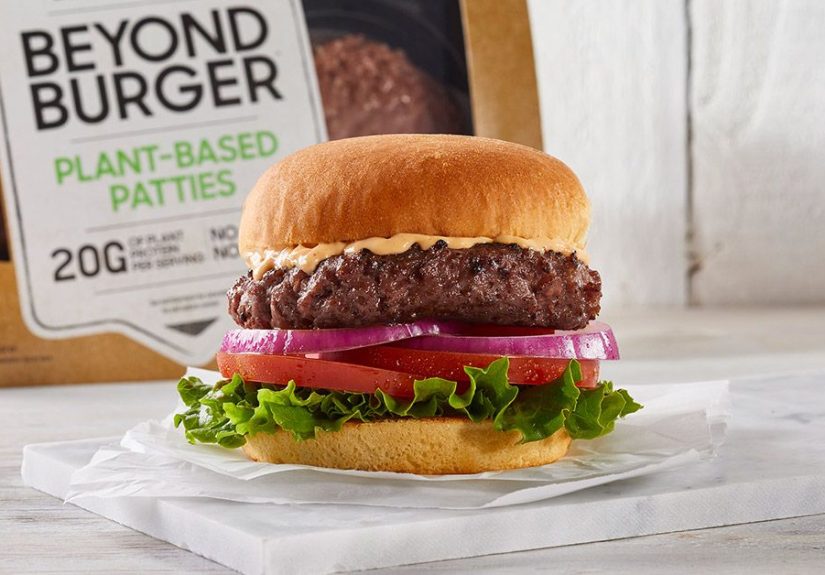
The Beyond Burger is basically the “stunt double” of a beef patty: it looks the part, sizzles on cue, and delivers that burger-night vibe without actually being beef.
But the real question isn’t whether it can fool your taste buds (it can, especially if you’re hungry). It’s whether it deserves a halo in the health department.
Here’s the honest answer: Beyond Burger patties can be a reasonable swap if they help you eat less red meatespecially the higher-saturated-fat kind
but they’re still processed food. Think “better option sometimes,” not “magical wellness puck.”
So… healthy or not? The quick (not boring) verdict
A Beyond Burger patty can fit into a healthy diet if you pay attention to the same things you’d watch with any packaged entrée:
sodium, saturated fat, portion size, and what you pile on top.
- Potential win: It’s cholesterol-free and (in newer formulas) lower in saturated fat than many beef patties.
- Potential oops: Sodium can add up, and it’s still an ultra-processed productnot a whole-food veggie burger made from beans and grains.
- The big truth: Your toppings and sides can turn any burgerplant or beefinto either a decent meal or a nutrition jump-scare.
What’s actually in a Beyond Burger patty?
Beyond Burger patties are designed to mimic beef’s texture, juiciness, and browning. That takes more than just “a pile of vegetables having a good attitude.”
Most versions lean on plant protein (often pea protein), added fats for that “marbled” mouthfeel, plus binders and flavoring to hold it all together.
The usual suspects on the ingredient list
- Plant proteins: Commonly pea protein, sometimes blended with other plant proteins depending on the version.
- Added fats: Formulas have changed over time; some versions used coconut oil, and newer versions may use oils like avocado oil for a different fat profile.
- Binders/texturizers: Ingredients such as methylcellulose help the patty “behave” like meat when heated.
- Flavor and color helpers: Natural flavors and plant-based coloring components help create the beefy look and taste.
- Fortified nutrients: Some plant-based burgers add vitamins/minerals found in animal foods (like B vitamins), though this varies by product.
Translation: you’re not eating a bean patty you could’ve made with three pantry items. You’re eating a carefully engineered product
which isn’t automatically bad, but it does put Beyond Burger in the “processed convenience food” lane.
Beyond Burger nutrition facts: what you’re really getting
Nutrition can vary by version and serving size, but a typical 4-ounce patty in newer formulations is often in the ballpark of:
about 230 calories, around 20+ grams of protein, low single-digit saturated fat, and several hundred milligrams of sodium.
Fiber is usually presentbut not huge.
Why those numbers matter
- Protein: Solid. It’s designed to compete with beef gram-for-gram.
- Saturated fat: Lower than many beef patties in newer versions, but still something to watchespecially if you also eat other saturated-fat-heavy foods that day.
- Sodium: This is where people get surprised. Packaged burgers (plant or not) can be salty, and restaurant versions can be saltier.
- Fiber: Better than beef (which has none), but typically less than whole-food patties made from beans, lentils, or grains.
If you’re comparing “patty vs patty,” Beyond can look pretty decent. If you’re comparing “Beyond Burger meal vs a meal built around beans, veggies, and whole grains,”
the whole-food meal usually wins the health trophy.
Potential health upsides of Beyond Burger patties
1) It can help you eat less red meat (which is often the bigger deal)
If a Beyond Burger is what helps you swap out a beef burger a couple times a week, that can be meaningfulespecially if your usual burgers are made from fattier beef.
Many heart-health experts emphasize that replacing animal-based foods (particularly red meat) with plant-based foods can support cardiovascular health.
A plant-based meat alternative may act as a “bridge food” for people who aren’t ready to go full bean-bowl.
2) No cholesterol, and saturated fat can be lower than beef
Plant-based patties don’t contain dietary cholesterol the way animal foods do, and newer Beyond Burger versions have been reformulated to reduce saturated fat compared to older recipes.
If you’re trying to manage LDL (“bad”) cholesterol, saturated fat is a major leverso a lower-saturated-fat patty can be a helpful swap.
3) Controlled studies suggest some cardiovascular markers may improve when swapping plant-based meats for animal meats
Short-term randomized crossover research comparing plant-based meat alternatives with animal meat has found improvements in certain cardiovascular risk factors when plant-based products replaced animal products.
That doesn’t mean “processed plant burger = health food,” but it does suggest that, in context, swapping can move some markers in a favorable direction.
4) It’s convenientand convenience can be the difference between cooking and ordering fries again
Not every “healthy choice” survives contact with a busy Tuesday. If a Beyond Burger helps you cook at home instead of defaulting to drive-thru dinner,
that can be a net wineven before we talk about macros.
The health caveats (a.k.a. where the bun meets the road)
1) It’s still ultra-processed
Beyond Burger patties are designed in a lab-to-grill pipeline to imitate meat. That generally places them in the “ultra-processed” category.
Ultra-processed doesn’t automatically mean “poison,” but it does mean the product is far removed from a whole food.
In many people’s diets, ultra-processed foods are also where extra sodium and added fats tend to sneak in.
If you’re eating a Beyond Burger occasionally as part of a mostly whole-food diet, the “processed” label is less alarming.
If you’re stacking ultra-processed foods all dayprotein bars for breakfast, packaged snacks at lunch, and Beyond Burger with fries for dinnerthen the pattern matters more than the patty.
2) Sodium can add up fast
Some plant-based burgers are moderate in sodium; others are much higher. And sodium isn’t just about the pattybuns, cheese, sauces, pickles, and fries can turn “reasonable sodium”
into “why am I so thirsty I could drink a swimming pool?”
If you’re managing blood pressure, kidney disease, or fluid retention, sodium is a big deal. Even if you’re not, most Americans already overshoot daily sodium recommendations,
largely due to packaged and restaurant foods.
3) Saturated fat depends on the versionand your whole day
Newer Beyond Burger formulas have reduced saturated fat compared with older versions, but it’s still smart to look at the label.
Also, saturated fat is a “whole-day budget” issue: a patty might be fine, but if you add cheese, creamy sauce, and a milkshake, your saturated fat total can climb quickly.
4) Fiber is there, but not “bean-burger level”
Beef has zero fiber. Beyond has some. But if you want a burger that’s truly fiber-forward (and typically lower in sodium), whole-food pattiesthink black beans, lentils,
quinoa, mushroomsusually do better. Fiber is strongly linked to digestive health, steadier blood sugar, and better long-term heart health outcomes.
5) Ingredient sensitivities and “it doesn’t agree with me” moments
Some people tolerate plant-based meat alternatives perfectly. Others notice bloating, gas, or GI discomfortoften from the combination of concentrated proteins, binders,
and fats. This doesn’t mean the product is “bad”; it means bodies can be picky. If you’re prone to digestive issues, try a half portion first and see how you feel.
Beyond Burger vs beef vs veggie burgers: a practical comparison
“Healthy” depends on what you’re comparing it to. Here’s a simple way to think about it: Beyond Burger is often a better swap than a fatty beef burger,
but it usually isn’t as “clean” as a minimally processed bean-and-grain patty.
| Patty type (typical serving) | Calories | Protein | Saturated fat | Sodium | Fiber |
|---|---|---|---|---|---|
| Beyond Burger (about 4 oz) | ~230 | ~21 g | ~2 g | ~310 mg | ~2 g |
| 85% lean beef burger (about 4 oz) | ~240 | ~21 g | ~6 g | (often lower, varies) | 0 g |
| Black bean/whole-food veggie burger (varies) | varies | varies | often lower | varies (often can be lower) | often higher |
| Salmon burger (varies) | varies | varies | often lower | varies | 0 g |
Takeaway: Beyond Burger can be a smart “swap burger,” especially if you’re replacing higher-saturated-fat beef. But if your goal is maximum nutrition density,
whole-food patties (or non-burger meals built around legumes and veggies) often win.
Who should (and shouldn’t) treat Beyond Burger as a healthy choice?
It may be a good fit if you:
- Want to cut back on red meat but still crave a burger experience.
- Are watching cholesterol and prefer a cholesterol-free patty.
- Need an easy protein option that helps you cook at home more often.
- Are transitioning toward plant-based eating and want a familiar stepping stone.
Be more cautious (or label-read like a detective) if you:
- Have high blood pressure or need to limit sodium.
- Are trying to minimize ultra-processed foods overall.
- Have digestive sensitivities to certain binders or concentrated proteins.
- Assume “plant-based” automatically means “low-calorie” (it doesn’t).
How to make a Beyond Burger meal healthier (without making it sad)
Most burgers don’t get unhealthy because of the patty alone. They get unhealthy because we treat toppings like they’re free samples at a mall kiosk.
Here’s how to build a Beyond Burger meal that actually feels good afterward.
Upgrade the base
- Choose a whole-grain bun for more fiber, or use a lettuce wrap if you prefer lighter.
- Toast the bun so you feel like you’re eating a real burger, not a steamed memory of a burger.
Go big on vegetables
- Load up with lettuce, tomato, onion, pickles, grilled mushrooms, roasted peppers, or slaw.
- Add avocado for creamy texture (and you can often skip mayo).
Be strategic with “extras”
- Cheese: delicious, but it adds saturated fat and sodium. If you use it, consider one slice and skip creamy sauces.
- Sauces: ketchup and special sauce can be sneaky sodium/sugar sources. Try mustard, salsa, or a quick yogurt-based sauce if you eat dairy.
- Salt: taste it before salting. Your patty and pickles may already be doing the most.
Pick a side that helps your body, not just your cravings
- Swap fries for a big salad, roasted vegetables, grilled corn, or a bean-based side.
- If fries are non-negotiable (I respect your honesty), split them or keep the portion small.
How often can you eat Beyond Burger patties?
There’s no universal “Beyond Burger limit,” but here’s a realistic rule of thumb:
if most of your meals are built from whole or minimally processed foods (vegetables, fruits, beans, whole grains, nuts, fish or lean proteins if you eat them),
then having a Beyond Burger occasionallylike once a week or a few times a monthcan fit comfortably.
If your diet is already heavy in packaged foods, then the healthiest move is often not “swap beef for Beyond every day,” but rather
“eat more whole plant foods and use Beyond as a convenience option.”
Frequently asked questions
Is Beyond Burger “healthy” for weight loss?
It can be, if it helps you control overall calories and build satisfying meals. The patty itself isn’t low-calorie, but it can be part of a filling dinner.
Where people get derailed is the burger stack: giant bun, cheese, mayo, fries, and a sugary drink. That combo can overshoot your calorie needs fast.
Is Beyond Burger good for heart health?
It can be a better option than higher-saturated-fat beef burgers, especially in newer formulations with less saturated fat.
But heart health also cares about sodium, overall diet quality, and how often you’re eating ultra-processed foods.
If you’re watching blood pressure, pay extra attention to sodium across the whole meal.
Is Beyond Burger okay for people with diabetes?
Many people with diabetes can include Beyond Burger as part of a balanced meal, especially if it helps replace fatty meats.
Pair it with high-fiber sides (salad, beans, roasted vegetables) and choose a whole-grain bun or open-face serving to keep blood sugar steadier.
If you’re counting carbs, remember buns and sauces matter far more than the patty.
Is a Beyond Burger healthier than a homemade black bean burger?
Usually, the homemade black bean burger wins for “whole-food nutrition”more fiber, fewer additives, and often less sodium if you control the seasoning.
But the best burger is also the one you’ll actually eat. If Beyond helps you skip beef and still enjoy burger night, it can be a practical win.
Conclusion: Are Beyond Burger patties healthy?
Beyond Burger patties live in the “better swap” category, not the “superfood” category.
They can be healthier than a typical beef burger in key waysespecially when saturated fat is lowerwhile still being processed and sometimes moderate-to-high in sodium.
If you want the most health benefit, use Beyond Burger like a tool:
a convenient protein option that helps you eat less red meat, while you build the rest of your week around whole plantsbeans, lentils, vegetables, fruit, and whole grains.
And remember: the patty is just the opening act. The toppings and sides decide whether your meal is “feel-good dinner” or “why is my ring tight?”
Real-world experiences: what people notice when they add Beyond Burgers to their routine (about )
Because Beyond Burger patties sit at the intersection of “health goals” and “comfort food,” people tend to have strong opinionsand surprisingly specific stories.
Here are a few common experience patterns that show up again and again, plus what they can teach you about using plant-based burgers wisely.
Experience #1: The “weekday swap” that actually sticks
A lot of flexitarians start the same way: they don’t want to give up burgers, but they do want to cut back on red meat.
In practice, that often looks like replacing one beef-burger night per week with a Beyond Burger. The surprising part?
Many people report the swap feels easiest when they keep the burger ritual intact: same grill, same bun, same picklesjust a different patty.
That familiarity reduces decision fatigue, which is a very underrated health strategy.
The “health upgrade” usually comes from what happens next: once the patty swap feels normal, people start tweaking the rest of the plate.
They add a big salad because it makes the meal feel lighter. They switch to mustard or a tangy yogurt sauce. They go for roasted potatoes instead of fries.
In other words, the patty is the gateway… to more vegetables. (Not the most dramatic movie plot, but very effective.)
Experience #2: The “why am I so thirsty?” moment
Another common story: someone eats a plant-based burger at a restaurant and wakes up feeling extra thirsty or a little puffy.
They blame the pattybut it’s often the full sodium squad: the bun, the sauce, the pickles, the fries, and sometimes even a salty seasoning blend on the patty.
This is why people who are sodium-sensitive do better making Beyond Burgers at home, where you can:
skip extra salt, choose lower-sodium condiments, and add crunch with fresh veggies instead of salty add-ons.
Experience #3: The digestion wildcard
Some people feel totally fine after a Beyond Burger. Others feel like their stomach is running background updates.
If you’ve ever had that “hmm, my gut has feedback” feeling, it doesn’t mean you did something wrong.
Concentrated plant proteins, added fats, and binders can hit differently depending on your digestion.
People who do best usually start with one patty (not a double), pair it with fiber-rich sides, and keep the rest of the meal simple.
If you’re sensitive, a homemade lentil or black bean burger might feel gentler.
Experience #4: The “health halo” trap (and how to avoid it)
The biggest pitfall is assuming plant-based automatically means “light,” then unconsciously eating larger portions.
A Beyond Burger can still be calorie-dense once you add cheese, mayo, and a side. The fix isn’t to fear the burgerit’s to build the meal with intention:
load vegetables, choose one rich add-on (cheese or creamy sauce, not both), and pick a side that supports your goals.
Bottom line from real-life patterns: Beyond Burger patties work best as a transition food and a convenience protein.
When you treat them like “sometimes food” inside an overall whole-food-forward routine, they can absolutely earn a spot on your grill.