Table of Contents >> Show >> Hide
- Why Visual Interest Matters More Than Matching Sets
- Start With a Style Story, Not a Shopping Cart
- Play With Color the Remodelaholic Way
- Layer Textures Like a Designer
- Mix Patterns Without Making Your Eyes Cross
- Play With Scale and Shape
- Curate Accessories, Don’t Just Collect Them
- Add Life With Light, Greenery, and Mirrors
- Room-by-Room Ideas for Adding Interest and Variety
- Real-Life Lessons From Adding Interest and Variety
- Bringing It All Together
If your home currently looks like the “before” photo in a makeover showflat, matchy-matchy, and just a little bit boringyou’re in the right place. Adding interest and variety to your decor isn’t about buying an entirely new houseful of furniture. It’s about layering color, texture, pattern, and personality so your rooms feel like you live there, not like you’re just visiting a rental staging.
Inspired by the DIY spirit of Remodelaholic-style homes, this guide breaks down how to create visual interest without turning your space into chaotic clutter. Think: more “collected and curated,” less “accidentally hoarded.” We’ll talk about color, scale, patterns, texture, accessories, and even a few trend-forward ideas you can steal today.
Why Visual Interest Matters More Than Matching Sets
A room filled with perfectly coordinated pieces from a single catalog spread can look… fine. But “fine” rarely feels personal. Visual interest comes from contrast and variety: rough next to smooth, bright against neutral, big beside small, old with new. That tension is what keeps your eye moving and makes your space feel warm, welcoming, and lived in.
Designers consistently emphasize that mixing elements is what brings a room to life: different furniture heights, layered textiles, bold art, and accessories with a story. Too much sameness, and your space feels flat; too much variety with no plan, and it feels chaotic. Our goal is that sweet spot in betweenintentional variety.
Start With a Style Story, Not a Shopping Cart
Define the vibe you’re going for
Before you buy one more pillow, get clear on the story you want your home to tell. Are you aiming for relaxed coastal, warm modern, cottage-core, Scandi maximalist, or “I love everything and somehow it works”? Collect inspiration photos and notice patterns: colors you repeat, shapes you love, the level of busyness you’re comfortable with.
Once you see the common threadslike lots of natural wood, curved furniture, or saturated jewel tonesyou can use those as your guide. This helps you add variety while still keeping a cohesive backbone, so your decor looks intentional instead of random.
Choose a hero piece in each room
Every space needs at least one hero: a patterned rug, a bold sofa, a stunning piece of art, or a statement light fixture. That anchor brings instant interest, then you can layer supporting pieces around it. If everything is quiet, the room feels underdressed. If everything is screaming for attention, your eyes get tired. One or two heroes per room is usually plenty.
Play With Color the Remodelaholic Way
Color is the quickest way to add energy and variety to your decor. You don’t have to paint your entire house emerald green (unless you want tono judgment); even a few strategic color decisions can transform a space.
Build your palette from art or textiles
A pro trick is to start with something you already love: a piece of art, a vintage rug, or patterned curtains. Pull two or three colors from that item to create your room’s palette. Let one color be the star (walls or a large piece of furniture), one be a supporting color (pillows, throws, lamps), and one be an accent you sprinkle lightly.
Use contrast to create interest
High contrast naturally grabs attention. Think navy walls with pale wood furniture, a dark sofa on a light rug, or black window trim in an otherwise soft space. In more neutral rooms, use contrast through warm vs. cool tones, matte vs. glossy finishes, or light vs. dark wood. Even a mostly beige room can feel rich and varied if you mix undertones and textures instead of sticking to one flat shade.
Bring in color in controllable doses
Not ready to commit to a bold wall? Add color through throw pillows, artwork, lampshades, accent chairs, or even painted furniture. These layers add variety that you can tweak seasonally or swap out as your style evolves, especially if you keep your big investment pieces more neutral.
Layer Textures Like a Designer
Texture might be the most underestimated way to create variety in decor. A room full of smooth, flat surfaces will feel sterile, even if the colors are great. To fix that, think in terms of “texture categories” and try to hit several in every room:
- Soft: linen, cotton, velvet, boucle, knit throws, fabric shades.
- Hard: wood, metal, glass, stone, ceramic.
- Organic: wicker, rattan, seagrass, jute, plants.
- Reflective: mirrors, metallic finishes, glossy tile.
A cozy living room might have a chunky knit throw over a smooth leather sofa, a jute rug under a wooden coffee table, plus a shiny metal floor lamp and a few leafy plants. None of those elements is wild on its own, but together they give the room depth and dimension.
Mix Patterns Without Making Your Eyes Cross
Pattern is where a lot of people panicand where a lot of visual interest lives. The good news: there are simple rules you can follow so your decor feels lively, not loud.
Use the “one big, one medium, one small” rule
When mixing patterns, vary the scale:
- One large-scale pattern (rug, wallpaper, or bedding).
- One medium pattern (pillows, curtains, or an accent chair).
- One small pattern (throw blanket, smaller pillow, or decorative accessory).
For example, pair a large floral rug with medium-sized plaid pillows and a small geometric throw. The change in scale keeps things interesting but still harmonious.
Stick to a shared color story
Wildly different patterns feel cohesive when they share colors. You can mix stripes, florals, and geometrics as long as the palette overlaps. Choose one or two main colors and let the patterns riff off those, instead of adding every color in the rainbow.
Balance busy with calm
If the sofa, rug, and curtains are all patterned, your eyes will beg for a break. Balance busy patterns with solids and simple textures. A patterned sofa looks more intentional when paired with a simple rug and solid curtains, plus a few pillows that echo, rather than compete with, the main print.
Play With Scale and Shape
Another easy way to add variety is to mix sizes and shapes. Rooms where everything is the same height and proportion (same-size artwork, same-height furniture, all square or all round) tend to look flat. Designers often switch up:
- Furniture height: low sofa with a taller cabinet, floor lamp, or bookcase.
- Art scale: one oversized piece instead of a dozen tiny frames.
- Shape variety: round coffee table with a rectangular sofa, arched mirror over a linear console, curvy chairs with a straight-edged dining table.
The goal is variety with purpose. A mix of scales makes your room feel dynamic and layered, while a few repeated shapes (like several round elements) keep it from feeling scattered.
Curate Accessories, Don’t Just Collect Them
Accessories are the easiest place to inject personalityand the quickest way to accidentally create clutter. The trick is to curate, not just accumulate.
Work in vignettes and odd numbers
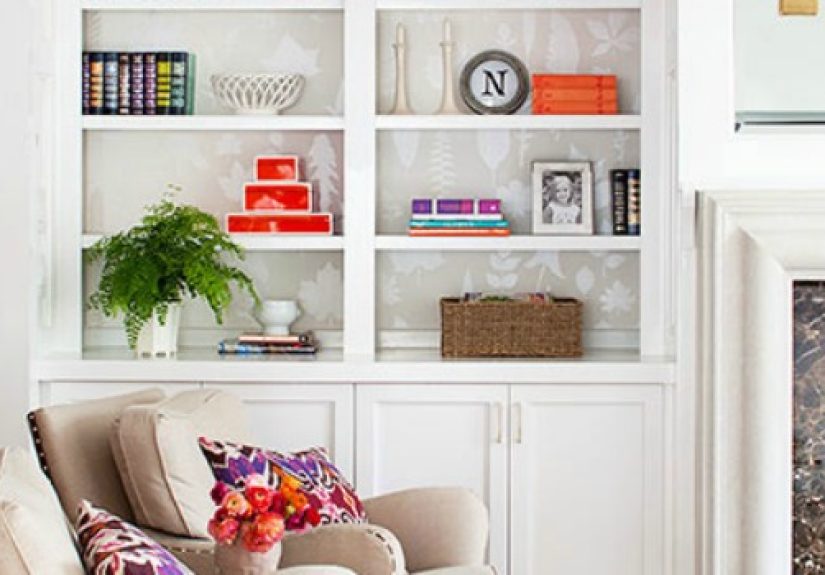
Style surfaces (like mantels, nightstands, and consoles) in small vignettes. Group items in odd numbers (3 or 5) and vary height, texture, and shape. For example: a stack of books, a small sculptural object, and a vase of greenery. That mini-composition adds interest without overwhelming the whole surface.
Show off collections with intention
Love vintage cameras, colorful glass bottles, or ceramic animals? Great. Dedicate a single shelf, cabinet, or wall to that collection instead of sprinkling pieces randomly throughout the house. This instantly adds variety and tells a story, while still feeling edited and intentional.
Let some surfaces breathe
Negative space (empty wall, untouched corner of a shelf) is your friend. If every inch is covered, your brain doesn’t know where to look. Leaving some breathing room actually makes your coolest pieces stand out more, which is the whole point of adding interest in the first place.
Add Life With Light, Greenery, and Mirrors
Three of the hardest-working “variety boosters” are lighting, plants, and mirrors.
Layer your lighting
Relying on a single overhead light makes a room look flat and sometimes a little harsh. Aim for at least three sources of light in a room: ambient (ceiling fixture), task (reading lamp, desk lamp), and accent (sconces, picture lights, candles). Different heights and intensities create depth and make your decor look more polished.
Use plants as living decor
Plants soften hard edges, add organic texture, and bring instant freshness. Mix sizes: a tall fiddle-leaf tree in a corner, mid-height plants on a console, and small succulents or herbs on windowsills. If you’re not a plant parent yet, start with low-maintenance options like snake plants or pothos, or use realistic faux greenery where natural light is limited.
Try mirrors for light and visual interest
Mirrors bounce light around and visually expand a space, adding both function and style. One oversized mirror leaning on a wall, a grid of smaller framed mirrors, or a mirror behind a console vignette can make a huge difference. Just make sure the mirror reflects something you actually want to look atlike art, a window, or a styled shelfnot the back of your TV.
Room-by-Room Ideas for Adding Interest and Variety
Living room
- Swap a matching sofa-and-loveseat combo for one sofa plus two contrasting chairs.
- Layer a patterned area rug over a larger neutral rug for extra texture.
- Mix pillow sizes, shapes, and fabrics while keeping to one color palette.
- Add one statement piece: an oversized art print, a dramatic floor lamp, or a bold coffee table.
Bedroom
- Choose layered bedding: crisp sheets, a quilt, a duvet, and a throw at the foot of the bed.
- Use mismatched but coordinating nightstands or lamps for a more collected feel.
- Hang art above the bed that introduces color and scale beyond just the headboard.
- Introduce a different texture at the window, like linen or patterned drapery.
Kitchen and dining
- Style open shelves with a mix of everyday dishes, cookbooks, plants, and one or two sculptural pieces.
- Use a runner with pattern or color on the table or floor to break up all the hard surfaces.
- Install pendants or a chandelier that contrasts with your cabinets (metal finish, shape, or color).
- Mix chair styles at the dining tableend chairs or a bench in a different shape or fabric.
Entryway
- Layer a small rug over a runner to create a “moment” at the door.
- Add hooks or a peg rail plus a shelf to create a mini drop zone.
- Use a round mirror above a rectangular console to break up straight lines.
- Style a tray with keys, a small plant, and a candle to turn everyday clutter into a vignette.
Real-Life Lessons From Adding Interest and Variety
Theory is great, but decor decisions happen in real homes with real budgets, real pets, and real “How did we end up with three different coffee tables?” moments. Here are a few lived-in lessons that tend to show up when people start pushing their decor beyond the safe, matching sets.
1. Your first attempt will feel “too much” (and that’s okay)
When you’re used to neutral, sparse spaces, the first time you hang bold art or add patterned pillows, it can feel like your room is yelling. Give it a few days. Our eyes adjust, and what felt loud at first often settles into “fun and interesting.” If it still feels like too much after a week, edit one element, not everything.
2. Variety doesn’t have to mean expensive
The fastest way to add interest isn’t buying all-new furniture; it’s rethinking what you already own. Try moving a chair from the bedroom into the living room, swapping art between rooms, or styling your kitchen crockery on open shelves. Add inexpensive upgrades like a new lamp shade, a thrifted side table, or peel-and-stick wallpaper on the back of a bookcase. Small layers often make the biggest difference.
3. Personal pieces beat perfect styling
Some of the most memorable rooms aren’t the ones with flawless symmetry; they’re the ones with a framed ticket from your favorite concert, a weird little thrifted sculpture, or your grandma’s quilt layered over a modern duvet. Those items break up the “nice but generic” look and introduce stories. When in doubt, decorate with things that matter to youeven if they aren’t technically on trend.
4. Editing is part of the process
Adding variety is only half the job; editing is the other half. Whenever a room starts to feel busy, clear one surface completely and restyle it from scratch. Remove one pattern, simplify one wall, or pack away a few accessories to rotate in later. Your home is allowed to evolve. In fact, the spaces that feel most interesting usually look like they’ve been built over time, not finished in a single weekend.
5. Small risks build confidence
You don’t have to jump straight into bold wallpaper on every wall. Start with a patterned pillow, a colorful lampshade, or a single painted accent piece. As you see how much impact these little changes make, you’ll get braver with bigger moves: a patterned rug, a statement light fixture, or a gallery wall that mixes photos, art, and vintage finds. Decorating gets more fun when you let yourself play.
Over time, these experiments add up. You’ll look around one day and realize your home doesn’t just look prettyit looks like you. That’s the real magic of adding interest and variety to your decor: your space becomes a three-dimensional snapshot of your life, your memories, and your personality.
Bringing It All Together
Adding interest and variety to your decor doesn’t mean tossing everything you own and starting over. It means being more intentional about what you bring in and how you layer it: bolder color choices, richer textures, smarter pattern mixes, varied scale, and accessories with personal meaning. When you approach your rooms like a stylist instead of a catalog shopper, even small tweaks can have a big impact.
Start with one room and one categorycolor, pattern, texture, or accessories. Make a few changes, live with them, and adjust. Your home doesn’t have to be “done” to be beautiful. In fact, the most interesting spaces rarely are. They’re constantly evolving, just like the people who live in them.
SEO JSON