Table of Contents >> Show >> Hide
- What Is Overactive Bladder?
- Standard Treatments for OAB (So You Know the Playing Field)
- So… What Is Acupuncture, Exactly?
- How Might Acupuncture Help Overactive Bladder?
- What Does the Research Say?
- Pros of Acupuncture for Overactive Bladder
- Cons of Acupuncture for Overactive Bladder
- Safety: Who Should Be Cautious?
- What to Expect If You Try Acupuncture for OAB
- How to Choose a Qualified Acupuncturist
- How to Get the Most Out of Acupuncture (If You Try It)
- Quick FAQ
- Real-World Experiences (About ): What People Commonly Report
- Bottom Line
If your bladder has started acting like a toddler on a road trip“NOW! NOW! NOW!”you’re not alone.
Overactive bladder (OAB) can turn normal errands into a bathroom-scouting mission. And if you’ve tried
the usual advice (drink less coffee, do Kegels, “just relax”), you might be wondering whether
acupuncture could help calm the chaos.
This article breaks down what overactive bladder is, where acupuncture might fit, what research says
(including the not-so-glamorous fine print), and how to decide if it’s worth your time, money, and
willingness to befriend tiny needles.
What Is Overactive Bladder?
Overactive bladder is a cluster of symptoms, not a single disease. The core problem is urgency
that sudden, strong “I need to pee right now” feeling that can be hard to ignore. OAB often includes:
- Urinary urgency: a sudden, compelling need to urinate
- Frequency: going more often than you’d like during the day
- Nocturia: waking up at night to urinate
- Urgency urinary incontinence: leaking urine after an urgent need to go
Important note: OAB symptoms can overlap with other issueslike urinary tract infections (UTIs),
bladder irritation, pelvic floor problems, enlarged prostate symptoms, certain medications, neurologic
conditions, or uncontrolled blood sugar. If symptoms are new, worsening, painful, or include blood in
urine, it’s smart to get checked. (Your bladder doesn’t get to make surprise plot twists without a
medical review.)
Why Does OAB Happen?
OAB is often “idiopathic,” meaning there isn’t one obvious cause. In many cases, the bladder muscle
(the detrusor) becomes overly active or the nerve signaling between bladder and brain gets a little too
enthusiastic. Think of it as your bladder sending “emergency” emails for routine situations.
Standard Treatments for OAB (So You Know the Playing Field)
Most care plans start with a mix of education, behavior changes, andif neededmedications or procedures.
A big theme in modern OAB care is shared decision-making: choosing options that match your
goals, lifestyle, and comfort level.
Behavioral and Lifestyle Strategies
- Bladder training: gradually stretching the time between bathroom trips
- Timed voiding: going on a schedule (not only when urgency strikes)
- Pelvic floor muscle training: strengthening and coordinating the “support team” around the bladder
- Fluid strategy: spacing fluids through the day, limiting big drinks right before bed
- Trigger review: caffeine, alcohol, carbonated drinks, acidic foods, and spicy foods can worsen symptoms for some people
- Constipation management: yes, your bowels can bully your bladder
Medications
If lifestyle changes don’t give enough relief, clinicians may consider:
- Antimuscarinics (anticholinergics): help relax the bladder but may cause dry mouth, constipation, and in some people, cognitive side effects
- Beta-3 agonists: help the bladder store urine and may have a different side-effect profile
Procedures for Persistent Symptoms
For symptoms that don’t respond well to the above, options can include:
- Botulinum toxin (Botox) injections into the bladder muscle
- Percutaneous tibial nerve stimulation (PTNS) (a type of nerve stimulation done in clinic)
- Sacral neuromodulation (implantable nerve stimulation for selected cases)
Knowing these options matters because acupuncture is usually considered a complementary
approachsomething used alongside standard care, not necessarily instead of it.
So… What Is Acupuncture, Exactly?
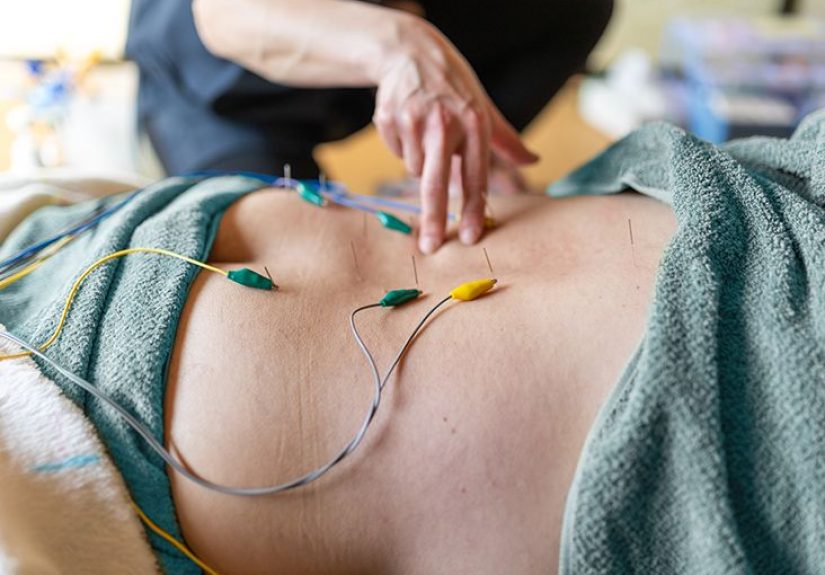
Acupuncture is a technique from traditional East Asian medicine where very thin, sterile needles are
inserted at specific points on the body. In modern practice, it’s also studied through a biomedical lens:
how it may influence nerves, muscles, circulation, inflammation signals, and pain processing.
Types You Might See for OAB
- Manual acupuncture: the classic needle approach
- Electroacupuncture: gentle electrical stimulation connected to needles (often described as a light tapping or buzzing sensation)
- Auricular (ear) acupuncture: points on the ear used in some protocols
Practitioners may also pair acupuncture with relaxation techniques, breathing work, heat therapy, or
lifestyle coaching. Some people love this “whole-person” vibe. Others just want their bladder to stop
staging protests at 2 a.m. Both are valid.
How Might Acupuncture Help Overactive Bladder?
Research is still evolving, but several theories show up repeatedly:
- Neuromodulation: acupuncture may influence nerve pathways involved in bladder signaling, similar in spirit (though not identical) to PTNS or other nerve-based therapies
- Autonomic nervous system balancing: shifting “fight-or-flight” overdrive that can worsen urgency for some people
- Muscle and pelvic floor effects: improving coordination or reducing tension in areas that affect bladder control
- Stress and sleep support: less stress and better sleep can reduce symptom intensity for some patients
Translation: acupuncture is not “magic bladder off-switch,” but it may nudge the systems that influence
urgency, frequency, and quality of life.
What Does the Research Say?
Here’s the honest, grown-up answer: evidence is promising in some studies, but not definitive.
Many trials are small, use different acupuncture point combinations, compare against different controls
(including “sham acupuncture”), and measure outcomes in different ways. That makes it hard to give a
one-size-fits-all verdict.
The Big Picture
Systematic reviews (studies that pool results from multiple trials) generally suggest acupuncture may
improve OAB symptoms for some people, but they also highlight uncertainty due to study quality, sample
size, and inconsistent methods. In other words: there may be benefit, but we need better, larger trials
to know exactly who benefits most and how strong the effect truly is.
What Counts as “Improvement” in OAB Studies?
Researchers often track changes like:
- daily bathroom trips (frequency)
- urgency episodes
- leakage episodes
- nighttime awakenings (nocturia)
- quality-of-life scores
- bladder diary results
A realistic outcomeif acupuncture helpsmight be “fewer urgency episodes and fewer bathroom trips,”
not necessarily “I’m cured forever and can chug iced coffee with reckless abandon.”
Pros of Acupuncture for Overactive Bladder
1) Generally Low Risk When Done Properly
When performed by a well-trained, licensed professional using sterile, single-use needles, acupuncture
is generally considered safe. Most side effects are mild (temporary soreness, small bruises, brief
lightheadedness).
2) A Non-Drug Option (Helpful If Med Side Effects Are a Problem)
Some OAB medications work well, but side effects like dry mouth or constipation can be deal-breakers.
If you’re trying to avoid or minimize medication, acupuncture may be a reasonable adjunct to behavioral
therapies.
3) May Pair Well With Bladder Training and Pelvic Floor Therapy
Acupuncture doesn’t have to compete with standard OAB treatment. Some people use it while doing pelvic
floor physical therapy or bladder training, especially if stress, muscle tension, or sleep problems are
part of their symptom story.
4) The “Whole-System” Benefit
Even when bladder symptoms are stubborn, many people report feeling calmer, sleeping better, or having
reduced stressfactors that can indirectly help urgency and nocturia.
Cons of Acupuncture for Overactive Bladder
1) The Evidence Isn’t Crystal Clear
The biggest drawback is uncertainty. Some studies show benefit, others show modest or unclear effects,
and methodology varies widely. If you want a treatment backed by massive, consistent trials for OAB,
acupuncture isn’t there yet.
2) Time Commitment Is Real
Acupuncture usually isn’t one-and-done. Many protocols involve 6–12 sessions (sometimes more), often
weekly at first. That’s time, scheduling, and transportationplus remembering your bladder diary like
it’s your new part-time job.
3) Cost and Insurance Coverage Can Be Tricky
In the U.S., session costs vary widely by region and provider. Some people pay out of pocket, while
others have partial insurance coverage depending on their plan. Medicare coverage for acupuncture is
limited (and generally tied to specific conditions like chronic low back pain), so OAB coverage is not
something to assume.
4) Rare but Serious Risks Exist
Serious complications are uncommon but possibleespecially if needles are not sterile, technique is poor,
or a practitioner is inadequately trained. This is why credentials and clean-needle practices matter.
Safety: Who Should Be Cautious?
Always tell the practitioner about your health history and medications. Extra caution may be needed if you:
- take blood thinners or have a bleeding disorder
- have a pacemaker or implanted electrical device (especially relevant for electroacupuncture)
- are pregnant (some points may be avoided)
- have a compromised immune system or active skin infection near the treatment area
- have a needle phobia that could trigger fainting (it happensyour nervous system is allowed to be dramatic)
What to Expect If You Try Acupuncture for OAB
Step 1: A Good Intake (Not Just “So, Where’s the Bladder?”)
Expect questions about symptoms, sleep, stress, diet, bowel habits, medications, and overall health.
A reputable practitioner should also encourage medical evaluation for red flags and coordinate care
when appropriate.
Step 2: A Treatment Plan
Many people start with weekly sessions for several weeks, then reassess. The first session may be longer.
Needles are thin; most people feel pressure, warmth, a dull ache, or a brief pinchoften less intense
than they expected.
Step 3: Tracking Progress Like a Scientist (But With More Bathrooms)
A bladder diary is one of the best ways to know if anything is working. Track:
- how often you urinate
- urgency episodes
- leakage
- nighttime trips
- fluid intake and possible trigger foods/drinks
A practical “win” might be going from 12 bathroom trips to 9, or reducing nighttime wake-ups from 3 to 1.
Those changes can feel huge in real life.
How to Choose a Qualified Acupuncturist
- Look for licensure: Most states regulate acupuncture. Verify active licensing where you live.
- Check national certification: Many licensed practitioners hold NCCAOM certification.
- Ask about clean-needle technique: Single-use, sterile needles are non-negotiable.
- Ask about experience with urinary symptoms: You want someone comfortable working with pelvic-related conditions.
- Make it a team sport: If you have a urologist, primary care clinician, or pelvic floor therapist, consider letting them know you’re adding acupuncture.
How to Get the Most Out of Acupuncture (If You Try It)
Acupuncture tends to work best when it’s part of a bigger plan. Consider pairing it with:
- Bladder training (gradually extending time between bathroom trips)
- Pelvic floor physical therapy (especially if you have pelvic tension or coordination issues)
- Caffeine timing (or reductionyes, I know, I’m sorry)
- Evening fluid strategy (avoid big drinks close to bedtime)
- Constipation prevention (fiber, water earlier in the day, movement, and clinician guidance if needed)
- Stress management (because your nervous system is absolutely involved in this story)
Quick FAQ
How many sessions before I know if it’s helping?
Many people reassess after about 4–6 sessions. If there’s no meaningful change in bladder diary metrics
or quality of life after a reasonable trial, it may be time to pivot.
Does acupuncture “cure” overactive bladder?
OAB is often a chronic condition that responds to management strategies over time. Acupuncture may help
some people reduce symptoms, but it shouldn’t be presented as a guaranteed cure.
Is electroacupuncture better than manual acupuncture?
Some trials use electroacupuncture, and it may have stronger neuromodulatory effects for certain symptoms,
but results vary. The best choice depends on your health history, comfort level, and practitioner skill.
Real-World Experiences (About ): What People Commonly Report
Let’s talk about the part research papers can’t fully capture: how acupuncture feels in real life
when your bladder has been auditioning for a percussion section. People’s experiences are variedbecause
bodies are weird, nervous systems are dramatic, and OAB has more than one “flavor.”
Many people describe the first session as unexpectedly relaxing. They walk in braced for
pain and leave thinking, “Wait… that was it?” The needles are typically thinner than you’d imagine, and
sensations are often described as pressure, warmth, a mild ache, or a heavy feelingnot sharp pain.
Some patients report feeling sleepy afterward, like their body finally got the memo that it’s allowed
to downshift.
When symptom improvement happens, it often starts subtly. Instead of a dramatic “miracle,”
people report noticing that urgency spikes are less intense, or that they can pause, breathe, and walk
to the bathroom without panic. Others notice they’re waking up one fewer time at night, which can feel
like winning a small lotterybecause sleep is priceless and also because nobody wants to play
“stumble-to-the-bathroom” at 3 a.m.
Some people say acupuncture helps most with the “stress-bladder” connection. If your urgency
gets worse during deadlines, anxiety, travel, or conflict (aka “being a human”), the relaxation effect
may indirectly reduce symptoms. People sometimes describe it as their bladder being “less jumpy” when
their whole system is calmer.
Not everyone respondsand that’s a real experience too. Some patients complete a series of
sessions, keep careful diaries, and conclude that acupuncture didn’t meaningfully change urgency,
frequency, or leakage. Others feel benefits only while sessions are ongoing and notice symptoms creep
back when they stopsimilar to how stopping exercise can change how your body feels. This doesn’t mean
acupuncture “failed”; it may mean it wasn’t the right tool for your OAB pattern, or that another
approach (pelvic floor therapy, medications, nerve stimulation, or a different combination) is a better fit.
Practical realities show up in experience stories. Scheduling weekly visits can be hard.
Costs can add up. And some people simply don’t enjoy needles (fair!). On the flip side, others value the
routine: a consistent time to focus on health, reduce stress, and feel supportedespecially when OAB has
made them feel isolated or embarrassed.
The most consistent “experienced-based” takeaway: acupuncture is best approached as a trial
with clear goals. Track symptoms, define what success looks like (even small wins), and reassess honestly.
If it helps, greatkeep what works. If it doesn’t, you haven’t “wasted” effort; you’ve gathered data about
what your body responds to. And your bladder? It respects evidence… eventually.
Bottom Line
Acupuncture may help some people with overactive bladderespecially as a complementary strategy alongside
bladder training, pelvic floor therapy, and lifestyle changes. The upside is a generally favorable safety
profile when performed by a qualified professional and the appeal of a non-drug approach. The downside is
that research is still developing, results vary, and it may require a time-and-money commitment before
you know whether it’s worthwhile for you.
If you’re curious, the smartest approach is a structured trial: choose a qualified practitioner, keep a
bladder diary, set realistic goals, and coordinate with your healthcare clinicianso your plan is safe,
personalized, and actually measurable.