Table of Contents >> Show >> Hide
- Who Are Adam and Viktoria?
- Why Adam and Viktoria Pillows Stand Out
- How to Style Adam and Viktoria Pillows at Home
- Color, Motif, and Mood
- Why These Accessories Still Feel Relevant
- What to Look for If You Love the Adam and Viktoria Look
- Longer Experience: Living With the Adam and Viktoria Pillow Aesthetic
- Conclusion
Some pillows are just pillows. They sit there, behaving politely, adding a little softness and then fading into the decorative witness protection program. Adam and Viktoria pillows are not those pillows. These are the kinds of accessories that make a room feel styled, collected, and just a touch smug in the best possible way. They bring pattern, texture, and personality without turning a sofa into a fabric traffic jam.
At the heart of their appeal is a combination that design lovers never really get tired of: natural linen paired with lush velvet, disciplined Scandinavian restraint paired with a quietly romantic mood, and motifs that feel both historic and refreshingly modern. In other words, they manage the rare trick of looking cultured without looking fussy. That is not easy. Plenty of home accessories try. Very few succeed without giving off “I was arranged by committee” energy.
This is what makes Adam and Viktoria pillows so interesting as decorative accessories. They are not just soft add-ons for the couch or bed. They are visual anchors. They set a tone. They suggest a homeowner who knows the difference between empty minimalism and intentional simplicity. They also show how a smaller object can do the heavy lifting of design, which is good news for anyone who wants a fresh room without replacing half the furniture.
Who Are Adam and Viktoria?
Adam and Viktoria refers to the textile work of Swedish designers Adam Gistedt and Viktoria Nygren, whose pillows were noted for feeling both Old World and modern at the same time. That description is perfect, because it explains why their accessories still spark interest years after first being highlighted in design media. Their work does not fall into a single trend bucket. It feels timeless, but not bland; decorative, but not overdone.
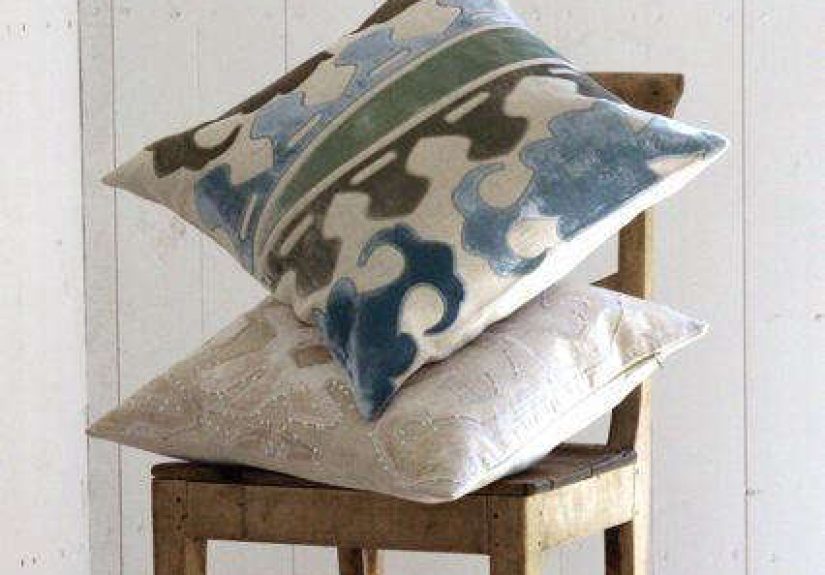
The best-known example often cited is the Artichoke Throw Pillow, a design described as a luxurious decorative pillow made of velvet and linen. It paired brown with Prussian blue, came with a down insert and zipper closure, and was framed as the kind of finishing touch that could sharpen a modern room without making it feel cold. That one detail alone tells you a lot about the brand’s design philosophy: rich color, tactile contrast, and craftsmanship that turns a functional object into something closer to textile art.
That art-forward attitude matters. Decorative pillows are sometimes treated like the side dishes of interior design, but in a well-designed room, they often behave more like the seasoning. Leave them out and everything tastes flat. Use the right ones and the space suddenly has warmth, structure, and a point of view.
Why Adam and Viktoria Pillows Stand Out
1. They use texture like a designer, not like a trend chaser
The first thing that makes these pillows special is the material mix. Linen gives them an earthy, breathable, slightly relaxed quality. Velvet adds depth, sheen, and that “please do not spill juice on me” air of elegance. When these two materials sit together, the result is tension in the best sense. One fabric is matte and organic. The other catches light and feels more dramatic. Together, they create visual depth even before you factor in pattern or color.
This texture story is exactly why design experts so often recommend mixing materials in a room. Linen next to velvet keeps a space from looking flat or showroom-perfect. It creates the layered feel people want when they say they want a home to feel warm, elevated, and lived in. Adam and Viktoria pillows lean into that principle beautifully.
2. They balance Scandinavian calm with decorative richness
Scandinavian design is often simplified into one tired formula: white walls, pale wood, and a chair that looks expensive enough to make you sit up straight. Real Scandinavian style is more nuanced. It values natural materials, texture, utility, and a deep connection to atmosphere. Adam and Viktoria pillows fit that world well, but they also add more romance and pattern than many people expect from Nordic design.
That is part of the magic. These accessories are grounded in the Scandinavian love of honest materials, yet they avoid the overly sterile look that can happen when “minimalist” becomes code for “nothing fun is allowed.” Their patterns feel collected, not chaotic. Their colors are rich, but not loud. Their effect is elegant, but still welcoming.
3. They make pattern feel approachable
Many homeowners get nervous about patterned pillows because they imagine instant visual mayhem. One floral becomes two geometrics, then someone adds stripes, and suddenly the sofa looks like it lost a bet. Adam and Viktoria pillows avoid that trap because their patterns tend to feel intentional and artful rather than random. Even when the motif is bold, the overall presentation still feels composed.
That matters in a design landscape where pattern mixing is popular but often done badly. Strong pillows work best when they anchor a palette and contribute one clear design idea. Adam and Viktoria accessories do that nicely. They do not beg for attention. They earn it.
How to Style Adam and Viktoria Pillows at Home
On a sofa: let them lead, not crowd
If you are styling a sofa with Adam and Viktoria pillows, the smartest move is restraint. Because these pillows already offer texture and visual interest, you do not need a dozen accomplices. Start with one or two statement pieces, then support them with quieter solids in complementary tones. Think flax, oatmeal, charcoal, muted blue, or deep brown. This gives the pillows breathing room and lets their material contrast do the talking.
A good formula is one patterned Adam and Viktoria pillow, one solid velvet or linen pillow, and one smaller accent in a related tone. This follows the design principle that varied pillows can still look polished when they share color logic and textural balance. In plain English: they do not have to match, but they should seem like they have met before.
On a bed: build layers, not a barricade
On a bed, these pillows work especially well when layered in front of standard sleeping pillows. Use larger Euro or square pillows at the back, then place one or two Adam and Viktoria designs in front as the star layer. Their blend of linen and velvet helps make the bed feel more tailored and more inviting at the same time. That is a hard combo to beat.
Avoid stacking too many decorative pillows just because you saw a dramatic photo online. A beautiful bed should still feel like a place where a human being can actually lie down without first launching eight cushions onto a nearby chair. Adam and Viktoria pillows are strongest when they look curated, not over-rehearsed.
In seasonal styling: swap the supporting cast
One of the nicest things about high-quality decorative pillows is that you can shift the room around them. In warmer months, pair them with breezier companions like washed linen, pale cotton, or lighter neutrals. In cooler months, surround them with denser materials such as velvet, wool, and textured throws. That seasonal swap keeps the room fresh without requiring a full redesign every time the weather changes its mood.
Color, Motif, and Mood
The appeal of Adam and Viktoria pillows is not just about fabric. Color plays a huge role. The famous Artichoke pillow’s pairing of brown and Prussian blue is a great example of how deep, sophisticated tones can feel grounded yet dramatic. These colors do not scream. They smolder a little. Very chic.
That kind of palette works especially well in interiors that need complexity without clutter. A neutral sofa can feel sharper with a blue-and-brown pillow that adds both contrast and depth. A bedroom with pale bedding can feel more layered when a jewel-toned velvet-and-linen cushion appears at the center like a confident finishing sentence.
Motifs matter, too. Whether the pattern leans botanical, geometric, or historically inspired, the best versions create what designers often chase: movement without mess. Oversized florals can soften a rigid room. Geometric patterns can wake up a too-gentle scheme. The most successful decorative pillows often combine a strong motif with enough discipline in color or composition to keep the room from tipping into visual chaos. Adam and Viktoria seem to understand that balance instinctively.
Why These Accessories Still Feel Relevant
Design trends change faster than people admit. One year every room is beige and bouclé. The next, everything looks like a moody European hotel crossed with a vintage library. What keeps Adam and Viktoria pillows relevant is that they are built on ideas that last longer than trend cycles.
First, texture never really goes out of style. Designers keep returning to layered materials because texture is one of the easiest ways to add warmth and depth without adding clutter. Second, natural materials remain central to interiors that feel grounded and human. Linen, in particular, has that relaxed refinement people love because it looks elevated without looking precious. Third, a well-chosen decorative pillow remains one of the easiest ways to update a room. It is a relatively small commitment with a surprisingly large visual payoff.
There is also something reassuringly anti-disposable about pillows like these. They do not feel like fast decor. They feel chosen. Kept. Moved from one apartment to the next, then from the sofa to the guest room, then back again because you remembered they were too good to hide. That kind of longevity is appealing in a culture that is increasingly suspicious of anything designed to be trendy for six minutes.
What to Look for If You Love the Adam and Viktoria Look
Choose tactile contrast
If you are drawn to Adam and Viktoria pillows, focus on accessories that combine contrasting materials. Linen with velvet is a strong example, but the broader rule is to mix something soft and light-absorbing with something that has sheen, pile, or visible structure. That contrast helps even a small decorative pillow feel layered and luxurious.
Favor sophisticated color over loud novelty
Look for colors with depth: ink blue, tobacco brown, rust, moss, muted rose, charcoal, or ochre. These shades play well with both traditional and modern interiors, which is one reason pillows like these can travel across styles so easily.
Let one pillow be the conversation starter
Designers often say that a room benefits from one element that starts a conversation. In the world of accessories, that can be a pillow with embroidery, appliqué, a memorable motif, or an unexpected palette. The key is not to make every pillow the star. Let one lead. The rest can harmonize. Even your couch deserves a little hierarchy.
Think about insert quality and finish
Good decorative pillows are not just pretty covers. Details such as down inserts, zipper closures, and quality construction matter because they affect how the pillow sits, wears, and ages. A pillow that collapses into sadness after two weeks is not a design investment. It is a lesson.
Longer Experience: Living With the Adam and Viktoria Pillow Aesthetic
Living with pillows inspired by Adam and Viktoria is less about “decorating” and more about changing the emotional temperature of a room. That sounds dramatic for something you can toss onto a chair, but it is true. The first experience is visual. You walk into the room and notice that the sofa suddenly has depth. The bed seems more deliberate. The whole space feels as if someone edited it with a sharper eye and a calmer hand.
Then comes the second experience, which is tactile. Linen has that dry, easy elegance that makes a room feel breathable and relaxed. Velvet does the opposite in a useful way: it holds light, deepens color, and adds a little ceremony. Together, they create a decorative object that feels interesting before you even think about pattern. When you actually sit down beside one of these pillows, the room no longer feels like a stage set. It feels inhabited.
There is also a psychological pleasure in using accessories that are expressive without being noisy. So many modern interiors struggle with extremes. They are either too bare and careful or too filled with random “personality pieces” that do not know each other. Pillows in the Adam and Viktoria spirit land in a satisfying middle ground. They have character, but they behave. They add richness without turning the room into a showroom for your impulse purchases.
In everyday life, that balance is surprisingly useful. On Monday morning, when the living room has become an accidental office and there is a coffee mug where a candle should be, the pillows still hold the room together. On Friday night, when friends stop by and everyone ends up in a heap on the couch, they make the space feel welcoming rather than improvised. On a lazy Sunday, when the bed becomes headquarters for reading, scrolling, and pretending to fold laundry, they make the whole setup feel more luxurious than it has any right to.
They also age well emotionally. A lot of decorative purchases deliver a quick thrill and then become invisible. These kinds of pillows tend to deepen over time because they keep interacting with the rest of the room. Move them from a linen sofa to a leather chair and they feel moodier. Place them against crisp white bedding and they feel more tailored. Pair them with a chunky throw in winter and they turn cinematic. Give them airy companions in summer and they become lighter, almost coastal. The accessories do not stay static; they keep translating themselves through context.
That may be the strongest real-life experience of all. Adam and Viktoria pillows are not memorable because they shout. They are memorable because they remain useful in the deepest design sense. They keep giving a room texture, shape, and atmosphere. They rescue plain furniture from dullness. They make minimal spaces warmer and traditional spaces fresher. They can lean artsy, classic, Scandinavian, collected, or quietly dramatic depending on what surrounds them.
And perhaps that is why people stay interested in pieces like these. They offer a modest luxury that feels intelligent rather than flashy. They prove that accessories do not have to be trivial. A pillow can absolutely be the detail that makes a room click. It can be the thing that turns “nice enough” into “wait, this looks really good.” And honestly, that is a lot of power for an object most of us underestimate until it is doing all the work.
Conclusion
Adam and Viktoria pillows show exactly what great accessories are supposed to do. They sharpen a room without hardening it, soften a space without making it sleepy, and bring together texture, color, and craft in a way that feels intentional. Their combination of linen and velvet, Scandinavian clarity, and decorative richness makes them more than a passing trend piece. They are the kind of home accents that help a room feel finished, personal, and a little smarter.
For anyone looking to elevate a sofa, bed, or reading nook, these pillows offer a useful lesson: you do not always need more furniture, more color, or more stuff. Sometimes you just need one excellent textile choice and the good sense to let it shine.