Table of Contents >> Show >> Hide
Some homes are impressive. Some are stylish. And some manage the rare trick of making you want to kick off your shoes, pour something cold, and stare out a window like you suddenly understand poetry. That is the magic of a place on the meadow.
The phrase sounds dreamy, but the idea behind it is surprisingly practical. A meadow-inspired home is not just a house dropped onto a pretty lot and photographed at golden hour. It is a way of designing space so the home feels connected to the land around it. Think modern lines softened by natural textures. Think outdoor rooms instead of oversized lawns. Think native grasses, flowering perennials, and pathways that invite you outside instead of trapping you indoors with another throw pillow decision.
In design terms, a place on the meadow sits right at the sweet spot between refined and relaxed. It is polished, but not fussy. It is luxurious, but not shouting about it from the rooftop. It feels grounded. It breathes. It lets the landscape do some of the decorating, which is great news because the landscape never asks for fabric samples.
This article explores what “A Place on the Meadow” really means as a lifestyle and design concept. Inspired by meadow-centered architecture, naturalistic garden design, and the growing American shift away from thirsty, high-maintenance lawns, it is a look at how to build a home that feels warm, calm, beautiful, and deeply rooted in its surroundings.
What “A Place on the Meadow” Really Means
At its core, a place on the meadow is about belonging. The house belongs to the site. The materials belong to the climate. The planting belongs to the region. The people inside belong to a slower, more observant rhythm of living. That may sound lofty, but it usually begins with very down-to-earth choices.
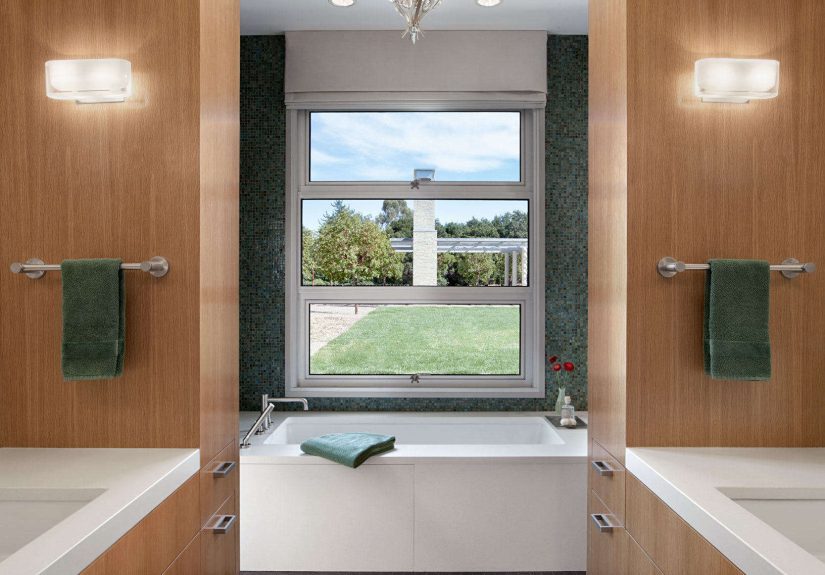
First, the architecture stops fighting nature. Instead of walling itself off from the outdoors, it frames views, welcomes light, and creates a sense of flow between interior and exterior spaces. Large windows, covered porches, sliding doors, and natural ventilation all help the home feel open to the landscape rather than suspicious of it.
Second, the garden stops pretending it is a golf course. A meadow-inspired property trades large stretches of needy turf for layered plantings that look softer, support wildlife, and require less babying once established. That does not mean chaos. A good meadow has structure. It has a backbone of grasses, clear edges, intentional paths, and plant combinations that make the whole scene feel artful instead of accidental.
Finally, the home itself embraces contrast in the best way. Clean architecture pairs beautifully with loose, natural planting. Tailored interiors look richer when they open onto a wind-blown, textured garden. A restrained palette indoors can make the changing colors outside feel even more alive. In other words, the meadow is not background scenery. It becomes part of the design language.
The Architecture of Calm
A true place on the meadow does not need to be enormous. In fact, some of the most compelling meadow homes feel intimate rather than oversized. Their luxury comes from proportion, light, materials, and setting, not from a kitchen island the size of a badminton court.
Let the house open outward
Meadow-inspired homes work best when they are visually porous. Windows should capture long views. Doors should make it easy to step outside with a coffee, a book, or the noble intention of pulling one weed and accidentally spending an hour admiring bees. Covered terraces, decks, verandas, and gravel patios create gentle transitions between indoors and out.
This kind of indoor-outdoor living makes a home feel emotionally larger. Instead of ending at the exterior wall, the house continues into the garden. A dining room opens to a patio. A bedroom looks onto waving grasses. A kitchen window frames seed heads catching evening light. Suddenly, the landscape is not just outside. It is in the daily experience of the house.
Choose materials that age well
Meadow settings reward honesty in materials. Wood, stone, limewash, plaster, linen, steel, clay, and natural fibers all look better when surrounded by grasses, sky, and changing seasons. These materials do not need to match the meadow exactly. They just need to feel like they can coexist with it without throwing a tantrum.
Silvery timber, weathered oak, warm brick, muted stucco, and softly patinated metals all work especially well. They reflect light beautifully and age with grace. That matters because a place on the meadow should feel more settled over time, not more stressed.
Keep the plan simple, then add life through texture
One of the loveliest tensions in meadow-inspired design is the balance between simplicity and richness. The floor plan can be clear and restrained while the surfaces carry more personality. A plain plaster wall. A handmade tile backsplash. A nubby wool rug. A cane chair. A striped cushion. A rough-hewn dining table. This is where the home gets its warmth.
That mix creates a space that feels edited, not sterile. You are not trying to build a museum of beige. You are creating a calm shell that lets texture, craft, and the surrounding landscape bring the room to life.
The Meadow Outside: Beautiful, Functional, and Actually Smart
Here is where the fantasy meets the horticultural fine print. A meadow is not just a random packet of wildflower seed tossed onto a lawn while you whisper, “nature, take the wheel.” Successful meadows are designed systems. They are rooted in climate, soil, sun exposure, water patterns, and plant competition.
Start with the site, not the seed packet
Before planting anything, you need to understand the conditions. Is the site sunny or partly shaded? Dry or seasonally wet? Windy? Deer-heavy? Compacted? Existing turf may need to be removed properly, and soil conditions should guide plant choice. The best meadow designs are not copied and pasted from another region. They are adapted to where they live.
This is one reason native and regionally appropriate plants matter so much. They are already suited to local conditions, which makes them more resilient and more ecologically useful. They can also support the insects, birds, and pollinators that evolved alongside them. That is not just environmentally responsible. It is good design. Healthy planting always looks better than heroic planting that needs constant rescue.
Grasses are the backbone
Many people think meadow means flowers everywhere, all the time, in a cheerful floral riot. The better truth is that grasses do most of the heavy lifting. They provide movement, structure, rhythm, and year-round interest. They also hold the planting together visually when flowers come and go.
That means a meadow garden should not be designed like a bouquet exploded. Instead, think of it as a layered community. Native grasses form the framework. Flowering perennials add seasonal color. Shrubs and small trees may anchor edges or define outdoor rooms. The result is softer than a traditional garden border but far more intentional than a free-for-all.
Use bloom in succession
A great meadow never peaks only once. It changes. Early spring offers fresh green growth. Late spring and summer bring waves of flowers. Fall gives seed heads, tawny grasses, and extraordinary texture. Winter can be just as beautiful, with stalks, silhouettes, and movement in low light.
That succession matters for wildlife, too. Pollinators need food sources across the growing season, not just one flashy moment in June. A meadow designed for continuous interest is usually more beautiful because it gives you something to notice all year long.
Create outdoor rooms
Even naturalistic landscapes need shape. Paths, terraces, retaining walls, hedges, low fences, mown edges, and gravel courtyards all help a meadow feel welcoming rather than overwhelming. These elements create legibility. They tell visitors, “Yes, this is intentional,” which is especially useful if your neighbor still believes a perfect lawn is the highest form of civilization.
Outdoor rooms also make the landscape usable. A bench tucked into tall grasses becomes a destination. A gravel path between plantings turns a view into an experience. A dining terrace beside a soft meadow border makes dinner feel a little more cinematic and a lot less like Tuesday.
Think about water, not just flowers
A smart meadow property pays attention to runoff and drainage. Depressed planting areas, rain gardens, swales, and permeable surfaces can help slow and soak in rainwater rather than shoving it off the property at top speed. This is where beauty and function shake hands like responsible adults.
When planted with grasses and flowering perennials, these features can blend seamlessly into a meadow-style landscape. They reduce runoff, support habitat, and make the garden more resilient in heavy rain. In a time when weather can swing from drought to downpour without much courtesy, that resilience matters.
The Interior Mood: Pastoral, Not Precious
If the exterior of a meadow home is about habitat and harmony, the interior is about emotional temperature. It should feel calm, tactile, and slightly unhurried. Not rustic in a theatrical way. Not minimalist in a cold way. Just comfortably rooted.
Color should echo the landscape
The easiest palette for a place on the meadow comes straight from outside: oat, clay, moss, smoke, flax, dusty green, muted blue, warm cream, weathered wood, and soft black. These colors do not compete with the view. They support it.
That does not mean everything has to be neutral. Meadow flowers offer plenty of inspiration: deep blue salvia, pale yarrow, echinacea pink, buttery yellow, rust, burgundy, and silver-green foliage. The trick is to use color like seasoning, not like confetti at a parade.
Pattern and texture do the talking
In a meadow home, texture is what makes restraint feel luxurious. Washed linen curtains. Woven baskets. Handmade ceramics. A rough stone hearth. A block-print pillow. A worn leather chair. A chunky knit on the sofa. These elements bring soul to the room without cluttering it.
This is where you can have some fun. A room can be simple in plan but exuberant in detail. That combination is often what makes a home memorable. It feels composed, not stiff. You notice the grain of the wood, the slub in the linen, the way afternoon light lands on plaster. The room does not scream for attention. It quietly earns it.
Common Meadow Mistakes to Avoid
For all its natural charm, meadow design is easy to misunderstand. Here are the classic mistakes.
Mistake 1: Confusing wild with careless
A meadow should feel alive, not abandoned. Strong edges, thoughtful paths, and a clear layout make the difference between romance and “Did everyone move out?”
Mistake 2: Planting whatever looks pretty online
Plants that thrive in one region may sulk, flop, or outright perish in another. Use local conditions as your guide, and whenever possible, choose plants suited to your area rather than copying a garden from three climate zones away.
Mistake 3: Expecting zero maintenance
Meadows are lower maintenance than lawns once established, but they are not maintenance-free. They still need observation, seasonal cutting, editing, and weed management. Think of them as low-drama, not no-drama.
Mistake 4: Forgetting people live here
Even the most ecological landscape should still serve daily life. Include seating, paths, shade, lighting, and moments of pause. A meadow you can walk through, sit beside, and enjoy from inside the house will always feel more successful than one that is technically admirable but emotionally distant.
Why This Style Resonates Now
The appeal of a place on the meadow is not just aesthetic. It answers a cultural mood. People are tired of hard, overdesigned spaces that look good in photos and feel exhausting in real life. They want homes that calm the nervous system a little. They want landscapes that do more than pose. They want beauty that also supports birds, bees, changing weather, and actual living.
Meadow-inspired design offers exactly that. It gives us softness without sloppiness, sustainability without self-righteousness, and elegance without performance. It says the good life might not be about controlling every inch of land, but about learning how to live beautifully within it.
Experience: Living in a Place on the Meadow
Morning arrives differently in a place on the meadow. It does not slam into the room. It slips in. Light filters through grasses outside the window and lands on the floor in soft bands. Before the coffee is even poured, there is already something to watch: seed heads trembling in a breeze, a bird balancing on a stem, the slow reveal of a foggy field beyond the terrace. The house feels awake, but never rushed. Even the quiet has texture.
Step outside barefoot and the whole property seems to exhale. The path crunches a little underfoot. The air smells faintly green, earthy, and sun-warmed. If the garden is designed well, you do not feel like you are standing next to landscaping. You feel like you are inside a living system. Bees move with serious purpose. Butterflies drift around like they are too glamorous to be late. The grasses lean one direction, then another, turning wind into something visible.
By midday, the meadow becomes a different kind of room. It is brighter, taller, and more animated. The flowers are less precious than they looked at breakfast. They seem tougher now, woven into the structure of the planting instead of posing for compliments. From inside the house, every window offers a slightly different painting. The kitchen frames one swath of green. The hallway catches a silver blur of grass. A bedroom window turns a stand of flowers into an accidental still life. You begin to understand why people talk about “borrowing the landscape.” It feels as if the house has more walls than it actually does, because the outdoors keeps finishing the sentence.
Late afternoon may be the best time of all. This is when the terrace becomes useful in the most human way. A chair gets pulled into the sun. A drink appears. Someone claims they are going outside for five minutes and returns suspiciously an hour later. The meadow softens the edges of the day. It takes ordinary routines and gives them atmosphere. Dinner tastes a little better near warm stone and rustling grasses. Conversation slows down. Even silence feels companionable.
Then evening arrives, and the meadow changes personality again. The colors mute. The sky opens up. Grasses catch the last gold light and seem to glow from within. Sound shifts from birdsong to insects. The house, with its windows lit from inside, starts to look less like an object and more like a lantern resting lightly on the land. That may be the real promise of a place on the meadow: not just that it looks beautiful, but that it makes daily life feel more observed, more seasonal, more rooted, and somehow more enough.
And in winter, when flowers are gone and the structure of the planting is all that remains, the magic does not disappear. It becomes quieter. The meadow turns sculptural. Frost traces the stems. Rain darkens the paths. The house feels warmer by contrast. You notice the grain of the table, the weight of a blanket, the glow from a lamp against the window while the field beyond it sleeps. A good meadow teaches patience. It reminds you that beauty is not only in bloom. Sometimes it is in the pause before bloom returns.
Conclusion
A place on the meadow is not about chasing a trend. It is about building a relationship between house, garden, and daily life that feels honest and enduring. It asks for restraint in architecture, intelligence in planting, and generosity in how space is used. It values natural materials, native ecologies, and a softer way of living with the land.
Done well, it creates something rare: a home that feels elevated without losing warmth, ecological without losing style, and relaxed without losing intention. That is a beautiful formula. And unlike an overwatered lawn, it has a future.