Table of Contents >> Show >> Hide
- Jump to
- Quick symptom check (not a diagnosis, but a clue)
- Common causes of armpit rash (the usual suspects)
- 1) Intertrigo: the friction-and-sweat special
- 2) Contact dermatitis: deodorant, fragrance, and the “new product regret” rash
- 3) Yeast (Candida): when your armpit becomes a tropical resort
- 4) Folliculitis and razor irritation: the hair follicle uprising
- 5) Heat rash (miliaria): sweat ducts on strike
- 6) Inverse psoriasis: psoriasis that skips the flaky stereotype
- 7) Hidradenitis suppurativa (HS): recurring painful lumps that deserve attention
- 8) Erythrasma: a bacterial rash that can masquerade as fungus
- Treatment: what helps (and what makes it worse)
- When to see a doctor (the “don’t Google this for 3 more weeks” signs)
- Prevention: keep your pits peaceful
- FAQ
- Conclusion
- Experiences & real-life scenarios (extra)
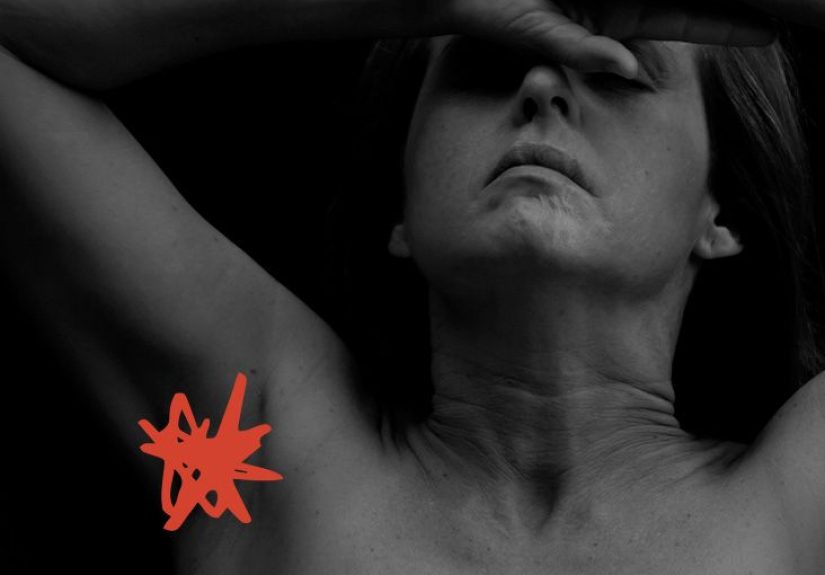
Your armpit is a small, warm cave that bravely handles sweat, friction, deodorant, shaving,
and the occasional “I’ll just wear this synthetic shirt one more time” decision. So when an
armpit rash shows upitchy, red, bumpy, flaky, or downright spicyit’s not your body being dramatic.
It’s your skin filing a complaint.
This guide breaks down the most common reasons for an underarm rash, what you can do at home,
what dermatologists typically recommend, and how to stop it from coming back like a clingy ex.
(Spoiler: moisture and irritation are usually the villains.)
Quick symptom check (not a diagnosis, but a clue)
Underarm skin is thin and sensitive, and it lives in a high-humidity neighborhood. That means different rashes can look similar.
Still, a few “pattern + context” combos can point you in the right direction.
If it’s itchy and scaly…
- Contact dermatitis (reaction to deodorant, fragrance, shaving products, laundry detergent)
- Eczema (atopic dermatitis) or irritated, dry skin
- Fungal rash (yeast thrives in warm, moist folds)
If it’s bright red and kind of “raw,” especially in the fold…
- Intertrigo (friction + moisture “chafing rash” in skin folds)
- Yeast overgrowth on top of intertrigo (often with tiny “satellite” bumps around the edge)
If it’s bumpy, tender, or pustule-y…
- Folliculitis (inflamed/infected hair folliclessometimes after shaving)
- Ingrown hairs or razor burn
If it’s painful lumps that come back and may drain…
- Hidradenitis suppurativa (HS) (chronic, recurring boils/abscesses in areas like armpits)
If it’s smooth, shiny red patches with soreness (less scale than typical psoriasis)…
- Inverse psoriasis (psoriasis in skin folds)
If you’re thinking, “Cool, that’s still like eight options,” you’re not wrong.
The next sections will narrow it down based on triggers, appearance, and what actually works.
Common causes of armpit rash (the usual suspects)
1) Intertrigo: the friction-and-sweat special
Intertrigo is inflammation that happens when skin rubs against skin in warm, moist areashello, armpits.
Sweat makes the skin tacky, friction damages the surface, and the rash can look red, irritated, and sometimes “weepy.”
Once the skin barrier is stressed, yeast or bacteria may jump in for a free party.
Common triggers: hot weather, tight clothing, workouts, and any situation where your underarms stay damp for long periods.
2) Contact dermatitis: deodorant, fragrance, and the “new product regret” rash
Contact dermatitis happens when your skin reacts to an irritant (burny, stingy) or an allergen (itchy, delayed reaction).
Underarms are frequent victims because antiperspirants and deodorants contain potential triggersespecially
fragrance, preservatives, and other additives.
Clues it’s contact dermatitis: rash on both sides, new or changed product, itching/flaking, and improvement when you stop the suspected culprit.
If the reaction is allergic, it can take a day or two to show upso your skin may be mad about something you did yesterday.
3) Yeast (Candida): when your armpit becomes a tropical resort
Yeast loves warm, moist, creased skin. In the underarm area, a yeast rash often appears as a bright red patch,
sometimes with smaller bumps around the edges (often described as “satellite” lesions).
It can itch, sting, and worsen if you keep it damp.
Risk factors include frequent sweating, tight clothing, diabetes, and recent antibiotic use (antibiotics can disrupt normal skin flora).
4) Folliculitis and razor irritation: the hair follicle uprising
Folliculitis is inflammation (sometimes infection) of hair follicles. It can look like acne-like bumps, tender pustules,
or clusters of little red dots. Shaving, friction, and occlusive clothing can irritate follicles and make this more likely.
Razor burn and ingrown hairs can mimic folliculitisespecially if you shave against the grain, reuse dull blades,
or apply fragranced products right after shaving (when the skin is extra vulnerable).
5) Heat rash (miliaria): sweat ducts on strike
Heat rash happens when sweat ducts get blocked and sweat leaks into the skin, causing tiny itchy bumps or prickly irritation.
It’s more common in hot, humid conditions or under tight, non-breathable fabricbasically, the “polyester + summer commute” combo.
6) Inverse psoriasis: psoriasis that skips the flaky stereotype
Inverse psoriasis shows up in skin folds like the underarms.
Because the area stays moist, it often looks smooth, shiny, and red rather than thick and scaly.
Friction and sweat can aggravate it, and secondary yeast/fungal infections can tag-team the irritation.
7) Hidradenitis suppurativa (HS): recurring painful lumps that deserve attention
HS is a chronic inflammatory condition affecting hair follicles, typically in “skin touches skin” areas like the armpits.
It can start as a deep, painful bump that resembles a boil, cyst, or angry pimple.
Over time, HS can recur, drain, and (in more advanced cases) form tunnels under the skin and scarring.
If your “rash” is actually recurring painful lumps in the same spots, HS is worth discussing with a clinicianearlier treatment helps.
8) Erythrasma: a bacterial rash that can masquerade as fungus
Erythrasma is a bacterial infection that often affects skin folds and can look like a reddish-brown patch with fine scale.
Clinicians sometimes use a Wood’s lamp exam because erythrasma can fluoresce a coral-red color.
It’s treatableoften with topical or oral antibioticsbut it’s easy to mistake for a fungal rash without evaluation.
Treatment: what helps (and what makes it worse)
The best treatment depends on the cause, but most underarm rashes improve when you do two things:
reduce irritation and control moisture.
Think of it as relationship counseling for your skin.
Step 1: Pause the triggers for 3–7 days
- Stop the newest product (deodorant, antiperspirant, body wash, shaving cream, fragrance).
- Skip shaving until the skin calms down. Trim instead if needed.
- Wear breathable fabric (cotton or moisture-wicking athletic wear that actually wicks).
- Change sweaty clothes fastdon’t marinate.
Step 2: Clean gently, then dry thoroughly
Use lukewarm water and a mild, fragrance-free cleanser. Pat dry (don’t scrub).
If you tend to stay damp, a cool blow-dryer on low can helpyes, it feels silly; yes, it works.
Step 3: Choose an “active” treatment based on likely cause
If it seems like friction/moisture (intertrigo)
- Barrier protection: zinc oxide paste or plain petroleum jelly can reduce rubbing.
- Drying strategies: breathable clothing; consider an antifungal powder if you’re yeast-prone.
- Short-term itch relief: in some cases, a low-potency steroid like OTC hydrocortisone 1% may help inflammationbut
avoid prolonged use in folds, and be cautious if you suspect fungus (steroids can worsen fungal infections).
If you suspect yeast (Candida)
- OTC antifungals: clotrimazole or miconazole creams are common first-line options.
- Keep it dry: yeast loves moisture, so drying is part of treatment, not an optional accessory.
- Avoid steroid-only creams if you strongly suspect fungus; they can quiet redness while the yeast keeps thriving.
Expect improvement within about a week. If it’s not improving (or keeps returning), a clinician can confirm the diagnosis and rule out look-alikes.
If it’s contact dermatitis (deodorant rash, fragrance reaction)
- Stop the trigger: this is the main treatment. Your skin can’t forgive what you keep doing daily.
- Calm inflammation: a thin layer of OTC hydrocortisone 1% for a short period can reduce itching/redness.
- Switch smart: choose fragrance-free, dye-free products; consider a patch test when trying something new.
If it keeps happening, ask about patch testingit can identify specific allergens (like fragrance mixes or preservatives).
If it’s folliculitis or shaving-related bumps
- Take a shaving break and avoid friction.
- Gentle antibacterial wash: some people benefit from benzoyl peroxide washes (which can be dryinguse carefully).
- Warm compresses can soothe tenderness.
- See a clinician if you have spreading redness, pus, fever, or frequent recurrenceprescription treatments may be needed.
If it’s heat rash
- Cool the skin: cool showers, fans, loose clothing.
- Avoid greasy creams that can block pores and trap heat.
- Let skin breathe: reduce occlusion and friction until it settles.
What not to do (a short list of common self-sabotage)
- Don’t “power through” with the same deodorant if it’s clearly making things worse.
- Don’t use high-potency steroid creams in the underarm without guidanceskin folds are prone to thinning and irritation.
- Don’t scratch (easy to say, hard to do). If you must, press a cool cloth instead.
- Don’t ignore recurring painful lumpsHS is real, and it’s treatable, but it needs proper care.
When to see a doctor (the “don’t Google this for 3 more weeks” signs)
Many armpit rashes improve with basic care. But you should get medical evaluation if:
- The rash lasts more than 1–2 weeks despite avoiding triggers and using appropriate OTC care.
- You have severe pain, rapidly spreading redness, warmth, swelling, or fever.
- There’s pus, drainage, foul odor, or crusting that suggests infection.
- You get recurrent deep lumps (possible hidradenitis suppurativa).
- You have diabetes, immune suppression, or frequent fungal infections.
- The rash is worsening or affecting multiple body folds.
A clinician may diagnose by appearance alone, but sometimes they’ll do a simple skin swab, scraping, or Wood’s lamp exam
to distinguish fungal vs bacterial causes. That’s not overkillthat’s how you stop treating the wrong thing repeatedly.
Prevention: keep your pits peaceful
Prevention is mostly about moisture control, reducing friction, and avoiding triggers. Boring? Yes. Effective? Also yes.
Daily habits that actually help
- Dry thoroughly after showering (especially if you’re rash-prone).
- Wear breathable clothing and avoid tight seams that rub your underarm fold.
- Change out of sweaty clothes quicklyespecially after workouts.
- Use fragrance-free products if you have sensitive skin or a history of deodorant rash.
- Consider an antiperspirant strategy: some people do better applying antiperspirant at night (when sweating is lower),
then using minimal product in the morning.
Shaving and hair removal tips (so your follicles don’t file a lawsuit)
- Use a sharp, clean razor and shave with a gentle lubricant.
- Avoid shaving over active rash or bumps.
- Try trimming instead of shaving if you’re prone to folliculitis or HS flares.
- If hair removal is a frequent trigger, ask a dermatologist about alternatives (including laser options, depending on your skin and hair type).
If you sweat a lot
Excess sweating can fuel intertrigo, heat rash, and yeast. If “normal deodorant” never touches your sweat level,
talk with a clinician about hyperhidrosis strategiesthere are prescription antiperspirants and other treatments.
FAQ
Can I be allergic to my own sweat?
True sweat allergy is uncommon. More often, sweat acts like a delivery systemcarrying irritants, increasing friction, and creating the moist environment
that triggers heat rash, intertrigo, or yeast overgrowth. In other words, sweat isn’t always the villain, but it does host the party.
Is an armpit rash contagious?
It depends. Contact dermatitis, eczema, psoriasis, and heat rash are not contagious. Some infections (fungal or bacterial) can spread
by shared towels, close skin contact, or contaminated razors. If you’re unsure, avoid sharing personal items until it clears.
Why does it keep coming back?
Recurrence usually means the trigger never left (fragrance deodorant, tight clothing, shaving irritation) or the underlying condition wasn’t addressed
(yeast prone folds, HS, inverse psoriasis). Recurrent rashes are a good reason to get a proper diagnosis instead of rotating random creams like a game show.
Conclusion
An armpit rash is usually your skin reacting to moisture, friction, irritation, or infectionsometimes all at once, because overachievers exist everywhere.
The fastest path to relief is to remove triggers, keep the area clean and dry, and match treatment to the likely cause (antifungal for yeast, gentle anti-inflammatory care for dermatitis, medical evaluation for recurrent painful lumps).
If the rash is persistent, painful, draining, or recurring, don’t white-knuckle itget evaluated. The right diagnosis turns “months of annoyance”
into “oh, this is fixable,” which is a much better vibe for your underarms.
Experiences & real-life scenarios (extra)
Below are common, realistic scenarios people run into with underarm rashes. These are illustrative examplesnot a substitute for medical advice
but they may help you recognize patterns and avoid the same pitfalls.
Scenario 1: The “new deodorant, new personality” rash
You switch deodorants because the internet promised it would make you smell like “coastal cedar” or “midnight confidence.”
Two days later, your underarms are itchy, red, and flakyon both sides. You assume it’s sweat and apply more deodorant,
which is like putting more ketchup on a kitchen fire.
The fix is usually boring but effective: stop the new product, cleanse gently, keep the area dry, and use a short course of low-potency
anti-itch care if needed. When things calm down, you patch test a fragrance-free option first (a small area, a couple of days),
and suddenly your armpits stop auditioning for a drama series.
Scenario 2: The gym shirt that never truly dries
You work out, feel virtuous, and then… run errands in the same damp top because “it’s fine.” A week later, the underarm fold is red,
tender, and chafed. Sometimes it even looks a bit shiny, like skin that’s overworked and underpaid.
This is prime territory for intertrigo: friction plus moisture. People often improve quickly by changing shirts ASAP,
choosing breathable fabric, drying thoroughly after showers, and using a barrier (like zinc oxide) during high-sweat days.
If itch and bright redness persist, an OTC antifungal can be a smart movebecause yeast loves your “just one more errand” plan.
Scenario 3: Razor burn that turns into a bump convention
You shave fast (because life), use a slightly-too-dull blade (because also life), then apply a fragranced lotion (because optimism).
The next day: red bumps, tenderness, maybe a few pustules. Now you’re stuck between “I want to shave again” and “my skin is plotting revenge.”
The experience many people report: taking a shaving break is the turning point. Gentle cleansing, warm compresses, and friction reduction help.
If bumps keep recurring, switching to trimming or changing technique (fresh blades, shaving with the grain, no fragrance post-shave)
can prevent a repeat. And if it spreads, drains pus, or doesn’t improve, that’s when prescription treatment can save a lot of time and discomfort.
Scenario 4: The “these aren’t pimples” wake-up call
You get deep, painful lumps in the same underarm area every few weeks. Sometimes they drain. Sometimes they leave marks.
You try acne products, essential oils, and willpower. The lumps do not care.
This pattern is a classic reason to ask about hidradenitis suppurativa. People often describe feeling relieved just having a name for it,
because it reframes the problem from “I’m doing hygiene wrong” to “this is a medical condition with real treatments.”
Early care can reduce flares and scarring. Practical day-to-day tweaksless friction, gentler hair removal, breathable clothingoften help,
but a clinician-guided plan is the main upgrade here.
Scenario 5: The surprise psoriasis plot twist
You’ve had occasional “mystery irritation” in your underarms that doesn’t respond to antifungal cream, doesn’t fully match an allergy,
and seems to flare with stress or heat. The patch looks smooth and red rather than scaly. A dermatologist calls it inverse psoriasis.
Many people find this diagnosis surprising because it doesn’t look like the classic elbow-and-knee psoriasis they’ve seen in ads.
Once treated appropriately (often with prescription topicals designed for sensitive fold areas), the cycle of guessing games ends.
The big lesson: if something keeps returning and doesn’t respond to the obvious fixes, it’s not youit’s the diagnosis that needs upgrading.