Table of Contents >> Show >> Hide
- Why a Denim Apron Feels So Instantly Cinematic
- What Makes a Great Denim Apron
- Why Denim Works So Well in the Kitchen and Beyond
- How to Wear a Denim Apron Without Looking Like You Borrowed a Prop
- Who Should Buy a Denim Apron?
- How to Care for a Denim Apron
- Is a Denim Apron Worth It?
- Extended Experience: Living With a Denim Apron That Earns Its Role
- Conclusion
There are kitchen tools you buy because you need them, and then there are kitchen tools you buy because they make you feel like you should be trusted with a cast-iron skillet, a live flame, and a suspiciously expensive bunch of herbs. A denim apron belongs firmly in the second category, while still earning its keep in the first. It is practical, protective, flattering, and just theatrical enough to make ordinary cooking feel slightly more cinematic.
That is the real magic of a denim apron straight out of central casting. It looks like wardrobe selected it after learning your character arc in one sentence: competent, a little rugged, maybe funny, definitely capable of making a pan sauce without panicking. The appeal is not only visual, though. A good denim apron combines workwear toughness, everyday comfort, and enough functional details to keep your clothes cleaner and your tools closer. It is part kitchen apron, part chef apron, part style statement, and part insurance policy against tomato splatter.
In a world full of flimsy throwaway aprons that feel one wash away from retirement, denim stands out because it has history, structure, and personality. It is the fabric equivalent of a firm handshake. And when it is cut well, fitted properly, and broken in over time, it does something rare: it becomes more useful and more attractive at the same time.
Why a Denim Apron Feels So Instantly Cinematic
The phrase “straight out of central casting” works here because denim already carries a built-in visual story. American culture has spent generations teaching us that denim means utility, grit, and authenticity. It began as hardworking fabric, then crossed into myth, then into fashion, and now lives in that sweet spot where it still feels honest even when it looks polished. Put that fabric on an apron and the effect is immediate. Suddenly, you are not just making pancakes. You are “the kind of person who has opinions about pancake edges.”
A denim apron works because it blends two identities that people love: the worker and the creative. It hints at the workshop, the grill station, the garden bench, the pottery table, and the restaurant pass all at once. It says you plan to do something with your hands. Even better, it says you plan to do it well.
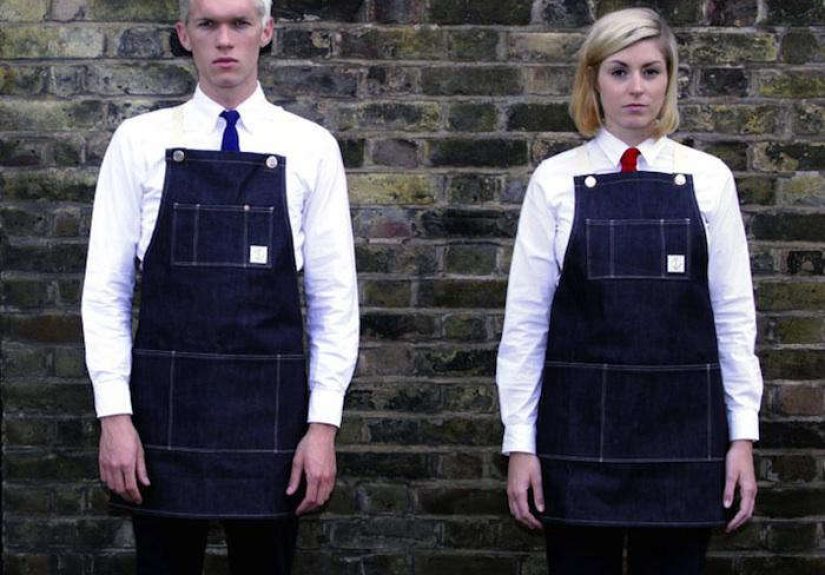
Unlike bright novelty aprons with goofy slogans that scream for attention, a rugged denim apron tends to look calm, confident, and just a little mysterious. No one has ever looked powerful in an apron that says “Kiss the Cook” in bubble letters. A dark indigo apron with brass hardware and crossback straps, on the other hand, suggests you know what deglazing is and will not be taking questions at this time.
What Makes a Great Denim Apron
Not every denim apron deserves the hero shot. Some look good in photos and annoy you the second you start moving. The best ones balance style with actual function, which is exactly why so many well-reviewed aprons share the same design habits.
1. Substantial Fabric Without Feeling Like Armor
A quality cotton denim apron should feel sturdy, not punishing. That means enough weight to protect your shirt from splashes, grease dots, flour clouds, and the occasional brush with hot cookware, but not so much weight that wearing it feels like joining a medieval guild. Heavyweight denim has real advantages: it drapes better, ages beautifully, and tends to resist wear more effectively than thin, limp fabric. It also gives the apron shape, which is a big part of why denim looks so sharp.
Good denim usually gets better with time. It softens where it should, develops character in the folds, and starts to feel specific to the person wearing it. That broken-in quality is hard to fake, and it is one reason denim aprons can feel more premium than cheaper cotton alternatives. They do not just survive use. They record it.
2. Smart Straps That Do Not Turn on You Mid-Task
If the apron shifts, pulls, digs into your neck, or mysteriously slides sideways while you are trying to rescue garlic from burning, it is not a good apron. This is where strap design matters. Crossback apron styles are popular for a reason. By distributing weight over the shoulders instead of concentrating it at the neck, they can feel more comfortable during long stretches of cooking, grilling, gardening, or workshop use.
That does not mean a classic adjustable neck loop is bad. Some people prefer the simplicity and quick on-and-off convenience. But if you plan to wear your denim apron for hours, or if you tend to load the pockets with thermometers, pens, towels, or your phone, a crossback design often makes more sense. Your shoulders do more of the work, and your neck gets to mind its business.
3. Pockets That Are Actually Useful
Apron pockets are one of those things people do not think much about until they have bad ones. Tiny pockets are decorative lies. Giant floppy pockets can be chaos pouches. The sweet spot is roomy, reachable, and secure enough that your essentials stay put when you bend, twist, or speed-walk across the kitchen because you suddenly remembered the onions.
A great workwear apron usually includes deep front pockets, maybe a chest pocket, and sometimes a utility loop for a towel. That towel loop is not a gimmick. It is the difference between keeping your towel handy and accidentally using your shirt as one. Deep pockets matter too, especially if you bounce between tasks and want a place for tasting spoons, shears, a thermometer, recipe notes, or a phone you promised yourself you were not going to check while cooking.
4. Coverage That Protects Without Restricting Movement
The best kitchen apron is not necessarily the biggest one. It is the one that gives meaningful protection while still letting you move naturally. A bib apron with generous width and enough length to guard the front of your clothes is usually the most versatile choice. If the cut is too narrow, splatters still find their target. If it is too long or stiff, you feel trussed up like a Thanksgiving roast.
Great denim aprons walk a fine line: they look structured, but they move with you. That is a big part of the appeal. The apron should feel like equipment, not costume.
Why Denim Works So Well in the Kitchen and Beyond
Denim earns its reputation because it is adaptable. In the kitchen, it protects against grease, sauce splatter, flour, coffee, and whatever exactly happened when that blender lid was not fully locked. At the grill, it feels rugged enough to match the setting. In the garden, it looks right at home among soil, tools, and herbs. In a workshop or craft studio, it feels natural beside wood shavings, clay dust, or paint marks.
This versatility is a major reason the denim apron has become a favorite among chefs, serious home cooks, bakers, makers, and style-conscious people who simply enjoy looking a little more put together while being messy. It crosses spaces easily. One minute it is catching pasta sauce. The next it is holding pruners and seed packets. Few pieces of gear can pivot that gracefully.
There is also a psychological bonus. Wearing a good apron changes the mood. It signals that something is beginning. You are not just warming leftovers. You are entering work mode. Even if the “work” is making grilled cheese and pretending you run a tiny bistro out of your apartment, the ritual still counts.
How to Wear a Denim Apron Without Looking Like You Borrowed a Prop
A denim apron has a lot of personality, which means the rest of your outfit should calm down and let it speak. The easiest formula is simple: neutral shirt, comfortable pants, good shoes, done. Think T-shirt, henley, oxford, sweatshirt, or chambray that does not compete too hard with the apron. Keep the palette grounded. White, gray, black, olive, cream, and faded blue all work well.
If your apron is dark indigo, it pairs especially well with lighter layers underneath. If it is washed black or faded blue, you can lean a little moodier. Leather or brass details look strong with boots, clogs, or clean sneakers. And yes, sleeves rolled to the forearm still work. They are a classic for a reason. Just try not to roll them with the energy of someone who wants applause for holding a whisk.
The goal is effortless utility. A denim apron looks best when it seems like you threw it on because you had something real to do, not because you were trying to audition for “attractive person who owns sea salt.” Ironically, the less you fuss, the better it looks.
Who Should Buy a Denim Apron?
A denim apron is a smart buy for more people than you might think. It is ideal for home cooks who use their kitchen regularly and want better protection than a paper-thin novelty apron can offer. It is great for bakers who deal with flour, butter, and sticky dough on a regular basis. It is also excellent for grillers, gardeners, ceramic artists, baristas, woodworkers, and anyone else whose hobbies have a habit of ending up on their clothes.
It is also a surprisingly strong gift. A good denim apron feels personal without being overly intimate, stylish without being fussy, and useful without being boring. That is a rare combination. It says, “I think you make things,” which is a far better message than “I panicked and bought socks.”
If you cook once a month, never grill, and consider opening a paint can a major event, you may not need one. But if you have ever wiped your hands on your shirt and immediately regretted your life choices, a denim apron starts to make a lot of sense.
How to Care for a Denim Apron
One of the best things about denim is that it does not demand obsessive laundering. In fact, washing it too often can strip color, soften the structure too quickly, and shorten the fabric’s best years. The smarter approach is simple. Spot clean little messes when you can. Let the apron air out after use. Wash it in cold water when it genuinely needs it. Skip the harsh detergent if possible. Line dry whenever you can, both to preserve color and to be kinder to the fabric.
This low-maintenance routine works particularly well with a dark denim apron because the material tends to hide minor specks better than pale fabric does. That does not mean you should treat it like a museum artifact or proudly cultivate “seasoning.” It just means denim is forgiving. It understands that life is messy and does not need to be panic-washed after every encounter with olive oil.
Over time, your apron will begin to tell the truth about how you use it. The crease near the waist, the slight fade around the pockets, the softened edges at the ties, all of that becomes part of the object’s appeal. It stops being generic and starts being yours.
Is a Denim Apron Worth It?
If you value durability, comfort, and style in equal measure, yes. A solid denim apron costs more than a bargain-bin apron, but it typically gives you more in return: better fabric, better construction, more thoughtful details, and a longer useful life. It is the difference between buying something disposable and buying something that becomes part of your routine.
There is also the matter of confidence. That may sound dramatic for an apron, but it is true. Some pieces of gear make you more likely to use them because they feel good to wear. A denim chef apron does that. It makes prep feel more intentional. It makes cleanup less irritating because your clothes took fewer hits. It makes the whole act of cooking, grilling, or making feel more grounded. And occasionally, it makes you stand a little straighter, which is free character development.
The best version of this apron is not trying too hard. It is sturdy, cleanly designed, comfortable enough for real work, and handsome enough that you do not mind hanging it where people can see it. That is why the denim apron keeps winning people over. It is not just functional. It is deeply convincing.
Extended Experience: Living With a Denim Apron That Earns Its Role
The lived experience of a denim apron is part practicality and part mood shift, and that combination is exactly why people get attached to one. Picture a Saturday morning. Coffee is going, onions are on the board, and there is that familiar split second where you know the kitchen is about to become a lightly controlled disaster. Throwing on a denim apron changes the whole tone. It is like flipping a sign from “person standing near a stove” to “person who has a plan.” That may sound ridiculous, but anyone who has worn a genuinely good apron knows the feeling.
At first, the experience is physical. The weight of the fabric settles in. A crossback fit takes the pressure off your neck. The bib sits where it should. The pockets stop being decorative and start becoming useful. A towel gets tucked into a loop. A thermometer slips into a pocket. A pen appears because somehow cooking always turns into note-taking when you are trying to remember what worked. Nothing about the apron feels dramatic. It just starts making the job easier.
Then the visual side kicks in. A denim apron has presence. It can make a basic white tee look intentional. It can make a weeknight pasta session feel like a tiny performance with no audience except whoever happens to wander into the kitchen asking if dinner is almost ready. It is especially good at making chaotic moments seem cooler than they are. Did the sauce splatter? Yes. Do you still look composed? Also yes. That is the apron working overtime.
As the day goes on, the appeal keeps expanding. Outside, it feels right at the grill because denim already belongs to the broader workwear family. In the garden, the apron does not look precious or out of place. It handles a little dirt with dignity. In a workshop or craft room, it looks almost suspiciously correct, like it has been waiting its whole life to hold sandpaper, twine, or a pair of pruning shears. The same piece that protected your shirt from olive oil now looks perfectly natural collecting dust and rosemary needles. That range is hard to overstate.
What really seals the relationship, though, is how the apron ages. After enough use, it stops feeling like an accessory and starts feeling like equipment. The denim softens without losing its backbone. The folds become familiar. The apron begins to fit your routine, your posture, your habits. It remembers where you keep your towel and which pocket you reach for first. It is one of those rare objects that improves the more honestly you use it.
That is why a denim apron straight out of central casting works so well in real life. It is handsome, yes, but it is not all show. It earns the aesthetic. It protects, organizes, and settles you into the work. And when something does all of that while also making you look like the most competent person in the room, it tends to stick around for a very long time.
Conclusion
A denim apron is more than a nice-looking layer between you and a splash zone. It is a workwear staple that has crossed into modern kitchen culture without losing what made it great in the first place: durability, comfort, structure, and a built-in sense of purpose. The best ones protect your clothes, distribute weight well, keep tools handy, and age with character instead of falling apart.
Most of all, a great denim apron does something that many useful products never manage. It makes the task itself feel better. Cooking becomes more intentional. Grilling feels more relaxed. Gardening gets cleaner. Messy creative work becomes easier to step into. And somewhere in the middle of all that, the apron gives you one more gift: the satisfying sense that you look exactly like the person who should be doing the job.