Table of Contents >> Show >> Hide
- Meet the “Childhood Ruiner”: The Artist Behind the Unsettle
- Why These Images Feel So Creepy (A Friendly Tour of the Uncanny Valley)
- The 22 Characters: What Gets “Ruined,” and Why It Works
- How This Style Gets Made (Without Turning It Into a Software Manual)
- Is This “Allowed”? A Quick, Non-Lawyer Reality Check on Fan Art and Copyright
- Why We Can’t Look Away: Nostalgia, Comfort, and a Little Bit of Chaos
- Want to Write About This Trend (or Create It) Without Sounding Like Everyone Else?
- Conclusion
Remember when cartoon characters were just… lines? Simple shapes. Friendly colors. A complete lack of pores.
Then the internet came along and said, “What if SpongeBob had skin texture?” and suddenly your inner child
is clutching a juice box like it’s a stress ball.
That’s the deliciously cursed magic behind a viral style of digital art: taking beloved characters from cartoons,
movies, memes, and even brand mascots, and remaking them as hyper-real, almost-touchable beings. The result can be
funny, fascinating, and deeply unsettlingoften all at once. And yes, it’s the same emotional cocktail you feel
when you see a realistic birthday cake shaped like a sneaker: impressed, confused, and slightly threatened.
Meet the “Childhood Ruiner”: The Artist Behind the Unsettle
The creator associated with this wave of “please don’t make that real” character makeovers is digital artist
Miguel Velasquez, known online as marvelous_mikee. His signature move is turning
familiar faces into eerie, hyper-detailed versions by emphasizing realistic textureseyes, teeth, fur, skin, and
all the tiny details your brain never asked for.
Importantly, this kind of work isn’t about hating the originals. It’s about remixing pop culture into something
that hits a different nervepart nostalgia, part horror, part “how is this so wrong and so well-made?”
When done well, it becomes a mini masterclass in digital character design: the anatomy, the materials, the lighting,
the subtle (or not-so-subtle) “offness” that triggers a reaction.
Why These Images Feel So Creepy (A Friendly Tour of the Uncanny Valley)
A big reason these remakes mess with us is a phenomenon often called the uncanny valley.
When something is almost human (or almost “real” in the way we expect), but not quite, our brains can flip from
“aww” to “nope” with impressive speed. Think: a smile that’s technically a smile, but emotionally feels like a
printer error.
The brain hates mixed signals
Cartoons give us a clear contract: exaggerated features, simplified surfaces, and emotions that read instantly.
Hyper-real remakes break that contract. Now the eyes might look wet and alive, but the proportions still feel
cartoonish. Or the skin looks human, but the expression doesn’t land like a human expression. That mismatch creates
tensionyour perception keeps switching categories: “person,” “toy,” “creature,” “mascot,” “please stop blinking.”
Teeth are the jump-scare of realism
Teeth are a shortcut to “this is alive,” which is great in normal life and less great when you’re looking at
a formerly toothless character who now appears capable of chewing through drywall. Add glossy lips, detailed gums,
and pores, and suddenly you’re not watching a cartoonyou’re making eye contact with a concept.
It’s also funny… in a slightly unhinged way
Horror and humor share a surprising border: both are emotional reactions to something that violates expectations.
When the violation feels safe (because it’s art on a screen, not a creature in your hallway), you can laugh
while still feeling creeped out. That’s why these images often inspire the same comment vibe:
“I hate it. I love it. I’m sending it to everyone I know.”
The 22 Characters: What Gets “Ruined,” and Why It Works
Since we can’t paste the pictures here, let’s do the next best thing: a guided tour of the characters featured in
this “unsettling versions of popular characters” setand the design choices that tend to trigger the strongest
reactions. Think of it as a behind-the-scenes breakdown of why your childhood feels attacked (affectionately).
-
SpongeBob SquarePants Bright innocence meets hyper-real texture. The idea of SpongeBob having
realistic eyes is already a psychological event. -
Mickey Mouse A mascot with decades of cultural “friendliness,” remade with weight, texture,
and a stare that feels a little too present. -
Jack Skellington (The Nightmare Before Christmas) He’s already spooky, but realism can make him
less whimsical and more “bone structure audit.” -
Ernie and Bert (Sesame Street) A classic case of “these were never meant to be skin-adjacent.”
The familiarity makes the realism hit harder. - The Cat in the Hat Mischief becomes menace when the grin gains realistic depth and shadows.
-
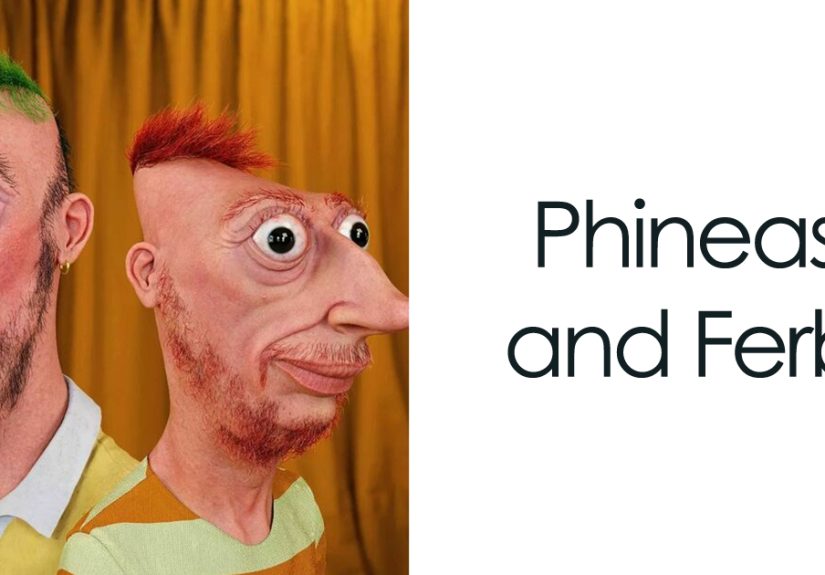
Phineas and Ferb Stylized geometry translated into real anatomy creates that “my brain is buffering”
feelingin the funniest and worst way. -
Pillsbury Doughboy (brand mascot) Dough becomes flesh-adjacent, which is a sentence that should
never exist, yet here we are. -
Squidward (SpongeBob) Somehow becomes more tired, more human, and more emotionally relatable…
while also looking like he’s seen things. -
Cuphead and Mugman (The Cuphead Show!) Their vintage cartoon style clashes beautifully with
realistic materials. It’s like a 1930s animation got a dermatologist. -
Michelangelo (Teenage Mutant Ninja Turtles) The turtle-human hybrid lands in the uncanny sweet spot:
impressive detail, questionable comfort. -
SpongeBob, Patrick, and Gary Group shots intensify the effect: multiple “wrong-but-right” faces
at once, plus Gary existing as a realistic snail concept. -
James P. Sullivan (Monsters, Inc.) Fur texture can be amazing, but realism can also shift “fluffy”
toward “zoologically accurate.” -
Woody and Buzz Lightyear (Toy Story) Already semi-real in the films, but pushing realism into
exaggerated features can create “toy that might start talking at 3 a.m.” energy. -
Peppa Pig Minimalist design + realism = maximum cursed. The silhouette is too iconic to be allowed
to have texture. -
Donald Duck A beak with realistic surface properties is both technically impressive and spiritually
unsettling. -
Po (Teletubbies) The Teletubbies were already a little uncanny; realism just turns the dial from
“odd” to “my brain needs a break.” -
The Grinch Fur, wrinkles, and expression detail can make him feel less like a character and more
like a being you might argue with at a holiday party. -
“Forever Alone” Meme Turning a simple meme face into a textured creature is proof that the internet
canand willmake anything feel alive. - Jimmy Neutron Cartoon hair becomes a real-world physics problem. The eyes become the main event.
-
Grimace (McDonaldland mascot) A brand character remade with realistic anatomy raises questions you
didn’t know you could have. -
SpongeBob SquarePants (again) A second take underscores how much small changes (lighting, expression,
texture) can shift a character from “funny” to “haunting.” -
Character from Rick and Morty Stylized adult animation becomes far more intense once realism enters
the chat.
How This Style Gets Made (Without Turning It Into a Software Manual)
Hyper-real character remakes generally come from a pipeline that blends artistry with technical craft. Even if two
artists use different tools, the logic tends to look like this:
1) Start with a recognizable silhouette
If the shape doesn’t read instantly, the remix loses impact. Most of the “shock” comes from recognition:
your brain knows the character before it knows how to feel about the new version.
2) Sculpt believable forms (then exaggerate strategically)
Realism doesn’t mean “accurate human.” It means convincing materials and structure. Artists often keep the
cartoon proportions but sculpt enough anatomical logiccheek volume, eyelids, mouth structurethat the face can
hold up under realistic lighting.
3) Texture is the secret sauce
Skin, fur, fabric, plastic, rubbermaterials tell the viewer how “real” something is. Add pores, subtle color
variation, tiny surface imperfections, and suddenly a character feels like it exists in the same universe as your
actual furniture. That’s when the uncanny valley starts waving enthusiastically.
4) Lighting decides whether it’s art… or a jump scare
Soft, friendly lighting can keep the vibe playful. Harsh contrast, wet highlights in the eyes, and dramatic shadows
can push it straight into horror. Artists choose lighting based on the emotion they want to triggersometimes
“cool,” sometimes “please stop looking at me.”
Is This “Allowed”? A Quick, Non-Lawyer Reality Check on Fan Art and Copyright
Reimagining famous characters lives in a complicated legal neighborhood. In the U.S., copyright law gives owners
exclusive rights to make derivative works, but there are also important limitations like fair use.
Whether a specific piece of fan art is legally protected can depend on context: purpose, how much was taken,
whether it’s transformative, and market impact.
Translation: two pieces that look similar on Instagram might be treated very differently in the real world depending
on how they’re used (personal portfolio vs. commercial merch, for example). If you’re an artist, the safest moves
are (1) don’t imply official endorsement, (2) avoid using trademarks in a confusing way, and (3) be careful with
monetization unless you have permission or strong fair-use grounds. (And yes, “my friend said it’s fine” is not
a legal doctrine.)
Why We Can’t Look Away: Nostalgia, Comfort, and a Little Bit of Chaos
Nostalgia is powerful. It’s not just “aww, remember cartoons”it’s tied to identity, comfort, and social connection.
That’s why childhood characters feel personal. They’re not merely intellectual property; they’re emotional landmarks.
So when an artist remakes them as unsettling, your reaction is bigger than the image itself. You’re reacting to a
collision of two worlds: the safe simplicity you remember and the gritty realism your brain associates with
“real-life consequences.” That collision creates an intense response, and intense responses travel well online.
A quick scroll becomes a mini roller coaster: nostalgia → surprise → cringe → laughter → “send to group chat.”
Want to Write About This Trend (or Create It) Without Sounding Like Everyone Else?
If you’re covering this topic for a blog, a brand, or a creative portfolio, lean into what makes it interesting:
it’s not just “creepy pics.” It’s a snapshot of modern visual culturewhere meme literacy, nostalgia, and digital
craftsmanship collide. A few angles that keep the content fresh:
- The design psychology angle: explain why realism + stylization creates discomfort.
- The craft angle: materials, lighting, and expression are doing most of the emotional work.
- The culture angle: childhood media becomes shared languageand remixing it becomes social play.
- The ethics/legal angle: fan art is common, but monetization and confusion can create risk.
Conclusion
An artist “ruining” childhood is obviously tongue-in-cheekbut the emotional whiplash is real. These unsettling
character remakes work because they’re technically skilled, instantly recognizable, and psychologically provocative.
They turn comfort characters into uncanny mirrors, forcing your brain to reconcile what it remembers with what it’s
seeing now. And somehow, that discomfort becomes entertainmentbecause the internet loves a remix that makes you
laugh and recoil in the same breath.
Experiences: What It Feels Like When Your Favorite Cartoon Gets the Uncanny Treatment
The first time you see a hyper-real remake of a childhood character, it usually doesn’t hit as “horror” right away.
It hits as confusion. Your brain recognizes the silhouette instantlySpongeBob, Mickey, the Cat in the Hat
and your memory supplies the original voice, the theme song, and the soft, safe vibe you’re used to. Then your eyes
land on the details: pores, wet highlights, realistic teeth, skin folds, and that almost-human expression that doesn’t
fully commit to being friendly. The confusion turns into a laugh you didn’t plan. Not because it’s “funny” in a joke
sense, but because your brain is doing emergency bookkeeping and laughter is the receipt.
A lot of people describe the experience as a rapid series of micro-reactions. First: “Wow, this is insanely well done.”
Second: “Wait… why does he have that texture?” Third: “I need to stop looking.” Fourth: “I’m going to zoom in
anyway.” It becomes this tiny test of willpower, like holding your hand near a candle flamenot to get burned, but to
understand how close you can get before your instincts kick in. The weird part is that once you’ve seen one,
your threshold changes. The second image feels less shocking, and by the fifth you start noticing the craftsmanship:
the way lighting makes eyes look alive, how specular highlights on lips make a smile feel more intense, how fur detail
can shift a character from “cute” to “biologically plausible.”
The most common “experience moment” is the group chat share. Someone posts a remake with a caption like,
“I’m sorry in advance,” and within seconds the replies are a chorus of “NO,” “WHY,” and “I can’t stop looking.”
It turns into social bonding through mild discomfortalmost like watching a scary movie together, but compressed into
one image you can stare at on your phone while pretending you’re totally fine. (You’re not totally fine.)
Another classic experience is the nostalgia rebound: after you see the unsettling version, you suddenly want to look up
the original cartoon image as a palate cleanser. It’s like your inner child demands a “before photo” to restore balance:
“Show me the version without pores. The version with the safe geometry. The version that wouldn’t survive in a gritty
live-action reboot.”
If you’re a creator or writer, you might also experience the “analysis spiral.” You start asking why one remake feels
playful while another feels like a warning. Usually it comes down to small choices: how wide the eyes are, whether the
smile reaches the cheeks, how realistic the skin is compared to the proportions, and how the lighting frames the face.
When the realism is consistentmaterials, anatomy, expressionyour brain relaxes. When it’s mixedreal skin with cartoon
proportions, or realistic eyes with an expression that doesn’t quite matchyou get that uncanny valley “something’s off”
sensation. And once you notice it, you can’t unsee it. Congratulations: you now have a tiny film-school professor living
inside your skull.
Ultimately, the experience isn’t just “creepy.” It’s a modern kind of interactive nostalgia. You’re not passively
consuming childhood mediayou’re watching it get remixed, reinterpreted, and reintroduced as something new. The best
unsettling character art doesn’t actually destroy the originals. It reminds you how deeply those originals are wired
into your memory… and how quickly a little realism can turn comfort into chaos.