Table of Contents >> Show >> Hide
- Why Fireplace Built-Ins Work So Well
- 1. Go Classic With Symmetrical Floor-to-Ceiling Built-Ins
- 2. Mix Open Shelves With Closed Base Cabinets
- 3. Try Intentional Asymmetry for a More Relaxed Look
- 4. Add a Window Seat or Bench to the Built-In Plan
- 5. Build in Firewood Niches for Rustic Charm
- 6. Use Built-Ins to Hide Media Without Letting the TV Win
- 7. Paint the Built-Ins the Same Color as the Wall
- 8. Layer in Library Style With Books, Art, and Lighting
- 9. Customize the Lower Cabinets for Real-Life Storage Needs
- Common Mistakes to Avoid
- How to Choose the Right Fireplace Built-In Style for Your Home
- Conclusion
- Extra Design Experience and Real-Life Inspiration
- SEO Tags
Some rooms have a fireplace. Other rooms have the star of the show. If yours falls into the second camp, built-ins can turn that hearth wall into a hardworking beauty that stores books, hides clutter, shows off personality, and makes the whole room look like it finally got its act together.
That is the magic of fireplace built-ins: they do not just frame the firebox, they frame the entire room. Done well, they create balance, make awkward walls feel intentional, and give you a place for everything from baskets and board games to art, firewood, and that candle you keep lighting to feel “mysteriously expensive.” Done poorly, they can look bulky, random, or like a carpenter and a Pinterest board had a disagreement.
Below, you will find nine fireplace built-in ideas that blend style and storage in ways that feel practical, polished, and very livable. Whether your taste leans modern, classic, farmhouse, or somewhere in the delightful neighborhood of “I just want it to look nice and hide the router,” these ideas can help you build a feature wall that works as hard as it charms.
Why Fireplace Built-Ins Work So Well
A fireplace naturally acts as a focal point. Built-ins make that focal point feel finished. They can visually anchor the room, add symmetry, soften blank walls, and stretch storage upward instead of outward, which is especially useful in smaller living rooms. They also let you mix practical function with decorating freedom: closed cabinets can swallow the ugly stuff, while open shelves can show off books, pottery, framed art, or collected treasures that make a room feel personal rather than staged.
The best built-ins also respond to the architecture of the room. In a traditional space, they can echo molding profiles and mantel details. In a modern room, they can stay sleek and quiet with flat-front cabinetry and minimal trim. In a family room, they can hide electronics and toy overflow without making the space feel like a storage closet wearing a blazer.
1. Go Classic With Symmetrical Floor-to-Ceiling Built-Ins
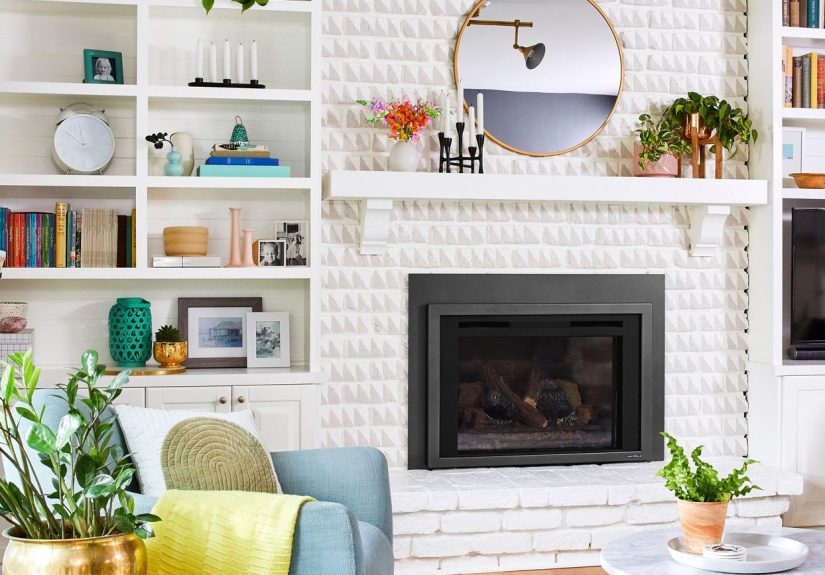
If you want a timeless look, symmetrical built-ins flanking the fireplace are the reliable overachiever of the design world. Matching shelves and lower cabinets on both sides create instant balance, which is especially helpful when the fireplace sits in the center of the main wall.
Why it works
Symmetry gives a room an orderly, tailored look. It makes even a modest fireplace feel grander and more intentional. This approach is especially effective in traditional, transitional, and colonial-style homes, but it also works in modern spaces when the lines stay simple.
How to use the storage
Keep lower cabinets for practical items such as games, electronics, candles, chargers, and seasonal decor. Use upper shelves for books, framed art, and sculptural objects. If both sides are visible from the seating area, repeat shapes and colors instead of making each shelf an unrelated personality test.
Pro tip: floor-to-ceiling millwork draws the eye up and makes ceilings feel taller. It is the decorating equivalent of standing up straight and fixing your posture.
2. Mix Open Shelves With Closed Base Cabinets
This is one of the smartest fireplace built-in ideas because it gives you the best of both worlds. Open shelves keep the wall feeling airy and decorative, while base cabinets take care of the less photogenic parts of real life.
Why it works
All open shelving can look cluttered fast. All closed cabinetry can feel heavy. Combining the two gives you visual breathing room and practical concealment, which is pretty much the dream.
What to store where
Use cabinets for remotes, extra throws, kids’ toys, tech accessories, and anything you do not want on public display. Reserve the shelves for edited decor: stacks of books, vases, baskets, plants, and a few meaningful objects. A little restraint goes a long way here. Your shelves do not need to audition for a holiday catalog all year long.
3. Try Intentional Asymmetry for a More Relaxed Look
Not every fireplace wall needs mirror-image shelving. In some rooms, especially smaller or more casual ones, asymmetrical built-ins feel lighter and more interesting. Think shelves and cabinets on one side, with a reading chair, bench, or art display on the other.
Why it works
Asymmetry can solve layout problems. Maybe one side of the fireplace runs into a window, doorway, or traffic path. Maybe the room needs more openness than storage. In those cases, forcing symmetry can make the wall feel crowded. A one-sided built-in can look fresh, custom, and less formal.
How to keep it balanced
Balance the visual weight with scale, not duplication. If shelves fill one side, use a substantial chair, tall plant, oversized art, or a bench on the other. The goal is not “same-same.” It is “different, but still friends.”
4. Add a Window Seat or Bench to the Built-In Plan
If your fireplace sits between windows or near alcoves, consider extending the built-in concept with a window seat or low bench. It adds storage, softens the wall, and creates one of those cozy spots that make people say, “Wow, this room feels expensive,” when what they really mean is, “I would like to read here with snacks.”
Why it works
A bench breaks up tall cabinetry and makes the whole fireplace wall feel more layered. It also helps a family room feel more welcoming and less rigid.
Storage ideas
Choose a lift-top bench or deep drawers below the seat for blankets, pillows, board games, or off-season decor. Add a cushion and a pair of pillows, and suddenly your built-ins are not just storage. They are an invitation.
5. Build in Firewood Niches for Rustic Charm
If you have a working wood-burning fireplace, built-in firewood storage can be both practical and beautiful. Narrow cubbies or open vertical compartments beside the hearth keep logs within easy reach while adding texture and warmth to the design.
Why it works
Firewood has natural sculptural appeal. The stacked shapes, rough texture, and warm tones bring life to a built-in wall. Even in a modern room, a dedicated wood niche can keep the design from feeling too flat or sterile.
Design tip
Use this idea with restraint. One or two neat niches look intentional. An overflowing log mountain can make the room feel more lumberyard than living room. If your fireplace is decorative or electric, you can still use a faux wood niche for the same cozy visual effect.
6. Use Built-Ins to Hide Media Without Letting the TV Win
Let us address the giant black rectangle in the room. Many people want the television near or above the fireplace, and built-ins can make that setup look more integrated. The trick is to keep the media function from overpowering the entire wall.
Why it works
Built-ins help camouflage wires, media boxes, speakers, and gaming gear. They also create enough visual context around the screen that the TV does not feel like it crash-landed above the mantel.
How to do it well
Use cabinetry below for components, plan discreet cable management, and include ventilation if equipment will be enclosed. Surround the TV with shelves, art, or millwork so the wall reads as one composition. If possible, keep the screen from sitting absurdly high. No one wants movie night to double as a neck exercise program.
7. Paint the Built-Ins the Same Color as the Wall
For a calm, designer-y look, paint the fireplace built-ins and surrounding wall the same color. This creates a seamless effect that makes the architecture feel built-in from day one, even if your home was not born with custom millwork.
Why it works
Color drenching minimizes visual clutter. Shelves, cabinets, and trim blend together, which lets the fireplace materials and styled objects stand out more gracefully. It is especially effective in small rooms, where contrast-heavy millwork can feel busy.
Best colors to try
Soft whites, warm greige, moody green, charcoal, navy, or muted taupe all work beautifully depending on your style. Lighter colors make the room feel airy; deeper colors create mood and richness. If your fireplace surround has dramatic stone or brick, matching paint on the built-ins can help it shine instead of compete.
8. Layer in Library Style With Books, Art, and Lighting
If you love a room with soul, turn your fireplace wall into a mini library. Built-ins filled with books, framed art, pottery, and a few collected objects can make the space feel thoughtful, warm, and genuinely lived in.
Why it works
Books add instant texture and color. Art keeps shelves from feeling too repetitive. Lighting gives the entire wall depth and polish. Small puck lights, picture lights, or discreet integrated shelf lighting can make even simple built-ins feel custom and upscale.
How to style without overdoing it
Mix vertical and horizontal book stacks. Leave some empty space. Vary heights and materials. Repeat one or two tones across the shelves so the look stays cohesive. In other words, curate instead of cramming. Your built-ins are not a storage unit with ambition.
9. Customize the Lower Cabinets for Real-Life Storage Needs
The loveliest fireplace built-ins are not just pretty. They are secretly useful. That means the lower half should be tailored to how you actually live. Drawers, pull-outs, file storage, toy bins, pet supply cabinets, or hidden charging stations can all make the wall far more functional.
Why it works
Customizing the storage turns the built-ins from decorative background into everyday infrastructure. It is the difference between “nice shelves” and “I cannot believe how much better this room works now.”
Smart options to consider
Add deep drawers for blankets, adjustable shelves for changing storage needs, cabinet doors for visual calm, and baskets for flexible organization. If the room serves multiple purposes, one built-in can even include a tiny workstation or charging drawer. That is style meeting practicality and shaking hands like professionals.
Common Mistakes to Avoid
Even gorgeous fireplace built-in ideas can go sideways if the details are ignored. First, do not crowd the fireplace with bulky cabinetry that overwhelms the hearth. The fireplace should still read as the star. Second, avoid shelves that are too deep or too shallow for the items you plan to store. Third, do not skip lighting and outlet planning. Retrofitting those later is nobody’s favorite hobby.
And most important: pay attention to safety. Materials, placement, and installation around a fireplace need to respect local building codes, fireplace type, and manufacturer recommendations. That matters for heat exposure, clearances, and what materials can safely sit near the firebox or mantel zone. Stylish storage is wonderful. Stylish storage that does not accidentally argue with fire safety is even better.
How to Choose the Right Fireplace Built-In Style for Your Home
Start by looking at the room architecture. If your mantel has traditional trim, detailed built-ins will feel more natural than ultra-minimal cabinets. If your room is modern, clean lines and flat-front doors may feel more appropriate. Then think about how much storage you actually need. If clutter is your nemesis, prioritize closed cabinetry. If you love styling shelves, leave more open space. If you need both, choose a hybrid layout.
Also consider what the built-ins should do visually. Do you want the fireplace wall to feel dramatic and grand? Go tall and symmetrical. Want it to feel softer and more collected? Add asymmetry, layered decor, and warm finishes. Working with a small room? Use vertical storage, lighter colors, and a layout that does not block windows or circulation.
Conclusion
The best fireplace built-ins do more than frame a firebox. They shape the mood of the room, add useful storage, and make your home feel more complete. Whether you prefer classic symmetry, airy asymmetry, moody paint, wood niches, a hidden-media setup, or a full-on library look, the right design can make your fireplace wall feel equal parts beautiful and hardworking.
If there is one takeaway worth carrying into your project, it is this: lovely built-ins are not just about filling empty wall space. They are about creating a feature that reflects how you live. Store what you need, display what you love, keep the proportions balanced, and let the fireplace remain the warm heart of the room. Everything else is just smart millwork with good manners.
Extra Design Experience and Real-Life Inspiration
One of the most interesting things about fireplace built-ins is how differently they behave in real homes compared with staged photos. In magazines and inspiration galleries, shelves often look perfectly edited, with three books here, a vase there, and not a remote control in sight. In actual living rooms, built-ins become command centers. They hold charging cords, dog leashes, holiday candles, board games missing exactly one piece, and that one basket everyone pretends is “organized.” The most successful built-in projects embrace that reality instead of fighting it.
In family homes, lower cabinets tend to do the heavy lifting. They are where daily mess disappears five minutes before company arrives. Homeowners who choose drawers instead of fixed shelves often end up loving them because drawers make it easier to reach blankets, games, and electronics without crouching like a treasure hunter. In quieter rooms, such as formal living spaces or reading rooms, open shelving tends to shine more because the wall can stay styled without being constantly raided for batteries and snack bowls.
Another real-world lesson is that material choice changes the whole mood. Painted built-ins feel crisp, architectural, and classic. Natural wood versions feel warmer, more relaxed, and slightly more modern organic. Deep paint colors can make a fireplace wall feel dramatic and intimate, especially at night when lamps are on and the fire is going. Lighter tones make the room feel larger and cleaner, which is a gift in smaller homes where the fireplace wall is doing a lot of visual work already.
People also tend to underestimate how much lighting matters. A built-in wall can look flat during the day and magical at night with even a small amount of integrated light. Soft shelf lighting makes books look richer, ceramics look intentional, and the whole room feel finished. It is one of those upgrades that sounds optional until you see it in action, and then suddenly it feels emotionally necessary.
There is also a practical satisfaction in making the built-ins solve awkward problems. Maybe one side of the fireplace has a strange niche. Maybe the TV has nowhere graceful to live. Maybe the room needs storage but every freestanding cabinet feels random. Fireplace built-ins answer those issues in a way that feels tailored rather than improvised. They can make an older home feel updated without erasing its character, or make a newer home feel less builder-basic and more personal.
Most of all, the experience of living with fireplace built-ins is about comfort. They add visual order, yes, but they also change the way a room is used. People gather there. Books are easier to reach. Blankets have a home. Seasonal decor finally has a stage. The fireplace wall becomes less of a blank backdrop and more of a daily participant in home life. That is why these ideas remain so popular year after year: they are not just lovely in photos. They make rooms genuinely easier, warmer, and better to live in.