Table of Contents >> Show >> Hide
- What Exactly Is the Cobb Stool (and Why Do People Keep Talking About It)?
- Design Details That Actually Matter
- Materials & Finishes: Steel + Teak Is a Power Couple
- Choosing the Right Height: Table vs Counter vs Bar (No, They’re Not the Same)
- How Many Stools Do You Need? Spacing Without Starting a Feud
- Where the Cobb Shines: Real Use Cases Indoors and Outdoors
- Styling Ideas: Make It Look Intentional (Not Like You Panic-Bought Stools)
- Care & Maintenance: Keep It Handsome (Even After Summer)
- Is It Worth It? A Practical Value Check
- FAQ: Quick Answers for Real-Life Buying Questions
- Real-World Experiences: What Life With a Cobb-Style Stool Tends to Look Like (About )
- Conclusion
Some furniture tries way too hard. It’s tufted, it’s beige, it whispers “I’m timeless” while begging for a throw blanket and a therapist.
The Cobb Indoor/Outdoor Table Stool with Back doesn’t do any of that. It shows up like a well-dressed bouncer:
sturdy, confident, and quietly prepared for whatever chaos your kitchen island or patio party can throw at it.
If you’ve been hunting for an indoor outdoor stool with back that feels equally at home next to a marble countertop and
a slightly questionable grill situation, the Cobb is worth a closer look. This guide breaks down what makes it special, how to choose the
right height and setup, how to style it without turning your space into a furniture showroom, and how to keep it looking good when the weather
decides to cosplay as a horror movie.
What Exactly Is the Cobb Stool (and Why Do People Keep Talking About It)?
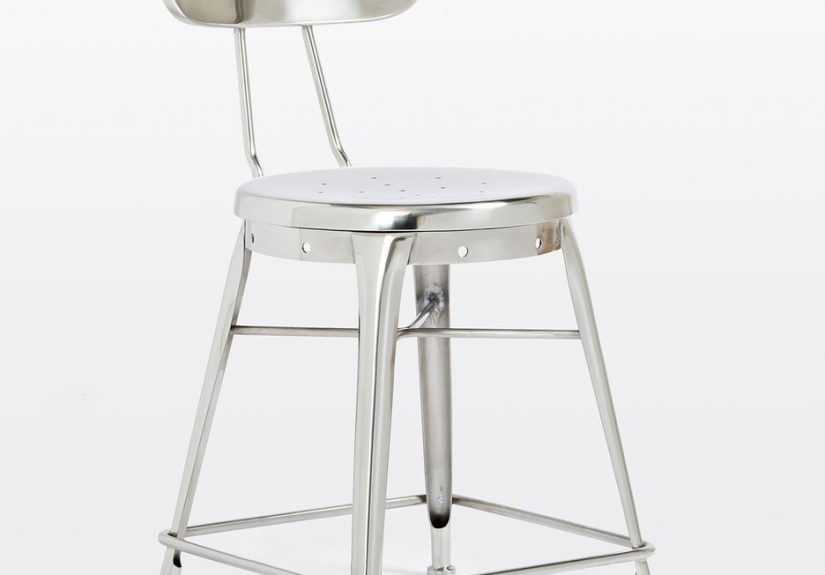
The Cobb is an industrial-style stool built around a metal frame with a cross-base detail, a footrest, and a removable backrest.
That last part is the secret sauce: you get the comfort of a back when you want it, and the clean, streamlined silhouette when you don’t.
It’s like having a convertibleexcept instead of wind-in-your-hair vibes, you get “my guests can actually sit here for more than 12 minutes.”
It’s designed for indoor/outdoor use, which typically means the materials and finishes are chosen to tolerate moisture,
sun, temperature swings, and the occasional drink spill that arrives with a dramatic “Oops!” and no follow-up help.
Depending on the version, the Cobb line is commonly offered with metal seating or wood seating (often teak in the indoor/outdoor model),
plus multiple finish options so you can match it to a modern farmhouse kitchen, a contemporary patio, or a “we inherited these tiles” situation.
Design Details That Actually Matter
1) The backrest: comfort without committing to “chair energy”
A stool with a back is often the difference between “linger for coffee” and “stand up immediately because my spine is filing a complaint.”
The Cobb’s backrest is intentionally modestsupportive enough for posture, not so tall that it visually crowds your space.
And since it’s removable, you can swap between a cleaner profile (great for tight sightlines) and a more supportive setup (great for humans).
2) The cross-base: not just a pretty X
That cross-base detail isn’t only for looks. In practical terms, it helps the stool feel grounded and stableespecially important outdoors,
where uneven pavers and “this deck board has seen things” are part of the landscape.
3) The footrest: the unsung hero of happy knees
Footrests are not decorative. They’re ergonomic peace treaties. A good footrest reduces pressure on the backs of your thighs, supports posture,
and keeps people from hooking their feet around random chair legs like a bored toddler in adult clothing.
Materials & Finishes: Steel + Teak Is a Power Couple
Metal frame: built for real life
For an outdoor bar stool (or table/counter stool) to last, the frame finish matters as much as the frame itself.
Powder-coated metal is popular because it resists corrosion better than basic paint, and it’s tough enough for frequent use.
That said, even strong finishes can chipespecially in high-traffic homes or commercial settingsso a little maintenance goes a long way.
Teak seat option: the “outdoors-ready hardwood” vibe
Teak is famous in outdoor furniture for a reason: it naturally contains oils that help it tolerate moisture and weather exposure.
Left alone, it often weathers into a silvery-gray patina that many people love. If you prefer the warm golden-brown look, you’ll typically
need routine cleaning and occasional sealing. The good news: teak care is more “basic skincare routine” than “restoration documentary.”
Metal seat option: sleek, easy, and unapologetically industrial
A metal seat is usually the easiest to wipe down and keep looking crisp. It also leans into the Cobb’s industrial DNA:
think café stools, workshop chic, and “my design taste has boundaries.” If you want a stool that’s low-fuss for daily messes,
metal seating is the classic choice.
Choosing the Right Height: Table vs Counter vs Bar (No, They’re Not the Same)
Buying the wrong stool height is one of the most expensive ways to learn basic geometry. The general rule: you want
about 10–12 inches between the top of the seat and the underside of the surface for comfortable legroom.
Too little space and people feel trapped; too much and you’re basically doing pull-ups to eat chips and salsa.
Quick sizing guide (typical ranges)
- Table height (around 28–30″): look for a seat height around 18–20″.
- Counter height (often ~35–36″): look for a seat height around 24–27″.
- Bar height (often ~40–42″): look for a seat height around 28–33″.
If you’re looking at the Cobb because your space does double duty (kitchen by day, hangout bar by night),
prioritize comfort: measure your actual surface height and pick the stool height that keeps knees happy.
The Cobb family is commonly offered in multiple heights, so you can keep the design consistent from indoors to out.
How Many Stools Do You Need? Spacing Without Starting a Feud
Stool spacing is the silent cause of many household arguments. The sweet spot is usually about
24 inches per stool (measured center-to-center), with more space for stools that have backs or anything that encourages
elbow-based storytelling. If your stools swivel, add a little extra breathing roombecause people will rotate like they’re auditioning for a chair ballet.
A simple math shortcut
- Measure the usable counter/bar length in inches.
- Divide by 24 for a comfortable estimate.
- If you want “luxury elbow room,” divide by 28–30 instead.
Also: leave clearance at the ends. If a stool is jammed against a wall, it becomes the “punishment seat,” and everyone will pretend it doesn’t exist.
Where the Cobb Shines: Real Use Cases Indoors and Outdoors
Outdoor kitchens and patio bars
The Cobb’s weather-friendly materials, footrest, and stable base make it a strong candidate for outdoor bar setups.
It has that clean-lined, architectural look that pairs well with stainless grills, stone countertops, and modern pergolas.
If your patio is more “string lights and burgers,” it still worksindustrial furniture is basically the denim jacket of design.
Kitchen islands that act like community centers
Many homes use the island as a multipurpose headquarters: breakfast, homework, laptop time, and the “tell me everything” conversations.
This is where a stool with back support earns its keep. The removable backrest is handy, tookeep backs on for daily comfort,
remove a couple when you need a visually lighter look for entertaining or photos.
Utility spaces (yes, really)
Laundry rooms, mudrooms, potting benchesthese areas benefit from seating that doesn’t mind a little grit. A sturdy stool with a back
is surprisingly useful when you’re sorting, folding, or doing plant work and don’t want to hover like a confused flamingo.
Styling Ideas: Make It Look Intentional (Not Like You Panic-Bought Stools)
Modern minimal
Pair a matte metal frame with a simple countertop (white quartz, concrete, butcher block). Keep the palette tight and let the stool’s
industrial lines do the talking. Bonus points for one warm wood accent nearby if you want the space to feel less like a sci-fi lab.
Coastal-ish without the seashell avalanche
A teak seat works beautifully with light walls, natural textiles, and outdoor greenery. The Cobb gives you “relaxed and breezy”
without requiring a single anchor motif. Your guests will appreciate that.
Industrial café vibe
Lean in: metal seats, darker finishes, pendant lights, and maybe a tile backsplash with some attitude.
The Cobb’s cross-base detail feels right at home in a space that nods to vintage workshops and neighborhood coffee shops.
Care & Maintenance: Keep It Handsome (Even After Summer)
For the metal frame (and metal seat)
- Routine cleaning: mild soap and water, then dryespecially after rain or coastal air.
- Watch for chips: if the finish gets nicked, touch it up sooner rather than later to reduce the chance of rust.
- Rust rescue plan: if rust appears, remove loose rust, clean, prime the spot, and repaint with a metal-appropriate coating.
For teak seating
- Decide your look: silvery-gray patina (low effort) or warm golden teak (requires periodic sealing).
- Clean gently: use a teak-safe cleaner when needed; scrub with the grain when appropriate.
- Sealing cadence: many homeowners re-seal about yearly when trying to maintain the golden tone, depending on sun and weather exposure.
If your stools live outdoors full-time, a cover during harsh weather (or off-season storage) can extend the “new furniture glow.”
Think of it as sunscreen for your investmentless glamorous than a beach day, but way more effective.
Is It Worth It? A Practical Value Check
The Cobb’s value proposition is less about “look at this trendy stool” and more about
durability + flexibility. A removable backrest is a real feature (not marketing confetti), especially if you host often or
like to re-style your space without replacing furniture. The indoor/outdoor build also means you can move stools between spaces seasonally
without feeling like you’re committing a design crime.
If you’re furnishing a high-traffic home (kids, pets, frequent entertaining) or a hospitality-style space (short-term rental, café corner,
commercial patio), the Cobb’s sturdier construction and “contract-grade” positioning can make sensefewer wobbles, fewer regrets.
FAQ: Quick Answers for Real-Life Buying Questions
Can the Cobb stool really be used outdoors?
The indoor/outdoor version is built for that job, typically using durable metal construction and weather-friendly seat materials like teak or metal.
You’ll still want basic carecleaning, drying after storms, and touch-ups if the finish chipsto keep it looking sharp long-term.
Should I choose the backrest version?
If people will sit for more than a quick snack, a back is usually worth it. The Cobb’s removable backrest is a great compromise:
comfort when you need it, a cleaner silhouette when you don’t.
How do I make sure I’m buying the right height?
Measure your surface height and aim for about 10–12 inches of clearance between the seat and the underside of the counter or table.
If you’re between sizes, err on the side of comfortknees have long memories.
How many stools fit at my island?
A common comfort guideline is about 24 inches per stool. For wider stools, stools with backs, or people who enjoy enthusiastic hand gestures,
give yourself more space.
Real-World Experiences: What Life With a Cobb-Style Stool Tends to Look Like (About )
Here’s the funny thing about a Cobb Indoor/Outdoor Table Stool with Back: nobody talks about it the day it arrives.
They talk about it a month laterright after they realize it quietly solved three annoying problems they’d been living with.
First, it ends the “where do I put my feet?” dilemma. A real footrest means people stop wrapping their ankles around chair legs
like they’re trying to anchor themselves during an earthquake. That small comfort upgrade makes casual seating feel intentional.
In kitchens, the most common “experience” is that the stool becomes a magnet for lingering. Someone sits down to check an email,
and suddenly it’s a full-on conversation with snacks involved. That’s the backrest effect: it invites people to stay.
Homeowners who initially wanted a backless look often admit that, in daily life, a back winsespecially for morning coffee,
homework sessions, or the kind of late-night chat that starts with “quick question” and ends with “wow, it’s midnight.”
The Cobb’s removable backrest plays referee here: keep backs on for everyday comfort, then remove one or two when you want the room to feel more open.
Outdoors, the experience is mostly about confidence. A well-built metal stool doesn’t feel fragile when you drag it across a patio,
and the cross-base design tends to feel stable even on surfaces that aren’t perfectly level. People use them at outdoor bars,
poolside counters, and even in garden or potting setups where a quick sit-down turns into a longer “I should organize these tools” moment.
The stool becomes part of the routine: a place to set a drink, a perch for trimming herbs, a seat for tying shoes before heading out.
The teak seat option is where “experience” becomes personalbecause teak has a personality. Some folks love watching it weather into that soft,
silvery tone that reads effortlessly coastal. Others want it golden forever and treat it like a favorite leather bag: clean it, seal it,
protect it, and feel deeply satisfied every time it still looks brand-new. Either way, teak tends to age gracefully, which is why it shows up
on so many patios that actually get used.
The biggest surprise is how often people move these stools around. They start at the kitchen island, then “temporarily” migrate outside for a party,
then get borrowed for a game night, then end up in a laundry room for folding, then come back inside because someone realized they miss them.
Furniture that can travel without drama is underrated. The Cobb’s whole vibe is “I can handle it,” and in real homes, that’s the feature that matters most.
Conclusion
The Cobb Indoor/Outdoor Table Stool with Back is the rare stool that balances style and substance:
industrial lines without feeling cold, comfort without the bulk of a full chair, and materials that can handle the indoors-outdoors shuffle.
Get the height right, give it proper spacing, and treat the finishes with a little respect, and it can be the kind of seating that
quietly upgrades how people use your spacewhether that space is a kitchen island, a patio bar, or the laundry room you swore you’d organize last year.