Table of Contents >> Show >> Hide
- What Exactly Is a Spin Class?
- 1. Spin Class Supercharges Your Heart Health
- 2. It’s Low-Impact and Joint-Friendly
- 3. Spin Class Burns Serious Calories
- 4. You Build Stronger Legs, Glutes, and Core
- 5. Spin Class Supports Mental Health and Stress Relief
- 6. It Works for Beginners, Athletes, and Everyone in Between
- 7. You Get Community, Accountability, and Fun
- Who Should Be Cautious About Spin Class?
- Tips to Get the Most Out of Spin Class
- Real-Life Spin Class Experiences (500-Word Extension)
- Bottom Line
If you’ve ever walked past a studio and heard thumping music, cheering, and the rhythmic whir of flywheels, you’ve probably wondered: What is going on in there, and why does everyone look like they’re having fun while sweating buckets? Welcome to spin class a high-energy indoor cycling workout that can be tailored to almost any fitness level, from “I get winded on the stairs” to “I sign up for endurance races for fun.”
Spin class (also called indoor cycling) uses a stationary bike, adjustable resistance, and an instructor or app-based program to guide you through sprints, climbs, and recovery intervals. It’s more than just pedaling in place: done regularly, it can improve heart health, strengthen muscles, support weight management, and give your mood a serious boost. And because you control the resistance and speed, beginners and seasoned athletes can literally ride side by side and both get a great workout.
Let’s break down seven evidence-backed benefits of spin class for all fitness levels and why it might become your favorite way to check “work out” off your to-do list.
What Exactly Is a Spin Class?
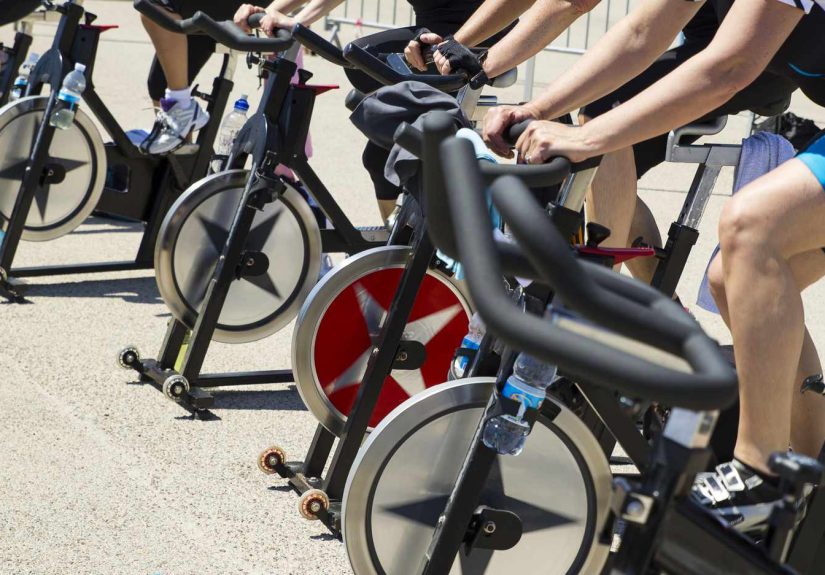
In a typical spin class, you ride a specially designed stationary bike with a weighted flywheel. The instructor calls out changes in resistance (like “turn the knob up a quarter turn”) and cadence (pedaling speed) to simulate hills, flat roads, and all-out sprints. Classes usually last 30 to 60 minutes and are set to music that matches the intensity of each segment.
The key point: you’re in control. You can sit or stand, pedal faster or slower, and increase or decrease resistance based on how your body feels. That’s why indoor cycling is popular with beginners, older adults, and people getting back into fitness, as well as runners, triathletes, and other experienced exercisers who want joint-friendly cardio.
1. Spin Class Supercharges Your Heart Health
Cardio that checks the “150 minutes a week” box
Health organizations like the American Heart Association and CDC recommend at least 150 minutes of moderate-intensity aerobic activity or 75 minutes of vigorous activity per week for adults to support heart health and lower the risk of chronic disease. Indoor cycling can easily reach that “moderate to vigorous” level, especially when you add intervals and climbs.
During a spin class, your heart rate rises into cardio territory as you match the instructor’s cues. Over time, regular sessions can improve your aerobic capacity your body’s ability to deliver oxygen to working muscles which is strongly linked to lower risk of heart disease and longer lifespan. Many studies show that better cardiorespiratory fitness (often measured as VO2 max) is one of the strongest predictors of overall health and longevity.
Endurance you feel in everyday life
The benefits aren’t just for athletes. As your cardiovascular system adapts, everyday tasks feel easier: carrying groceries, climbing stairs, chasing kids, or walking the dog at a brisk pace. You’ll likely notice you don’t get winded as quickly, and your recovery after exertion gets faster. That’s cardio fitness in action and spin class is a fun, structured way to build it.
2. It’s Low-Impact and Joint-Friendly
One of the biggest perks of indoor cycling is that it’s gentle on your joints. Unlike running or high-impact aerobics, your feet stay on the pedals, and your joints move in a smooth, controlled range of motion. Stationary bike workouts are often recommended for people with knee, hip, or ankle pain because they strengthen muscles around the joints without pounding them against the ground.
This makes spin class especially appealing if you’re:
- New to exercise and worried about overdoing it
- Coming back from an injury (with your healthcare provider’s OK)
- Dealing with joint stiffness, arthritis, or past joint surgeries
- Looking to cross-train without extra stress on your knees and hips
Think of it as “kind cardio”: your heart works hard, your muscles get fired up, but your joints don’t take a beating.
3. Spin Class Burns Serious Calories
If your goals include weight loss or maintaining a healthy weight, spin class can be a powerful ally. Depending on your body size and how hard you work, a 45- to 60-minute spin class can burn roughly 400 to 600 calories or more. Those numbers vary by person and intensity, but it’s clear that indoor cycling can create a meaningful calorie burn in a relatively short time.
Because the resistance and pace are adjustable, you can tailor the workout to your level. Beginners might keep resistance lighter and focus on staying in motion for the full class, while more advanced riders may push heavier resistance and higher cadences. Either way, you’re tapping into a high-efficiency, full-body cardio workout that supports a calorie deficit when combined with balanced eating.
Bonus: interval-style spin classes (with alternating harder and easier segments) can increase your post-exercise calorie burn slightly as your body works to recover sometimes called the “afterburn” effect.
4. You Build Stronger Legs, Glutes, and Core
Although spin is famous for its cardio benefits, it’s also a sneaky strength workout for your lower body and core. As you increase resistance, your leg muscles have to push and pull against more load, recruiting your:
- Quadriceps (front of thighs) as you push down on the pedals
- Hamstrings (back of thighs) as you pull through the pedal stroke
- Glutes (your butt muscles) during climbs and when “standing” out of the saddle
- Calves with each turn of the pedals
Your core muscles including your abdominals and lower back also engage to keep you stable, especially during standing climbs or when you’re leaning forward into a sprint. Over time, many riders notice stronger legs, more defined glutes, and better overall stability.
Stronger muscles aren’t just about aesthetics. More muscle mass helps support your joints, maintain balance, and improve daily function. It also boosts your resting metabolism slightly, which can help with long-term weight management.
5. Spin Class Supports Mental Health and Stress Relief
There’s a reason many people say their spin class is “cheaper than therapy.” Like other forms of exercise, indoor cycling triggers the release of endorphins the body’s natural feel-good chemicals which can lift your mood and reduce stress and anxiety. Research on cycling and other cardio workouts suggests that regular activity can help ease symptoms of depression, improve sleep, and enhance overall emotional well-being.
The spin studio environment adds extra mental health perks:
- Music and rhythm. Riding to the beat of energetic music distracts you from daily worries and turns your workout into something that feels more like a party than a chore.
- Clear structure. Having an instructor tell you when to push and when to recover takes the mental load off planning your own workout. You just show up and pedal.
- Sense of accomplishment. Finishing a tough climb or interval set can boost your confidence and reinforce the idea that you can do hard things on and off the bike.
For many people, that mental “reset” after class is just as valuable as the physical benefits.
6. It Works for Beginners, Athletes, and Everyone in Between
One of the biggest myths about spin class is that you have to be “in shape” before you go. In reality, indoor cycling is one of the most inclusive workouts you can choose. Because the bike’s resistance is manually controlled and your pedal speed is self-paced, you can scale the workout up or down instantly.
If you’re new to exercise
- Keep resistance low and focus on staying in the saddle (seated) for most of class.
- Ignore advanced options until you feel comfortable; it’s perfectly fine to ride at your own pace.
- Let your instructor know you’re new they can help set up your bike and give you modifications.
If you’re more advanced
- Use heavier resistance during climbs to build more strength and power.
- Push harder during sprints while still honoring your body’s limits.
- Track metrics like cadence, power output, and distance (in some studios or on connected bikes) to challenge yourself over time.
The result: a single spin class can comfortably include beginners, older adults, people returning from a break, and experienced athletes each riding at their own level while sharing the same energy and playlist.
7. You Get Community, Accountability, and Fun
Let’s be honest: many of us know we “should” exercise but struggle to stick with it. Spin class tackles that problem by layering motivation on top of movement. You’re not just alone on a bike in your living room; you’re part of a group, which can make a huge difference in consistency.
Benefits of the spin community include:
- Accountability. Signing up for a class time or seeing familiar faces and instructors nudges you to show up, even when the couch looks tempting.
- Social connection. Saying hi before class, sharing a sweaty high-five after, or chatting about playlists creates a sense of belonging.
- Positive peer pressure. When everyone around you is pushing through the final sprint, it’s easier to hang in for a few more seconds.
- Fun factor. The combination of music, lighting (in some studios), and group energy turns a workout into an experience you might actually look forward to.
When a workout is enjoyable, you’re far more likely to keep doing it. And consistency is where the biggest health benefits live.
Who Should Be Cautious About Spin Class?
While spin class is safe for most people, it’s smart to talk to your healthcare provider before starting any new vigorous exercise, especially if you have heart disease, uncontrolled high blood pressure, or other medical conditions. If you’re pregnant, living with joint or back issues, or recovering from an injury, your provider may clear you with specific guidelines or suggest modifications.
In class, pay attention to how you feel. You should be working hard, but not to the point of dizziness, chest pain, or feeling like you might faint. It’s completely okay to turn the resistance down, slow your pace, or take a break. Listening to your body is not “quitting” it’s smart training.
Tips to Get the Most Out of Spin Class
- Arrive early. Give yourself 10–15 extra minutes for your first few sessions so the instructor can help you with bike setup.
- Focus on form. Keep your core lightly engaged, shoulders relaxed, and a soft bend in your elbows. Avoid bouncing in the saddle or leaning too heavily on the handlebars.
- Hydrate. Bring a water bottle and take small sips throughout class indoor cycling can be sweaty.
- Invest in comfort. Padded bike shorts or a gel seat cover can make longer rides more comfortable. Cycling shoes that clip into the pedals can improve efficiency but are optional.
- Start with 1–2 classes a week. As your fitness improves, you can gradually add more sessions, balancing spin with strength training and rest days.
Real-Life Spin Class Experiences (500-Word Extension)
Sometimes the science and benefits list is convincing, but what really sells you on a workout is hearing how it feels in real life. Here are a few common “spin class stories” that capture what many people experience at different fitness levels.
The Nervous Beginner
Imagine someone who hasn’t worked out consistently in years. They walk into the studio feeling like everyone else must be a marathoner in disguise. The instructor welcomes them, adjusts the seat height, and quietly says, “Your bike, your ride. Turn the resistance where you need it.” During class, the beginner keeps the resistance low, stays seated most of the time, and spends half the song wondering if their legs will fall off.
But something interesting happens: the music kicks in, the room moves together, and suddenly 10 minutes have passed. They take short breaks when they need to, but they finish the whole class. At the end, they’re surprised by how accomplished they feel and that their knees don’t hurt the way they expected. The next morning, they’re a little sore, but proud enough to book a second class.
The Busy Parent Squeezing in “Me Time”
For a busy parent juggling work, kids, and endless errands, scheduling a 45-minute spin class can feel like a luxury. But it becomes sacred time. They drop the kids at school or daycare, head to the studio, and step into a dark room where the only to-do list is “pedal when the music says pedal.”
Over a few months, they notice their energy improving. They’re less winded when carrying toddlers up the stairs, and their mood feels more stable even on chaotic days. The scale might move a bit, their jeans fit differently, but the biggest shift is internal: that class becomes a mental reset button. It’s not just exercise; it’s a scheduled appointment with themselves.
The Runner Using Spin for Cross-Training
Then there’s the runner who swears they only feel truly alive when their feet hit pavement until their knees start complaining. A coach suggests adding spin class as low-impact cross-training. At first, they’re skeptical. How can being on a bike compare to a long run?
But after a few weeks of cycling intervals, hills, and endurance rides, they notice their running pace improving. Their lungs feel stronger, their legs recover faster after long runs, and their knees appreciate the break from pounding. Spin becomes a key piece of their training plan, not a substitute, but a complementary tool that keeps them in the game longer.
The Older Adult Focusing on Longevity
An older adult say, in their 60s or 70s may be more focused on staying independent and active than hitting personal bests. Their doctor has encouraged regular aerobic exercise for heart health and blood pressure, but running isn’t appealing. Indoor cycling feels safer: no traffic, no risk of tripping on uneven sidewalks, and the comfort of being able to slow down or stop easily.
They start with shorter, low-intensity classes or beginner-friendly sessions. Over time, their stamina grows. They might notice improvements in their blood pressure or cholesterol numbers at checkups. They feel steadier on their feet, more confident walking up hills, and proud that they’re still “showing up” for their health.
The Common Thread
These stories are different, but they share a common theme: spin class meets people where they are. You don’t have to fit a certain mold to clip in and ride. Whether you’re just starting out, rebuilding after a setback, or pushing toward new performance goals, indoor cycling can adapt to your needs.
And that may be the biggest benefit of all spin class isn’t just for “fit people.” It’s for anyone willing to hop on a bike, turn the pedals, and see what happens next ride after ride.
Bottom Line
Spin class offers a powerful combination of low-impact cardio, strength-building, calorie burning, mental health benefits, community, and flexibility for different fitness levels. It can help you meet recommended activity guidelines, support heart and metabolic health, and make exercise feel more like an energizing event than a chore.
If you’re curious, start where you are: pick a beginner-friendly class, let the instructor know you’re new, and give yourself permission to modify. Your first ride doesn’t have to be perfect it just has to happen. From there, every spin of the pedals is a step toward better health.