Table of Contents >> Show >> Hide
- What Makes a Food “Super Healthy”?
- 50 Foods That Are Super Healthy
- Leafy Greens and Cruciferous Vegetables
- Colorful Vegetables That Pull Their Weight
- Fruit That Does More Than Taste Good
- Whole Grains Worth Making Room For
- Legumes: Tiny Nutritional Workhorses
- Nuts and Seeds That Bring Crunch and Nutrition
- Seafood That Earns Its Reputation
- Protein-Rich Staples for Everyday Meals
- Healthy Fats and Flavor Boosters
- How to Eat More of These Foods Without Turning Life Into a Spreadsheet
- Real-Life Experiences With Super Healthy Foods
- Final Thoughts
- SEO Tags
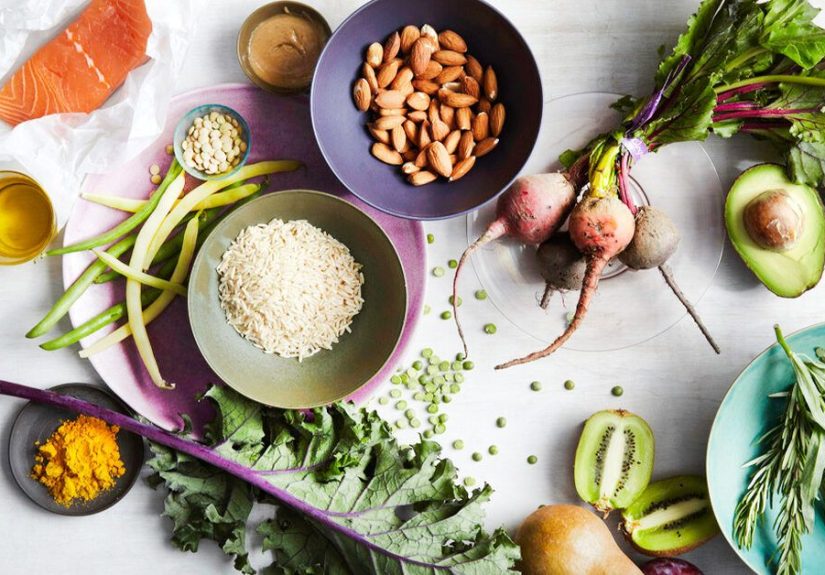
Let’s be honest: the internet loves to slap the word “superfood” on anything that can be photographed next to a mason jar and a yoga mat. But genuinely healthy foods do not need a publicist. The best ones are usually familiar, affordable, and sitting quietly in your grocery store while snack cakes scream for attention from the end cap.
So what makes a food truly worth your fork? Usually, it comes down to nutrient density. The healthiest foods tend to deliver a solid mix of vitamins, minerals, fiber, protein, or healthy fats without a lot of added sugar, sodium, or heavy processing. In other words, they work hard. They are the overachievers of the produce aisle, the grain shelf, and the dairy case.
This guide rounds up 50 foods that are super healthy and actually practical to eat. No magic powders. No mystery berries harvested by moonlight. Just real, whole foods that can support heart health, digestion, energy, and long-term wellness when they are part of an overall healthy eating pattern. Think of this list as your grocery cart’s all-star lineup.
What Makes a Food “Super Healthy”?
A super healthy food is not one that “detoxes” you, fixes your life, or turns you into the kind of person who meal-preps in glass containers every Sunday. It is simply a food that gives you a lot of nutritional value for what you eat. That usually means one or more of the following:
- High fiber to support fullness, digestion, and healthy blood sugar patterns
- Protein to help maintain muscle and keep meals satisfying
- Healthy fats, especially unsaturated fats, which are linked with heart-smart eating patterns
- Vitamins, minerals, and plant compounds that help your body do its many complicated and underappreciated jobs
- Minimal processing and fewer added ingredients you did not ask for
The big picture matters too. One healthy food does not cancel out a diet built on soda and drive-thru fries. But adding more whole grains, fruits, vegetables, legumes, nuts, seeds, seafood, and fermented foods can shift your overall diet in a healthier direction. That is where the real magic happens, and yes, this is the least glamorous magic trick ever invented.
50 Foods That Are Super Healthy
To make this easier to skim, the list is grouped by category. That way you can build meals instead of merely admiring ingredients like they are museum exhibits.
Leafy Greens and Cruciferous Vegetables
- Spinach Packed with folate, vitamin K, and other micronutrients, spinach is an easy add to eggs, soups, smoothies, and pasta dishes.
- Kale Sturdy, hearty, and not just a garnish from 2014, kale delivers fiber and a strong dose of vitamins A, C, and K.
- Arugula Peppery and fast to use, arugula adds flavor with very few calories and pairs well with olive oil, lemon, and shaved Parmesan.
- Broccoli A classic for good reason, broccoli brings fiber, vitamin C, and compounds often associated with healthy eating patterns.
- Brussels sprouts Roasted properly, these go from “childhood enemy” to caramelized little flavor bombs with fiber and antioxidants.
Colorful Vegetables That Pull Their Weight
- Sweet potatoes Rich in fiber and beta carotene, sweet potatoes are one of the most satisfying healthy carbs around.
- Carrots Crunchy, affordable, and lunchbox-friendly, carrots are a simple way to add color and nutrients to your day.
- Bell peppers Red, yellow, orange, or green, these are loaded with flavor and vitamin C without demanding much effort from the cook.
- Tomatoes Fresh or canned, tomatoes are versatile and full of nutrients that fit beautifully into Mediterranean-style meals.
- Mushrooms Not technically vegetables, but they earn a spot anyway thanks to their savory flavor, low calorie count, and useful nutrients.
Fruit That Does More Than Taste Good
- Blueberries Tiny, convenient, and rich in plant compounds, blueberries are an easy healthy upgrade for oatmeal, yogurt, or snacks.
- Strawberries Sweet enough to feel like dessert, strawberries add fiber and vitamin C without the drama of a packaged treat.
- Oranges Hydrating and portable, oranges are a classic fruit for good reason and a smarter pick than many sugary beverages.
- Apples Affordable, crisp, and filling, apples work as a snack that actually keeps you company for more than six minutes.
- Avocados Famous for healthy fats and creamy texture, avocados can make simple meals feel more satisfying and less sad.
Whole Grains Worth Making Room For
- Oats A breakfast MVP, oats bring soluble fiber and pair well with fruit, nuts, seeds, and yogurt.
- Brown rice A dependable base for bowls and stir-fries, brown rice offers more fiber and texture than many refined grains.
- Quinoa Technically a seed but usually treated like a grain, quinoa provides fiber, protein, and weeknight versatility.
- Barley Chewy, hearty, and underrated, barley is excellent in soups, grain salads, and cold-weather meals.
- Whole-wheat bread When made mostly from whole grains, bread can absolutely belong in a healthy diet. The loaf did nothing wrong.
Legumes: Tiny Nutritional Workhorses
- Lentils Fast-cooking and budget-friendly, lentils are rich in fiber and plant protein and work in soups, curries, and salads.
- Black beans Great in tacos, grain bowls, and chili, black beans make meals more filling without costing much.
- Chickpeas Roast them, mash them, or blend them into hummus; chickpeas are one of the easiest healthy pantry staples.
- Edamame These young soybeans are snackable, protein-rich, and a surprisingly fun thing to eat straight from the pod.
- Peas Often overlooked, peas contribute fiber, plant protein, and sweetness to soups, rice, and pasta dishes.
Nuts and Seeds That Bring Crunch and Nutrition
- Almonds Almonds offer healthy fats, fiber, and crunch, which is a much more reliable personality trait than being trendy.
- Walnuts These are especially prized for their healthy fat profile and are perfect in oatmeal, salads, and baked goods.
- Pistachios Protein, fiber, and built-in portion awareness thanks to the shells. Nature said, “Work a little for it.”
- Chia seeds Small but mighty, chia seeds add fiber and texture to smoothies, yogurt, and overnight oats.
- Pumpkin seeds Also called pepitas, these are packed with minerals and make salads and soups far more interesting.
Seafood That Earns Its Reputation
- Salmon One of the most celebrated healthy proteins, salmon is rich, satisfying, and associated with heart-smart eating.
- Sardines Tiny fish, giant nutritional resume. Sardines offer protein, healthy fats, and impressive value for the price.
- Trout Mild and versatile, trout is a great option for people who want the benefits of fish without a strong flavor.
- Herring Another oily fish with healthy fats, herring deserves far more love than it usually gets at the dinner table.
- Shrimp Lean, quick-cooking, and easy to add to stir-fries or salads, shrimp can fit nicely into a balanced meal.
Protein-Rich Staples for Everyday Meals
- Eggs Affordable and versatile, eggs provide high-quality protein and make breakfast, lunch, or dinner easier to pull together.
- Plain Greek yogurt Thick, creamy, and protein-rich, Greek yogurt works for breakfast, sauces, dips, and even baking.
- Kefir This drinkable fermented dairy product is an easy way to add protein and variety to your routine.
- Cottage cheese Once unfairly trapped in diet culture, cottage cheese is back with protein, calcium, and surprising versatility.
- Tofu Tofu is a blank canvas in the best way. It soaks up flavors beautifully and offers plant protein with very little fuss.
- Tempeh Firmer and nuttier than tofu, tempeh is a smart plant-based choice that adds texture and staying power to meals.
- Skinless chicken breast Not flashy, but dependable. Chicken breast is lean, protein-rich, and easy to pair with vegetables and grains.
Healthy Fats and Flavor Boosters
- Extra-virgin olive oil A staple of Mediterranean-style eating, olive oil makes vegetables, grains, and salads more delicious and satisfying.
- Olives Salty, savory, and rich in healthy fats, olives bring character to meals that might otherwise taste like nutritional homework.
- Garlic Garlic may not be a full meal on its own, unless you are a very confident vampire rebel, but it brings flavor and plant compounds.
- Ginger Fresh ginger adds punch to tea, stir-fries, soups, and marinades while making healthy food taste less like punishment.
- Dark chocolate In modest portions, dark chocolate can absolutely fit into a healthy diet, which is the sort of news people enjoy hearing.
- Sauerkraut Fermented cabbage adds tang, texture, and variety to sandwiches, grain bowls, and savory plates.
- Kimchi Bold and spicy, kimchi can wake up rice bowls, eggs, and noodle dishes in one gloriously loud spoonful.
- Seaweed Seaweed is low in calories, full of flavor, and a useful way to add minerals and crunch to meals and snacks.
How to Eat More of These Foods Without Turning Life Into a Spreadsheet
You do not need to eat all 50 foods in one week, and frankly, your refrigerator may stage an intervention if you try. Start with a few easy upgrades. Swap sugary cereal for oats. Add spinach to eggs. Keep berries in the freezer. Use beans in tacos once a week. Try salmon instead of processed deli meat now and then. Build meals with a simple formula: produce, protein, whole grain, healthy fat. Your body likes balance more than chaos, and your grocery budget probably does too.
Also, healthy eating does not require culinary theater. A bowl of Greek yogurt with fruit and walnuts counts. So does toast with avocado and an egg. So does soup made with lentils, tomatoes, carrots, and garlic. Healthy food can be simple, satisfying, and pleasantly ordinary. In fact, that is usually when it works best.
Real-Life Experiences With Super Healthy Foods
One of the most interesting things about eating healthier is that the experience rarely begins with some dramatic movie montage. It usually starts with a tiny decision, like buying oats instead of pastries, or tossing a bag of spinach into the cart because you are feeling optimistic. Then life happens. You get busy, hungry, and mildly annoyed at 5:47 p.m. That is when healthy foods either become your allies or sit in the produce drawer like abandoned goals.
For many people, the first real win is convenience. Once you figure out a few easy combinations, healthy eating feels less like a project and more like autopilot. Greek yogurt with berries becomes breakfast. Apples with peanut butter become the afternoon snack that saves you from raiding the vending machine. A grain bowl with brown rice, roasted broccoli, chickpeas, and olive oil becomes the dependable lunch that does not leave you sleepy an hour later. The food starts doing what good food should do: helping, not complicating.
There is also the experience of taste changing over time. At first, foods like kale, sardines, or plain kefir may seem like they were invented by a nutrition committee with no sense of fun. But once your meals include less ultra-processed food and more whole ingredients, your palate tends to settle down. Fruit tastes sweeter. Roasted vegetables taste richer. Nuts taste buttery instead of boring. Even oatmeal starts to feel comforting rather than suspiciously beige.
Another common experience is that healthy foods make cooking feel more flexible. When you keep basics like eggs, beans, frozen berries, oats, quinoa, carrots, and yogurt around, you can throw together meals without a heroic amount of planning. That matters because most people do not fail at healthy eating due to lack of knowledge. They fail because they are tired, short on time, and one inconvenience away from ordering fries the size of a sofa cushion.
There is a budget angle too. Super healthy foods are not always expensive. Yes, avocados and salmon can get fancy. But lentils, oats, brown rice, carrots, cabbage, eggs, canned beans, and peanut butter are often affordable. Some of the healthiest diets in the world rely more on simple staples than premium products. Healthy eating gets easier when you stop chasing trendy ingredients and start building around practical ones.
Perhaps the biggest experience people notice is not perfection, but consistency. Eating more nutrient-dense foods can help meals feel steadier, hunger feel less chaotic, and routines feel more manageable. It is not glamorous. It will not earn a dramatic soundtrack. But it does make everyday life run a little smoother, and that may be the healthiest flex of all.
Final Thoughts
The healthiest foods are not a secret club. They are usually fruits, vegetables, whole grains, legumes, nuts, seeds, seafood, fermented dairy, and minimally processed proteins that fit into everyday meals. The trick is not finding the one perfect food. It is eating a wider variety of genuinely nourishing foods more often.
If you want a practical takeaway, start with five: one leafy green, one berry, one bean, one whole grain, and one healthy protein you can eat every week without resentment. That is not flashy, but it is sustainable. And sustainable beats dramatic every single time.