Table of Contents >> Show >> Hide
- 1. Nostalgic Ads That Missed the Mark
- 2. Fashion Fads That Left Us Cringing
- 3. Technology That Was Once Revolutionary
- 4. Celebrity Endorsements That Didn’t Age Well
- 5. Pop Culture References That Were Once Relevant
- 6. "Fresh" Predictions That Were Way Off
- 7. Products That Promised the World But Delivered Little
- 8. Movie Sequels That Were Better Left Unmade
- 9. Discontinued Products We Wish Were Still Around
- 10. Fashion Icons Whose Time Has Passed
- Conclusion
- Additional Insights and Experiences
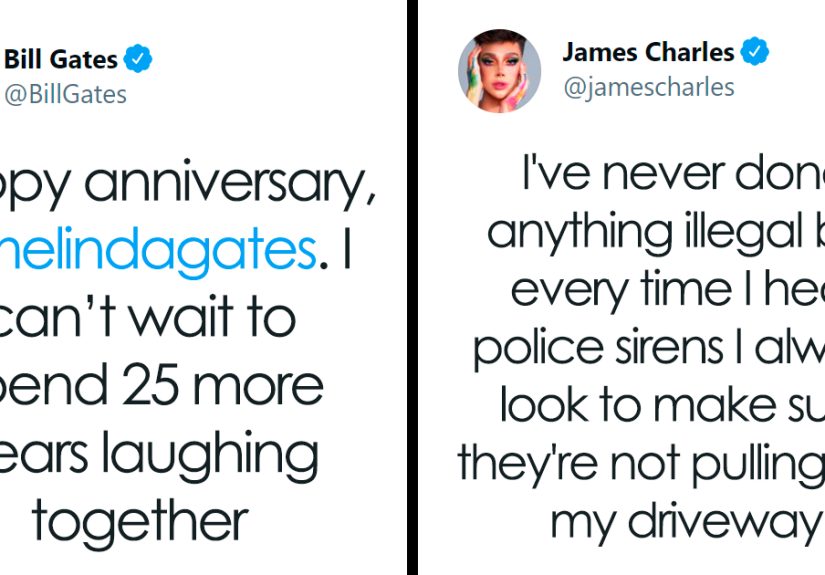
We’ve all heard the saying “What’s cool today may not be tomorrow,” and nowhere is this more true than in the world of pop culture, advertising, and even technology. On the internet, one of the most entertaining ways people reflect on how far we’ve come is by sharing photos, products, or ideas that have *not* stood the test of time. Bored Panda’s ‘Poorly Aged Stuff’ series has become an amusingly nostalgic look at how some things, once heralded as groundbreaking or trendy, have become cringeworthy relics. From outdated fashion trends to infamous public statements, this collection highlights how far we’ve comeand just how quickly. Here’s a roundup of 35 things that didn’t age well, featuring the humorous side of what now seems completely out of touch.
1. Nostalgic Ads That Missed the Mark
There are ads that are iconic, and then there are ads that make you question the taste of an entire decade. One infamous example is the 1980s Pepsi commercial featuring Michael Jackson. While MJ was at his peak, the ad was a marketing successuntil the late 2000s, when we realized the casually racist undertones and stereotypical depictions were far from appropriate. Today, that ad is a prime example of what once seemed groundbreaking but now stands as a testament to how marketing has (thankfully) evolved.
2. Fashion Fads That Left Us Cringing
When we look back on the fashion of the early 2000s, we can’t help but cringe at some of the outfits we thought were “cool.” From ultra-low-rise jeans that made waistbands a fashion statement (but not for the right reasons) to the cringe-worthy cargo pants craze, many once-popular trends have aged terribly. These pieces, which once symbolized youthful rebellion, are now symbols of fashion mistakes. The ‘low-rise jeans’ trend, for example, left little to the imaginationand not in a good way.
3. Technology That Was Once Revolutionary
In the world of technology, things age incredibly fast. Consider the original iPodwhat was once the must-have gadget for music lovers now looks laughably outdated compared to modern smartphones. A whole generation of people can’t imagine a world without streaming music or earbuds, but the iPod was a revolutionary device in its time. Now, it’s a relic of the past, reminding us how quickly tech can become obsolete.
4. Celebrity Endorsements That Didn’t Age Well
It’s no secret that celebrities are often used to endorse productssometimes with disastrous results. Take, for example, the infamous case of celebrities endorsing certain soft drinks or fast food chains that have now been heavily criticized for contributing to unhealthy lifestyles. In the late ‘90s, when ad campaigns for sugary sodas featured young, fit celebrities, it seemed harmless. Fast forward to today, and those same ads appear tone-deaf in an age of increasing awareness about health and fitness.
5. Pop Culture References That Were Once Relevant
Pop culture often provides a window into the trends of the time, and it’s inevitable that some references will not age well. A great example is the early 2000s obsession with reality TV. At the time, shows like “The Osbournes” or “The Simple Life” were cultural phenomena. Now, they seem like embarrassing relics of an era that quickly faded into obscurity. The fact that reality TV has evolved to be less outrageous and more scripted shows how quickly these formats can fall out of favor.
6. “Fresh” Predictions That Were Way Off
It’s easy to laugh at bold predictions that turned out to be wildly inaccurate. In the 90s, many experts predicted that by 2020, we’d all be flying around in hovercars or living on the moon. But here we are in the 2020s, still navigating the same old roads, with only a handful of self-driving cars and no moon colonies in sight. These predictions are fun to look back on, but they also serve as a reminder of how our vision of the future often fails to align with reality.
7. Products That Promised the World But Delivered Little
How many of us rushed to buy that new gadget or product because it was hyped up as a game-changer, only to see it quickly fall into the “why did we ever think this was a good idea?” category? One such product was Google Glass. When it was first released, it was heralded as the next big thing in wearable tech. But it quickly flopped due to privacy concerns and the awkwardness of wearing something on your face all day. Google Glass, once the future of tech, now serves as a cautionary tale of how innovation can sometimes be ahead of its time, or just too strange for mass adoption.
8. Movie Sequels That Were Better Left Unmade
Sometimes, a movie is just perfect as a standalone story. But that doesn’t stop Hollywood from cashing in on sequels, prequels, and spin-offs. One prime example is the 2007 “Spider-Man 3,” which came out after the success of the first two movies in the series. While the first two films were relatively well-received, the third installment took things too far, leaving fans and critics unimpressed. It quickly became one of the most disappointing sequels, a hallmark of how rushing to cash in on a franchise can lead to a massive letdown.
9. Discontinued Products We Wish Were Still Around
Not all things that didn’t age well were failures; some were simply discontinued before their time. For example, the “Crystal Pepsi” campaign in the early ‘90s promised to revolutionize the soda market by offering a clear cola. Despite its cult following, the product was discontinued due to poor sales, and now it’s remembered fondly as a nostalgic curiosity. It’s funny how things like this, which were once considered failures, are now fondly looked back on as “what could have been.”
10. Fashion Icons Whose Time Has Passed
While some fashion icons remain timeless, others are better left in the past. Remember when the “Ed Hardy” brand was considered the height of cool in the mid-2000s? Its flashy designs and logo-laden apparel were everywhere. Fast forward a few years, and the brand is now a punchline, a perfect example of how trends can quickly go out of style. It’s an iconic failure of taste that left many regretting their purchases.
Conclusion
From cringe-worthy advertisements to fashion disasters, poorly aged products and ideas are a funny and sometimes humbling part of pop culture. While these things didn’t stand the test of time, they provide an important reminder of how quickly trends and ideas can fade. The “Poorly Aged Stuff” on Bored Panda provides a fun snapshot of how far we’ve comeand how quickly we forget the fads that once felt so important. Whether it’s the technological advancements, the celebrity endorsements, or the fashion choices of the past, looking back at what didn’t age well can be a hilarious way to see just how much we’ve evolved over time.
Keywords: poorly aged stuff, things that didn’t age well, outdated products, pop culture failures, fashion trends, celebrity endorsements, technology that aged poorly
Additional Insights and Experiences
Reflecting on the things that didn’t age well is not just a fun exercise in nostalgia but a valuable lens through which we can understand cultural shifts. Take, for example, the world of advertising. Over time, as society becomes more aware of issues such as diversity, inclusivity, and environmental impact, ads that were once deemed acceptable or even clever can now feel tone-deaf. The shift from the hyper-masculine and stereotypically idealized depictions of gender roles in the ‘80s and ‘90s to today’s more inclusive and sensitive representations is a perfect example of how culture and marketing evolve.
In a similar vein, the world of technology shows us how quickly we can move from excitement to disappointment. We can easily look at the rise of virtual reality (VR) headsets as an example of a technology that didn’t quite live up to its promise. In the mid-2010s, there was significant hype around VR as the next frontier in gaming, education, and entertainment. However, a few years down the road, most people are still waiting for VR to evolve into something more practical, and the initial wave of excitement has largely faded. This kind of technological “aging” shows how market expectations can sometimes be too high for the technology to match, leading to underwhelming results.
Finally, when it comes to fashion, the rapid turnover of trends is a fascinating phenomenon. The rise and fall of various fashion itemsfrom the *ironic* resurgence of the ‘90s windbreaker jackets to the strange fascination with oversized flannel shirtsshows how cyclical fashion can be. What’s considered stylish today might be laughed at a decade later, but it also opens the door for reinvention. Many of the things that once didn’t age well are finding new life as retro trends, further highlighting the unpredictable and often humorous nature of style.