Table of Contents >> Show >> Hide
- What Is Agave Nectar, Really?
- Why People Think Agave Is Healthy
- The Fructose Problem: Where Agave Loses Its Halo
- How Much Added Sugar Is Too Much?
- Is Agave Nectar Actually Worse Than Sugar?
- When Agave Might Make Sense (And When It Really Doesn’t)
- Smarter Ways to Satisfy Your Sweet Tooth
- Real-Life Experiences with Agave Nectar
- The Bottom Line
Picture this: you’re standing in the grocery store, trying to be good. You reach past
the regular white sugar (villain!), ignore the corn syrup (supervillain!), and proudly
grab a sleek bottle labeled “organic blue agave nectar”. It’s plant-based,
low glycemic, and the label practically pats you on the back for being a responsible
adult. What could go wrong?
Here’s the twist: nutritionally, agave nectar may not be the halo-wearing hero it’s
marketed to be. In fact, when you look closely at how it’s made, what’s in it, and how
your body handles it, this “natural” sweetener can be
as bad as sugaror in some ways, even worse.
Let’s unpack the sweet marketing, the not-so-sweet science, and how to keep your taste
buds happy without overloading your liver.
What Is Agave Nectar, Really?
From desert plant to syrup bottle
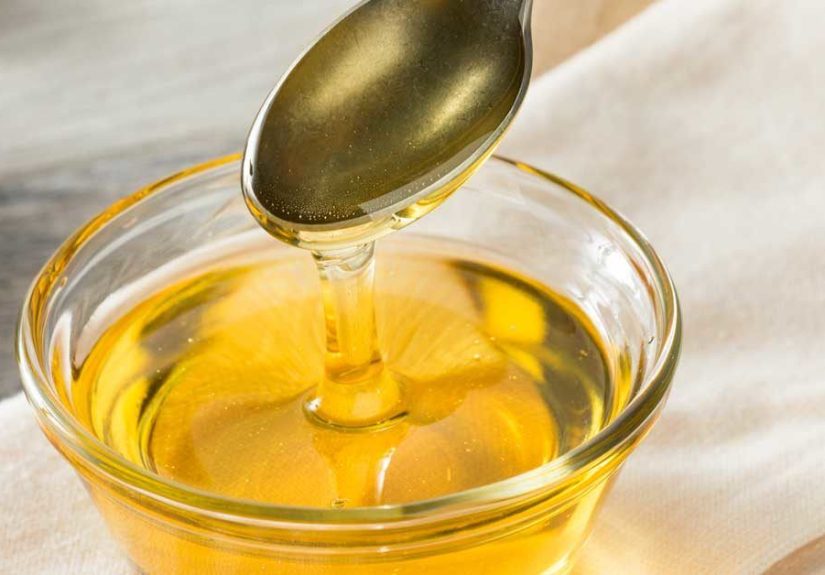
Agave nectar (or agave syrup) comes from the agave plant, a spiky succulent native to
Mexico that looks like a cousin of aloe. It’s the same plant family used to make
tequila, which is already an interesting résumé for something people stir into their
yogurt.
The romantic story on the bottle goes like this: farmers tap the plant, collect the
sweet sap, and gently turn it into nectar. In reality, the process is more like making
a refined syrup:
- The core (piña) of the agave plant is harvested.
- The sap or starches are extracted and filtered.
- They’re heated or enzymatically processed to convert those starches into sugars.
- The liquid is concentrated into the thick syrup you see on the shelf.
The end product is highly processed, not just “squeezed from a cactus and bottled.”
And what you mostly get is fructoselots of it.
Nutrition snapshot: not a free pass
Per teaspoon, agave nectar has roughly the same calories as table sugarabout
15–20 calories and around 4–5 grams of carbohydrates. It’s not calorie-free,
carb-free, or magic. It’s still an added sugar, just with better branding.
The big difference is the type of sugar:
- Table sugar (sucrose) is about 50% glucose and 50% fructose.
- High-fructose corn syrup is typically ~55% fructose.
- Agave nectar can be around 70–90% fructose, depending on how it’s made.
That high fructose content is exactly why agave has such a low glycemic indexand
exactly why it can be problematic.
Why People Think Agave Is Healthy
The low glycemic index halo
Agave’s biggest marketing flex is its low glycemic index (GI). While table sugar sits
in the mid–60s on the GI scale, agave often lands somewhere in the range of 15–30. That
means it doesn’t spike your blood sugar as quickly as regular sugar.
For people tracking their blood sugarespecially those with diabetes or prediabetesa
low-GI sweetener sounds like a dream come true. No big glucose spikes, a gentle curve
on the chart, and you still get to enjoy sweetness. What’s not to love?
The “natural” and “vegan” effect
Add a few buzzwords like “organic,” “vegan,” and “naturally derived”, and agave starts
to look like the green-juice version of sugar. It dissolves nicely in cold drinks,
tastes slightly milder than honey, and is easy to use in baking.
But here’s the thing: your body doesn’t care nearly as much about the marketing on the
front of the bottle as it does about the chemistry inside it. And chemically, agave
nectar is basically high-fructose syrup from a plant.
The Fructose Problem: Where Agave Loses Its Halo
To understand why agave can be worse than sugar, you need to know how
fructose behaves in your body. Glucose, the other main sugar, is used by almost every
cell for energy. Fructose is different. It’s primarily processed in your liver.
How your liver sees agave
When you eat or drink large amounts of fructosewhether from soda, candy, or agave
syrupyour liver gets busy:
- Fructose is rapidly converted into fat (triglycerides) in the liver.
- Some of that fat can build up, contributing to non-alcoholic fatty liver disease.
- It can promote insulin resistance, making it harder for your body to manage blood sugar.
- Over time, this pattern is linked to obesity, type 2 diabetes, and heart disease.
Research on fructose-heavy diets, especially from sugary drinks, consistently shows
higher risks for weight gain, metabolic syndrome, and cardiovascular problems when
people overdo it on added sugars. Agave, being so fructose-heavy, fits right into that
concern.
Low GI doesn’t mean low risk
Here’s the sneaky part: because agave doesn’t spike your blood sugar quickly, it can
look “safe” on paper. But the glycemic index only measures blood glucose, not what
the sugar is doing behind the scenes in your liver or your triglyceride levels.
Think of it this way:
agave may be quieter on the blood sugar front while throwing a loud party in your liver.
So yes, your blood sugar may look calmer in the short termbut the long-term risks
associated with high fructose intake don’t magically vanish just because the GI is low.
How Much Added Sugar Is Too Much?
Whether it’s agave, honey, maple syrup, coconut sugar, or old-school white sugar, health
organizations care most about your total added sugar intake.
Current recommendations generally say:
-
American Heart Association: No more than about
6 teaspoons (25 grams) of added sugar per day for most women and
9 teaspoons (36 grams) for most men. -
Dietary Guidelines for Americans: Less than 10% of total daily calories from
added sugars for anyone 2 years and older.
Meanwhile, the average American is getting closer to
17 teaspoons of added sugar per dayalmost double or triple those limits. That extra
sugar is linked with higher risk of obesity, type 2 diabetes, high triglycerides, and
cardiovascular disease.
And guess what counts toward those limits? Agave nectar does. Every drizzle, squeeze,
and “just a little” in your latte gets added to that daily sugar budget.
Is Agave Nectar Actually Worse Than Sugar?
Here’s the honest, slightly uncomfortable answer:
In many ways, yes, agave can be worse than sugar, especially if you’re using it
generously because you think it’s “healthy.”
Why agave can be a downgrade from sugar
-
It’s often higher in fructose than table sugar, and high fructose intake is strongly
associated with fatty liver, higher triglycerides, and metabolic issues. -
Its low GI can create a false sense of security, leading some people to use more of it
than they would use regular sugar. -
It doesn’t offer meaningful vitamins, minerals, or fiber to “offset” the sugar hit.
It’s basically just another form of empty calories.
Does this mean a teaspoon of agave will ruin your health? No. But if you’re routinely
using it as your go-to “healthy sweetener,” especially in large amounts, you may be
doing your liver fewer favors than if you’d just used a small amount of plain sugar.
The bigger truth: all added sugars deserve caution
It’s also important not to single out agave as the only villain. Excess
added sugar of any kindfrom soda, sweets, syrups, coffee drinks, or “natural”
sweetenersis what most experts are worried about.
So the real question isn’t just “Is agave worse than sugar?” but:
“How much added sugar am I having overall, and how can I cut it down?”
When Agave Might Make Sense (And When It Really Doesn’t)
There are a few situations where agave can be used thoughtfully:
-
You only need a tiny amount because it tastes very sweet, and using a little helps
you reduce total sugar. - You’re sweetening a cold drink and want something that dissolves easily.
-
You’re experimenting in recipes and using very small quantities, while still keeping
total added sugars low.
But agave is a poor choice if:
- You’re using it liberally because you think it “doesn’t count” as real sugar.
-
You’re living with fatty liver disease, insulin resistance, or metabolic syndrome,
where fructose-heavy sweeteners can be especially concerning. -
It’s showing up in lots of packaged foods you buy because it sounds better than “corn
syrup” on a label.
The bottom line: if you decide to use agave at all, treat it as what it isan
occasional treat, not a wellness supplement.
Smarter Ways to Satisfy Your Sweet Tooth
So if agave isn’t the guilt-free hero, what can you do instead? Here are a few
practical, realistic strategies to dial back added sugars without feeling like you’re
sentencing yourself to a life of sadness and plain oatmeal.
1. Let fruit do the heavy lifting
Whole fruits come with natural sugar bundled together with fiber, water, vitamins, and
antioxidants. That slows down absorption and makes them far gentler on your system than
straight-up syrup.
- Sweeten yogurt with fresh berries or sliced banana.
- Use mashed banana or applesauce in baking to replace part of the sugar.
- Make “dessert” a bowl of fruit with a little whipped cream instead of cake.
2. Gradually retrain your taste buds
Your taste buds are surprisingly adaptable. If you:
-
Cut your usual sweetener in coffee or tea by 25% for a couple of weeks, then cut
again, -
Choose unsweetened yogurt and add just a little honey or fruit instead of buying
heavily sweetened versions, - Pick cereals or granolas with less added sugar per serving,
you’ll likely notice that things you used to love start tasting too sweet after a while.
3. Use “better, not perfect” sweeteners in moderation
No sweetener is perfect, but some offer at least a bit more nutrition than agave:
- Maple syrup has a stronger flavor and trace minerals, so you may use less.
- Honey has antioxidants and a distinct taste, which can help with portion control.
-
Stevia or monk fruit sweeteners can cut added sugar entirely in some recipes, though
not everyone likes the taste.
But even these “better” options should still be used with the same core principle:
less is better.
And of course, if you have diabetes or other health conditions, it’s wise to talk with
a healthcare professional or registered dietitian before making big changes to how you
sweeten your food and drinks.
Real-Life Experiences with Agave Nectar
Nutrition science can feel abstract until you see how it plays out in real life. Here
are some common experiences people share once they take a closer look at agave and
their added sugar habits.
The “healthy coffee” illusion
Imagine someone who swaps out the sugar in their morning latte for a generous swirl of
agave nectar. The barista nods approvingly, the label says “low glycemic,” and our hero
feels like they’ve successfully hacked the system.
But when they start tracking their overall intake, they realize that “just one latte”
can easily pack in 3–4 teaspoons of agave. Add in agave-sweetened granola, “healthy”
energy bars, and a drizzle over their evening herbal tea, and the daily total quietly
blows past recommended added sugar limits.
When they switch to half the sweetener (or even unsweetened coffee plus a splash of
milk), they notice two things: their energy levels become more stable, and after a few
weeks, the original agave-latte tastes almost syrupy and overwhelming. Their taste
buds adjust, and they start to enjoy a less-sweet profile.
The label detective
Another person decides to get serious about sugar and starts reading ingredient lists.
They’re surprised to find agave nectar listed everywhere: in “natural” salad dressings,
protein bars, granolas, and fancy bottled teas.
Their first reaction: “At least it’s better than sugar, right?”
After learning about fructose and how the liver handles it, they realize that swapping
one form of added sugar for anotherespecially one so high in fructosedoesn’t solve
the core problem. Instead of just hunting for agave-free options, they begin choosing:
- Products with little or no added sugar at all.
- Foods sweetened mainly with whole fruit.
- Items where sugar of any kind appears far down the ingredient list.
Within a couple of months, they notice their cravings ease up, their afternoon “sugar
crash” becomes less intense, and they feel more in control of their snacking.
The baker who rewrote the recipe
A home baker falls in love with agave because it mixes beautifully into batters and
doesn’t crystallize. Many “healthy dessert” recipes call for it, so they happily
substitute agave for sugar one-for-one.
Eventually, after reading about fructose and fatty liver, they decide to experiment:
- Cut total sweetener in recipes by 30–50%.
- Use a mix of mashed fruit plus a smaller amount of honey or maple syrup.
- Rely more on spiceslike cinnamon, vanilla, and citrus zestfor perceived sweetness.
To their surprise, their favorite muffins and quick breads still taste great. Friends
and family don’t even notice the change, except to comment that the desserts taste
“less heavy” and “more flavorful.” The baker keeps agave on a back shelf for specific
uses but no longer leans on it as a “better sugar.”
The big-picture takeaway from these experiences
In all of these scenarios, the turning point isn’t usually “quit agave forever.” It’s
the realization that:
- Marketing terms like “organic” and “low glycemic” don’t cancel out the effects of
high fructose intake. - Total added sugar matters more than which syrup you pick.
- Small, realistic changesusing less sweetener overall, cooking more at home, and
leaning on whole foodsoften deliver noticeable benefits.
Agave nectar isn’t a villain you must fear, nor is it a saint you should trust
blindly. It’s simply one more tool in the sugary toolboxone that you’re usually better
off leaving in the bottom drawer.
The Bottom Line
So, is agave nectar a sweetener that’s even worse than sugar? In several important
ways, yes. Its very high fructose content means it can be tougher on your liver and
triglycerides than regular sugar, especially if you’re using it freely because it
sounds healthy.
The smarter move isn’t to jump from one trendy sweetener to the next, but to
dial back added sugars across the board, rely more on whole foods and fruit for
sweetness, and treat all syrupsagave includedas occasional extras, not everyday
staples.
Your future self, your liver, and probably your dentist will all thank you.
SEO META IN JSON FORMAT