Table of Contents >> Show >> Hide
Some comic strips make you smile. War and Peas usually makes you smile, blink twice, and then laugh like you just got caught enjoying something deeply unhinged. Created by Elizabeth Pich and Jonathan Kunz, the long-running webcomic has built a loyal audience by doing something surprisingly hard: being dark without being dull, absurd without being random, and weird without losing its human pulse.
That is the real magic of the best War and Peas comics. Under the witches, aliens, cats, Grim Reapers, and gloriously bad life decisions, there is always a very recognizable human truth. Office fatigue. Dating disappointment. Pet obsession. Social media brain rot. The quiet sense that civilization may be held together with tape, vibes, and one overworked barista. In other words, it is comedy for people who are doing their best and would still like permission to be a little feral.
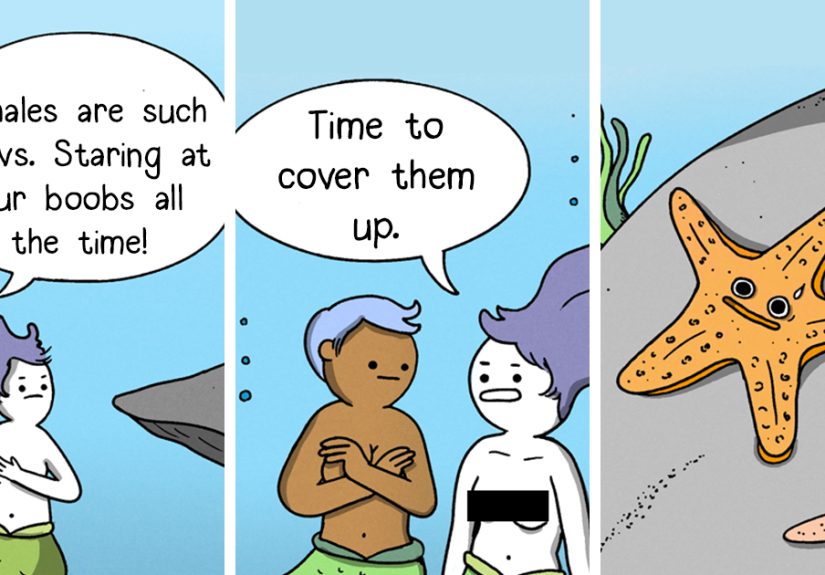
This roundup pulls together 30 standout strips from the latest wave of fan-favorite War and Peas comics. Some are savage little one-joke assassins. Others build a tiny world in four panels and then blow it up in the last frame. All of them prove why dark humor webcomics still hit hardest when the setup is clean, the art is deceptively cute, and the punchline arrives wearing steel-toed boots.
Why War And Peas Still Feels So Fresh
There are plenty of funny webcomics online, but War and Peas has a style that is instantly recognizable. The drawings look polished and friendly, almost storybook-sweet, which makes the jokes land even harder when they take a hard left into chaos. A fairy tale turns into a therapy bill. A workplace scene becomes an apocalypse forecast. A cat behaves exactly like a cat, which is somehow the most sinister thing of all.
That balance is what keeps readers coming back. The humor is dark, sure, but it is not empty. These comics roast vanity, tech panic, power, loneliness, and modern nonsense with the precision of someone who has definitely been online too long and decided to do something productive with the damage.
30 Standout War And Peas Comics Worth Talking About
- Five Year Plan A job interview question mutates into a bleak future vision, turning corporate small talk into a killer punchline about anxiety, ambition, and AI-era dread.
- Full House This one takes the familiar haunted-house vibe and turns it into roommate comedy, complete with demons, money problems, and casual supernatural inconvenience.
- Office Hours The Grim Reaper as a weary administrator is already funny; the cat-related reveal makes it even better. Deadpan meets pet-owner realism.
- Body A classic War and Peas move: flirtation, misdirection, and then a basement-level twist that is ridiculous enough to earn the laugh it absolutely should not.
- Linework A smart little satire about art-world seriousness, pretentious praise, and the ability of adults to over-explain literally anything framed on a wall.
- Reap of Doom Billionaire satire, stylish weapon choices, and a scheming cat. This strip is basically a tiny opera for people who enjoy class jokes with claws.
- F*ck School Education panic, AI replacement fears, and student rebellion get packed into one compact joke that somehow feels both futuristic and painfully current.
- Empty Vessel The premise is already good, but the final charger-related gag is what makes it great. It is one of those comics that wins by being stupid in exactly the right way.
- Driving the Stick A witch joke with generational energy. It is nostalgia, mockery, and broom-based judgment rolled into one crisp visual bit.
- One Hour Dark? Yes. Mean? A little. Accurate to cat behavior? Disturbingly so. The humor works because the strip commits to feline selfishness like it is sacred law.
- Mysterious Box Few creators understand cats better than War and Peas. This one turns cardboard-box obsession into an elegant miniature absurdist sketch.
- Mind Your Business A perfect one-liner comic. Air travel, animal attitude, and instant hostility create a joke that feels both random and perfectly inevitable.
- Dr. Doggy Style Built like a lecture, landed like a pratfall. It is a textbook example of how War and Peas uses timing to turn one bad phrase into an entire emotional collapse.
- Christmas Chainsaw Massacre Holiday cheer meets grim logistics. The title alone does heavy lifting, but the execution is pure seasonal menace.
- Old and Peaceful One of the gentler entries in the broader War and Peas orbit, showing that the duo can do warmth without losing their crooked smile.
- Happy End A fairy-tale fake-out disguised as an adult joke. It is clever because it never needs to over-explain itself; the final image does all the work.
- Alien Press Conference One of the sharpest examples of the duo’s cosmic humor. It plays with religion, first contact, and awkward historical implications in four brisk panels.
- Pond Orgy Fairytale logic has rarely been made this gloriously dumb. The joke escalates because it follows the original premise just a little too literally.
- Buttercup The alien-abduction setup is familiar, but the costume reveal gives it a fresh jolt. It is ridiculous, petty, and deeply satisfying.
- Imagine Lord Nibbles at peak form. This strip proves that a righteous-sounding speech becomes way funnier when the end goal is just tuna.
- Ancient Aliens A clean, effective satire of conspiracy culture. It takes one modern lazy explanation and torpedoes it with one neat historical twist.
- Kelly Childlike prayer, divine indifference, and city-level chaos. It is one of those strips that feels silly until you realize how brutally structured it is.
- Red Riding Hood A very adult fairy-tale remix that weaponizes documentary-style confession for maximum discomfort and maximum payoff.
- Born Rich Four panels, one social observation, zero wasted motion. The joke lands because it recognizes that “good fortune” depends heavily on the details.
- The Muse A writer’s-block comic with a pun so committed it loops back around into brilliance. Frank the moose deserves his own spinoff, honestly.
- Ginger Lemon Demonic menace dissolves into cozy beverage diplomacy. Cute, compact, and weirdly wholesome by War and Peas standards.
- Bunch of D!cks Crude? Absolutely. Efficient? Also absolutely. It is juvenile in the most mathematically precise way possible.
- Princess This strip works because it flips the rescue fantasy into something more modern, more self-aware, and much funnier than the knight expected.
- Alpha Species A cat joke that doubles as a perfect alien-observer joke. Anyone who has lived with a cat will recognize the power dynamic immediately.
- Crystals New-age aesthetics meet blunt punchline. It is a great example of how War and Peas can make one visual reveal carry an entire comic.
What These Comics Say About the Internet Right Now
They understand that modern life is already half-cartoon
The best funny webcomics do not need to invent absurdity from scratch anymore. They just need to tilt reality five degrees. Job interviews already feel surreal. Social feeds already reward outrage. People already talk to their pets like tiny monarchs. War and Peas thrives because it knows the world is doing half the writing for them.
They use recurring characters without becoming repetitive
Lord Nibbles, the Grim Reaper, the witch, scientists, aliens, and assorted doomed mortals keep returning, but not in a lazy sitcom way. Each familiar face gives the creators a new angle for the same core themes: ego, hunger, loneliness, power, lust, work, panic, and the occasional supernatural paperwork error. Readers get the comfort of recognition and the pleasure of not knowing where the next strip will go.
They are dark, but rarely cynical
That might sound strange for comics full of ghosts, apocalypse jokes, death-office humor, and aggressively manipulative cats, but it is true. Even when a strip is savage, it usually comes with a wink rather than a sneer. The target is often hypocrisy, vanity, or social nonsense, not basic human existence. That difference matters. It is why the comics feel playful instead of exhausting.
The Real Secret Behind the Best War And Peas Comics
If you strip away the witches and aliens for a moment, what makes Elizabeth Pich and Jonathan Kunz so effective is craft. The pacing is tight. The panel rhythm is sharp. The visual clarity is strong enough that the joke can hit in a second, but layered enough that the strip still rewards a reread. Many of these comics are over in a few beats, yet they leave behind the feeling of a complete little universe.
That is why so many readers share them. A strong War and Peas strip does not just make you laugh. It makes you want to send it to a friend with a message that says, “This is you,” “This is me,” or “This is unfortunately our whole civilization.” That is the engine of good internet comedy: recognition first, punchline second, and then a tiny identity crisis for dessert.
Final Thoughts
30 Of This Year’s Best Comics Created By ‘War And Peas’ is not just a catchy title. It is a reminder that the duo remains one of the most reliable sources of smart, nasty, oddly lovable online humor. Their comics can be grim, goofy, sweet, vulgar, surreal, and accidentally profound, sometimes all before you finish your coffee.
If you like your jokes with clean artwork, crooked philosophy, and the occasional cat-powered collapse of human dignity, this is your lane. The best War and Peas comics do what all great comedy does: they make the world look slightly more ridiculous, which somehow makes it slightly easier to survive.
Reader Experience: Why These Comics Stick With You Long After the Laugh
Reading a batch of War and Peas comics is a strange and specific experience. It starts like casual scrolling. You think you are just going to look at a few funny drawings while drinking coffee, avoiding email, or pretending to take a “quick break” from work that suspiciously lasts half an hour. Then one strip hits you perfectly. Not because it is loud, but because it is accurate in a way that feels rude. Suddenly, the joke is not just funny. It is familiar.
That is part of the reason these comics travel so well online. They understand the emotional weather of internet life. People are tired, overstimulated, skeptical, and still somehow hopeful enough to laugh. War and Peas meets readers right there. A strip about a cat, a witch, or the Grim Reaper is rarely just about a cat, a witch, or the Grim Reaper. It is about deadlines, insecurity, loneliness, petty fantasy, social performance, or the quiet wish to disappear into nonsense for five minutes and come back feeling better.
There is also a very modern comfort in how fast the jokes work. You do not need a long setup. You do not need lore, homework, or a 38-post thread explaining why the comic matters. The best War and Peas strips arrive, wreck your emotional furniture, and leave before you can overthink them. In an age where almost everything feels overproduced, overexplained, and desperate for attention, that economy feels refreshing.
For a lot of readers, the experience is also communal. These are ideal “send this to your friend immediately” comics. You see one and instantly know who needs it: the coworker surviving office nonsense, the friend with three chaotic cats, the sibling who treats astrology like a customer service hotline, the person who says they are fine but is absolutely one minor inconvenience away from becoming folklore. Sharing the strip becomes part of the punchline. The comic lands once when you read it and again when someone replies, “Why would you expose me like this?”
And then there is the visual experience. War and Peas draws the world with enough sweetness to lower your guard. The colors and character designs make everything feel almost cozy, which is exactly why the darker turns hit so hard. It is the comic equivalent of hearing a lullaby and realizing halfway through that the lyrics are mildly cursed. That contrast creates a tiny shock of delight. You are not just laughing at the joke; you are laughing at how elegantly you got ambushed by it.
Maybe that is why these comics hold up so well. They are not trying to be “content.” They feel made, not manufactured. Even when they are messy, weird, or gleefully inappropriate, they carry the sense that actual people built them with taste, timing, and a deeply committed sense of absurdity. In a crowded internet full of disposable laughs, that makes the experience feel less like passing time and more like finding your kind of humor on purpose.
So yes, these comics are funny. But the real experience is bigger than that. They offer quick recognition, quick relief, and the nice reminder that if the world is going to be ridiculous anyway, somebody might as well draw it properly.