Table of Contents >> Show >> Hide
- Who Is Glenn Ban, and Why Does His Hamptons Style Feel Different?
- The Latest Chapter: Turning an 1880 Colonial Rental into “Casual but Refined”
- The Glenn Ban Formula: Coastal Casual Elegance (Without the Seashell Assault)
- Room-by-Room Inspiration You Can Steal (Politely)
- How He “Curates the Hamptons Way” (Even If You Don’t Live Near the Ocean)
- Why His Hamptons Homes Feel Like Real Homes (Not Just Pretty Photos)
- Conclusion: The Glenn Ban Takeaway
- Experience Notes: What You Actually Learn From a “Designer Visit” Hamptons Home
The Hamptons has a reputation for homes that look like they were styled by a very polite robot who only drinks rosé and never leaves a towel on the floor. Then there’s Glenn Banan interior designer who lives (and designs) like an actual human: collecting, editing, mixing eras, and letting a little patina do the talking. If you’ve ever wanted the Hamptons vibe without the nautical theme-park energyno anchor-print throw pillows were harmed in the making of this touryou’re in the right place.
Who Is Glenn Ban, and Why Does His Hamptons Style Feel Different?
Glenn Ban is based in the Hamptons (Sag Harbor/East Hampton area) and is known for creating spaces that feel coastal without becoming a costume. His rooms are calm, but not blank; refined, but not precious; collected, but never cluttered. A big part of that comes from how he sees: he studied photography and often talks about thinking through a “camera lens” mindsetwhat reads in a frame, what disappears, and what creates balance and tension. Translation: he designs like someone who understands that your eye needs a reason to stay in the room for more than three seconds.
He also has a long-running relationship with the Hamptons itself. Over nearly two decades living out east, he’s moved multiple timesyet his homes tend to feel like variations on a theme: natural materials, soulful vintage and antique finds, and the kind of editing that makes a small space feel intentional instead of “Oops, I guess this is my life now.”
The Latest Chapter: Turning an 1880 Colonial Rental into “Casual but Refined”
In the most relatable designer move ever, Ban didn’t find a flawless showpiecehe found a rental with good bones and a to-do list. The house in question: an 1880 three-bedroom Colonial in East Hampton. The charm was there, but so were the “old house issues,” which meant plaster work, fresh paint, and a deep clean before the fun part (a.k.a. making it look effortless). That’s the first lesson: “Hamptons interior design” isn’t about perfectionit’s about starting with character and then making it livable.
Mixing Styles Without Making It Weird
A lot of people say they “mix styles.” Some people also say they “do Pilates,” and then you see them try to sit up in bed. Ban actually mixes stylesPrimitive, English, Danish, Arts & Craftsand makes it work by staying disciplined about scale and tone. That’s how you can pair an Arts & Crafts dining table by Charles P. Limbert with a Noguchi Akari pendant and still have the room feel cohesive instead of confused.
His accessories follow the same logic. An old urn sourced through an online antiques marketplace lands on a hollowed wood piece he found while on Cape Codtwo objects with totally different backstories, united by texture and age. The result is a “collected over time” feeling that no big-box shopping spree can fake.
Family Life, But Make It Design-Smart
This isn’t a museum set. In the Colonial, Ban shares the home with his partner and his teenage son, Charlieso the spaces have to perform. A secretary desk found at auction becomes genuinely useful in the main bedroom (because yes, even a beach town needs paperwork and a place to charge things). Art and textiles show up with purpose too, from ocean photography to tactile wall pieces and a flax linen quilt that reads relaxed rather than overly “decorated.”
The Glenn Ban Formula: Coastal Casual Elegance (Without the Seashell Assault)
1) Natural Materials First, Everything Else Second
Ban consistently comes back to natural fibers and honest surfaces: wood that looks like wood, linens that look like linens, rugs that are happy to be walked on. In interviews, he describes his aesthetic as rooted in natural materials, with vintage and antique pieces doing a lot of the soul-building. He’s not chasing “minimalism” as a vibe; he’s chasing good editing.
2) Patina Is a Feature, Not a Flaw
Many designers love “character,” but Ban’s version is specific: he’s drawn to the weight, finish, and lived-in quality of older objects. Even when clients are hesitant about vintage, the advice from the broader design world is consistent: start with smaller vintage categorieslighting, pottery, decorative piecesso the room gets depth without feeling like a period drama. Patina gives a space dimension that brand-new everything can’t replicate.
3) Scale Wins. Always.
Here’s the twist: in small spaces, many people go too tinymini side tables, timid art, furniture that looks like it’s apologizing for existing. Ban’s small-space advice is the opposite: play with scale. Bring in one piece that feels a little “off” (bigger, bolder, taller) because that’s often what makes the room feel finished. In his own compact Hamptons cottagearound 600 square feethe proved that living small forces choices, but it doesn’t force boredom.
4) Stools: The Unofficial Mascot of His Design Philosophy
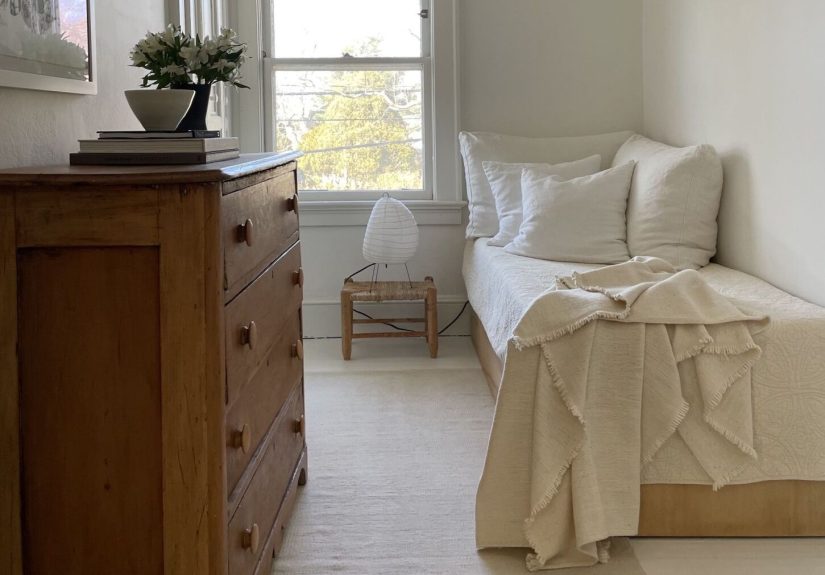
If you want to spot a Glenn Ban room, look for stools. He loves them because they’re versatile, easy to move, and somehow always useful: as a side table, a plant stand, a stack-of-books podium, or a “I’m not messy, I’m styling” landing zone. This is the kind of practical obsession that makes a home feel lived-inin a good way.
Room-by-Room Inspiration You Can Steal (Politely)
The Entry: A Soft Landing, Not a Grand Entrance
Ban’s approach to entry spaces is less “statement chandelier” and more “welcome to real life.” In one home, shoes live near an antique bench; practical objects share space with collected treasures. The goal is a sense of arrival that feels humanlike the house is ready for you, not judging you.
The Living Room: Collected, Curated, and Calm
Across his Hamptons homes, the living room tends to be the emotional center: art, books, and objects with stories. In conversation, he’s mentioned loving the ability to look around and connect memories to the things he’s gathered. It’s a reminder that “Hamptons style decorating” doesn’t have to be impersonal; it can be deeply specific.
In a tiny Sag Harbor cottage he rented as a full-time residence, the look leaned into beach-cottage authenticity: a mix of modern and vintage, layered art over built-ins, and furniture choices that favor comfort and texture. The piece list alone reads like a design-group-chat dreammodern lighting, classic tables, woven chairs, and rugs that bring warmth.
The Kitchen: Humble, Practical, and Quietly Brilliant
Ban doesn’t force a kitchen to perform like a showroom. In his small East Hampton cottage, the kitchen was left untouched because it was functionalthen improved through smart additions like extra shelving or a bookcase for storage. The bigger idea: if you can’t renovate, you can still curateand the room will feel intentional instead of temporary.
The Table: Mismatched Dishes, Matching Energy
Even his table setting advice is about texture and tone, not rigid “sets.” He’s talked about keeping an eclectic mix of plateswhite, cream, graysourced from tag sales, hand-me-downs, and affordable retailers, then letting the overall palette do the harmonizing. Bonus points for avoiding square plates. (Some design opinions are simply non-negotiable.)
The Bedroom: Serenity by Subtraction
One reason his spaces feel restful is that he doesn’t overdecorate the sleeping zones. In the 600-square-foot cottage, the living areas carry the collections while the bedrooms stay pared backenough furniture to function, enough emptiness to breathe. That’s not minimalism as a flex; it’s minimalism as a gift to your nervous system.
How He “Curates the Hamptons Way” (Even If You Don’t Live Near the Ocean)
Ban’s Hamptons aesthetic isn’t about buying “Hamptons things.” It’s about building a mood through a few reliable pillars: crisp architectural details (hello, beadboard), natural fibers (seagrass is always a classic), and a steady mix of vintage and contemporary. He also points to the power of wallpaper and pattern making a comebackproof that even in a neutral-loving world, you can still have a little fun.
His sourcing philosophy is just as grounded: look for authenticity, avoid overly manipulated finishes, and prioritize pieces that feel true in form and material. Whether you’re shopping a local antiques center, a regional farm stand with surprise finds, or online dealers, the goal is the same: buy fewer things, buy better stories.
Quick “Steal This Look” Checklist
- Start with tone: keep woods, textiles, and ceramics in the same emotional family (warm, cool, or somewhere in between).
- Mix eras, not chaos: Primitive + Danish works when scale is right and finishes feel related.
- Add one “patina hero” per room: a worn stool, an aged bowl, an old lampsomething that looks like it has lived.
- Go bigger once: a larger bookcase, a bold pendant, overscale artone confident move beats five timid ones.
- Let the table be relaxed: mismatched plates in a tight palette feel collected, not cluttered.
Why His Hamptons Homes Feel Like Real Homes (Not Just Pretty Photos)
A lot of design content is aspirational in a way that can feel… emotionally unavailable. Ban’s spaces are aspirational too, but in a different direction: they make you want to live a little better, not spend a little harder. His version of luxury is riding a bike to the beach, grabbing produce from local markets, and coming home to cookthen sitting in a room where every object has earned its spot. It’s not about having more space; it’s about having more meaning.
And if you’re wondering whether this philosophy holds up beyond his own houses: it does. Profiles and tours note that he brings the same coastal casual elegance to projects outside the Hamptonswhether that’s a city loft or a suburban homebecause the core principles (light, texture, patina, proportion) travel well.
Conclusion: The Glenn Ban Takeaway
If “Hamptons home tour” content usually makes you feel like you need a second mortgage for throw pillows, Glenn Ban’s approach is refreshingly sane. He proves that you can live by the coast (or just dream about it) with a style that’s relaxed, layered, and personal: mix periods thoughtfully, embrace patina, choose natural materials, and edit until the room feels like it’s exhaling. The real flex isn’t a perfect houseit’s a house with soul.
Experience Notes: What You Actually Learn From a “Designer Visit” Hamptons Home
“Designer visit” stories are fun because they’re part inspiration, part permission slip. You’re not just looking at roomsyou’re watching how a professional makes decisions in real time, in a real house, with real constraints (like rentals, teenagers, and the fact that sand is basically glitter’s outdoorsy cousin). If you’ve ever wondered what to take away from a Hamptons designer home besides envy and a sudden interest in linen, here are the experiences that tend to stick.
The most noticeable luxury is calm, not cost
In a place famous for big houses, a designer who chooses smaller, older, more characterful spaces is quietly making a point: comfort isn’t proportional to square footage. The experience of walking into a well-edited homewhere you can “see the intentions” of the spacefeels different. Your brain relaxes because the room isn’t shouting. It’s inviting. That’s why neutral palettes work so well in coastal homes: they don’t compete with the light. But the secret sauce is always texturewoven fibers, aged woods, matte ceramicsso the quiet still has depth.
Good design is mostly editing (and a little stubbornness)
A designer’s home teaches you that styling isn’t about owning more objects; it’s about knowing which ones deserve oxygen. Editing looks like leaving some walls bare, keeping bedrooms simpler, and letting collections live where life happens (living rooms, dining areas, entry zones). The experience is surprisingly emotional: when every piece has meaning, the room feels like a story you can reread. And yes, sometimes “editing” also means refusing to buy the cute-but-pointless side table that would make the room feel like a waiting room.
Patina reads as confidence
In person, age is persuasive. A worn stool or an old bowl doesn’t just add “character”it signals that the home isn’t afraid of living. That’s a huge shift for people who feel pressure to keep things pristine. The experience of seeing patina used intentionally is liberating: you start realizing that a few scratches are not a failure; they’re proof the house is doing its job. Even something as simple as well-washed linen napkins changes the feeling of a table. The tension between old and new creates energy without chaos.
Scale is the move nobody expects (until they feel it)
One of the biggest “aha” moments in designer homes is how often the bold choice is the correct one. Visitors tend to assume small spaces demand small everything. But when you experience a compact room with one confident, larger piecea big bookcase, a substantial table, overscale artyou understand why it works. The room feels anchored. The furniture stops floating. This is especially useful for Hamptons cottages and older Colonials, where ceilings and windows can be generous even when the footprint is modest.
The Hamptons vibe is more lifestyle than look
The most memorable experience isn’t always visualit’s the rhythm of the place. Coastal homes have a natural cycle: sandy afternoons, quick showers, towels everywhere, dinners that start with “we should really eat the tomatoes before they die.” Designers who live well in the Hamptons build rooms that support that rhythm: entries that can take a beating, seating that invites you to stay, storage that’s practical, and surfaces that don’t demand constant babysitting. That’s why “coastal casual elegance” is such a useful idea: it’s elegant because it’s intentional, and casual because it expects real life.
Try this “designer visit” exercise in your own home
- Stand in your doorway and look at the room like it’s a photograph. What feels noisy? What disappears?
- Pick one surface (coffee table, console, dining table) and style it with three heights: low, medium, tall.
- Add one piece with agea vintage lamp, a worn bowl, an old stooland watch how the room instantly feels less “new apartment.”
- Make one brave scale decision: swap a tiny side table for something bigger, or hang art larger than you think you should.
- Finish with something personal: a book you actually read, a photo you actually love, a small object with a real story.
The experience you’re chasing isn’t “living like a designer.” It’s living like yourselfjust with better lighting, fewer random purchases, and a room that finally feels like it belongs to you. If Glenn Ban’s Hamptons homes teach anything, it’s that the most stylish spaces aren’t the ones that try the hardestthey’re the ones that feel the most true.