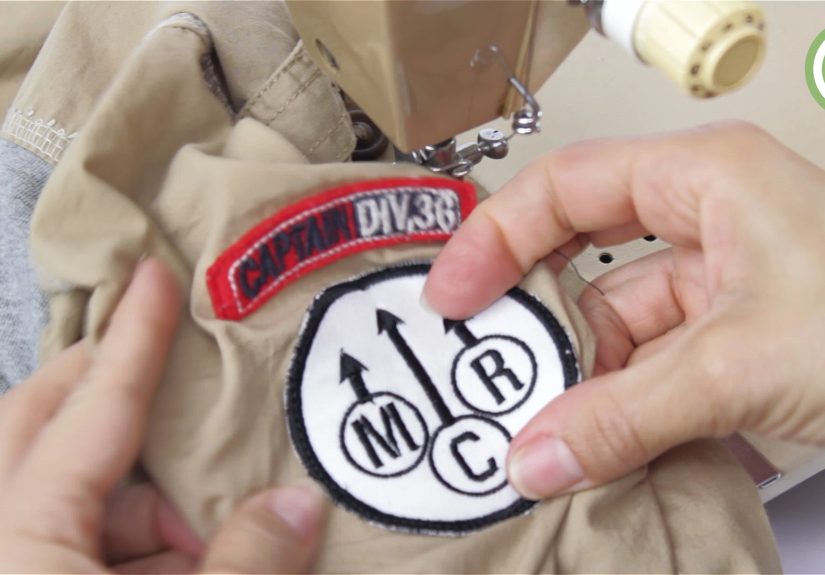
Table of Contents >> Show >> Hide
- Why Sewing a Patch on a Uniform Is Different From Sewing One on a Backpack
- What You Need Before You Start
- Method 1: Sew the Patch by Hand
- Method 2: Sew the Patch with a Sewing Machine
- Method 3: Hold It in Place First, Then Stitch It Down
- How to Choose the Best Method
- Common Mistakes That Make a Patch Look Bad
- Care Tips After the Patch Is Sewn
- Real-World Experiences With Sewing Patches on Uniforms
- Final Thoughts
Uniform patches look small, innocent, and harmless. That is a lie.
One tiny patch can turn a perfectly calm evening into a dramatic showdown involving a crooked badge, a bent needle, and the realization that sleeves were apparently invented to make sewing harder. Still, once you know what you are doing, sewing a patch on a uniform is absolutely manageable. You do not need a fashion degree, a sewing room worthy of a magazine spread, or a grandmother who appears in a puff of steam whenever thread is involved.
You just need the right method.
In this guide, you will learn three practical ways to sew a patch on a uniform: by hand, with a sewing machine, and with a hybrid method that uses adhesive or heat to hold the patch in place before you stitch it down for long-term durability. Along the way, we will cover tools, fabric tips, common mistakes, and a few real-world experiences that prove patch sewing is less about perfection and more about patience.
Why Sewing a Patch on a Uniform Is Different From Sewing One on a Backpack
A uniform is not just any piece of clothing. It usually gets worn often, washed regularly, and inspected more closely than your average hoodie. That means your patch needs to do three things well: sit straight, stay attached, and look intentional.
Uniforms also come with their own headaches. Sleeves can be narrow. Shirt pockets get in the way. Heavy fabrics such as twill, canvas, and structured poly-cotton blends can resist your needle like they are taking a personal stand. On top of that, some organizations have rules about patch placement, spacing, or whether certain insignia should be sewn, ironed, or attached with hook-and-loop backing.
So before you make the first stitch, check the patch placement guide for that specific uniform. A patch sewn beautifully in the wrong place is still wrong. It is the sewing version of getting every answer on a test correct but writing them on the back page.
What You Need Before You Start
Whichever method you choose, gather your supplies first. Sewing becomes much easier when you are not hunting for scissors with thread hanging from your mouth like a stressed-out pirate.
- Patch
- Uniform or garment
- Matching thread or coordinating thread
- Sharp hand-sewing needle or sewing machine needle suited to the fabric
- Fabric scissors or thread snips
- Straight pins, clips, or temporary fabric adhesive
- Ruler or measuring tape
- Tailor’s chalk or washable fabric marker
- Iron and pressing cloth if using heat
If the uniform fabric is thick, choose a stronger needle and a thread with enough strength for repeated wear. If the patch is decorative but still needs to survive laundry day, durability matters more than invisible perfection.
Method 1: Sew the Patch by Hand
Best for
This is the best option for beginners, tight spaces, sleeves that refuse to cooperate, and uniforms you do not want to wrestle under a sewing machine. Hand sewing also gives you the most control over placement.
How to do it
- Mark the placement. Measure carefully and use chalk or a washable marker to lightly mark where the patch should sit.
- Pin or baste the patch in place. Use straight pins, clips, or a small amount of temporary fabric adhesive to keep the patch from drifting.
- Thread your needle. Cut a manageable length of thread. Do not use a comically long piece unless you enjoy knots and regret. Knot the end.
- Start from the inside. Bring the needle up through the uniform and the patch edge so the knot stays hidden underneath.
- Use small, even stitches. A whipstitch works well around a border. A slip stitch is great when you want the stitches less visible. A backstitch gives extra strength if the patch will see hard wear.
- Keep your spacing consistent. Small, evenly spaced stitches look cleaner and hold better than giant panic stitches placed wherever your needle lands.
- Finish securely. Once you go around the whole patch, tie off the thread on the inside of the uniform and trim the excess.
Why hand sewing works so well
Hand sewing is slower, but it is wonderfully forgiving. You can adjust the patch as you go, especially on curved areas like sleeves or shoulder panels. If you are attaching a badge to a pocket area, hand sewing also reduces the risk of accidentally sewing the pocket shut, which is an unforgettable mistake for all the wrong reasons.
For a simple uniform patch, hand sewing is often the most practical method. It is also ideal if the patch border is thick and embroidered, because you can tuck your stitches near the edge and keep them mostly hidden.
Watch out for this
The biggest hand-sewing mistake is using stitches that are too big. Big stitches may look fast and efficient in the moment, but they can let the patch lift at the edges after a few washes. Keep your stitches small and steady. Think disciplined and neat, not wild and heroic.
Method 2: Sew the Patch with a Sewing Machine
Best for
This method is ideal for larger patches, flat areas of the uniform, and anyone who wants a fast, durable finish. If you are sewing several patches at once, the machine method saves time and keeps the stitching consistent.
How to do it
- Prepare the patch and garment. Measure the placement and secure the patch with pins, clips, or a temporary bonding product.
- Choose the right needle. Match the needle to the fabric and thread. Heavy uniform fabrics may need a sturdier needle than a lightweight shirt would.
- Pick your stitch. A straight stitch works well close to the edge of a clean-bordered patch. A narrow zigzag stitch can help grab the edge more fully, especially on patches with thicker borders.
- Use the machine slowly. Start at one side of the patch and stitch near the edge. Pivot carefully at corners with the needle down.
- Backstitch at the beginning and end. This locks the stitching so it does not unravel.
- Trim loose threads. Then inspect the patch edge to make sure nothing is lifting.
When machine sewing is the smartest choice
If you are attaching a patch to the chest, back, or another flat area, machine sewing can produce a strong, professional-looking result. It is especially useful when the patch needs to stay put through regular washing, movement, and repeated wear.
A machine also helps when you want perfectly even topstitching. If you have an edge-stitch or topstitch foot, that is even better. It can guide the stitching line and make the whole thing look less homemade in the best possible way. Homemade charm is great for cookies. For uniforms, neat usually wins.
The tricky part
The hard part is maneuvering the uniform itself. Narrow sleeves and bulky seams can make machine sewing awkward. Some uniforms fit around the free arm of a machine beautifully. Others behave like a stubborn octopus. If you cannot get the area flat and accessible without sewing through unwanted layers, switch to hand sewing. That is not quitting. That is strategy.
Method 3: Hold It in Place First, Then Stitch It Down
Best for
This hybrid method is perfect when you want accuracy first and durability second. It is especially helpful for slippery fabrics, round patches, layered uniforms, or situations where the patch keeps shifting while you try to sew.
How to do it
- Position the patch carefully. Measure and place it exactly where it belongs.
- Temporarily secure it. Use an iron-on backing, fusible web, or fabric-safe press-on adhesive according to the product instructions. A pressing cloth is a smart idea if heat is involved.
- Let it set properly. If the product requires cooling or curing time, do not rush it.
- Sew around the patch. Use hand stitching or machine stitching around the edge for extra hold.
Why this method is so useful
This approach solves one of the most annoying problems in patch sewing: movement. A patch that is temporarily bonded in place is far less likely to slide, twist, or wander into a new zip code while you stitch.
It is also a strong choice for uniforms that see frequent motion, like scout shirts, school uniforms, marching band jackets, club uniforms, work shirts, or ROTC garments. You get the clean alignment of a bonded setup and the staying power of real stitches.
One important caution
Not every adhesive product is meant for long-term washable clothing on its own. Some products are great for temporary positioning. Others are designed to be permanent. Some are washable after curing, and some are not a good fit for washable garments without reinforcement. The safe rule is simple: if the uniform will be washed often, stitching is still your best friend. Adhesive alone is convenient. Adhesive plus stitching is dependable.
How to Choose the Best Method
Still deciding? Here is the easy version:
- Choose hand sewing for small patches, sleeves, curved areas, and maximum control.
- Choose machine sewing for flat areas, multiple patches, and a faster durable finish.
- Choose the hybrid method when the patch keeps moving or you want perfect placement before stitching.
In real life, the best method is usually the one that fits both the patch and the uniform. A square patch on the back of a jacket practically begs for a machine. A rank patch on a narrow sleeve may practically beg for mercy and hand sewing.
Common Mistakes That Make a Patch Look Bad
Even a good sewer can end up with a patch that looks slightly confused. Here are the most common problems:
- Skipping the measuring step. Eyeballing patch placement works about as well as eyeballing a haircut.
- Using the wrong needle. Too fine for thick fabric, and you may bend or break it. Too large for a lightweight uniform, and you can leave visible holes.
- Pulling the thread too tight. This can pucker the fabric and make the patch bubble.
- Using huge stitches. They are more visible and less secure.
- Relying on temporary stick-on patches for permanent wear. Great shortcut, not always a forever solution.
- Ignoring care instructions. Heat, washing, and drying can all affect how well a patch stays attached.
Care Tips After the Patch Is Sewn
Once the patch is attached, treat the uniform like it just survived surgery and deserves a little respect.
Wash the garment according to the uniform care label. If the patch was attached with any adhesive component, turning the garment inside out is a smart move. Avoid aggressive heat unless the patch, fabric, and attachment method are all compatible with it. After laundering, check the patch edges. If one corner starts lifting, fix it early before it turns into a full-blown flap situation.
Also, keep a small repair kit around. A few feet of matching thread, a hand needle, and mini scissors can save the day when a patch starts acting dramatic right before an event, inspection, or meeting.
Real-World Experiences With Sewing Patches on Uniforms
One of the funniest things about sewing a patch on a uniform is that everybody thinks it should take five minutes. Then the sleeve enters the room and suddenly the schedule collapses.
I have seen people approach this job in three very different ways. The first type is the confident beginner who says, “How hard could it be?” This person usually starts with a machine, discovers that the sleeve opening is smaller than expected, mutters something deeply philosophical, and ends up hand sewing at the kitchen table. The good news is that hand sewing often turns out better than expected. The patch goes on straighter, the stitching ends up cleaner, and the sewer walks away with that rare combination of relief and pride.
The second type is the organized patch perfectionist. This person measures everything twice, presses the uniform first, marks the placement, and even tests thread color in daylight. Annoyingly, this person is usually right. Their patches look excellent because they respect the prep work. The rest of us would like to mock them, but we also want their results, so we quietly borrow their method.
The third type is the emergency patch installer. This is the parent, student, scout leader, or club member who discovers at 9:40 p.m. that a patch is needed for the next morning. This person becomes a legend. They may use a temporary adhesive to hold the patch, sew it down by hand while watching late-night television, and finish with exactly six minutes to spare. Is it glamorous? No. Is it effective? Very often, yes.
What these experiences have in common is simple: patch sewing gets easier once you stop expecting it to be instant. The best results usually come from slowing down, checking placement, and choosing the method that matches the shape and location of the patch.
Another lesson people learn quickly is that uniforms are not all built the same. A patch on the front of a work shirt may be incredibly easy. A patch on a lined jacket can be more complicated. A patch near a pocket can test your patience because you want to avoid sewing the pocket closed. A patch on a narrow martial arts sleeve or fitted youth uniform can be a real little puzzle. That is why flexible thinking matters. Sometimes the “best” method on paper is not the best one in practice.
And then there is the emotional side of patches. Some are just decorative, but many represent rank, service, achievement, membership, or milestones. That changes the job. You are not just attaching fabric. You are attaching something earned. That is one reason people care so much about getting it right. A crooked novelty patch on a weekend jacket is funny. A crooked uniform patch that marks an accomplishment feels different.
So yes, sewing a patch on a uniform can be fiddly. It can involve rethreading a needle, unpicking a crooked line, and wondering why fabric suddenly has opinions. But it is also one of those small practical skills that pays off again and again. Once you know how to do it well, you save time, save money, and avoid emergency tailor runs. More importantly, the next time someone asks, “Do you know how to sew this patch on?” you can answer with calm confidence instead of the thousand-yard stare of someone who has battled a shirt sleeve and lost.
Final Thoughts
If you want the simplest answer, here it is: the best way to sew a patch on a uniform depends on where the patch is going, how often the uniform is worn, and how much control you need during the process.
Hand sewing gives you precision. Machine sewing gives you speed and durability. A hybrid method gives you easier placement and strong long-term results when followed by stitching. None of these methods is wrong. The real trick is choosing the one that fits the job instead of forcing one technique onto every patch like it is the only song on the playlist.
Take your time, measure carefully, and do not let one crooked first attempt convince you that you are bad at this. Even experienced sewers occasionally remove a patch and start over. That is not failure. That is sewing with standards.