Table of Contents >> Show >> Hide
- Before You Start: Rabbit Costume Basics
- Way 1: Make a Quick No-Sew Rabbit Costume
- Way 2: Make a Cozy Hoodie Rabbit Costume
- Way 3: Make a White Rabbit or Fancy Rabbit Costume
- Extra Tips for Making Your Rabbit Costume Look Better
- Common Mistakes to Avoid
- Experience Notes: What Actually Works When Making a Rabbit Costume
- Conclusion
A rabbit costume is one of those rare DIY projects that can be adorable, funny, elegant, cozy, chaotic, or all of the abovesometimes before the glue gun has even warmed up. Whether you need a last-minute Halloween costume, a cute Easter outfit, a school play look, a storybook character costume, or a “my kid announced at 8 p.m. that tomorrow is animal day” miracle, a rabbit costume is surprisingly forgiving.
The best part? You do not need professional sewing skills, a giant craft room, or a mysterious aunt who owns sixteen dress forms. With a hoodie, felt, wire, cotton balls, faux fur, face paint, and a little patience, you can create a homemade rabbit costume that looks charming without costing a carrot fortune.
This guide covers 3 ways to make a rabbit costume: a quick no-sew bunny, a cozy hoodie rabbit, and a polished White Rabbit-inspired outfit. Each method includes supplies, step-by-step instructions, comfort tips, safety notes, and styling ideas so your costume looks intentionalnot like you wrestled a craft drawer and lost.
Before You Start: Rabbit Costume Basics
Every good DIY rabbit costume has three recognizable parts: bunny ears, a fluffy tail, and a soft color palette. White, gray, tan, pink, and black are classic choices, but pastel blue, lavender, or even dramatic black can work if you want a fantasy rabbit, magician’s rabbit, or storybook bunny.
For comfort, choose clothing that fits well and allows easy movement. If the costume is for a child, keep hems short enough to prevent tripping. For outdoor trick-or-treating, add reflective tape to the back of the costume, the candy bag, or the shoes. Face paint is often easier and safer than a full mask because it keeps vision clear. A rabbit may hop, but it should not hop directly into a mailbox.
Useful Supplies for Any Bunny Costume
- Plain headband, hoodie, beanie, or baseball cap
- White, gray, tan, or pink felt
- Pipe cleaners, floral wire, or lightweight craft wire
- Hot glue gun, fabric glue, or needle and thread
- Cotton balls, pom-poms, faux fur, or polyfill stuffing
- White or neutral shirt, sweatshirt, leggings, sweatpants, skirt, or dress
- Non-toxic face paint or eyeliner for whiskers
- Safety pins, Velcro dots, or removable adhesive strips
- Optional: bow tie, vest, tutu, suspenders, carrot prop, pocket watch, or gloves
Way 1: Make a Quick No-Sew Rabbit Costume
This is the easiest version and the best choice for beginners, busy parents, college students, office parties, and anyone who has ever said, “I’ll just throw something together,” then immediately regretted it. The no-sew rabbit costume uses basic clothes and simple accessories to create an instantly recognizable bunny look.
What You Need
- White, gray, or pastel outfit
- Plain headband
- White and pink felt
- Pipe cleaners or floral wire
- Hot glue or strong fabric glue
- Large white pom-pom or cotton ball cluster
- Face paint or eyeliner
- Optional: white gloves and a carrot prop
Step 1: Build the Bunny Ears
Draw two long ear shapes on white felt. Make them tall enough to be noticeable but not so tall that they become floppy antennas for collecting doorframes. Cut two smaller inner-ear shapes from pink felt. Glue the pink pieces onto the white pieces.
To make the ears stand upright, glue a pipe cleaner or floral wire along the back edge of each ear. Leave a little extra wire at the bottom so you can wrap it around the headband. Once the glue dries, attach the ears to the headband and bend them slightly inward for a natural rabbit shape.
Step 2: Choose the Outfit Base
A white sweatshirt and leggings make a classic bunny. Gray sweatpants and a matching shirt create a soft woodland rabbit. A pastel dress can become a sweet Easter bunny costume. If you are making the costume for a child, choose shoes they can actually walk in. Oversized slippers look cute in photos, but they can turn a hallway into an obstacle course.
Step 3: Add a Fluffy Tail
Use a large white pom-pom, a small circle of faux fur stuffed with polyfill, or a cluster of cotton balls glued together. Attach the tail to the back of the outfit with safety pins, Velcro, or a few loose stitches. If the wearer needs to sit often, place the tail slightly higher on the lower back rather than directly where they sit. This small adjustment prevents the classic “I am sitting on a snowball” problem.
Step 4: Paint the Rabbit Face
Use non-toxic face paint, eyeliner, or makeup to draw a small pink nose, whisker dots, and three whiskers on each cheek. Keep it simple. A rabbit face should look cute, not like a detective board covered in black string. For young children, test makeup on a small patch of skin first and avoid products near the eyes.
Step 5: Finish With Accessories
Add white gloves, a small bow tie, a basket, or a felt carrot. A carrot prop is easy to make by rolling orange construction paper into a cone and adding green tissue paper at the top. Suddenly, you are not just wearing earsyou are a rabbit with a snack plan.
Way 2: Make a Cozy Hoodie Rabbit Costume
The hoodie rabbit costume is warm, comfortable, and durable. It works especially well for trick-or-treating, school events, chilly fall festivals, and kids who refuse to wear anything “scratchy.” This version also looks more complete than a headband-only costume because the ears attach directly to the hood.
What You Need
- White, gray, or tan hoodie
- Matching sweatpants or leggings
- Felt or fleece for the belly patch
- Felt, fleece, or faux fur for ears
- Pink felt for inner ears
- Polyfill stuffing
- Fabric glue, hot glue, or sewing supplies
- Velcro strips or safety pins
- Large pom-pom or handmade stuffed tail
Step 1: Make the Belly Patch
Cut an oval from white or light pink felt or fleece. This becomes the soft rabbit belly. Attach it to the front of the hoodie using fabric glue, Velcro, or hand stitches. Velcro is a smart choice if you want to reuse the hoodie later. After all, not every Thursday requires a bunny belly.
Step 2: Create Soft Hoodie Ears
Cut four long ear shapes from felt, fleece, or faux furtwo for the front and two for the back. Cut two smaller pink inner-ear pieces. Glue or sew the pink pieces onto two of the larger ear pieces. Place each decorated ear piece against a plain ear piece, right sides facing out if you are gluing, or right sides together if you are sewing and turning them inside out.
For upright ears, slip a pipe cleaner or flexible wire inside before closing the base. For floppy rabbit ears, skip the wire and let the fabric drape naturally. Floppy ears are excellent for toddlers, storybook bunnies, and anyone whose costume personality is “soft chaos.”
Step 3: Attach the Ears to the Hood
Put the hoodie on the wearer and mark where the ears should sit. Remove the hoodie before attaching anything. Glue or sew the ears onto the hood, spacing them evenly. If the ears are heavy, reinforce the base with extra felt patches on the inside of the hood.
Let the glue dry completely before wearing. Hot glue can feel secure quickly, but tugging on the ears too soon may lead to a sad one-eared rabbit situation.
Step 4: Make a Better Tail
For a fuller tail, cut a circle of faux fur or fleece, loosely stitch around the edge, add polyfill stuffing, pull the thread tight like a drawstring, and knot it closed. Attach the tail to the hoodie or pants with Velcro or safety pins. This style looks plush and holds up better than cotton balls if the costume will be worn for several hours.
Step 5: Add Paw Details
Cut small oval “paw pads” from pink felt and attach them to gloves or the tops of slippers. You can also add pink felt ovals to the knees or elbows for a cartoon bunny effect. Keep decorations flat and secure so they do not peel off during walking, hopping, dancing, or dramatic carrot negotiations.
Step 6: Check Fit and Safety
Make sure the hood does not slide over the eyes. The wearer should be able to turn their head, see clearly, and sit comfortably. If the costume is for nighttime use, add reflective strips to the back of the hoodie, the treat bag, or the shoes.
Way 3: Make a White Rabbit or Fancy Rabbit Costume
This version is inspired by the classic storybook White Rabbit look: a little formal, a little frantic, and very fun. It is perfect for Alice in Wonderland themes, school plays, cosplay parties, literary events, and adults who enjoy saying, “I’m late!” with theatrical commitment.
What You Need
- White shirt, blouse, dress, or jumpsuit
- Red, blue, black, or gold vest or blazer
- Bow tie or ribbon
- Bunny ears headband or handmade ears
- White gloves
- Pocket watch prop or cardboard clock
- Tail made from faux fur or pom-pom
- Optional: face paint, round glasses, striped tights, or suspenders
Step 1: Start With a Clean White Base
Choose a white dress shirt, white sweater, white dress, or white jumpsuit. This creates the rabbit foundation. If you are building a costume for a child, prioritize comfort over perfect accuracy. A soft long-sleeve shirt often works better than stiff formalwear, especially if the event lasts more than ten minutes.
Step 2: Add the “Important Rabbit” Layer
The White Rabbit is not just any rabbit. He has appointments. He has concerns. He probably owns a tiny planner. Add a vest, blazer, waistcoat, or cardigan to create that busy storybook look. Red and gold feel theatrical, while navy or black feels more polished. For a no-sew option, cut a vest shape from felt and tie it at the sides with ribbon.
Step 3: Make a Bow Tie
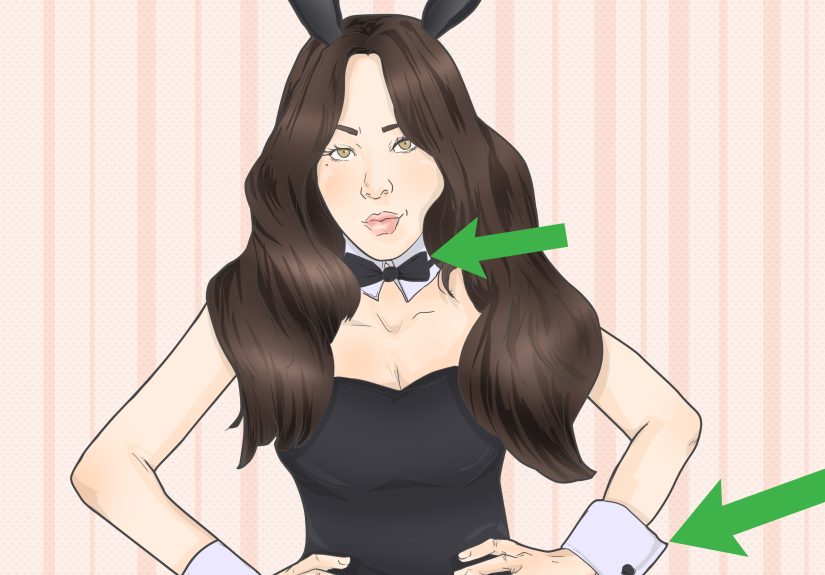
Cut a rectangle of felt or fabric, pinch it in the center, and wrap a smaller strip around the middle. Glue or stitch the strip in place. Attach the bow to ribbon, elastic, or a clip. A red bow tie gives classic White Rabbit energy, while pink or blue makes the outfit softer and more playful.
Step 4: Create a Pocket Watch Prop
Cut two circles from cardboard. Cover them with gold paper, yellow paint, or metallic craft foam. Draw clock hands on the front, punch a hole at the top, and attach string, ribbon, or a lightweight chain. Set the hands to any time you like. For maximum drama, set them to “already late.”
Step 5: Add Ears, Tail, and Face Details
Use the same ear method from the no-sew costume, or attach ears to a small top hat for a whimsical twist. Add the tail with Velcro or pins. Draw a small nose and whiskers, but keep the makeup neat if the outfit is formal. Think “storybook rabbit,” not “lost in a flour factory.”
Step 6: Personalize the Character
For a child’s costume, add striped tights and sneakers. For an adult costume, add dress shoes, gloves, a vest, and a pocket watch. For a group costume, pair the White Rabbit with Alice, the Mad Hatter, the Queen of Hearts, or a magician. The rabbit costume plays well with others, which is more than can be said for some actual rabbits.
Extra Tips for Making Your Rabbit Costume Look Better
Use Texture, Not Just Color
A rabbit costume looks more convincing when it includes soft textures. Fleece, felt, faux fur, chenille, sherpa, or fluffy yarn can make simple clothing feel costume-ready. You do not need to cover the whole outfit in fur. A fuzzy tail, soft ears, and a belly patch are usually enough.
Shape the Ears Carefully
Ears are the star of the costume. Tall ears look playful and cartoon-like. Floppy ears feel sweet and cozy. One ear bent slightly forward adds personality. If using wire, round off or cover the wire ends so they do not poke through the fabric.
Keep the Tail Lightweight
A huge tail may look funny, but it can pull on clothing or make sitting uncomfortable. Use lightweight stuffing and attach the tail securely. For young kids, avoid small detachable parts that could become choking hazards.
Think About Weather
For cold weather, build the costume from a hoodie, sweatpants, and warm shoes. For indoor parties, use lighter fabric and breathable layers. A rabbit costume should not turn the wearer into a steamed dumpling with ears.
Make It Easy to Remove
If the costume is for school, a party, or a long event, use removable pieces. Velcro ears, pinned tails, clip-on bow ties, and washable face paint make cleanup easier. Future you will be grateful. Future you may even forgive present you for using glitter.
Common Mistakes to Avoid
Making the Ears Too Heavy
Heavy ears slide, flop, or pull the hood backward. Use lightweight felt, fleece, or thin faux fur. If you want large ears, reinforce them with wire but keep the fabric light.
Attaching the Tail Too Low
A tail placed too low can make sitting awkward and may fall off faster. Attach it slightly above the seat area for better comfort and visibility.
Using Unsafe Accessories
Avoid long sticks, sharp props, or masks that block vision. If the costume is worn outdoors at night, add bright or reflective details. Cute is good. Visible is better.
Overcomplicating the Costume
A rabbit costume does not need thirty-seven pieces. Ears, tail, nose, whiskers, and a soft outfit are enough. The goal is charming, not “craft store explosion in aisle five.”
Experience Notes: What Actually Works When Making a Rabbit Costume
After making and helping with several animal costumes over the years, the biggest lesson is simple: the costume that gets worn comfortably is the costume that wins. A rabbit outfit can look perfect on the table and still fail if the ears are itchy, the tail is badly placed, or the shoes make walking difficult. Before worrying about the final photo, have the wearer move around. Ask them to sit, stand, bend, turn, and walk through a doorway. This quick test reveals almost every problem.
One of the most reliable approaches is starting with clothes the wearer already likes. A favorite hoodie or soft sweatshirt instantly makes the costume more acceptable, especially for kids. If the child dislikes tight collars, skip the bow tie and use a printed shirt. If they hate face paint, use only a tiny nose or none at all. The costume still reads as a rabbit when the ears and tail are strong.
Another useful trick is building the ears in layers. Felt alone can be too floppy, while cardboard can be too stiff and uncomfortable. A thin wire sandwiched between felt layers gives the best balance. You can bend one ear down, curve both ears inward, or straighten them for photos. For younger children, floppy fleece ears sewn or glued to a hood are often better because there is nothing rigid near the head.
The tail deserves more attention than people expect. A cotton ball tail is fine for a quick photo, but it may flatten or shed during a party. A faux fur circle stuffed with polyfill lasts longer and looks more polished. Attach it with Velcro if the costume needs to go into a car seat or classroom chair. A removable tail prevents complaints, and fewer complaints are the secret ingredient in all successful homemade costumes.
For adults, the easiest way to make the costume feel intentional is to choose a theme. A white outfit with ears is cute, but a white outfit with gloves, a red bow tie, a pocket watch, and a vest becomes a character. A black dress with sleek ears becomes a stylish party bunny. A gray hoodie with soft paws becomes a cozy woodland rabbit. Decide whether the mood is sweet, funny, elegant, or storybook-inspired before adding accessories.
Hot glue is helpful, but it is not magic. It works well on felt, foam, and some trims, but fabric glue or basic hand stitching is better for pieces that bend or stretch. If the costume will be worn by an active child, reinforce important parts with a few stitches even if you mostly use glue. Two minutes with a needle can save an ear from abandoning ship halfway through the event.
Finally, do not chase perfection. Homemade costumes are charming because they have personality. Slightly uneven ears can look expressive. A handmade carrot can look funnier than a store-bought prop. A rabbit costume should feel playful, soft, and easy to enjoy. If people can tell it is a rabbit and the wearer is comfortable, you have succeeded. If the wearer starts hopping voluntarily, congratulationsyou may have overachieved.
Conclusion
Learning how to make a rabbit costume is easier than it looks. Start with a simple clothing base, add expressive bunny ears, attach a fluffy tail, and finish with whiskers or a few playful accessories. The no-sew version is perfect for last-minute events, the hoodie version is cozy and kid-friendly, and the White Rabbit version adds storybook style for themed parties or performances.
The best DIY rabbit costume is not necessarily the most expensive or complicated one. It is the one that fits well, feels comfortable, looks recognizable, and lets the wearer enjoy the event without adjusting ears every thirty seconds. With a little felt, a little fluff, and a reasonable amount of hot glue bravery, you can make a bunny costume that is cute, practical, and ready for hopping into the spotlight.
Note: This article is written in original standard American English and synthesizes practical DIY costume-making, craft, comfort, and safety guidance for web publication.