Table of Contents >> Show >> Hide
- Introduction: Tiny Mouse, Big Emergency
- First, Decide Whether the Baby Mouse Really Needs Help
- Step One: Keep Yourself Safe
- Step Two: Make a Temporary Emergency Home
- Step Three: Contact a Wildlife Rehabilitator
- Should You Feed a Baby Wild Mouse?
- How Age Changes Housing and Feeding Needs
- Stress Control: The Secret Ingredient
- Common Mistakes That Can Harm a Baby Wild Mouse
- When the Baby Mouse Was Found Indoors
- Experience-Based Tips: What Real Rescue Moments Teach You
- Conclusion: The Best Way to Save a Baby Wild Mouse
Important note: A baby wild mouse is not a pocket-sized pet project. In most cases, the best “rescue plan” is fast, calm temporary care followed by a call to a licensed wildlife rehabilitator or wildlife veterinarian. The tips below are for short-term emergency support only, not long-term wildlife rehabilitation.
Introduction: Tiny Mouse, Big Emergency
Finding a baby wild mouse can turn an ordinary afternoon into a tiny wildlife drama. One minute you are moving a flowerpot, cleaning a garage, or rescuing laundry from the backyard. The next minute, there it is: a pink, squeaky, helpless baby mouse no bigger than your thumb, looking like it accidentally subscribed to hard mode.
Before you panic, take a breath. Baby wild mice are fragile, but the first steps are surprisingly simple: keep the baby warm, quiet, safe, and away from pets. Do not rush to feed it. Do not pour water into its mouth. Do not build a mouse mansion with a swing set and a nameplate that says “Sir Nibbles.” Your job is not to become its parent forever. Your job is to stabilize the situation until expert help is available.
This guide explains how to save a baby wild mouse safely, including when to intervene, how to provide temporary housing, what feeding mistakes to avoid, and how to contact the right help. It also includes practical experience-based tips for those messy real-life moments when the internet says, “Call a rehabber,” but the rehabber’s voicemail says, “We are closed until morning.”
First, Decide Whether the Baby Mouse Really Needs Help
Not every baby wild mouse found alone is truly abandoned. Mother mice may move babies from one nest to another, especially if the nest was disturbed by landscaping, pets, storms, or human activity. However, a baby mouse is much more likely to need help if it is cold, injured, bleeding, covered in flies or ants, weak, dehydrated, found near a dead adult, or brought in by a cat or dog.
Signs a Baby Wild Mouse Needs Immediate Help
A baby mouse likely needs intervention if its eyes are closed and it is outside the nest, if it feels cool to the touch, if it is barely moving, if it has visible wounds, or if a pet has touched it. Cat bites and scratches are especially serious because bacteria can cause infection quickly, even when the wound looks tiny. In that case, contact a wildlife rehabilitator or veterinarian as soon as possible.
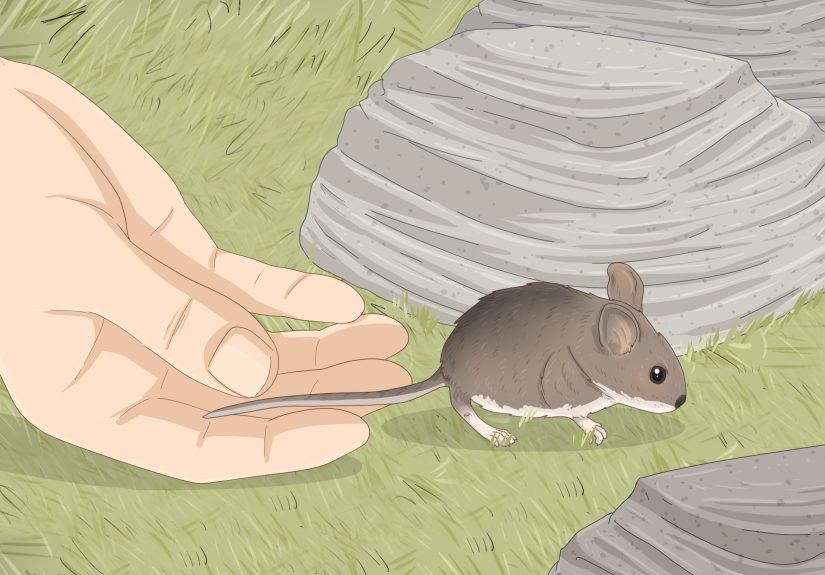
If the baby is warm, active, uninjured, and you know exactly where the nest is, the best option may be to place it back in or near the nest and watch from a distance. Human scent alone usually does not mean the mother will reject the baby. The bigger risk is standing too close and scaring the mother away while she is trying to return.
Step One: Keep Yourself Safe
Wild mice can carry germs, and their urine, droppings, saliva, and nesting materials should be treated carefully. Wear disposable gloves or use a clean towel when handling the baby. Keep the mouse away from your face, food surfaces, kitchen counters, children, and pets. After handling the container or bedding, wash your hands thoroughly with soap and water.
This does not mean you should be terrified of a baby mouse. It means you should be practical. Think of it like handling mystery leftovers in the fridge: compassion is good, but gloves are better.
Step Two: Make a Temporary Emergency Home
The best temporary housing for a baby wild mouse is simple, secure, warm, dark, and quiet. A small cardboard box, plastic storage container with air holes, or ventilated pet carrier can work for short-term care. Line the bottom with a soft, clean cloth, fleece, or unscented paper towel. Avoid stringy towels, loose threads, cotton balls, or fluffy bedding that can wrap around tiny legs.
What the Temporary Container Needs
The container should have ventilation, but it should not be drafty. It should be escape-proof, especially if the baby’s eyes are open and it can crawl. Keep the container in a quiet room away from loud music, television, curious pets, and well-meaning family members who want to “just peek” every four minutes. Wild babies are not comforted by being stared at. To them, a giant human face is less “guardian angel” and more “weather event with eyeballs.”
How to Add Warmth Safely
Warmth is the first priority. Baby mice cannot regulate body temperature well, and feeding a cold baby can be dangerous. Place a heating pad on low under half of the container, not inside it. Another option is a sock filled with uncooked rice, warmed until comfortably warm but not hot, then wrapped in cloth and placed beside the baby. Always leave part of the container cooler so the mouse can move away from heat if needed.
Check the warmth frequently. The baby should feel comfortably warm, not hot, sweaty, limp, or frantic. Direct heat, hot water bottles that leak, or containers placed in direct sun can overheat a baby quickly. Warm and cozy is the goal; baked potato is not.
Step Three: Contact a Wildlife Rehabilitator
In the United States, wildlife rehabilitation rules vary by state, and many wild animals cannot legally be kept without a permit. Some states allow temporary transport to a rehabilitator, but not home-raising. A licensed wildlife rehabilitator has the training, formula, housing, disease-control practices, and release plan that a baby wild mouse needs.
Search for a local wildlife rehabilitator through your state wildlife agency, local humane society, wildlife rescue center, or Animal Help Now. When you call, be ready to explain where the mouse was found, whether pets touched it, whether its eyes are open, whether it is injured, and what you have done so far. Keep the baby warm and quiet while you wait for instructions.
Should You Feed a Baby Wild Mouse?
Feeding is the part where many kind people accidentally cause harm. A cold, weak, or stressed baby can aspirate, meaning liquid enters the lungs. Too much fluid, the wrong formula, or feeding too quickly can be fatal. For that reason, do not feed a baby wild mouse until it is warm and you have received guidance from a wildlife rehabilitator whenever possible.
What Not to Feed
Do not give cow’s milk, cream, sweetened milk, almond milk, bread soaked in milk, sports drinks, or random pantry experiments. A baby mouse does not need a smoothie bar. Cow’s milk can cause digestive distress, and sugary liquids may worsen dehydration or diarrhea. Also avoid putting a bowl of water in with a very young mouse; it can chill the bedding or create a drowning risk.
Emergency Feeding Principles
If a rehabilitator instructs you to provide short-term feeding, follow their directions exactly. In general, baby mammals are fed warm, species-appropriate milk replacer in tiny amounts while positioned belly-down, never on their back. Feeding tools may include a small syringe, dropper, or fine paintbrush, but the baby should be allowed to lick or suck slowly. Never squeeze liquid forcefully into the mouth.
A baby wild mouse with closed eyes may also need help urinating and passing stool after feeding. In nature, the mother stimulates elimination by grooming. In temporary care, a rehabilitator may instruct you to gently rub the lower belly and genital area with a warm, damp cotton swab. This must be done delicately. If you are unsure, stop and ask for help.
How Age Changes Housing and Feeding Needs
Baby mice develop quickly, so their needs change fast. A newborn or “pinkie” has no fur, closed eyes, and very little ability to stay warm. This stage is extremely delicate and should be transferred to a rehabilitator urgently. A slightly older “fuzzy” baby has soft fur but may still have closed eyes. It still needs warmth, careful feeding, and professional care.
Once the eyes are open, the mouse may begin nibbling soft foods, but that does not mean it is ready for release. A young mouse still needs proper nutrition, safe housing, low human contact, and gradual preparation for life outside. Releasing too early can be a death sentence in a very small fur coat.
Soft Foods for Older Babies
If a rehabilitator confirms the mouse is old enough for solids, options may include softened rodent block, plain oats, small pieces of unsalted seed, or tiny bits of fresh produce. These should supplementnot replaceappropriate formula during weaning unless a professional says otherwise. A shallow dish may be safer than a deep bowl, and food should be changed often to prevent spoilage.
Stress Control: The Secret Ingredient
Warmth and food matter, but stress control matters too. Keep handling to a minimum. Do not cuddle the baby, introduce it to friends, post a ten-part video series, or let pets sniff the box “just to see.” Wild mice are prey animals. Human attention feels frightening, not comforting.
Cover part of the container with a breathable cloth to keep it dark. Speak quietly. Avoid bright light. The calmer the environment, the better the baby’s chance of staying stable until professional care is available.
Common Mistakes That Can Harm a Baby Wild Mouse
Feeding Before Warming
A cold baby cannot digest properly. Warm first, feed only if instructed, and never rush.
Using the Wrong Milk
Cow’s milk and homemade recipes can cause serious digestive problems. Ask a rehabilitator what is appropriate.
Overfeeding
A tiny belly fills quickly. Overfeeding can cause bloating, aspiration, or diarrhea.
Keeping the Mouse as a Pet
A wild mouse is built for the wild. Keeping it as a pet can be illegal, stressful for the animal, and unsafe for people and other pets.
Releasing Without Preparation
A hand-raised mouse needs proper weaning, wild behavior, predator awareness, and an appropriate release plan. That is another reason wildlife rehabilitators matter.
When the Baby Mouse Was Found Indoors
If the baby mouse was found inside your home, garage, basement, or shed, look for signs of a disturbed nest. Do not vacuum or sweep rodent nesting material or droppings because that can stir particles into the air. Use safe cleanup practices: ventilate the area, wear gloves, wet contaminated material with disinfectant, and clean carefully.
Also consider humane prevention. Seal entry points, store food in hard containers, remove clutter, and keep pet food picked up. The goal is not to punish wildlife for being wildlife. The goal is to prevent surprise roommates with whiskers.
Experience-Based Tips: What Real Rescue Moments Teach You
The first thing real rescue situations teach you is that calm beats speed. People often find a baby wild mouse and immediately rush to feed it because feeding feels like love. But in wildlife rescue, warmth is usually the first love language. A baby that is cold, shocked, or weak needs a stable temperature before anything else. Many experienced rescuers will tell you that the best first move is not a bottle; it is a quiet box, soft bedding, and gentle heat.
The second lesson is that simple housing works better than fancy housing. A clean box with air holes and a soft cloth is often safer than an elaborate cage. Tiny mice can squeeze through gaps, get trapped in wire, tangle in threads, or chill on hard surfaces. Keep the setup boring. Boring is beautiful. Boring keeps babies alive.
The third lesson is to reduce handling even when your heart is melting. A baby mouse may look helpless, and yes, it may be unfairly adorable in a “bean with feet” sort of way. But frequent handling increases stress and can interfere with wild behavior. If the mouse survives, the goal is not for it to love humans. The goal is for it to grow into a healthy, cautious wild mouse that wants nothing to do with your living room.
The fourth lesson is that pet involvement changes everything. If a cat or dog found the baby, assume the mouse needs professional help, even if there is no obvious wound. Tiny punctures can hide under fur or skin, and infection can develop quickly. Keep pets completely away from the container. A dog staring lovingly at the box is still a predator from the mouse’s point of view.
The fifth lesson is to prepare before calling for help. Wildlife rehabilitators are often volunteers, and baby season can overwhelm them. When you call, leave a clear message: your city, the species if known, the baby’s condition, whether eyes are open, whether pets touched it, and your phone number. If you contact several organizations, keep notes so you do not lose track. A tiny rescue can become surprisingly administrative. Congratulations, you are now the mouse’s temporary secretary.
The sixth lesson is that not every rescue has the outcome you want. Baby wild mice are extremely fragile, especially if they are newborns, injured, chilled, or orphaned for too long. Doing the right thing does not always guarantee survival. But keeping the baby warm, quiet, safe, and connected to professional care gives it the best chance.
The final lesson is that prevention matters. If you found babies while cleaning a shed, moving firewood, or opening stored boxes, pause before destroying the rest of the area. There may be a nest nearby. Give the mother a chance to return or relocate babies if it is safe to do so. When the situation is resolved, seal entry points and reduce nesting spots humanely. Saving one baby mouse is kind. Preventing the next emergency is kind with a clipboard.
Conclusion: The Best Way to Save a Baby Wild Mouse
To save a baby wild mouse, think in this order: safety, warmth, quiet, expert help. Wear gloves, place the baby in a ventilated container with soft bedding, provide gentle heat under half the container, keep pets and children away, and contact a licensed wildlife rehabilitator quickly. Avoid feeding unless the baby is warm and you have professional instructions. Never give cow’s milk, never force water, and never treat a wild mouse like a pet.
A baby wild mouse may be tiny, but the right response is surprisingly grown-up: calm action, careful handling, and respect for wildlife. Your role is not to turn a wild mouse into a house guest. Your role is to give it a bridge from danger back to the wild, where it belongs.