Table of Contents >> Show >> Hide
- Why a Pet Grave Marker Matters
- Before You Start: A Few Smart Planning Tips
- Way #1: Make a Painted or Engraved Stone Marker
- Way #2: Make a DIY Concrete Pet Grave Marker
- Way #3: Make a Wooden Memorial Plaque or Stake Marker
- How to Choose the Best Type of Pet Grave Marker
- What to Write on a Pet Grave Marker
- Care and Maintenance Tips
- Closing Thoughts
- Experiences and Reflections on Making a Pet Grave Marker
Losing a pet can make a backyard feel oddly quiet. The favorite nap spot looks too empty, the food bowl becomes a tiny emotional landmine, and somehow even the squirrels seem more respectful. Creating a pet grave marker will not magically fix grief, but it can give that love a visible place to land. It becomes a marker for memory, gratitude, and the thousand funny little moments that made your dog, cat, rabbit, bird, or other companion feel like family.
If you want to create a pet grave marker that is meaningful, affordable, and sturdy enough for outdoor life, you do not need a stone mason, a giant budget, or a dramatic movie soundtrack. You need a simple plan, the right materials, and a little patience. Below are three practical ways to make a pet grave marker at home, plus design ideas, durability tips, and real-life reflections on why this small project can matter so much.
Why a Pet Grave Marker Matters
A pet memorial marker does more than label a resting place. It creates a ritual. It gives you a place to pause on hard days, smile on easier days, and remember that the story was bigger than the goodbye. Some people make a marker for a backyard burial. Others place one in a garden, under a favorite tree, or beside a pot of flowers when burial is not part of the plan. There is no single correct version of remembrance here. There is only the one that feels right to you.
Before you begin, think about the mood you want. Do you want the marker to feel classic and simple? Rustic and handmade? Bright and cheerful? Quiet and elegant? Your answer will help you choose among stone, concrete, and wood.
Before You Start: A Few Smart Planning Tips
Choose the location carefully
Pick a spot that feels peaceful and practical. If the marker will live outdoors full time, choose a location that drains fairly well and is easy to visit. A memorial hidden behind a muddy shed is technically a memorial, yes, but not exactly ideal.
Keep the wording short
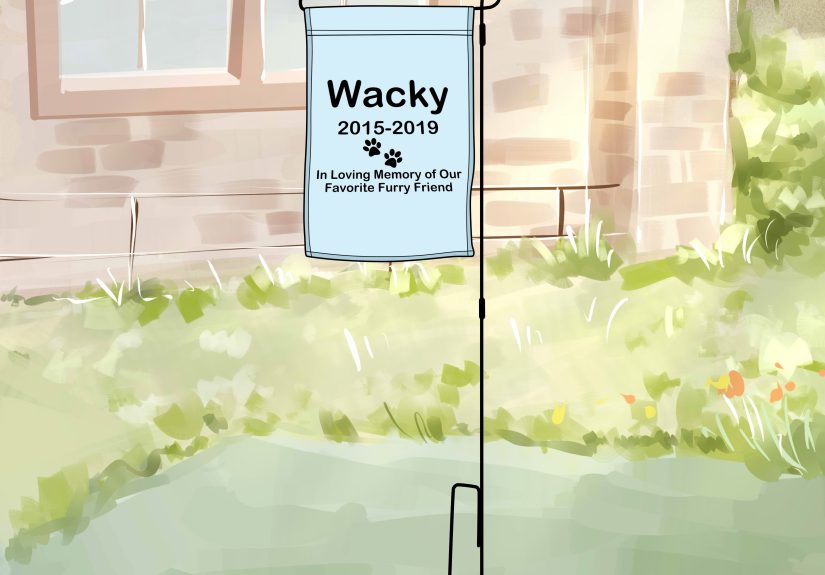
The best inscriptions are usually brief. A name, a date, and a short phrase often say more than a paragraph. Examples include:
- Forever Loved
- Our Good Boy
- Always in the Garden
- You Were Home
- Run Free, Buddy
Think about weather resistance
Outdoor pet grave markers need materials that can handle sun, rain, and changing temperatures. That is why smooth stone, sealed wood, and cured concrete work so well. Pretty is nice. Pretty and durable is better.
Check local rules if burial is involved
If this marker will be placed over a home burial site, make sure local ordinances, HOA rules, or other property restrictions allow it. Even a loving memorial project should start with practical common sense.
Way #1: Make a Painted or Engraved Stone Marker
If you want something simple, timeless, and easy to personalize, a stone marker is one of the best options. It can look sweet, elegant, rustic, or surprisingly professional depending on how you finish it.
Why this method works
A stone pet grave marker blends naturally into a garden and usually holds up well outside. It also feels symbolically right. Stone has weight, permanence, and that quiet “I am not going anywhere” energy that grief often needs.
What you need
- A smooth river rock, flat landscape stone, or purchased garden stone
- Soap and water for cleaning
- A pencil for sketching
- Acrylic paint or acrylic paint pens
- A small brush or detail pen
- Outdoor sealer
- Optional: stencil letters, paw print stamp, or a rotary engraving tool
How to make it
- Wash the stone thoroughly and let it dry completely.
- Choose the flattest side for the design.
- Lightly sketch your pet’s name, dates, or message in pencil.
- Paint the lettering and any decorative details such as a paw print, heart, moon, bone, feather, or tiny silhouette.
- Let the paint dry fully before adding a second coat if needed.
- Seal the finished marker for outdoor durability.
Design ideas
For a dog memorial marker, try a paw print with the pet’s name underneath. For a cat grave marker, a crescent moon or sleeping cat silhouette can look lovely. If your pet had a bright personality, use cheerful colors. If you want a more natural memorial stone, choose soft gray, cream, green, or earthy tones.
You can also engrave the letters instead of painting them. Engraving takes more time, but the result tends to feel more permanent and less likely to fade. A hybrid approach works beautifully too: engrave the name, then highlight the letters with paint.
Best for
This method is ideal if you want a pet cemetery marker that looks natural, costs very little, and does not require concrete mixing or wood cutting. It is also a good option if you want a project that feels gentle and meditative rather than power-tool-adjacent.
Way #2: Make a DIY Concrete Pet Grave Marker
If you want the look of a real memorial stone with extra durability, concrete is your best friend. It is sturdy, customizable, and surprisingly approachable for beginners. Yes, it sounds serious. No, it is not only for people who casually say things like “compressive strength” at weekend barbecues.
Why this method works
A concrete pet grave marker can be shaped into a rectangle, oval, heart, paw, or stepping-stone style plaque. Once cured properly, it stands up well to outdoor conditions and feels substantial in a way that many handmade projects do not.
What you need
- Ready-mix concrete
- A plastic mold, cake pan, silicone mold, or shallow box lined with plastic
- Water and mixing container
- Gloves
- A trowel or sturdy spoon
- Letter stamps, small tiles, pebbles, or glass gems for decoration
- Outdoor-safe paint or concrete stain if desired
- Concrete sealer
How to make it
- Prepare the mold before mixing anything. Once concrete is ready, it does not wait around politely.
- Mix the concrete according to the package directions until it reaches a thick, workable consistency.
- Pour or spoon it into the mold and smooth the top.
- Tap the sides gently to release trapped air bubbles.
- Press in your lettering, paw print impression, mosaic pieces, or decorative border.
- Let the marker set according to product directions, then remove it from the mold carefully.
- Allow it to continue curing before painting or sealing.
- Seal the finished marker once fully dry.
Design ideas
You can keep it classic with a simple plaque that reads “Bella, Forever Loved,” or make it more artistic with tiny mosaic tiles around the edge. Another sweet idea is pressing your pet’s old tag into the surface briefly to create a shape reference, then removing it before the concrete hardens fully. Some people also add a leaf impression for a garden look or line the border with small stones collected from favorite walking places.
Durability tip
Concrete gets hard fairly quickly, but full curing takes longer, so do not rush the finishing stage. If you paint or seal too early, the result may not hold as well over time. In other words, let the marker become the sturdy little monument it was born to be.
Best for
This is the best choice for anyone who wants a long-lasting DIY pet headstone, a stepping-stone style marker, or a memorial with a more traditional grave marker appearance.
Way #3: Make a Wooden Memorial Plaque or Stake Marker
If you like a warmer, more handmade look, wood can make a beautiful pet grave marker. It feels personal, approachable, and easy to customize with paint, stain, wood burning, or attached metal letters.
Why this method works
A wooden marker has cottage-garden charm. It is especially good for flower beds, memorial corners, or temporary marker use while you decide on something more permanent. With proper sealing, it can last nicely outdoors, though wood usually needs more maintenance than stone or concrete.
What you need
- A wood plaque, wood round, or cut board
- A post or stake if you want it raised
- Sandpaper
- Pencil
- Acrylic paint, outdoor paint, stain, or wood-burning tool
- Exterior-grade adhesive or screws if attaching to a stake
- Exterior sealer, polyurethane, or outdoor wood finish
How to make it
- Sand the wood until smooth, especially around the edges.
- Sketch the design lightly in pencil.
- Add the pet’s name, a short phrase, and optional artwork.
- Paint, stain, or burn the lettering into the wood.
- Attach the plaque to a stake if desired.
- Seal every side, including edges and ends, to protect it from moisture.
- Let it dry fully before placing it outdoors.
Design ideas
A wood round with white lettering can look charmingly rustic. A dark stain with gold paint can feel rich and elegant. For a sweeter style, paint tiny wildflowers around the border. If your pet was a legendary squirrel chaser, sock thief, curtain climber, or professional lap monopolizer, you might include one playful detail that captures personality instead of only solemnity.
Best for
This is a great choice if you want a handmade pet memorial marker with a softer look, especially in a garden setting. It also works well if you already have leftover wood from another project and enjoy customizing details.
How to Choose the Best Type of Pet Grave Marker
If you are stuck between options, here is the simple version:
- Choose stone if you want a natural look and minimal fuss.
- Choose concrete if you want maximum durability and a headstone-style feel.
- Choose wood if you want warmth, charm, and easy personalization.
You can also combine materials. A painted stone can sit in front of a planted rose bush. A wooden stake can mark the space until a concrete stone is finished curing. A memorial garden can include all three without looking overdone.
What to Write on a Pet Grave Marker
Many people freeze at the wording stage because it feels too important. The good news is that simple is often best. A pet memorial inscription does not need to be poetic enough to win awards. It just needs to sound true.
- Charlie
- 2012–2026
- Best Friend, Loyal Heart
- Forever Chasing Sunbeams
- Our Sweet Daisy, Always Loved
- Thank You for Every Tail Wag
If space is limited, use the name only. Sometimes one name carries an entire lifetime.
Care and Maintenance Tips
To help your DIY pet grave marker last longer, brush off dirt now and then, reapply sealer when needed, and avoid placing it where sprinklers soak it daily. Stone and concrete generally need less upkeep. Wood may need occasional resealing, especially in wet or very sunny climates. Think of it as memorial maintenance, not another annoying chore. This one at least has heart.
Closing Thoughts
Making a pet grave marker is not only a craft project. It is a way to give shape to love after loss. Whether you choose a painted stone, a solid concrete plaque, or a simple wooden marker, what matters most is not perfect lettering or expert-level technique. It is the care behind the object. It is the pause you take while writing the name. It is the memory that rises when you choose the right spot. It is the quiet promise that this life mattered, and still does.
And maybe that is the hidden beauty of a pet memorial garden or marker: it reminds us that grief is not just sadness. It is evidence of attachment, loyalty, laughter, routine, companionship, and home. A small marker in the yard can hold all of that. Not bad for a weekend DIY project.
Experiences and Reflections on Making a Pet Grave Marker
One of the most surprising things about making a pet grave marker is how emotional the small decisions can become. You think you are choosing paint, and suddenly you are crying because the blue reminds you of your dog’s favorite blanket. You think you are just writing a name, and then you realize how many versions of that name existed over the years: the formal one on the vet paperwork, the goofy nickname used at breakfast, the absurd song version that only made sense inside your house. A marker gathers all of that invisible history into one visible place.
For many people, the process feels comforting because it gives grief something to do. Loss often creates a strange helplessness. You cannot fix what happened, but you can wash the stone, mix the concrete, sand the wood, and write the letters carefully. Those actions are small, but they are not meaningless. They become a ritual of love. In that sense, a homemade pet grave marker can be every bit as powerful as a store-bought memorial, and sometimes more so, because your hands were part of the making.
There is also something deeply human about wanting the marker to reflect personality. A serious, polished design may feel right for one pet, while another deserves a bright painted border because they were basically a furry tornado with excellent comedic timing. Some people add a paw print. Others tuck the marker beside lavender, marigolds, or a small solar light. Some choose a quiet phrase. Others go with something more playful because their pet would have rejected solemn branding altogether. That variety is part of what makes these memorials so moving. They are personal, not generic.
Another common experience is that the project changes over time. The first marker may be very simple because you are too heartbroken to do more. Months later, you may add flowers, reseal the stone, or create a little memorial corner with a photo and wind chime. That is normal. Grief is rarely finished in one afternoon, and a memorial does not have to be either. It can grow with your memory.
Many pet owners also discover that the marker becomes a place of conversation. Children stop there and tell stories. Adults pause on anniversaries. Visitors ask about the name, and suddenly a beloved pet is part of the day again. That can be sad, yes, but also healing. It keeps the relationship present in a gentle way. The marker says, “This life mattered here.”
In the end, the most memorable pet grave markers are usually not the fanciest ones. They are the ones that feel true. A smooth river rock with a slightly crooked hand-painted name can carry more heart than anything expensive. A simple concrete stone under a tree can become a sacred little corner of the yard. A wooden plaque that needs resealing every so often may still be perfect because it was made with care. The project may begin as a DIY idea, but it often ends as something more meaningful: a lasting place for love, memory, and gratitude to live outdoors.