Table of Contents >> Show >> Hide
- Before You Start: Know What You Are Dealing With
- Method 1: Freeze, Scrape, and Clean with Dish Soap
- Method 2: Use Rubbing Alcohol for Sticky Tar Residue
- Method 3: Use a Carpet-Safe Solvent for Tough Tar Stains
- What Not to Do When Removing Tar from Carpet
- How to Remove Tar Smell from Carpet
- When to Call a Professional Carpet Cleaner
- How to Prevent Tar from Getting on Carpet Again
- Experience-Based Tips for Getting Tar out of Carpet
- Conclusion
- SEO Tags
Tar on carpet is one of those home disasters that feels personal. One minute your carpet is minding its own business, and the next, a sticky black blob has moved in like it signed a lease. Whether it came from road work, roofing material, driveway sealant, the bottom of a shoe, or an enthusiastic DIY project gone sideways, tar is stubborn because it is oily, dark, sticky, and determined to make your carpet look like a crime scene.
The good news? A tar stain does not automatically mean your carpet is doomed. With patience, the right tools, and a gentle hand, you can remove tar from carpet without turning a small spot into a giant smudge. The trick is to work slowly, lift as much solid tar as possible, dissolve the remaining residue carefully, and rinse away cleaner so the carpet does not attract dirt later.
This guide explains 3 ways to get tar out of carpet, from a basic dish soap method to rubbing alcohol and a stronger solvent-based approach for tough stains. You will also learn what not to do, how to protect carpet fibers, and when calling a professional is the smartest move. Because sometimes the bravest DIY decision is admitting that the carpet has entered “expert required” territory.
Before You Start: Know What You Are Dealing With
Tar is not like coffee, juice, or muddy water. It is a sticky petroleum-based substance that clings to carpet fibers. That means regular water alone usually will not remove it. In fact, rubbing a tar stain with a wet cloth may spread the mess and push it deeper into the carpet pile.
Before choosing a cleaning method, look closely at the stain. Is it a raised blob sitting on top of the carpet? Is it smeared into the fibers? Is it fresh and soft, or dry and hardened? Fresh tar is often easier to lift, but it can smear if handled too aggressively. Hardened tar may need to be chilled and gently scraped before cleaning.
Supplies You May Need
- Ice cubes in a plastic bag
- A dull knife, spoon, or old credit card
- White paper towels or clean white cloths
- Mild dish soap
- Warm water
- Rubbing alcohol or isopropyl alcohol
- Carpet-safe dry-cleaning solvent or citrus solvent
- Spray bottle
- Vacuum cleaner
- Gloves
- A small bowl
Important Safety Tips
Always test any cleaning solution on a hidden area of carpet first, such as inside a closet or behind furniture. Wait a few minutes and check for fading, bleeding, texture changes, or fiber damage. If the carpet reacts badly in the test spot, do not use that cleaner on the visible stain.
Also, do not mix cleaning products. Bleach, ammonia, vinegar, peroxide, and commercial cleaners can create dangerous fumes when combined incorrectly. For tar removal, you usually do not need bleach at all. Open a window, wear gloves if using solvents, and keep children and pets away from the area until the carpet is dry.
Method 1: Freeze, Scrape, and Clean with Dish Soap
This is the best first method for small tar spots, fresh stains, or situations where you want the gentlest possible approach. Dish soap helps break down oily residue, while freezing makes tar less sticky and easier to lift from the carpet fibers.
Step 1: Harden the Tar with Ice
Place a few ice cubes in a plastic bag and hold the bag directly on the tar for several minutes. Do not put loose ice on the carpet, because melting water can spread the stain or soak the carpet pad. The goal is to make the tar firm and brittle, not to host a tiny indoor skating rink.
Once the tar hardens, it should be easier to remove from the surface. This step is especially helpful if the tar is thick or raised above the carpet pile.
Step 2: Scrape Gently from the Outside In
Use a dull knife, spoon, or old credit card to gently lift the hardened tar. Work from the outside edge toward the center of the stain. This keeps the tar from spreading outward and creating a larger mess. Avoid digging into the carpet, because aggressive scraping can damage loops, pull fibers, or create a fuzzy patch that looks almost as bad as the stain.
Pick up loosened pieces with a paper towel and throw them away. If small crumbs remain, vacuum them carefully before adding any liquid cleaner.
Step 3: Mix a Mild Cleaning Solution
In a small bowl, mix a few drops of mild dish soap with one cup of warm water. The solution should feel slippery but not overly foamy. Too much soap can leave residue in the carpet, and residue attracts dirt. In other words, more soap does not mean more clean. It may simply mean you have created a future gray spot with excellent dirt-grabbing skills.
Step 4: Blot the Stain
Dip a clean white cloth into the soapy water and wring it out so it is damp, not dripping. Blot the tar stain gently. Do not rub. Rubbing can spread the tar and grind it deeper into the fibers. Keep turning the cloth to a clean area as the stain transfers.
Continue blotting until no more tar lifts onto the cloth. This may take several rounds. Patience is the secret ingredient here, and yes, it is less exciting than a miracle spray, but it works better than panic-scrubbing.
Step 5: Rinse and Dry
Dampen a fresh cloth with plain water and blot the area to remove soap residue. Then press dry paper towels over the damp spot. For deeper moisture, place a stack of white paper towels over the area and weigh it down with a heavy book or bowl for 30 minutes to an hour. Once dry, vacuum the carpet to lift the fibers.
Method 2: Use Rubbing Alcohol for Sticky Tar Residue
If the dish soap method removes the surface tar but leaves behind a dark, greasy shadow, rubbing alcohol may help dissolve the remaining residue. This method is useful for synthetic carpets when used carefully, but it should always be tested first.
Step 1: Remove as Much Tar as Possible First
Do not start with alcohol on a thick blob of tar. First, freeze and scrape the excess using the steps above. Solvents work best on residue, not on a mountain of sticky material. If you skip the scraping step, you may simply liquefy the tar and spread it wider. That is not cleaning; that is abstract carpet art.
Step 2: Apply Alcohol to a Cloth, Not Directly to Carpet
Pour a small amount of rubbing alcohol onto a clean white cloth. Do not pour alcohol straight onto the carpet. Too much liquid can soak through the carpet backing and may loosen adhesive or damage padding. The cloth should be damp enough to transfer solvent to the stain, but not dripping.
Step 3: Blot Carefully
Blot the tar residue with the alcohol-dampened cloth. Work from the outer edge toward the center. As tar transfers to the cloth, switch to a clean section. This prevents reapplying the stain to the carpet. You may need to repeat the process several times.
If the stain starts to lighten, keep going slowly. If you notice color transfer from the carpet onto the cloth, stop immediately and rinse the area with water. Some carpets, especially dyed rugs or delicate natural fibers, can react poorly to alcohol or solvents.
Step 4: Follow with Mild Soap
After the tar residue lifts, blot the area with a mild dish soap solution. This helps remove leftover oily material and solvent. Then rinse with a damp cloth and blot dry. Leaving alcohol or loosened residue behind can make the carpet smell odd or attract dirt.
Step 5: Dry Completely
Press the spot with dry towels until it feels only slightly damp. Let the area air-dry fully. You can use a fan to speed drying, but avoid heat. Heat may set stains, soften remaining tar, or create new problems. Tar and heat are not friends you want to invite to the same party.
Method 3: Use a Carpet-Safe Solvent for Tough Tar Stains
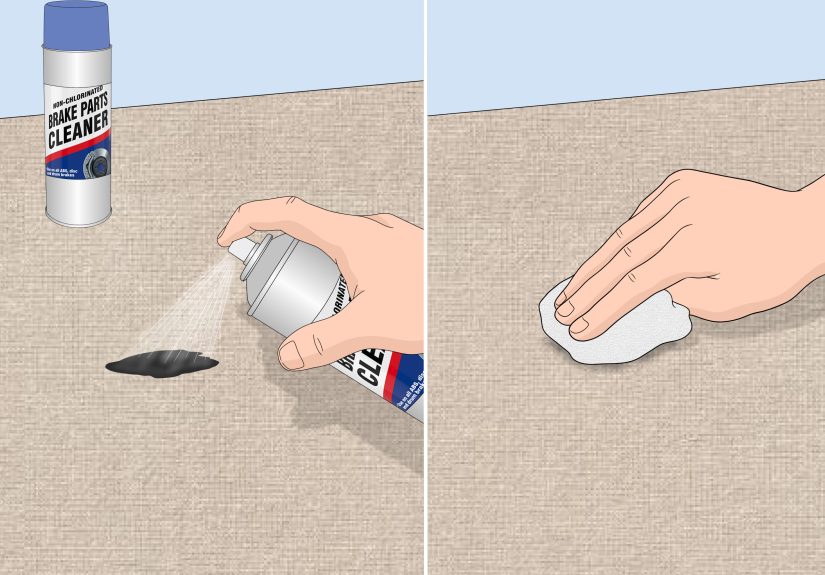
Some tar stains are too stubborn for soap and alcohol alone. If the stain came from driveway sealer, roofing tar, asphalt, or a shoe that walked through a fresh road patch, a carpet-safe dry-cleaning solvent, citrus solvent, or specialty tar remover may be needed.
This is the strongest DIY method, so use it carefully. Read the product label, test first, ventilate the room, and avoid over-wetting the carpet.
Step 1: Choose the Right Product
Look for a product labeled safe for carpet or upholstery. Some automotive bug-and-tar removers or heavy-duty degreasers may be too harsh for indoor carpet. A citrus-based solvent or carpet spot remover designed for oily stains is often a safer choice. If the product label warns against use on fabric, wool, or synthetic fibers, believe it. Labels are not decorative stickers; they are tiny instruction manuals trying to save your carpet.
Step 2: Test in a Hidden Area
Apply a small amount of the solvent to a white cloth and blot an inconspicuous area. Wait at least 10 minutes. Check for color loss, texture changes, or residue. If the carpet passes the test, proceed to the stain.
Step 3: Dab the Solvent onto the Tar
Apply the solvent to a cloth and gently dab the tar stain. Do not saturate the carpet. Let the solvent sit for the amount of time recommended on the product label, often just a few minutes. Then blot with a clean white cloth.
Repeat in small rounds rather than soaking the area all at once. A slow approach helps you control the stain and reduce the risk of damage.
Step 4: Clean with Dish Soap and Water
Once the tar begins to lift, use a mild dish soap solution to clean the treated area. This helps remove solvent residue and oily traces. Blot gently, rinse with plain water, and blot dry.
Step 5: Vacuum After Drying
When the carpet is completely dry, vacuum the area to restore the pile. If the carpet still feels sticky, repeat the soap-and-rinse step. Stickiness means residue remains, and residue is basically a welcome mat for dust.
What Not to Do When Removing Tar from Carpet
Tar stains are tricky, and the wrong move can make them worse. Avoid these common mistakes:
- Do not scrub aggressively. Scrubbing can spread the stain and damage fibers.
- Do not use hot water. Heat can soften tar and push it deeper.
- Do not pour solvents directly onto carpet. Too much liquid can damage backing and padding.
- Do not use bleach. Bleach can discolor carpet and is not necessary for tar removal.
- Do not mix cleaners. Chemical combinations can create harmful fumes.
- Do not skip the spot test. Carpet fibers and dyes can react differently.
How to Remove Tar Smell from Carpet
Even after the black stain is gone, tar may leave behind a petroleum-like odor. To reduce the smell, rinse the cleaned area thoroughly with a damp cloth, blot it dry, and allow plenty of fresh air into the room. Once the carpet is dry, sprinkle baking soda lightly over the area and let it sit for several hours before vacuuming.
Do not use perfume sprays or strong air fresheners directly on the carpet. They may mix with leftover residue and create a strange scent combination best described as “gas station bouquet.” Clean first, deodorize second.
When to Call a Professional Carpet Cleaner
DIY methods can work well for small tar stains, but some situations call for professional help. Contact a carpet cleaning expert if:
- The tar stain is large or deeply embedded.
- The carpet is wool, silk, antique, or expensive.
- The stain has been there for weeks or months.
- You tried a cleaner and the carpet color changed.
- The tar has soaked into the carpet backing or pad.
- The carpet still feels sticky after multiple cleaning attempts.
Professionals have specialized solvents, extraction tools, and fiber knowledge that most homeowners do not keep under the sink. If your carpet is valuable, delicate, or part of a rental deposit situation, calling a pro may cost less than replacing the carpet.
How to Prevent Tar from Getting on Carpet Again
Once you have battled a tar stain, you will probably become very interested in prevention. The easiest strategy is a no-shoes rule near carpeted rooms, especially if there is road work, driveway sealing, or roofing work happening nearby. Place sturdy mats at entrances and check shoe soles before walking inside.
If you are doing home repairs involving tar, asphalt patch, roof sealant, or driveway products, wear old shoes outside and remove them before stepping indoors. Keep work clothes away from carpeted areas, and cover walkways with drop cloths if workers need to pass through the house.
For families with pets, check paws after walks near construction zones. Dogs are wonderful, loyal, and completely uninterested in whether your beige carpet matches your decor. A quick paw wipe can prevent a long afternoon of stain removal.
Experience-Based Tips for Getting Tar out of Carpet
Here is the part most cleaning guides skip: tar removal is less about one magical product and more about managing the stain in stages. In real homes, tar rarely behaves politely. It smears, hides between fibers, comes back as a faint gray shadow, and sometimes leaves the carpet feeling slightly tacky even after the color improves. That is why the best approach is to think of the job as a sequence: harden, lift, dissolve, rinse, dry, and inspect.
One practical lesson is to slow down at the scraping stage. Many people panic and go straight for a wet cleaner. The problem is that liquid can soften tar before the bulk of it is removed. Once that happens, the stain may spread sideways. Freezing the tar first may feel like an extra step, but it often saves time. When the tar is brittle, even a spoon can lift surprising amounts from the carpet surface.
Another useful experience is to use more cloths than you think you need. A single cloth gets dirty quickly, and once it has tar on it, it can transfer residue back into the carpet. Keep a stack of white cloths or paper towels nearby. Fold them into small sections and rotate constantly. If you see black or brown residue on the cloth, that is progress. Move to a clean section and keep blotting.
It also helps to work in tiny zones. Instead of treating the entire stain at once, focus on one edge. Blot, lift, and rinse that area before moving inward. This gives you control and prevents the stain from expanding. Large circular rubbing motions may feel productive, but they usually create a bigger, blurrier stain.
Drying matters more than most people realize. A carpet can look clean while moisture remains underneath. If soap or solvent stays in the fibers, the spot may attract dirt over the next few days. After cleaning, rinse lightly with plain water, blot thoroughly, and use a fan if needed. Once dry, vacuum the area to lift the pile and check the stain in natural light. Carpet can hide residue under artificial lighting, then reveal it dramatically when the sun hits. Very theatrical, very annoying.
If the stain returns as a shadow, do not panic. That may be remaining oily residue wicking upward as the carpet dries. Repeat a gentle blotting process with dish soap and water, then rinse and dry again. However, if repeated attempts make no improvement, stop before you damage the fibers. At that point, a professional cleaner may be able to extract what household methods cannot.
Finally, remember that carpet type matters. Nylon and polyester carpets often tolerate careful cleaning better than wool or specialty rugs. Wool can be sensitive to high-pH cleaners, harsh solvents, and too much moisture. If you are dealing with an expensive area rug, heirloom rug, or unknown fiber, do not experiment aggressively. A small professional cleaning bill is much easier to accept than a permanent pale spot shaped like regret.
Conclusion
Getting tar out of carpet is completely possible when you use the right strategy. Start gently by freezing and scraping away the excess. Then clean with mild dish soap and water. If residue remains, carefully blot with rubbing alcohol or a carpet-safe solvent. The golden rules are simple: test first, blot instead of rub, avoid heat, rinse well, and dry thoroughly.
Tar may be stubborn, but it is not invincible. With patience and a little cleaning discipline, your carpet can recover from that sticky black surprise and return to looking like a floor covering instead of a road repair project.