Table of Contents >> Show >> Hide
- Before You Start: A Little Truth Serum for Your Hair Plans
- 1. Comb Out Your Dreadlocks to Save as Much Hair as Possible
- 2. Cut Off Your Dreadlocks and Start Fresh
- 3. Let a Professional Remove Them for You
- How to Choose the Best Method for Your Hair
- Aftercare: What to Do Once the Dreadlocks Are Gone
- Common Mistakes to Avoid
- Final Thoughts
- Experiences Related to Removing Dreadlocks: What It Often Feels Like in Real Life
- SEO Tags
If you are ready to say goodbye to your dreadlocks, first of all: welcome to the emotional support group known as “What exactly am I about to do to my hair?” Removing dreadlocks can be simple, exhausting, freeing, dramatic, surprisingly sentimental, and occasionally all of the above before lunch. The good news is that you do have options. The better news is that none of them require blind panic, dull scissors, or a midnight identity crisis.
Whether you want to keep as much length as possible, go for a clean cut, or hand the whole project over to a professional and protect your sanity, there are three practical ways to remove dreadlocks. The right method depends on how old your locs are, how tightly they are formed, how much length you want to save, how much patience you have, and whether your arms would like to file a formal complaint after two hours of detangling.
In this guide, you will learn the three best ways to get rid of dreadlocks, how to choose the right one, what tools you need, what to expect during the process, and how to care for your hair afterward. Because yes, removing dreadlocks is a hair decision, but it is also a strategy game.
Before You Start: A Little Truth Serum for Your Hair Plans
Before jumping into removal, it helps to know what dreadlocks actually hold onto over time. Mature locs trap shed hair that would normally come out during daily grooming, and they can also collect product buildup, lint, and tightly compacted strands. That means when you remove them, you may see what looks like a scary amount of hair. Do not immediately assume your scalp has declared bankruptcy. Some shedding is normal, and a lot of what comes out may simply be hair that had nowhere else to go.
Also, not all dreadlocks come out the same way. Fresh starter locs are usually easier to undo than long, dense, mature locs that have been around long enough to qualify for a commemorative plaque. Smaller locs may give you more flexibility for a comb-out. Thick, older locs often push people toward cutting or getting professional help.
Before you begin, gather the basics:
- A wide-tooth comb
- A rat-tail comb or metal tail comb
- Hair clips for sectioning
- A spray bottle with water
- A slippery conditioner or detangling product
- A lightweight oil if your hair needs more slip
- Sharp hair scissors if you plan to cut
- Towels, patience, and a playlist long enough to question your life choices
Now let’s get into the three main ways to get rid of dreadlocks.
1. Comb Out Your Dreadlocks to Save as Much Hair as Possible
Who this method is best for
This is the best option for people who want to keep their natural hair length, especially if the locs are relatively small, younger, or not extremely compacted. It is also ideal for anyone with the patience of a saint, a chess grandmaster, or someone waiting for a limited-edition sneaker drop.
How it works
A comb-out is exactly what it sounds like: you slowly unravel each loc from the ends upward. The goal is not to attack the hair. The goal is to soften it, loosen it, and gently release it section by section. In other words, you are negotiating with your hair, not declaring war on it.
Step-by-step comb-out method
- Wash or dampen the hair first. Hair that has some moisture and slip is generally easier to work with than dry hair that snaps in protest.
- Saturate each loc with conditioner or detangler. Be generous. This is not the time to act like conditioner costs more than rent.
- Clip your hair into sections. Working in small sections keeps the process manageable and helps you avoid accidental chaos.
- Start at the tip of one loc. Use the pointed end of a rat-tail comb to gently pick apart the end.
- Move upward little by little. Once the end loosens, use your fingers and comb to keep separating the hair as you work toward the root.
- Pause often to add more product and remove shed hair. If the strand feels dry, stubborn, or dramatic, add more slip before continuing.
- Detangle the loose section with a wide-tooth comb. Once the loc is undone, comb through gently from the ends upward.
Pros of combing out dreadlocks
- You keep more length than with cutting.
- You can transition into loose natural hair without a major chop.
- You have more freedom to style your hair immediately after trimming and treatment.
Cons of combing out dreadlocks
- It takes a very long time.
- Your hands, neck, and patience may all file complaints.
- You may still lose some hair to breakage, especially if the locs are old or very tight.
The biggest mistake people make with this method is rushing. If you pull aggressively, comb dry hair, or skip sectioning, you can cause more breakage than necessary. Slow is not boring here. Slow is the whole strategy.
2. Cut Off Your Dreadlocks and Start Fresh
Who this method is best for
This is the fastest option for people who are ready for a new haircut, dealing with very mature locs, or simply not interested in spending the next two weekends unraveling hair one strand at a time. It is also the practical choice if your locs are heavily matted, damaged, or extremely compacted.
How it works
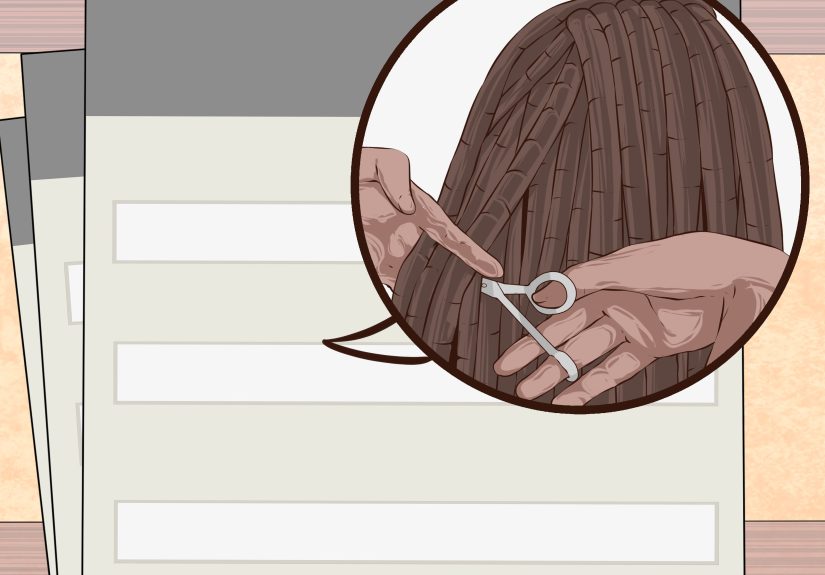
Instead of trying to preserve all of the length, you cut the locs off and reshape the remaining hair. This can range from trimming the locs short and then combing out the remaining ends, to doing a full big chop and embracing a shorter style right away.
How to cut dreadlocks more safely
- Decide on your end goal first. Do you want a short afro, a tapered cut, a fade, or just enough length to finger coil and move on with your life?
- Work in sections. Cutting randomly is a fast way to earn a mirror-related regret.
- Snip one loc first to test the result. Hair shrinks, stretches, and behaves like it has its own opinions. Test before committing.
- Cut gradually instead of too close to the scalp. You can always go shorter, but you cannot undo a panic snip.
- After cutting, wash, detangle, and shape the hair. A proper cleanse, deep conditioning treatment, and trim will help the remaining hair look intentional rather than accidental.
Pros of cutting dreadlocks
- It is fast.
- It removes the most compacted part of the locs immediately.
- It can be emotionally refreshing if you want a real reset.
Cons of cutting dreadlocks
- You lose length.
- The change can feel abrupt if you are attached to your locs.
- You may still need some detangling and trimming afterward.
This method is especially popular when people want less drama and more closure. Sometimes the cleanest answer is just to cut, cleanse, shape, and enjoy the freedom of a fresh start. Hair grows. Regret grows faster when scissors are used recklessly.
3. Let a Professional Remove Them for You
Who this method is best for
If your locs are long, thick, mature, fragile, uneven, or emotionally complicated, professional removal may be your smartest move. It is also ideal if you want expert help preserving as much hair as possible or turning the removal into a polished haircut in the same appointment.
What a professional usually does
A skilled stylist or loctician will assess your locs, hair density, tension areas, product buildup, and overall scalp condition before deciding how to proceed. In many cases, a professional combines methods: trimming the ends to reduce labor, softening the locs with product, picking them apart carefully, then detangling, trimming, cleansing, and conditioning the hair afterward.
Why salon help can be worth it
Professional removal is not just about saving time. It is about reducing avoidable breakage, spotting areas of thinning or tension, and guiding your next style choice. If your hairline looks fragile or your scalp feels tender, professional eyes are helpful. They can tell you whether you need a trim, a protein treatment, a moisture-focused routine, or a serious conversation with your past retwisting habits.
Pros of professional dreadlock removal
- You get expert technique.
- You may retain more hair than you would on your own.
- You can leave with a finished style instead of a half-detangled mystery.
Cons of professional dreadlock removal
- It can be expensive.
- Appointments may take several hours or more than one session.
- You need someone experienced with textured hair and loc removal, not just a random stylist with confidence and a comb.
If you are unsure which route to take, this is often the safest choice. Sometimes paying for expertise is cheaper than paying with broken hair and a week of regret.
How to Choose the Best Method for Your Hair
Still stuck? Here is the easy version:
- Choose a comb-out if length retention matters most and your locs are not impossibly compact.
- Choose cutting if you want speed, simplicity, and a fresh style.
- Choose a professional if your locs are mature, your scalp is sensitive, or you want the least guesswork.
You are not failing if you do not comb out every strand. You are not taking the easy way out if you cut them. You are not being dramatic if you book a salon appointment. You are making a practical decision about your own hair, which is exactly what grown-up hair care looks like, even if it still involves staring into the mirror like you are about to launch a spacecraft.
Aftercare: What to Do Once the Dreadlocks Are Gone
Removing dreadlocks is only half the job. Aftercare matters because your hair may feel dry, fragile, stretched, or confused after being locked for months or years. Think of it as post-breakup care, but for curls and coils.
1. Cleanse your scalp and hair thoroughly
Use a gentle cleanser or clarifying shampoo if you have noticeable buildup. Follow with a moisturizing shampoo if needed. The point is to reset the hair and scalp without stripping them into a state of personal offense.
2. Deep condition immediately
After removal, your hair usually benefits from a deep conditioning treatment to restore slip, softness, and elasticity. If the hair feels weak, ask a professional whether a strengthening treatment makes sense for your texture and condition.
3. Trim the rough ends
Even if you preserved length, some ends may be frayed or uneven. A trim helps your hair look healthier and makes future detangling easier.
4. Avoid tension-heavy styles right away
If your scalp is tender or your edges look stressed, skip tight braids, heavy extensions, and aggressive styling. Give your hair a little breathing room. It has been through enough.
5. Be patient with shedding and texture changes
Your hair may shed more visibly during the first wash and detangle after removal. That does not always mean disaster. It can simply mean trapped shed hairs are finally making their exit. Your curl pattern may also look temporarily different, especially if the hair has been locked for a long time. Moisture, trims, gentle styling, and time usually help.
Common Mistakes to Avoid
- Trying to comb out very dry locs
- Using tiny angry yanks instead of patient detangling
- Skipping sectioning
- Cutting too close to the scalp without testing length
- Ignoring hairline thinning or scalp irritation
- Doing chemical treatments immediately after removal
- Expecting zero shedding and then panicking at the sink
If you notice patchy thinning, persistent scalp pain, or a hairline that looks weaker than it used to, it is smart to see a dermatologist. Sometimes tight styling over time can contribute to traction-related hair loss, and it is better to deal with that early than pretend your edges are just “taking a little nap.”
Final Thoughts
Getting rid of dreadlocks does not have to feel like a beauty emergency. You have three solid choices: comb them out, cut them off, or let a professional take over. The best method depends on your goals, your patience, the age and density of your locs, and how much hair you want to keep.
If you want maximum length, a careful comb-out gives you the best shot. If you want speed and a clean reset, cutting is the practical winner. If you want help, precision, and less trial-and-error, a professional removal is often worth every penny. No matter which route you choose, gentle handling, moisture, and realistic expectations will make the process much easier.
And remember: changing your hair is not a crisis. It is just a new chapter. Sometimes that chapter starts with conditioner, a rat-tail comb, and a level of patience usually reserved for assembling furniture without reading the instructions.
Experiences Related to Removing Dreadlocks: What It Often Feels Like in Real Life
For many people, removing dreadlocks is not just a hair task. It is an event. It can feel exciting, weird, nostalgic, tiring, and strangely hilarious all at once. One of the most common experiences is surprise at how long the process takes. People often begin with brave, cinematic confidence, like, “I’ll knock this out in an afternoon,” and by hour three they are renegotiating with snacks, hand stretches, and a second playlist. A comb-out especially has a way of teaching humility.
Another common experience is emotional whiplash. Some people feel completely ready to move on, but the moment the first loc comes out, they get hit with memories. Locs often mark a chapter in life: college, a new job, a healing phase, a personal style era, or simply years of routine and identity. So yes, removing them can feel practical, but it can also feel personal. It is normal to feel relieved and sentimental at the same time. Hair has a sneaky way of carrying memories without asking permission.
Then there is the “Why does this look like so much hair?” moment. This tends to happen during detangling or the first wash after removal. For someone who has not combed loose hair daily in a long time, the amount of shed hair can be visually dramatic. That first pile in the comb or shower can make even calm people start composing imaginary farewell speeches to their edges. But once the hair is cleansed, conditioned, and trimmed, many realize their hair is fuller than they feared. The panic usually arrives before the perspective.
Texture shock is also real. Some people expect their hair to bounce back instantly, and sometimes it does not. After loc removal, curls may look stretched, frizzy, flattened, or uneven for a bit. That does not automatically mean permanent damage. It can simply mean the hair needs moisture, gentle detangling, a trim, and time to settle back into itself. A lot of people say their hair looks confused for a week or two, which is honestly fair. It just went through a breakup and a rescue mission.
Many people also describe physical fatigue. Removing dreadlocks can be hard on the hands, shoulders, neck, and scalp. That is one reason professional help feels like luxury and wisdom rolled into one. Still, even with the effort, people often say the end result feels incredibly light. Their head feels cooler, washing feels faster, styling feels different, and they rediscover parts of their face and hair texture they had not seen in years.
In the end, the most consistent experience is this: once the process is over, people are usually glad they made a choice and followed through. Maybe they miss their locs. Maybe they love their new short cut. Maybe they decide to grow locs again someday. But the act of removing them often brings a clear sense of change. It feels like clearing a room, opening a window, and realizing your hair still has plenty to say.