Table of Contents >> Show >> Hide
- Why Gas Happens After Laparoscopic Surgery
- 1. Walk Gently and Often
- 2. Use Positioning, Warmth, and Breathing to Reduce Pressure
- 3. Eat, Drink, and Support Your Bowels Wisely
- What Not to Do When You Have Gas Pain After Laparoscopy
- When to Call Your Doctor
- Real-Life Recovery Experiences: What Gas Pain Can Feel Like and What Helps
- Conclusion
- SEO Tags
Note: This article is for general educational purposes only. Always follow your surgeon’s discharge instructions first, especially if your operation involved the bowel, stomach, gallbladder, uterus, appendix, hernia repair, or any special dietary restrictions.
Gas after laparoscopic surgery can feel like your abdomen rented a tiny balloon factory and forgot to tell you. One minute you are relieved the procedure is over; the next, your belly feels tight, your shoulder aches for no obvious reason, and your digestive system seems to be holding a very quiet staff meeting. The good news is that gas pain after laparoscopy is common, usually temporary, and often improves with a few simple recovery habits.
Laparoscopic surgery is different from open surgery because the surgeon works through small incisions using a camera and slim instruments. To create space and improve visibility, carbon dioxide gas is placed inside the abdomen during the procedure. Most of it is removed before the surgery ends, but small amounts can remain for a while. That leftover gas can irritate the diaphragm, which may cause discomfort in the belly, chest, back, neck, or shoulders. Add anesthesia, pain medicine, slower bowel movement, and less activity, and your digestive system may act like it hit the snooze button.
Below are three simple, practical ways to relieve gas after a laparoscopic surgery: gentle movement, smart positioning with comfort care, and bowel-friendly eating and hydration. None of them are glamorous. All of them are useful. Recovery is not a fashion show; it is a slow, careful comeback tour.
Why Gas Happens After Laparoscopic Surgery
Gas discomfort after laparoscopy usually comes from two sources. The first is surgical gas, mainly carbon dioxide, used to inflate the abdomen so the surgeon can see and work safely. This gas can cause pressure, bloating, and referred shoulder pain. Referred pain means the pain is felt somewhere different from where the irritation is happening. In this case, the diaphragm can send pain signals that the brain interprets as shoulder or upper back pain.
The second source is digestive gas. After anesthesia, your intestines can move more slowly. Opioid pain medicines, dehydration, lying in bed, and eating too quickly can make constipation and bloating worse. That is why passing gas after surgery is often considered a positive sign: it suggests the bowels are waking up and moving again.
For many people, gas pain improves over several days. Some shoulder discomfort may linger for a few days and gradually fade as the gas is absorbed and the body returns to normal movement. However, pain should generally trend in the right direction. If symptoms suddenly get worse, feel severe, or come with warning signs, contact your healthcare provider.
1. Walk Gently and Often
If there is one recovery tip that deserves a tiny trophy, it is walking. Gentle walking helps stimulate bowel movement, supports circulation, reduces stiffness, and can help trapped gas move through the digestive tract. You do not need to march around the house like you are training for a parade. Small, slow, frequent walks are usually better than one dramatic lap that leaves you exhausted.
Start Small
Once your care team says it is safe, begin with short walks. This might mean standing up, walking to the bathroom, or taking a slow lap around the room. Hold onto a stable surface or have someone nearby if you feel dizzy. After anesthesia, your balance may not be as confident as your ambition.
A simple routine might look like this:
- Walk for 2 to 5 minutes every couple of hours while awake.
- Increase time gradually as comfort allows.
- Keep your steps slow and your posture relaxed.
- Stop if you feel faint, short of breath, or unusually weak.
Use Gentle Bed Movement Too
When you are not walking, light movement in bed can help. Try ankle circles, gentle leg bends, and slow side-to-side knee movements if your surgeon allows them. These small actions can reduce stiffness and support circulation. They also remind your body that recovery has started, even if your couch has become your temporary headquarters.
Do Not Overdo It
The goal is movement, not heroics. Avoid heavy lifting, intense exercise, abdominal workouts, or sudden twisting until your surgeon clears you. If walking increases incision pain sharply or causes pulling, slow down. Your body is healing small but real surgical wounds, and “small incisions” does not mean “no recovery needed.”
2. Use Positioning, Warmth, and Breathing to Reduce Pressure
Gas pain after laparoscopic surgery often changes with position. Some people feel better sitting upright. Others prefer lying slightly reclined with pillows. Shoulder pain may improve when pressure on the diaphragm decreases. Your mission is to find the position that makes your body say, “Fine, I can work with this.”
Try Comfortable Positions
Use pillows to support your abdomen, back, and knees. A recliner, wedge pillow, or stacked pillows can make resting easier, especially during the first night or two. If lying flat makes shoulder pain worse, try a semi-upright position. If sitting increases abdominal pressure, try lying on your side with a pillow between your knees.
When getting out of bed, roll to your side first, then use your arms to push yourself up. This “log roll” method helps reduce strain on the abdominal muscles and incisions. It is not elegant, but neither is trying to sit straight up and immediately regretting every life choice.
Apply Heat Carefully
A warm pack may help relax tense muscles and ease shoulder, back, or abdominal discomfort. Use gentle warmth, not high heat. Place a cloth between your skin and the heat source, and avoid putting heat directly on incisions unless your care team specifically says it is okay. Limit sessions to short periods, such as 15 to 20 minutes, and check your skin often.
Some people prefer a cool pack, especially around sore incision areas, but follow your discharge instructions. Heat and cold are comfort tools, not cures. If pain is severe or increasing, do not try to “heat-pad your way through it.” Call your healthcare provider.
Practice Slow Breathing
Slow breathing can help relax the abdomen and reduce the tense, guarded posture that often makes gas pain feel worse. Try breathing in through your nose for a few seconds, letting your belly rise gently if comfortable, then exhaling slowly through your mouth. Do not force deep breaths if they hurt. The goal is calm, steady breathing.
If your hospital gave you an incentive spirometer, use it exactly as instructed. Breathing exercises can help keep your lungs clear after anesthesia and encourage better oxygen flow. Think of it as giving your lungs a polite wake-up call instead of a panic alarm.
3. Eat, Drink, and Support Your Bowels Wisely
Food choices after surgery can make gas better or worse. Your digestive system may be sluggish, sensitive, or easily offended. This is not the ideal time to challenge it with a giant greasy meal and a carbonated drink. Be kind to your gut. It has had a busy day.
Choose Small, Gentle Meals
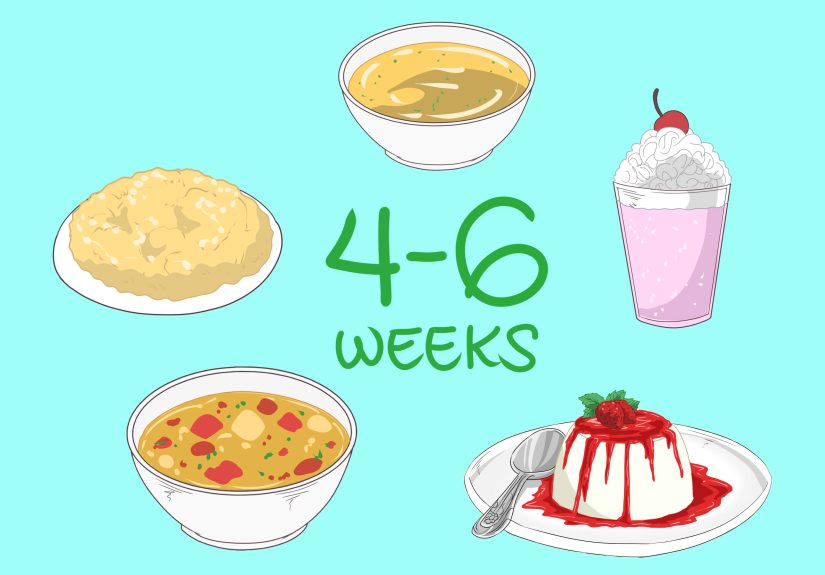
Start with foods your discharge instructions allow. Many people do well with light, easy-to-digest options such as soup, toast, rice, bananas, applesauce, crackers, oatmeal, eggs, or plain chicken. Eat slowly and chew well. Large meals can stretch the stomach and intestines, making bloating worse.
For the first few days, consider limiting foods that commonly cause gas, such as beans, cabbage, broccoli, cauliflower, onions, spicy foods, greasy meals, and large amounts of dairy if dairy bothers you. You do not need to fear vegetables forever. Just give your digestive system a gentle runway before takeoff.
Avoid Extra Air
Swallowed air can add to bloating. To reduce it, avoid drinking through a straw, chewing gum, smoking, vaping, and gulping drinks quickly. Carbonated drinks may also increase gas and pressure. Even sparkling water, usually so innocent and bubbly, can become a tiny troublemaker after surgery.
Hydrate Consistently
Fluids help prevent constipation, especially if you are taking prescription pain medicine. Water, broth, herbal tea, diluted juice, and other approved fluids can help keep things moving. If your doctor gave you a fluid restriction because of heart, kidney, or another medical condition, follow that plan instead.
Ask Before Taking Gas or Constipation Medicine
Some people use simethicone for digestive gas, but it may not fully relieve shoulder pain caused by carbon dioxide irritating the diaphragm. It can still help with intestinal bloating for some patients. Ask your healthcare provider or pharmacist before taking it, especially if you had bowel, stomach, or complex abdominal surgery.
Constipation can make gas pain worse. If your care team recommends a stool softener or laxative, take it as directed. Do not mix medications randomly or double doses because you are impatient. Your colon is not a vending machine; shaking it does not help.
What Not to Do When You Have Gas Pain After Laparoscopy
It is tempting to try everything at once when you feel bloated and sore, but recovery works best when it is simple and safe. Avoid intense abdominal massage unless your surgeon approves. Do not do deep stretches, yoga poses, heavy lifting, or core exercises in the early recovery period. Do not ignore medication instructions, and do not stop prescribed medicines without asking your clinician.
Also avoid comparing your recovery timeline to someone else’s. One person may feel better after two days; another may need a week before the gas pain settles. Your surgery type, anesthesia, pain medicine, diet, activity level, and overall health all affect recovery.
When to Call Your Doctor
Gas pain can be normal, but not every pain after surgery should be brushed off. Contact your healthcare provider if you have any of the following:
- Fever, chills, or feeling suddenly very ill.
- Severe abdominal pain, swelling, or pain that gets worse instead of better.
- Chest pain, shortness of breath, fainting, or a racing heartbeat.
- Repeated vomiting or inability to keep fluids down.
- No gas or bowel movement for several days, especially with bloating or pain.
- Redness, pus, bleeding, warmth, or worsening pain around an incision.
- Yellowing of the skin or eyes after gallbladder surgery.
- Leg swelling, calf pain, or sudden breathing symptoms.
If symptoms feel urgent or frightening, seek emergency care. It is always better to make the call than to sit at home negotiating with pain like it is a stubborn customer service representative.
Real-Life Recovery Experiences: What Gas Pain Can Feel Like and What Helps
Many people are surprised by how strange gas pain feels after laparoscopic surgery. They expect incision soreness, but they do not always expect shoulder pain, chest pressure, or a bloated belly that seems unrelated to the tiny cuts on the skin. A common experience is waking up from surgery and feeling mostly sleepy at first. Then, several hours later, the shoulder ache arrives like an uninvited guest carrying luggage.
One typical recovery pattern goes like this: on the first day, the abdomen feels tight and swollen. Walking to the bathroom feels like an achievement worthy of applause. The person may take a few slow laps around the room, sip water, and rest with pillows. The gas pain may move around, sometimes feeling sharper under the ribs or in the shoulder. This can be unsettling, but gradual movement often helps the discomfort shift and ease.
By day two, some people notice their digestive system beginning to wake up. They may hear gurgling, feel cramps, or pass small amounts of gas. This is not exactly dinner-table conversation, but after surgery it can feel like excellent news. Passing gas often reduces pressure and reassures patients that the intestines are moving again. Light meals, warm tea, short walks, and staying ahead of constipation can make this stage more manageable.
Another common experience is discovering that position matters. A person may feel worse lying flat but better sitting in a recliner. Someone else may need a pillow pressed gently against the abdomen when coughing, laughing, or standing. The pillow trick can provide support and reduce that “my belly is made of glass” feeling. A warm pack on the shoulder or upper back may also offer comfort, especially when the pain is more muscular or tension-related.
Food experiences vary widely. Some people tolerate soup and toast easily, while others feel bloated after only a few bites. The safest approach is usually slow and boring at first. Boring food is not exciting, but after surgery, boring can be beautiful. A plain bowl of oatmeal may not win culinary awards, but it is less likely to start a digestive rebellion than fried food, soda, and a giant burrito.
Patients often say the most helpful mindset is patience with structure. Instead of waiting in bed for the gas to magically disappear, they create a simple rhythm: walk a little, sip fluids, rest, breathe, eat small meals, and repeat. This routine gives the body gentle signals to restart normal function. It also helps reduce anxiety because there is a plan.
The biggest lesson from recovery stories is that gas pain after laparoscopy can feel dramatic even when healing is going normally. Still, “common” does not mean “ignore everything.” If pain is severe, worsening, or paired with warning signs, it deserves medical attention. Recovery should feel gradually better, not like a mystery novel where every chapter gets more alarming.
Conclusion
Gas after laparoscopic surgery is common, uncomfortable, and occasionally weird enough to make you question anatomy. The three simplest ways to relieve it are gentle walking, smart positioning with comfort care, and bowel-friendly eating and hydration. Walk in short sessions, rest with support, use warmth carefully, avoid extra swallowed air, and keep constipation from turning a small problem into a bigger one.
Most importantly, listen to your body and follow your surgeon’s instructions. Mild bloating and shoulder discomfort often improve over several days, but severe pain, fever, vomiting, chest pain, breathing trouble, incision changes, or no bowel movement or gas should be reported. Recovery is not about being tough. It is about healing wisely, one small walk and one sensible meal at a time.