Table of Contents >> Show >> Hide
- Why Kitchen Paint Colors Keep Changing
- The 26 Most Popular Kitchen Paint Colors Throughout the Years
- 1. Crisp White
- 2. Creamy White
- 3. Ivory
- 4. Butter Yellow
- 5. Harvest Gold
- 6. Soft Peach
- 7. Blush Pink
- 8. Mint Green
- 9. Sage Green
- 10. Avocado Green
- 11. Olive Green
- 12. Forest Green
- 13. Robin’s Egg Blue
- 14. Sky Blue
- 15. Dusty Blue
- 16. Navy Blue
- 17. Teal
- 18. Cherry Red
- 19. Terracotta
- 20. Warm Beige
- 21. Taupe
- 22. Greige
- 23. Light Gray
- 24. Charcoal Gray
- 25. Chocolate Brown
- 26. Black
- How to Choose the Right Popular Kitchen Paint Color for Your Home
- Real-Life Experiences With Kitchen Paint Colors Throughout the Years
- Final Thoughts
- SEO Tags
The kitchen may be where meals happen, but let’s be honest: it’s also where style choices go to either age like fine wine or haunt you like an avocado-green refrigerator from 1974. Kitchen paint colors have changed dramatically over the decades, moving from cheerful pastels and diner-inspired brights to Tuscan earth tones, all-white everything, moody cabinet colors, and today’s softer, warmer neutrals. The funny part? Many of the “new” favorites are really just old classics in better lighting.
If you are choosing a kitchen color scheme and wondering which shades actually have staying power, history is a pretty smart designer. Looking back at the most popular kitchen paint colors throughout the years tells you which hues were fleeting crushes and which ones became long-term relationships. Below, you’ll find 26 of the most popular kitchen paint colors to ever claim counter space, plus why they worked then, why they still work now, and how to use them without making your kitchen feel like a time capsule.
Why Kitchen Paint Colors Keep Changing
Kitchen color trends usually follow the mood of the times. In some eras, homeowners wanted cheerful, sunny spaces full of energy. In others, they leaned into clean, practical neutrals. When open floor plans became common, kitchens had to coordinate more closely with living spaces, which helped whites, grays, and blues rise in popularity. More recently, people have wanted kitchens to feel warmer, more personal, and less like a showroom that says, “Please admire this marble and never actually fry bacon here.”
That is why the most popular kitchen paint colors throughout the years range from butter yellow and mint green to navy blue, sage, greige, and black. Some colors became iconic because they reflected the design language of a decade. Others stuck around because they flatter cabinets, work with wood tones, and survive changing backsplash trends with minimal drama.
The 26 Most Popular Kitchen Paint Colors Throughout the Years
-
1. Crisp White
White has been the perennial overachiever of kitchen paint colors. It looks clean, bright, and adaptable, which makes it a favorite for walls, cabinets, trim, and ceilings. White kitchens became especially dominant in the late 1990s, 2000s, and 2010s, but their appeal goes back much further.
The secret is undertone. A cool white feels modern and sharp, while a warm white feels softer and more inviting. If your kitchen gets harsh daylight, white can look stunning. If your lighting is dim, it can turn from “airy” to “hospital hallway” pretty fast.
-
2. Creamy White
Cream is white’s friendlier cousin. It became popular in traditional kitchens because it gives you brightness without the starkness. Cream works especially well with brass hardware, wood floors, butcher block counters, and farmhouse details.
This shade has enjoyed multiple comebacks because it feels timeless. In older homes, creamy white often looks more natural than pure white, which can sometimes feel too cold against vintage trim and warm stone surfaces.
-
3. Ivory
Ivory has long been a go-to for elegant kitchens that want warmth without looking yellow. It often shows up in classic cabinetry, especially in homes that lean traditional, transitional, or French country.
Ivory is also forgiving. It hides everyday dust and splatter better than bright white and pairs beautifully with soft beige, pale taupe, muted blue, and natural oak. Basically, ivory is the kitchen equivalent of good manners.
-
4. Butter Yellow
Few colors say “welcome in, coffee’s hot” quite like butter yellow. This cheerful shade had major popularity in mid-century and cottage-style kitchens, where homeowners wanted warmth and optimism on the walls.
Yellow can stimulate energy and make a room feel sunny even when the weather outside looks personally offended. Today, softer buttery tones work best, especially in kitchens that need a little lift but do not need to shout.
-
5. Harvest Gold
Harvest gold is one of the most recognizable retro kitchen colors of all time. It ruled the 1970s, often paired with dark wood cabinets, patterned flooring, and appliances that practically announced their own decade.
In a modern kitchen, a toned-down version of harvest gold can feel surprisingly stylish. Used sparingly on an accent wall, pantry door, or island, it delivers vintage charm without making your toaster look historically significant.
-
6. Soft Peach
Peach had a serious moment in the 1980s and early 1990s, especially in homes that embraced warm, glossy finishes and softer transitional palettes. It brought warmth and a flattering glow to kitchens with oak cabinets and brass details.
Today, peach works better when it leans muted and earthy rather than candy-like. Think clay-peach, not cosmetics-counter peach. The right version can feel fresh, especially with cream cabinets and handmade tile.
-
7. Blush Pink
Blush pink has floated in and out of kitchen design for decades. Earlier versions felt romantic and vintage, while modern versions read as soft, chalky, and unexpectedly sophisticated.
It is not for every kitchen, but in the right space, blush can make cabinetry or walls feel warm and original. Pair it with black accents, walnut wood, or creamy stone to keep it from looking too sugary.
-
8. Mint Green
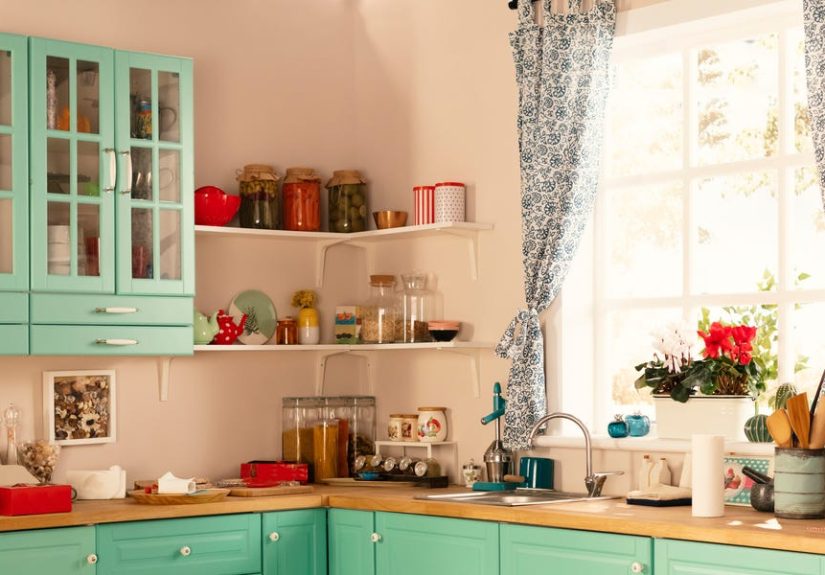
Mint green was a favorite in older American kitchens, especially in the 1940s and 1950s, when pastel palettes made kitchens feel cheerful and clean. It had a fresh, optimistic quality that worked beautifully with white trim and chrome details.
Mint still works today in vintage-inspired kitchens, small spaces, or homes that want a gentle splash of color. The trick is choosing a restrained mint, not one that looks like toothpaste with ambition.
-
9. Sage Green
Sage green has become one of the most loved kitchen paint colors in recent years, but it also has the staying power of a true classic. It feels natural, calm, and flexible enough for traditional, farmhouse, and modern kitchens.
Sage looks great on cabinets, islands, walls, and even pantry built-ins. It pairs with marble, soapstone, wood, brass, black, and matte white. In other words, sage is the reliable friend who somehow looks good in every group photo.
-
10. Avocado Green
Avocado green became iconic in the 1970s and is still one of the most memorable kitchen colors ever. Back then, it often appeared on appliances, walls, and accessories, usually alongside harvest gold and brown.
Modern avocado is subtler and more olive-based. Used thoughtfully, it can feel earthy, creative, and nostalgic in the best way. Used carelessly, it can feel like your refrigerator is about to disco.
-
11. Olive Green
Olive green bridges the gap between retro and current. It has the historical richness of older kitchens and the grounded, nature-inspired appeal of newer design trends. Olive reads moodier than sage and more sophisticated than mint.
It works particularly well in kitchens with natural wood, aged brass, or stone surfaces. If you want color but not cartoon energy, olive is an excellent middle ground.
-
12. Forest Green
Forest green rose in popularity as kitchens became bolder and more tailored. It looks especially dramatic on cabinetry, range hoods, and islands, where it creates depth without feeling trendy in a disposable way.
Because forest green is rich and moody, it does best with good lighting or balanced contrast. Add white walls, warm metal finishes, or open shelving so the kitchen feels layered rather than cave-like.
-
13. Robin’s Egg Blue
Robin’s egg blue has long been associated with vintage charm. It showed up in cottage kitchens, coastal homes, and pastel-heavy mid-century spaces that wanted a breezy, cheerful atmosphere.
Today, this light blue works best in smaller doses. It is lovely on a breakfast nook wall, beadboard paneling, or a painted pantry cabinet. The mood is light, sweet, and a little nostalgic.
-
14. Sky Blue
Sky blue became a kitchen favorite because it feels fresh without being as sterile as white. It reflects light beautifully and can make a compact kitchen feel more open and breathable.
This shade is especially good for walls in kitchens with white cabinetry. It delivers personality without stealing the whole show, which is ideal if you want color that does not hijack every design decision.
-
15. Dusty Blue
Dusty blue is a softer, more muted take on traditional blue, and it has become increasingly popular in transitional homes. It gives you a little color, a little calm, and a lot less risk than brighter shades.
Dusty blue fits beautifully in kitchens that mix old and new elements, such as shaker cabinets with modern hardware or vintage flooring with sleek counters. It is quiet, polished, and easy to live with.
-
16. Navy Blue
Navy became one of the breakout cabinet colors of the last decade. It offered a dramatic alternative to white while still behaving like a neutral. That is the dream, really: a color with personality that still knows how to share the room.
Navy works well on lower cabinets, islands, and full cabinetry in larger kitchens. It pairs beautifully with brass, marble, white quartz, and light wood, making it one of the most versatile bold choices available.
-
17. Teal
Teal has enjoyed periodic surges in popularity thanks to its playful balance of blue and green. It feels creative, energetic, and a little unexpected, which makes it perfect for homeowners who want a kitchen with character.
Teal works best as a statement shade rather than an everywhere color. Think island cabinetry, a butler’s pantry, or a breakfast bar wall that deserves a little swagger.
-
18. Cherry Red
Red has long been linked to warmth, appetite, and lively gathering spaces, which explains its recurring popularity in kitchens. From diner-inspired cherry red to richer brick tones, red has always had a place in the heart of the home.
That said, red is bold. It works best when anchored by white, wood, or black accents. A little red can make a kitchen feel energetic and memorable. Too much red can make breakfast feel like a fire drill.
-
19. Terracotta
Terracotta brings warmth, earthiness, and a handcrafted feel that has appealed to Mediterranean, Southwestern, and rustic kitchen styles for years. It has returned recently as homeowners embrace warmer, more layered interiors.
Terracotta looks especially good with natural wood, handmade tile, and creamy neutrals. It has more soul than plain beige and more subtlety than orange, which is a pretty nice trick.
-
20. Warm Beige
Beige has had a roller-coaster reputation, but it has quietly been one of the most useful kitchen paint colors for decades. It became hugely popular in the 1990s and 2000s because it created a soft, flexible backdrop for wood cabinets and stone counters.
When chosen well, warm beige feels understated and calming. The key is to avoid flat, muddy versions and look for one with enough depth to feel intentional rather than default.
-
21. Taupe
Taupe sits comfortably between gray and brown, which makes it ideal for kitchens that want warmth and sophistication at the same time. It works beautifully in traditional, transitional, and European-inspired spaces.
Taupe is also a peacekeeper. It coordinates with stainless steel, wood, marble, brushed brass, and black hardware without demanding attention. Not flashy, but extremely competent. Respect.
-
22. Greige
Greige became wildly popular when homeowners started moving away from beige but were not ready to commit to pure gray. It offered the clean feel of gray with the softness of beige, which made it an instant kitchen favorite.
Greige still works because it bridges styles so well. It is especially effective in open-concept homes where the kitchen needs to connect smoothly to dining and living areas.
-
23. Light Gray
Light gray dominated many kitchens in the 2010s, especially alongside white cabinets, subway tile, and polished nickel finishes. It felt crisp, safe, and contemporary without the starkness of pure white.
Though cool gray is no longer the undisputed champion it once was, it can still look fantastic when balanced with warm wood, creamy counters, or brass. The lesson is simple: gray behaves better when it has company.
-
24. Charcoal Gray
Charcoal offered a moodier alternative to pale neutrals and became popular on kitchen islands, lower cabinets, and statement walls. It adds drama while staying easier to decorate around than true black.
This color works best when there is enough natural or layered lighting to keep the room from feeling heavy. Charcoal can be refined and architectural, especially with white walls and warm metallic accents.
-
25. Chocolate Brown
Brown has cycled through kitchen design for decades, from the wood-heavy 1970s to the Tuscan-inspired 2000s and today’s return to richer, earth-forward palettes. Chocolate brown brings depth, coziness, and a grounded feel.
Used on cabinetry or paired with creamy walls, brown can feel surprisingly elegant. The best modern versions lean rich and nuanced, not flat or muddy. Think espresso bar, not cardboard box.
-
26. Black
Black is the dramatic closer in the kitchen color lineup. Once considered too intense for most kitchens, it has become increasingly popular in modern, industrial, and high-contrast spaces. Black cabinets, islands, and even walls can look stunning when handled with confidence.
The trick is balance. Black needs light, texture, and contrast to avoid swallowing the room. Pair it with warm wood, stone, brass, or creamy paint so the effect feels intentional and luxurious rather than accidentally gothic.
How to Choose the Right Popular Kitchen Paint Color for Your Home
History is helpful, but your kitchen still has the final vote. Before picking one of these popular kitchen paint colors, think about your cabinets, countertops, flooring, natural light, and how the room connects to the rest of the house. A shade that looks dreamy in a sun-filled farmhouse kitchen may feel gloomy in a north-facing galley kitchen.
If you want a safe, timeless route, look at creamy white, ivory, sage, greige, taupe, or dusty blue. If you want personality without chaos, try olive, navy, terracotta, or charcoal. If your heart belongs to retro charm, butter yellow, mint, robin’s egg blue, or avocado-inspired green can absolutely work when paired with simpler finishes and modern restraint.
Also, sample first. Always sample first. Paint chips are notorious little liars under kitchen lighting.
Real-Life Experiences With Kitchen Paint Colors Throughout the Years
One of the most interesting things about kitchen paint colors is how emotional they are. People rarely describe their kitchen color choice like they are filling out a spreadsheet. They say things like, “This color makes the room feel calm,” or “It reminds me of my grandmother’s house,” or “I painted the island navy and suddenly the kitchen looked like it got its life together.” Color is practical, yes, but it is also memory, mood, and a little bit of domestic storytelling.
Homeowners who choose white or creamy white often talk about light first. Their kitchens feel cleaner, larger, brighter, and easier to style season after season. They can swap out stools, rugs, dishware, or pendant lights without repainting the entire room every time a trend sneezes. The trade-off, of course, is upkeep. White shows splatters, fingerprints, and the evidence of a spaghetti night that got emotionally complicated.
People who go with green, especially sage and olive, usually describe the result as restful. The kitchen feels grounded and lived-in, not too formal and not too trendy. Green also seems to calm the visual busyness that kitchens naturally have. Between the toaster, fruit bowl, coffee maker, mail pile, and one mysterious reusable bag nobody claims, a good green can act like a deep breath for the room.
Blue kitchens create a different kind of experience. Lighter blues tend to make the space feel airy and cheerful, while navy feels polished and intentional. Many homeowners say navy cabinets make their kitchen feel custom, as if a designer suddenly appeared, adjusted the hardware, nodded once, and left. Blue is especially popular with people who want color but are still a little commitment-shy, because it behaves more like a neutral than most bold shades.
Then there are the warm neutrals: beige, taupe, greige, mushroom, and soft brown. These colors are having a renewed moment because they make kitchens feel comfortable rather than clinical. People often say these shades make the room feel finished, cozy, and expensive without screaming for attention. Warm neutrals also play nicely with wood, which matters now that many homeowners want less glare, less stark contrast, and more texture.
Bold choices create the strongest reactions. Black, forest green, cherry red, and terracotta can make a kitchen unforgettable, but they also require confidence. Homeowners who love them tend to really love them. They talk about how the color gives the room personality and turns an ordinary kitchen into a favorite gathering spot. The common thread is balance: dramatic colors succeed when there is enough contrast, good lighting, and a few quieter materials nearby.
Retro-inspired colors also carry a special kind of charm. Mint, butter yellow, peach, and avocado can make a kitchen feel joyful and distinctive, especially in older homes. People are often surprised by how fresh these “old” colors can feel when used in a simpler, more edited way. That is probably the biggest lesson from looking at kitchen paint colors throughout the years: no color is truly gone forever. It just comes back with better styling, smarter undertones, and fewer regrettable wallpaper borders.
Final Thoughts
The most popular kitchen paint colors throughout the years reveal a simple truth: great kitchen colors are not just trendy, they are adaptable. White, cream, blue, green, beige, gray, and brown have all stayed relevant because they can shift with the times and still feel at home. Even the bolder shades, from harvest gold to black, keep returning because they speak to mood, personality, and how people want the kitchen to feel.
If you are planning a refresh, the smartest move is not chasing the loudest trend. It is choosing a color with a proven track record, a flattering undertone, and enough personality to make your kitchen feel like your kitchen. Because while cabinets matter and countertops matter, the paint color is often what makes the room wink back at you.