Table of Contents >> Show >> Hide
- The 25 Gardening Tips That Make Everything Easier
- Start with sunlight, not vibes
- Use your hardiness zone for perennials (and be realistic)
- Get a soil testbecause guessing is expensive
- Think “soil health,” not “quick fix”
- Use compost like a smart amendment, not a mystery ingredient
- Raised beds: build them for roots, not just aesthetics
- Mulch like a pro: 2–3 inches is the sweet spot
- Keep mulch away from stems and trunks
- Water slowly, deeply, and at the root zone
- Water in the morning when you can
- Let soil moisturenot your calendardecide when to water
- Use drip irrigation or soaker hoses for less drama
- Harden off seedlings before transplanting
- Plant by season, not by wishful thinking
- Give plants enough space for airflow
- Support tall or vining plants early
- Rotate crop families to reduce pests and disease
- Keep a simple garden map and notes
- Weed earlysmall weeds, small problems
- Scout your garden weekly like you’re the detective
- Practice IPM: the calmer, smarter approach to pests
- For aphids: manage ants and recruit the “good bugs”
- Clean and disinfect tools when disease is suspected
- Compost at home (and keep it critter-smart)
- Feed plants based on neednot on panic
- Harvest often to keep many plants producing
- Experience-Based Lessons Gardeners Learn the “Fun” Way (Bonus ~)
- Conclusion
Gardening is basically a long-term relationship with dirt. Some days it brings you flowers, tomatoes, and inner peace.
Other days it brings you aphids, bolting lettuce, and the humbling realization that you may have been “watering” when you were actually
“performing an interpretive dance with a hose.”
The good news: great gardening isn’t about having a magical green thumb. It’s about doing a few high-impact things consistentlyespecially
with soil, water, and timing. Below are 25 practical gardening tips that work for
beginners and longtime gardeners alike, with specific examples you can use right away.
The 25 Gardening Tips That Make Everything Easier
-
Start with sunlight, not vibes
Before you buy plants, figure out how much sun your space actually gets. “Full sun” usually means 6+ hours of direct sun. Many veggies
(tomatoes, peppers) want it; leafy greens and some herbs can handle part shade. A week of quick observations beats a season of guessing. -
Use your hardiness zone for perennials (and be realistic)
The USDA Plant Hardiness Zone Map helps you choose perennials that can survive your winter lows. Treat it like a helpful guide, not a promise:
microclimates (wind, pavement heat, sheltered corners) can shift what works in your yard. Still, it’s the fastest way to avoid heartbreak shrubs. -
Get a soil testbecause guessing is expensive
A basic soil test can tell you pH and nutrient levels so you’re not “fertilizing the problem.” If your plants struggle year after year, this is often
the missing step. Follow your local Extension’s sampling directions so your results reflect reality, not one random scoop. -
Think “soil health,” not “quick fix”
Healthy soil isn’t just dirtit’s structure, organic matter, and living organisms that help plants access water and nutrients. If your soil is compacted
or crusty, focus on improving it over time with compost, mulch, gentle cultivation, and fewer “earthquake-level” tilling events. -
Use compost like a smart amendment, not a mystery ingredient
Compost improves soil structure and water-holding capacity while adding nutrients gradually. Mix it into beds before planting or top-dress around plants,
then let worms and weather do the blending. It’s the slow-release playlist of soil improvement: not flashy, but it changes everything. -
Raised beds: build them for roots, not just aesthetics
Raised beds warm sooner, drain better, and can be easier on your back. But depth matters: shallow beds are fine for greens and herbs; fruiting crops like
tomatoes and squash prefer deeper soil. Fill beds with a balanced blend (compost + soilless mix, with limited topsoil if appropriate). -
Mulch like a pro: 2–3 inches is the sweet spot
Mulch reduces evaporation, moderates soil temperature, and suppresses weeds. Aim for roughly 2–3 inches for many organic mulches. Too little does nothing;
too much can keep soil overly wet and invite issues. Mulch is a tool, not a blanket you pile on during an emotional moment. -
Keep mulch away from stems and trunks
Don’t build “mulch volcanoes.” Keep mulch a few inches away from the base of plants, shrubs, and trees to reduce rot, pest hiding spots, and disease-friendly
moisture. Your plant’s crown should breathe, not marinate. -
Water slowly, deeply, and at the root zone
Plants don’t drink through their leaves the way we wish they would on a hot day. Water the soil where roots are, not the foliage. Slow, deep watering helps
roots grow downward, which makes plants more resilient when temperatures spike. -
Water in the morning when you can
Morning watering reduces evaporation and gives foliage time to dry, lowering the risk of some diseases. Night watering can leave leaves wet for too long.
Midday watering isn’t “illegal,” but it can be less efficientand nobody likes paying an evaporation tax. -
Let soil moisturenot your calendardecide when to water
A fixed schedule is how people end up with soggy roots or stressed plants. Check moisture a couple inches down. If it’s dry where roots are active, water.
If it’s still damp, step away from the hose. (Yes, this is permission.) -
Use drip irrigation or soaker hoses for less drama
Drip and soaker systems deliver water to the soil with less waste and less leaf wetness. They’re also great for containers and raised beds that dry out faster.
Bonus: you get to feel like a gardening engineer, which is emotionally satisfying. -
Harden off seedlings before transplanting
Seedlings raised indoors are basically pampered houseplants with ambitions. Give them 7–14 days of gradual outdoor exposurestarting with short, sheltered
stints and building upso wind and sun don’t shock them into sulking. -
Plant by season, not by wishful thinking
Cool-season crops (lettuce, peas, broccoli) thrive in cooler temps; warm-season crops (tomatoes, basil, peppers) want warmth and hate frost. Use your local
frost dates and soil warmth as the “go” signal, not the first sunny weekend in spring. -
Give plants enough space for airflow
Crowded plants hold moisture and spread disease faster. Proper spacing improves airflow and light penetration, and it often boosts yields. If you’re tempted
to cram “just one more” tomato plant in, remember: you’re also inviting fungus to the party. -
Support tall or vining plants early
Install cages, stakes, or trellises when plants are young. Waiting until your cucumbers turn into a vine chandelier is a recipe for snapped stems and regret.
Early support keeps fruit cleaner and makes harvesting easier. -
Rotate crop families to reduce pests and disease
If you plant the same family in the same spot year after year, you’re basically running a buffet for specialized pests and pathogens. Rotate families when possible:
avoid planting nightshades (tomatoes, peppers, eggplant, potatoes) in the same bed back-to-back. -
Keep a simple garden map and notes
A quick sketch of what you planted where helps with crop rotation, troubleshooting, and planning. Note varieties, planting dates, and what worked (or flopped).
Next year’s you will thank current you. Possibly with fewer tears. -
Weed earlysmall weeds, small problems
Weeds compete for water, light, and nutrients, and some host pests. The trick is timing: pull them when they’re tiny and shallow-rooted. A quick weekly pass
often beats one heroic, sweaty “weed apocalypse” weekend. -
Scout your garden weekly like you’re the detective
Flip leaves, check stems, and look for early signs of trouble: stippling, holes, sticky residue, or discoloration. Catching issues early can turn a crisis
into a small chore. Ignore it, and suddenly you’re negotiating with an army of caterpillars. -
Practice IPM: the calmer, smarter approach to pests
Integrated Pest Management (IPM) means using multiple strategiesgood plant care, monitoring, physical removal, and targeted controlsbefore reaching for harsh
solutions. Healthy plants plus early action usually reduce the need for heavy interventions. -
For aphids: manage ants and recruit the “good bugs”
Aphids often come with ants that protect them (because aphid “honeydew” is basically ant soda). Reducing ants helps beneficial insects do their job.
On sturdy plants, a strong spray of water can knock aphids off, and flowering plants can support predators like lady beetles and lacewings. -
Clean and disinfect tools when disease is suspected
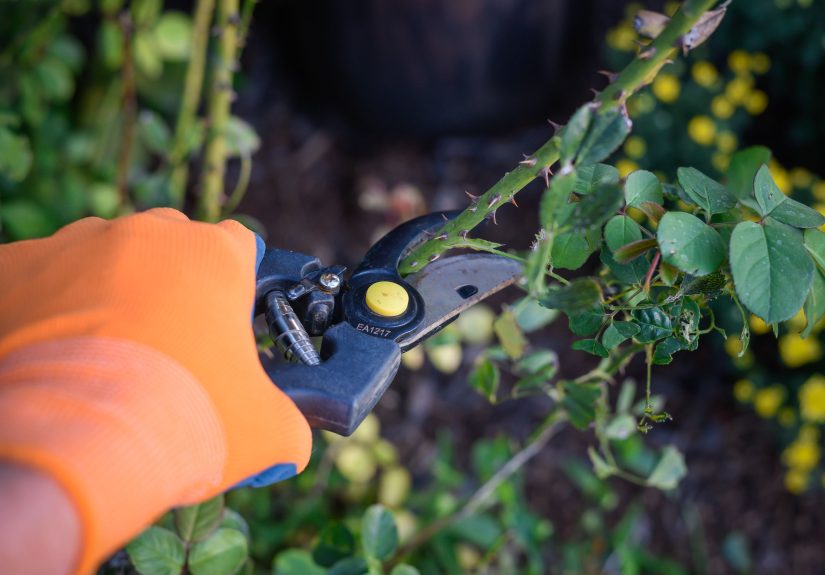
Pruners can spread pathogens between plants. If you’re pruning anything that looks diseased, disinfect blades between cuts or plants. A common option is a
10% bleach solution (bleach added to water), followed by a rinse to reduce corrosion. Never mix bleach with other cleaners. -
Compost at home (and keep it critter-smart)
Composting turns yard waste and many kitchen scraps into garden gold. Balance “greens” (food scraps, fresh plant material) with “browns” (dry leaves, woody
material) and keep it aerated and lightly moist. Skip meat and dairy in typical backyard systems to reduce odors and pests. -
Feed plants based on neednot on panic
Fertilizer won’t fix poor light, bad drainage, or inconsistent watering. Start with compost and soil test guidance, then fertilize thoughtfully. For example,
many vegetables benefit from nutrients at planting and again during heavy productionbut overfeeding can push leafy growth at the expense of fruit. -
Harvest often to keep many plants producing
Beans, cucumbers, zucchini, and herbs often produce more when harvested regularly. Letting fruit get oversized can slow production and stress the plant.
Think of harvesting as encouragement: “Great job, now do it again.”
Experience-Based Lessons Gardeners Learn the “Fun” Way (Bonus ~)
If gardening had a motto, it might be: “Confidence is temporary; compost is forever.” A lot of the best gardening advice comes from patterns gardeners
notice after a few seasonswhat repeatedly works, what repeatedly backfires, and what makes you stare at a wilting plant like it owes you money.
One common experience: the “helpful overwatering era.” Many gardeners start out watering on a schedule because it feels responsible. Then they notice the soil is
always wet, fungus gnats show up like they got an invitation, and plants look strangely unhappy despite all the attention. Eventually, the lesson lands:
roots need oxygen too. Checking soil moisture a couple inches down becomes a habit, and suddenly the garden stops acting like a damp basement.
Another classic: the mulch misunderstanding. People hear mulch is good, so they add more and more until it looks like a tiny wood-chip ski resort.
Then the plant base stays too wet, stems look irritated, and pests find a cozy hideout. Gardeners who’ve been through this usually convert into “mulch with
boundaries” evangelists: 2–3 inches is plenty, and stems should not be touching it. No volcanoes. No exceptions.
Seedlings teach humility too. Starting seeds indoors can make you feel like a plant wizarduntil you transplant them outside and they get sunscalded or whipped
by wind on day one. The hardening-off process is one of those steps that sounds optional until you skip it. Gardeners who learn it the hard way tend to become
gentle, gradual-acclimation people forever after. They start with a short outdoor visit in a sheltered spot, increase time and sun exposure day by day, and their
transplants finally stop acting like they’ve been pushed out of a moving car.
Then there’s the pest arc: denial → panic → enlightenment. The first time someone sees aphids, the instinct is often to go scorched-earth. But gardeners who stick
with it begin to notice the ecosystem: ants farming aphids, lady beetle larvae showing up, lacewings hunting, and the way broad, harsh sprays can knock out the
helpful insects along with the pests. Over time, many gardeners shift to a calmer IPM approach: scout early, spray aphids off with water, control ants, plant
nectar flowers for beneficial insects, and intervene selectively when necessary.
Finally, experienced gardeners become suspicious of shortcuts that ignore the basics. Yellow leaves? It might be nutrients… or it might be soggy soil, poor drainage,
a pH issue, root damage, or plants crammed too close together. Stunted growth? Could be shade, compaction, or the wrong planting time. The “experienced gardener”
superpower is not knowing everythingit’s knowing what to check first: light, soil, water, spacing, and timing. Do those well, and the garden usually rewards you
with fewer emergencies and more “Oh wow, we actually did it” moments.
Conclusion
The best gardening tips are the ones that reduce effort while improving results: choose plants that match your conditions, build soil health steadily, water with
intention, and stay curious enough to notice problems early. If you do just a handful of these consistentlysoil test, compost, mulch correctly, deep-water in the
morning, and practice simple IPMyou’ll see a real difference in plant health and harvests. And if something fails? Congratulations: you’re officially gardening.