Table of Contents >> Show >> Hide
- Start with a Hallway Layout That Works
- 1. Add a runner rug to make the hallway feel finished
- 2. Use a mirror to bounce light around the space
- 3. Bring in a slim console table
- 4. Try color drenching for a seamless look
- 5. Highlight the end of the hallway
- 6. Layer the lighting instead of relying on one ceiling fixture
- 7. Use wallpaper where it will have the most impact
- Build Hall Storage Into the Decor
- 8. Choose a storage bench that earns its keep
- 9. Install hooks or a peg rail for daily essentials
- 10. Add a floating shelf as a mini drop zone
- 11. Hide shoes in a closed cabinet
- 12. Turn an alcove into custom storage
- 13. Organize the hall closet by zones
- 14. Use baskets to corral small clutter
- 15. Add a picture ledge or narrow shelf for storage and display
- Bring Personality Into the Hallway Design
- 16. Create a gallery wall that tells a story
- 17. Use one oversized piece instead of lots of little ones
- 18. Add wainscoting, paneling, or molding
- 19. Style the console table without overloading it
- 20. Bring in plants, but keep them realistic
- 21. Mix materials for depth
- 22. Add seating if the hallway is wide enough
- Make the Hallway Work Harder Every Day
- Conclusion
- Real-Life Experiences With Hallway Decorating, Storage, and Design
- SEO Tags
Hallways are the middle children of home design. They are useful, underappreciated, and somehow always expected to behave. But a well-designed hallway can do a lot more than connect one room to another. It can brighten a dark stretch of wall, hide daily clutter, create a polished first impression, and even squeeze in extra storage without making your house feel like a furniture traffic jam.
If you have been searching for hallway decorating ideas that feel stylish and practical, you are in the right corridor. The best hallway design balances movement, storage, lighting, and personality. In other words, your hall should look good, work hard, and avoid the energy of “we shoved random stuff here and hoped for the best.” From slim benches and smart shoe storage to gallery walls, mirrors, runners, and mini mudroom setups, these ideas will help you turn an often-forgotten space into one of the most useful spots in the house.
Start with a Hallway Layout That Works
1. Add a runner rug to make the hallway feel finished
A runner is one of the easiest hallway decor upgrades because it brings color, texture, and direction all at once. It visually stretches the space and makes the hall feel intentional instead of forgotten. Choose a washable option in a pattern that can handle real life, especially if your hallway sees muddy shoes, pets, or children who believe speed is a personality trait.
2. Use a mirror to bounce light around the space
A hallway mirror is classic for a reason. In narrow or dim areas, it reflects light and adds a sense of openness without eating up floor space. Round mirrors soften hard lines, while oversized rectangular mirrors create a cleaner, more architectural look. Bonus: you get one last chance to check your hair before leaving the house.
3. Bring in a slim console table
A narrow console table gives you a landing zone for keys, mail, and a lamp without turning the hallway into an obstacle course. Look for a design with drawers if you want hidden hall storage, or go open and airy if your hallway already feels tight. Keep styling simple so it reads elegant, not chaotic.
4. Try color drenching for a seamless look
Painting the walls, trim, doors, and even the ceiling in one color can make a hallway feel more cohesive and less choppy. This hallway design trick works especially well in small spaces because it reduces visual breaks. Soft greige, muted blue, warm taupe, or even a moody green can create a dramatic look without feeling overworked.
5. Highlight the end of the hallway
Long halls look better when your eye has somewhere nice to land. A bold piece of art, a small bench, a plant, wallpaper, or a painted accent wall at the far end creates purpose. Think of it as the hallway’s grand finale. Even a hallway deserves a little drama, as a treat.
6. Layer the lighting instead of relying on one ceiling fixture
Overhead lighting alone can make a hallway feel flat and tunnel-like. Add wall sconces, a table lamp on a console, or even picture lights if you have art on display. Layered lighting makes the space feel warmer and more inviting, and it helps your hallway design look thoughtful rather than purely functional.
7. Use wallpaper where it will have the most impact
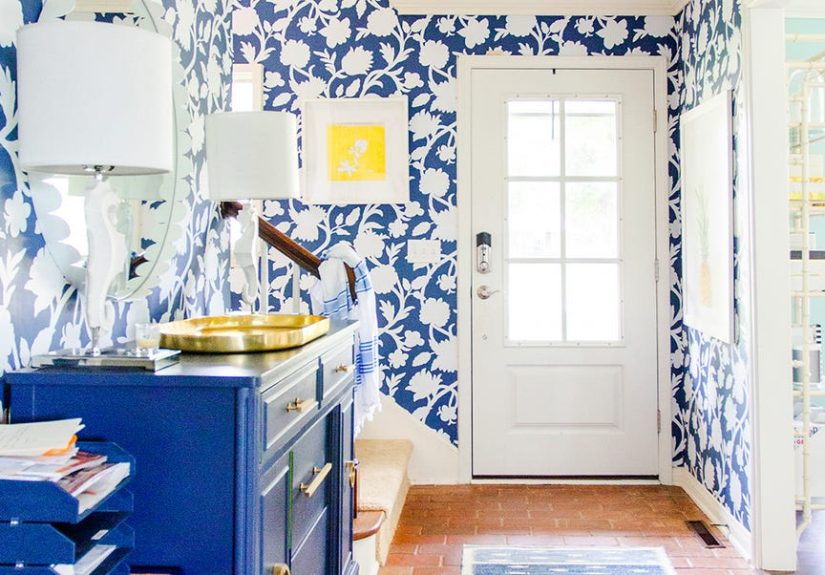
Hallways are excellent places to take a small design risk. Wallpaper on one wall, in a niche, or across the ceiling can bring instant character. Because the footprint is small, you can experiment with bold pattern, subtle texture, or a classic stripe without overwhelming the rest of the home.
Build Hall Storage Into the Decor
8. Choose a storage bench that earns its keep
A hallway bench is one of the hardest-working pieces you can add. It gives you a seat for shoes, a spot for guests to pause, and valuable hidden storage or open cubbies underneath. If your hall is near the front door, this single piece can make the whole house feel more organized in about five minutes flat.
9. Install hooks or a peg rail for daily essentials
Wall hooks are tiny heroes of entryway storage. They keep coats, bags, hats, and umbrellas off the floor while using vertical space that often goes ignored. A wood peg rail can look warm and classic, while metal hooks feel more modern. Just do not go overboard. Too many hooks packed with too many things can make the hallway look messy fast.
10. Add a floating shelf as a mini drop zone
If there is no room for furniture, a floating shelf can still create function. Place a tray for keys, a bowl for sunglasses, and a small vase or candle for style. This is a smart solution for apartment hallways, narrow entry zones, or any area where you need hall storage but only have a sliver of wall to work with.
11. Hide shoes in a closed cabinet
Shoes multiply when no one is looking. A shallow shoe cabinet keeps them contained without stealing much depth from the hall. Closed storage also creates a calmer visual look than open racks, which matters in a space you pass through all the time. Your hallway should welcome people in, not introduce them to every sneaker you own.
12. Turn an alcove into custom storage
If your hallway has an awkward nook, recess, or under-stair opening, treat it like an opportunity instead of a weird little architectural shrug. Built-in shelves, drawers, or a bench can transform dead space into valuable storage. Custom hall storage always looks polished because it feels like part of the house instead of something squeezed in later.
13. Organize the hall closet by zones
A hall closet can do a lot more than swallow random coats and mystery tote bags. Divide it into zones for linens, cleaning supplies, seasonal gear, or daily grab-and-go items. Use labeled baskets, matching hangers, bins, and shelf dividers so it stays usable. A beautiful hallway is lovely. A beautiful hallway with a closet that does not attack you is even better.
14. Use baskets to corral small clutter
Baskets are the easiest way to keep scarves, gloves, dog leashes, sports gear, and incoming mail from taking over the hallway. Woven baskets add texture and warmth, while fabric bins feel softer and more casual. They are especially helpful in family homes where “put it anywhere” is somehow the unofficial storage policy.
15. Add a picture ledge or narrow shelf for storage and display
Picture ledges are ideal for hallways because they are slim, flexible, and easy to style. Use them for framed art, small books, candles, or a rotating display of family photos. In a wider hall, floating shelves can double as functional hallway storage for mail, small baskets, or decorative boxes.
Bring Personality Into the Hallway Design
16. Create a gallery wall that tells a story
A gallery wall gives the hallway instant soul. Mix family photos, black-and-white prints, vintage maps, or abstract art, depending on your style. Consistent frames make the display look cohesive, while varied art keeps it interesting. Hallway decorating ideas work best when they feel personal, not copied straight from a showroom that has never seen a backpack.
17. Use one oversized piece instead of lots of little ones
In a narrow hallway, too many small objects can make the walls feel busy. One large painting, a tall mirror, or a statement photograph often looks more sophisticated and less cluttered. This approach is especially useful in modern homes where clean lines matter and visual breathing room is part of the design.
18. Add wainscoting, paneling, or molding
Architectural detail can transform a plain hallway into a memorable one. Wainscoting adds structure, beadboard brings charm, and simple trim work makes even builder-grade walls feel more custom. Paint it all the same color for a quiet, elegant effect, or use contrast if you want the detail to stand out more boldly.
19. Style the console table without overloading it
A hallway table looks best when it is styled with a light hand. Try a lamp, a tray, a stack of books, and one sculptural object or vase. The goal is edited, not crowded. Hallway design should make movement easier, not inspire you to side-step around decorative objects like you are in a museum obstacle course.
20. Bring in plants, but keep them realistic
A little greenery can soften the straight lines of a hallway and make it feel fresher. If your corridor gets natural light, use a real plant with a narrow footprint. If it does not, choose a good faux option or dried branches in a tall vase. There is no shame in using plants that cannot be emotionally harmed by neglect.
21. Mix materials for depth
The best hallway decor usually combines a few textures: wood, metal, woven baskets, painted walls, soft textiles, and maybe a ceramic accent or two. This mix keeps the space from feeling flat. Even a simple neutral hallway feels richer when there is contrast between smooth, soft, shiny, and natural finishes.
22. Add seating if the hallway is wide enough
If you have a generous hallway, take advantage of it with a bench, accent chair, or tiny reading nook. A little seating makes the area feel more like a room and less like a pass-through. In older homes, this can be especially charming near a window, stair landing, or built-in shelf.
Make the Hallway Work Harder Every Day
23. Create a mini mudroom in the hallway
No mudroom? No problem. A hallway can do the job with a bench, hooks, cubbies, baskets, and a durable rug. This setup is especially useful near the back door, garage entry, or family entrance. A mini mudroom helps daily life feel less hectic because everyone knows where the shoes, coats, and bags are supposed to go. In theory, anyway.
24. Use durable materials in high-traffic zones
Beautiful is good. Beautiful and easy to clean is better. Hallways get heavy foot traffic, so choose practical finishes like washable paint, sturdy runners, wipeable wallpaper, and furniture that can handle a little bumping. A boot tray near the door is another smart addition in rainy or snowy seasons.
25. Add a family command center without making it look like an office
A hallway wall can hold a small bulletin board, calendar, mail sorter, and key hooks in a way that still feels attractive. Keep it neat with matching finishes and a limited color palette. The trick is to create function without turning your beautiful hallway into a place that screams, “Please remember the dentist appointment.”
Conclusion
The best hallway decorating ideas are not only about making a corridor prettier. They are about making your home easier to live in. A smart hallway design can create storage where there was none, add warmth to a blank stretch of wall, and turn a neglected pass-through into a space with genuine personality. Start with the basics: light, movement, and scale. Then layer in hall storage, decor, and a few details that reflect how your household actually lives.
Whether you add a hallway runner, a mirror, a storage bench, hooks, built-ins, or a full mini mudroom setup, the goal is the same: design a hallway that feels calm, useful, and welcoming. In a home filled with hardworking rooms, the hallway deserves a little respect. It has been carrying the traffic for years. The least we can do is give it good lighting and a decent rug.
Real-Life Experiences With Hallway Decorating, Storage, and Design
One of the most useful lessons people learn from decorating a hallway is that this space behaves very differently from a living room or bedroom. It looks simple, but it has to manage movement, storage, and first impressions all at once. In real homes, the biggest mistake is usually trying to force too much into too little space. A bulky hall tree might look great in a large foyer, but in a narrow hallway it can make the whole house feel cramped. Many homeowners discover that a slimmer mix of a bench, hooks, and closed shoe storage works better than one giant piece of furniture trying to do absolutely everything.
Another common experience is realizing that open storage is helpful right up until it becomes a visual avalanche. At first, baskets, hooks, shelves, and trays feel like organizational magic. Then daily life kicks in. Suddenly there are seven jackets, four tote bags, three umbrellas, random mail, and one lonely soccer cleat sitting where “styled simplicity” used to be. That is why the most successful hallway storage plans usually mix open and closed elements. Open storage handles the quick-drop essentials, while drawers, cabinets, and bins hide the stuff that would otherwise make the hallway look permanently mid-morning on a Monday.
People also tend to underestimate the power of lighting. A dark hallway can make an otherwise beautiful home feel smaller and less inviting. Homeowners who swap a harsh overhead bulb for layered lighting often say the change feels bigger than they expected. A sconce, warm lamp, or picture light can make the hall feel softer and more intentional. The same goes for mirrors. In real spaces, especially older homes or apartments with limited natural light, mirrors often do more than decorate. They help the whole corridor feel less boxed in.
Families with kids usually learn quickly that hallway design has to support routines. Hooks mounted at adult height may look tidy, but lower hooks for backpacks and jackets are often what finally makes the system work. A bench with easy shoe access helps too, especially during the morning scramble. Pet owners often discover that a basket for leashes, wipes, and poop bags near the door is not glamorous, but it is deeply practical. And honestly, practical can be beautiful when it saves your sanity before 8 a.m.
Renters often have their own hallway victories. Since built-ins are usually not an option, they lean on removable wallpaper, narrow furniture, wall-mounted shelves, peel-and-stick hooks, and washable runners. Many find that even a tiny apartment hallway can feel elevated with one mirror, one slim shelf, one tray, and one strong piece of art. That combination creates a sense of purpose without crowding the space.
The overall experience across different homes is pretty consistent: the most loved hallways are not the ones with the most decor. They are the ones that quietly make life easier while still looking polished. When the mail has a home, the shoes are contained, the lighting is flattering, and the walls say something about the people who live there, the hallway stops being “just the hall.” It becomes part of the home’s personality. And for a space mostly known for being walked through, that is a pretty impressive glow-up.