Table of Contents >> Show >> Hide
- The Viral Dating Disaster: Funny, Cringey, and Weirdly Educational
- So, Where Do Periods Actually Come From?
- Why Do Some People Still Believe Period Myths?
- The Difference Between Being Wrong and Being Loudly Wrong
- Why Menstrual Literacy Is a Relationship Skill
- What the Story Says About Dating Standards
- Common Period Myths That Need to Retire
- How Schools, Parents, and Partners Can Do Better
- The Humor Is Real, But So Is the Lesson
- Experience Notes: What This Topic Feels Like in Real Life
- Conclusion
Some dates end with a polite hug. Some end with a “text me when you get home.” And some, apparently, end with a full emergency meeting of the Human Anatomy Department because a grown man confidently insists that periods come from butts. Yes, that is the plot. No, this is not a deleted scene from a low-budget biology class sitcom.
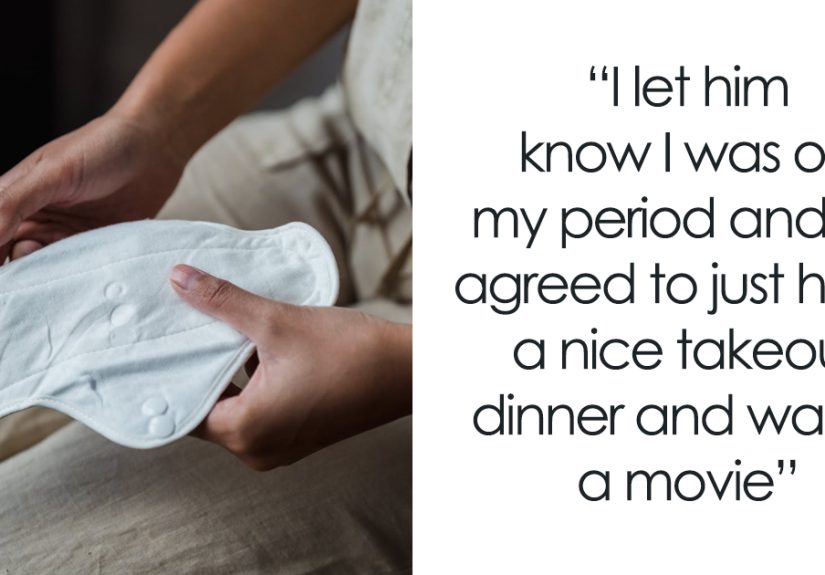
The viral dating story about a 22-year-old guy who believed periods come from butts spread online because it hit two nerves at once: the hilarious awkwardness of a bad date and the not-so-funny reality that many people still misunderstand basic reproductive anatomy. The woman in the story reportedly thought he was joking at first. That would be reasonable. Most people would assume a statement like that was comedy, sarcasm, or possibly a stress test for patience. But when he doubled down and tried to explain anatomy to the person correcting him, the situation became less “cute misunderstanding” and more “sir, please step away from the diagram.”
At its funniest, the story is a cautionary tale about dating someone who brings confidence to a conversation but forgets to pack accuracy. At its most serious, it shows why menstrual education still matters. Periods are normal. Anatomy is normal. Asking questions is normal. What is not normal, or at least not helpful, is turning a wrong guess into a TED Talk nobody requested.
The Viral Dating Disaster: Funny, Cringey, and Weirdly Educational
According to the widely shared account, a young woman was spending time with a date when he casually mentioned that he thought it was strange that childbirth happens through the vagina but periods come from the butt. She assumed he was kidding. After all, it sounds exactly like the kind of joke someone makes before laughing at themselves and saying, “Obviously I know that’s not true.”
Except he did not laugh. He repeated the claim. Then, when she corrected him, he reportedly tried to explain how female anatomy worked. That is the moment the internet collectively placed its coffee down and stared into the middle distance.
The reason this story exploded is not simply because one person was wrong. Everyone is wrong about something. The issue was the confidence. A person can misunderstand menstruation and still recover gracefully by saying, “Wait, really? I didn’t know that.” That sentence is free. It costs zero dollars. It also saves everyone from secondhand embarrassment.
Instead, the story became a perfect example of “mansplaining”: explaining something in a condescending or overconfident way, especially to someone who likely knows more about the subject. In this case, the subject was periods. The audience was someone with direct lived experience. The result was a masterclass in how not to handle correction.
So, Where Do Periods Actually Come From?
Let’s clear this up with the calm energy of a health teacher who has seen it all. A period is vaginal bleeding that happens as part of the menstrual cycle. The blood and tissue come from the lining of the uterus, also called the womb. When pregnancy does not occur, the body sheds that lining. The flow passes from the uterus through the cervix and out through the vagina.
That means periods do not come from the butt, the rectum, or the anus. Those are part of the digestive system. Menstruation is part of the reproductive system. They are neighbors in the pelvic area, yes, but they are not roommates sharing one exit.
The Basic Anatomy, Minus the Awkward Guesswork
The vulva is the outside genital area. Within that area are separate openings. The urethral opening is where urine leaves the body. The vaginal opening is where menstrual blood exits. The anus is where stool leaves the body. Three different functions. Three different pathways. One very important reason not to freestyle anatomy during a date.
The uterus is an internal organ where the uterine lining builds up during the menstrual cycle. The cervix is the lower part of the uterus that connects to the vagina. When menstruation happens, the lining sheds and leaves through the vagina. It is not waste from digestion. It is not “butt blood.” It is not coming from the same place as a bowel movement. That distinction is basic, but clearly not universal.
Why Do Some People Still Believe Period Myths?
It is tempting to treat the guy in the story as a one-person museum exhibit titled “Confidence Without Curriculum.” But menstrual myths do not appear out of nowhere. They grow in silence, embarrassment, poor education, and social discomfort. When people are taught that periods are gross, private, shameful, or too awkward to discuss, they do not magically learn the facts. They fill the gaps with guesses. Unfortunately, some guesses are extremely wrong and arrive wearing a blazer of authority.
Many boys grow up hearing very little about menstruation beyond jokes, commercials, or vague classroom lessons delivered at lightning speed. Some health classes separate students by gender, meaning boys may never receive a clear explanation of what periods are, what products are used, or what menstrual pain can feel like. Then adulthood arrives, and suddenly someone is 22, dating, and making claims that would make a seventh-grade science textbook quietly close itself.
Period Stigma Makes Everyone Less Informed
Period stigma affects more than the people who menstruate. It also affects partners, friends, siblings, classmates, coworkers, and future parents. When a normal body process becomes taboo, people avoid asking questions. That avoidance creates a culture where misinformation survives longer than it should.
Some people still use euphemisms like “that time of the month,” “Aunt Flo,” or “monthly visitor” because the word “period” makes them uncomfortable. Humor can be harmless, but when euphemisms replace education, confusion wins. A person who cannot say “vagina” or “uterus” without acting like the furniture will faint is probably not ready to explain how menstruation works.
The Difference Between Being Wrong and Being Loudly Wrong
Being mistaken is human. Being confidently mistaken while correcting someone else is where things get spicy. The internet did not react strongly because the guy lacked information. It reacted because he allegedly rejected correction from someone who actually knew the answer.
There is a big difference between ignorance and arrogance. Ignorance says, “I didn’t know that.” Arrogance says, “You’re wrong about your own body because my theory feels right.” One can be fixed with a simple explanation. The other requires humility, a search engine, and possibly a chair in the corner for reflection.
In relationships, that difference matters. A partner does not need to know everything about anatomy. Nobody expects every date to arrive with a laminated pelvic diagram and a certificate from the Society of People Who Paid Attention in Health Class. But a good partner should be willing to listen, learn, and believe someone when they speak about their own body.
Why Menstrual Literacy Is a Relationship Skill
Menstrual literacy means understanding the basics of periods: what they are, where they come from, how cycles can vary, what symptoms may happen, and how to respond respectfully. It is not just medical trivia. It is practical life knowledge.
If someone has a partner, friend, sister, roommate, classmate, or coworker who menstruates, basic awareness helps. It can make someone more empathetic when cramps are painful, more useful when period products are needed, and less likely to say something wildly incorrect in public. Menstrual literacy is not about becoming a doctor. It is about becoming a person who does not panic near a tampon aisle.
What a Respectful Response Looks Like
If someone corrects you about periods, the best response is simple: listen. You can say, “Thanks, I didn’t know that,” or “I must have misunderstood.” Those words are not embarrassing. In fact, they are attractive in a very underrated way. Curiosity is charming. Humility is charming. Arguing with a uterus owner about where period blood comes from is, scientifically speaking, not charming.
A respectful response also avoids jokes that make periods seem dirty. Menstruation is a normal biological process. People who menstruate already deal with enough inconvenience: cramps, leaks, mood changes, fatigue, product costs, schedule surprises, and the occasional white-pants betrayal. They do not need a lecture from someone who thinks the digestive system is running the whole operation.
What the Story Says About Dating Standards
The woman in the viral story reportedly laughed because she thought the claim was absurd. Online commenters debated whether laughing was rude. But the deeper question is this: what should someone do when a date is both wrong and dismissive?
A bad fact can be corrected. A bad attitude is harder. If someone responds to correction with curiosity, that is a green flag. If they respond by doubling down, insulting you, or making you feel silly for knowing the truth, that is a red flag waving so hard it could cool a small apartment.
Dating is not just about chemistry. It is also about emotional safety and respect. A partner who cannot handle being wrong about anatomy may struggle with bigger conversations later. Today it is periods. Tomorrow it might be finances, boundaries, chores, health, or whether the dishwasher has a correct loading strategy. For the record, it does, and families have gone to war over less.
Common Period Myths That Need to Retire
Myth 1: Periods Come From the Butt
No. Period blood comes from the uterus and exits through the vagina. The butt is not involved. It has enough responsibilities already.
Myth 2: A Period Is the Same Thing as Peeing Blood
Also no. Urine leaves through the urethra. Menstrual blood leaves through the vagina. These are separate openings with separate jobs.
Myth 3: Everyone’s Cycle Is Exactly 28 Days
A 28-day cycle is often used as an example, but real cycles vary. Many people have cycles that are shorter or longer, and teenage cycles can be especially irregular for several years after the first period.
Myth 4: Period Pain Is Always “No Big Deal”
Mild cramps are common, but severe pain is not something to dismiss. Pain that interrupts normal life, heavy bleeding, dizziness, or sudden changes in a cycle are good reasons to talk with a healthcare professional.
Myth 5: Talking About Periods Is Inappropriate
Periods are health, not scandal. Discussing them respectfully helps people understand bodies better and reduces embarrassment. Silence is where myths rent a room and refuse to leave.
How Schools, Parents, and Partners Can Do Better
Better menstrual education starts with accuracy and normal language. Young people should learn the difference between the reproductive, urinary, and digestive systems. They should know what the uterus, cervix, vagina, urethra, and anus are. They should understand that periods are normal and that not all people experience them the same way.
Parents and guardians can help by answering questions without panic. If a child asks what a period is, the answer does not need to become a dramatic family documentary. A simple explanation works: “A period is when blood and tissue from the lining of the uterus leave the body through the vagina. It is a normal part of growing up for many people.” Done. No thunderstorm. No fainting couch.
Partners can help by learning without making the menstruating person do all the teaching. Read reputable health information. Learn product basics. Know that pads, tampons, menstrual cups, discs, and period underwear exist. Understand that preferences vary. Most importantly, do not act like buying pads is a heroic expedition into forbidden territory. It is a store aisle, not a dragon cave.
The Humor Is Real, But So Is the Lesson
The story is funny because it is so absurd. It is also memorable because it reveals a real social problem: people can reach adulthood with major gaps in basic body knowledge. That should not be normal. Anatomy should not be a mystery novel where the ending shocks half the cast.
Humor can be a great way to start the conversation. Laughing at a ridiculous misconception can make the topic less intimidating. But after the laugh, the facts still matter. Periods come from the uterus, pass through the cervix, and exit through the vagina. If someone does not know that, they can learn it. If someone refuses to learn it while explaining it incorrectly, that is the part worth questioning.
Experience Notes: What This Topic Feels Like in Real Life
Many people who menstruate have at least one story about someone else being wildly misinformed about periods. Sometimes it is a classmate who thinks a tampon can get “lost forever.” Sometimes it is a coworker who believes cramps are just a dramatic excuse to sit down. Sometimes it is a boyfriend, brother, or friend who treats a box of pads like it contains radioactive material. These moments can be funny later, but in the moment, they can feel exhausting.
The most common experience is not usually one giant ridiculous statement. It is a series of small reminders that menstrual education has been treated as optional. Someone whispers the word “period” like it is a government secret. Someone makes a face at a wrapped pad. Someone jokes that mood changes make a person irrational. Someone assumes a period lasts one day, or that everyone can simply “hold it in.” For anyone wondering: no, menstrual flow cannot be held in like urine. The uterus does not come with a pause button.
There is also the experience of having to become a teacher when you did not apply for the job. Imagine being on a date, trying to enjoy a normal conversation, and suddenly needing to explain that the vagina and anus are separate. That is not flirtation. That is unpaid tutoring with appetizers nearby. The issue is not that someone asks a question. Questions are welcome when they are honest and respectful. The issue is when someone asks nothing, assumes everything, and then argues with confidence.
People who menstruate often learn early how to manage discomfort discreetly. They carry supplies, track cycles, plan outfits, check chairs, calculate timing, and hope cramps do not arrive during school, work, travel, sports, or a big event. When someone else turns that experience into a joke or misinformation parade, it can feel dismissive. It says, intentionally or not, “I have not learned about this, but I still expect my opinion to count more than your experience.”
The better experience is completely possible. It looks like friends who keep spare products without making it weird. Partners who ask, “Do you need anything?” instead of acting disgusted. Parents who explain periods before panic sets in. Teachers who include everyone in the lesson because everyone benefits from understanding bodies. Dates who can laugh at themselves and say, “Wow, I was wrong,” without turning the evening into a courtroom drama.
If this viral story teaches anything, it is that basic anatomy should not be treated like specialized knowledge. Knowing where periods come from is not advanced science. It is everyday health literacy. And in dating, friendship, family life, and public conversation, that literacy matters. It saves embarrassment, builds empathy, and prevents a person from becoming the internet’s latest example of what happens when confidence outruns education.
Conclusion
The story of the 22-year-old guy who believed periods come from butts is funny because it sounds too ridiculous to be real, but it also points to something important. Menstruation is a normal biological process, and everyone should understand the basics. Period blood comes from the uterine lining and exits through the vagina. It does not come from the butt. It is not the same as urine. It is not mysterious, dirty, or shameful.
The real takeaway is not simply “don’t be wrong.” Everyone gets things wrong. The real takeaway is “don’t be loudly wrong while refusing to listen.” In anatomy, dating, and life, humility is attractive. Curiosity is useful. And if someone corrects your understanding of their own body, maybe put down the imaginary professor pointer and listen.