Table of Contents >> Show >> Hide
- Before You Pick Up a Paint Roller
- 21 Wall Painting Ideas for Any Space
- 1. Go All In With Color Drenching
- 2. Create a Classic Accent Wall
- 3. Try a Two-Tone Split Wall
- 4. Paint a Soft Arch
- 5. Use Geometric Shapes for Modern Energy
- 6. Blend an Ombré Wall
- 7. Add Vertical Stripes
- 8. Use Horizontal Bands to Widen a Space
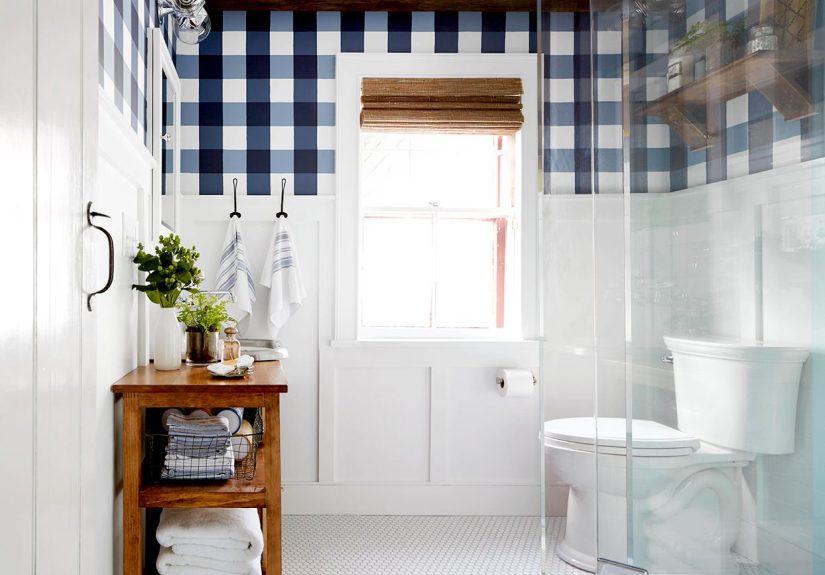
- 9. Fake Wainscoting With Paint
- 10. Paint a Faux Headboard
- 11. Treat the Ceiling as the Fifth Wall
- 12. Highlight Door Frames and Casings
- 13. Paint the Trim a Different Color
- 14. Try a Limewash-Inspired Finish
- 15. Make a Small Room Moody
- 16. Use Warm Earth Tones for Comfort
- 17. Paint a Reading Nook or Work Zone
- 18. Create a Simple Mural
- 19. Try a Checkerboard or Grid Detail
- 20. Add Sponge or Textured Paint Effects
- 21. Keep It Simple With One Beautiful Neutral
- How to Choose the Best Idea for Your Room
- Conclusion
- Real-Life Experiences With Wall Painting Ideas
Blank walls are a little like plain toast. Perfectly acceptable? Sure. Memorable? Not exactly. The good news is that paint is still one of the easiest, smartest, and most budget-friendly ways to give a room some personality without tearing down drywall or selling a kidney for custom millwork. Whether you want a subtle refresh or a full-on “wow, did this room always look this good?” moment, the right wall painting idea can change the mood, proportions, and energy of a space almost instantly.
From bold accent walls and soft ombré blends to painted arches, stripes, ceilings, and trim, there are more options than simply picking one color and hoping for the best. The trick is choosing a look that fits the room’s size, lighting, traffic level, and purpose. A cozy bedroom can handle a moodier tone. A busy hallway may need a more durable sheen. A small office might benefit from saturated color that makes it feel intentional rather than cramped. In other words, paint is not just decoration. It is strategy with a roller.
This guide walks through 21 wall painting ideas for any space, along with practical advice on where each style works best and how to keep the finished result looking polished instead of accidental. Because there is a fine line between “designer detail” and “my tape plan got emotional.”
Before You Pick Up a Paint Roller
Before diving into wall painting ideas, think about the room first. Natural light changes everything. North-facing rooms often feel cooler, while south-facing spaces can make warm colors glow. Room function matters too. Bedrooms and reading nooks usually benefit from softer, calmer palettes, while entryways, dining rooms, and powder rooms can handle more drama.
Finish matters just as much as color. Flat or matte paint can hide surface flaws beautifully, but it is not always the easiest to clean. Eggshell and satin are often better choices for living rooms, hallways, and other spaces that see more daily action. That means your dream wall should not only look good on day one, but also survive fingerprints, furniture bumps, and the occasional mystery smudge.
And yes, sample first. Paint can look warm at noon, moody at dusk, and slightly confusing under overhead bulbs. Test swatches on multiple walls before committing. Your future self will be thrilled.
21 Wall Painting Ideas for Any Space
1. Go All In With Color Drenching
Color drenching means painting the walls, trim, and sometimes even the ceiling in the same shade or closely related tones. The result is rich, immersive, and surprisingly sophisticated. It works especially well in dining rooms, libraries, small bedrooms, and home offices where you want a cocoon-like feeling rather than a bright, airy one.
Deep olive, smoky blue, dusty plum, and warm clay are especially effective here. The space feels intentional, polished, and a little expensive, even if the budget was closer to “weekend DIY and snacks.”
2. Create a Classic Accent Wall
The accent wall is popular for a reason: it works. Painting one wall in a darker or contrasting color can define a focal point, highlight architecture, and add depth without overwhelming the entire room. Good choices include the wall behind a bed, sofa, fireplace, or dining banquette.
Try a charcoal wall in a neutral living room, a forest green headboard wall in a bedroom, or a warm terracotta feature wall in a breakfast nook. Keep the surrounding walls lighter so the contrast feels deliberate.
3. Try a Two-Tone Split Wall
Painting the lower half of the wall one color and the upper half another is a smart way to add structure and visual interest. This works beautifully in hallways, kids’ rooms, bathrooms, and dining areas. A horizontal color break can also make tall walls feel more grounded.
For a modern look, skip the exact midpoint and place the dividing line lower, around one-third up the wall. Think warm white above and muted sage below, or pale greige on top with dusty blue underneath.
4. Paint a Soft Arch
A painted arch is one of the easiest ways to fake architecture without actually changing your walls. It can frame a bed, define a desk zone, highlight a reading chair, or draw attention to a console table in an entryway.
Soft peach, muted rust, olive, and pale blue all work well for this look. The best part is that it feels decorative and playful, but still cleaner and more grown-up than a full mural.
5. Use Geometric Shapes for Modern Energy
If you like sharper lines and contemporary style, geometric wall painting ideas are a great fit. Triangles, chevrons, color blocks, and angular linework can bring energy to a room without needing wallpaper or special materials.
This approach works especially well in home offices, teen bedrooms, creative studios, and entryways. Stick with two or three colors max so the design stays crisp instead of chaotic.
6. Blend an Ombré Wall
An ombré wall transitions from dark to light or from one tone to another, creating movement and softness. It is perfect for bedrooms, nurseries, and artistic spaces where you want color to feel dreamy rather than flat.
Blue fading into white can feel airy and coastal. Pink into terracotta feels warm and modern. Green into pale gray can be quietly dramatic. This look takes more patience, but the payoff is serious.
7. Add Vertical Stripes
Vertical stripes can make a room feel taller, which makes them especially useful in small bedrooms, powder rooms, and narrow hallways. You can go bold with contrasting colors or subtle with tone-on-tone stripes in the same family.
Wide stripes usually feel more modern, while narrower ones can read more traditional. If you want a clean designer look, use low-contrast shades such as warm white and sand, or pale gray and greige.
8. Use Horizontal Bands to Widen a Space
Where vertical stripes emphasize height, horizontal painted bands can make a room feel wider. This is useful in tight rooms that feel boxed in. A broad painted stripe behind a sofa or across a bedroom wall can also anchor furniture beautifully.
Try one bold band for simplicity or several narrow bands for a more playful effect. Just be careful with overly bright contrasts unless your goal is “art classroom with espresso.”
9. Fake Wainscoting With Paint
Want classic character without the carpentry bill? Paint can mimic the effect of wainscoting by creating a darker lower wall section with a crisp horizontal line or slim trim detail. It adds elegance to dining rooms, stairways, bathrooms, and entry spaces.
Navy, smoky green, or chocolate brown on the lower portion paired with a soft neutral upper wall feels timeless and grounded.
10. Paint a Faux Headboard
This idea is brilliant for bedrooms, guest rooms, and small apartments. Instead of hanging an oversized headboard, paint one directly onto the wall behind the bed. You can make it rectangular, arched, scalloped, or extra wide to frame bedside tables too.
It is affordable, customizable, and ideal for renters who want a stylish look without bulky furniture. Bonus: no squeaky headboard drama at 2 a.m.
11. Treat the Ceiling as the Fifth Wall
People often ignore the ceiling, which is a missed opportunity. A painted ceiling can make a room feel cozier, more dramatic, or more finished. Pale blue, soft blush, deep navy, or even warm beige can transform a plain room into something far more interesting.
This works especially well in dining rooms, nurseries, powder rooms, and bedrooms. If your walls are neutral, the ceiling becomes an unexpected star.
12. Highlight Door Frames and Casings
If painting an entire wall feels like too much, try painting the trim around doors and openings. This small move adds contrast and charm without overwhelming the room. It is ideal in hallways, small apartments, and open-concept homes where you want little moments of color.
Black, olive, dusty rose, and muted blue all work surprisingly well on casings. It is a tiny detail with a surprisingly stylish punch.
13. Paint the Trim a Different Color
Most people automatically paint trim white. That is fine, but it is not law. Tone-on-tone trim or contrasting trim can add depth and character fast. Imagine creamy walls with taupe trim, pale gray walls with charcoal trim, or a warm white room with olive baseboards.
This is one of the best wall painting ideas when you want the room to feel custom without adding more stuff.
14. Try a Limewash-Inspired Finish
If you love walls with movement and softness, a limewash-inspired painted finish creates that beautifully weathered, velvety look. It works especially well in bedrooms, living rooms, and Mediterranean- or organic-style interiors.
Soft beige, muted taupe, chalky white, and mineral green are popular options. The finish feels layered and relaxed, like the room has stories to tell but does not brag about them.
15. Make a Small Room Moody
There is a myth that small spaces must be painted pale colors to feel bigger. Not always. In fact, a saturated color can make a tiny room feel jewel-box chic rather than apologetically cramped. Powder rooms, laundry rooms, and compact offices are great candidates.
Try ink blue, aubergine, hunter green, or rich brown. Pair the paint with good lighting and a mirror, and suddenly the room feels intentional and dramatic.
16. Use Warm Earth Tones for Comfort
Earthy wall colors are having a major moment because they make spaces feel calm, welcoming, and grounded. Think clay, sand, cinnamon, terracotta, mushroom, and muted olive. These shades work in nearly any room and pair beautifully with wood, linen, black accents, and natural textures.
If you want your home to feel warm instead of sterile, this is a smart direction.
17. Paint a Reading Nook or Work Zone
Open rooms often need visual boundaries. A painted section of wall can define a desk area, breakfast corner, or reading nook without adding partitions. A rectangular block of color behind a shelf or desk instantly creates a “zone” that feels intentional.
This is especially effective in small homes or studio apartments where one room has to do several jobs.
18. Create a Simple Mural
You do not need to be a professional artist to paint a mural. Simple hills, abstract shapes, clouds, oversized botanicals, and line-drawn forms can all look beautiful when kept loose and minimal. Murals work well in nurseries, playrooms, creative studios, and even modern bedrooms.
The key is restraint. One wall is usually enough. Unless your goal is “I accidentally live inside a giant coloring book.”
19. Try a Checkerboard or Grid Detail
Checkerboard patterns and painted grids can make a wall feel playful, graphic, and tailored. This works well in laundry rooms, breakfast nooks, mudrooms, and kids’ spaces. Neutral checkerboards feel fresh and modern, while bolder combinations lean retro and fun.
Use careful measuring and quality painter’s tape here. This is not the idea to freestyle after two cups of coffee and one questionable playlist choice.
20. Add Sponge or Textured Paint Effects
Textured paint techniques are back, but in a better way than the overly dramatic faux finishes of decades past. A subtle sponge effect, brushed texture, or layered glaze can add depth to a bland wall, especially in spaces that need a softer, more handmade feel.
Use tonal colors instead of harsh contrast to keep the result elegant. This works best as an accent, not a full-house personality crisis.
21. Keep It Simple With One Beautiful Neutral
Sometimes the smartest wall painting idea is not a trick at all. A well-chosen neutral can make furniture, art, textiles, and lighting look better instantly. Warm white, greige, mushroom, soft beige, and pale taupe remain favorites because they are flexible and timeless.
If you are unsure where to start, start here. Then add interest through trim color, ceiling paint, or decor. Quiet walls can still make a strong impression when the tone is exactly right.
How to Choose the Best Idea for Your Room
If your room is large and bright, you can usually take bigger color risks. If it is dark and narrow, focus on ideas that create movement or highlight architecture, such as an accent wall, painted trim, or a two-tone treatment. Bedrooms tend to benefit from softer or moodier approaches, while entryways and powder rooms are excellent places to experiment with bolder looks.
Also consider maintenance. Matte finishes look beautiful, but in high-traffic areas, eggshell or satin may be easier to live with. In busy family homes, beautiful should still be washable. That is not glamorous, but it is real life.
Conclusion
The best wall painting ideas for any space do more than add color. They shape how a room feels, how large it appears, and how confidently it tells its story. Maybe that story is calm and cozy. Maybe it is bold and dramatic. Maybe it says, “Yes, I painted an arch behind my bed, and yes, I feel amazing about it.” All valid.
Whether you choose a simple neutral, a moody color-drenched room, a painted ceiling, or a playful mural, the goal is not perfection. It is creating a space that feels more like you. And paint happens to be one of the few design upgrades that can do that without requiring a contractor, a permit, or an emotional support spreadsheet.
Real-Life Experiences With Wall Painting Ideas
One of the most interesting things about wall painting ideas is that they almost always look different in real life than they do in inspiration photos. A deep green accent wall that seems dramatic online can feel calm and grounding in person, especially once furniture, rugs, and natural light enter the equation. Many homeowners are surprised to find that darker colors do not necessarily make a room feel smaller. In bedrooms and offices, they often make the room feel more finished and intentional. Instead of shouting for attention, the walls start acting like a backdrop that supports everything else.
Painted arches are another idea people often hesitate to try, mostly because they worry it will look too trendy. But in practice, a soft arch behind a bed or desk can feel more like architecture than decoration. It adds shape to a flat wall and gives the eye a place to land. In small apartments, this can be especially helpful because the paint creates zones without adding extra furniture. Suddenly, one corner feels like an office, another feels like a reading nook, and the whole room works harder without looking crowded.
Color drenching tends to create the biggest reaction. The first moment can be a little startling, especially when the walls, trim, and ceiling are all wearing the same color. But after a day or two, people often say the room feels calmer and more luxurious. The visual interruptions are reduced, so the space feels cohesive. This is especially noticeable in dining rooms, powder rooms, and small bedrooms, where a full-room color treatment can make the space feel deliberate rather than pieced together.
Then there is the practical side, which every DIY painter learns quickly. The sheen you choose matters more than expected. A beautiful flat paint in a hallway may look elegant on day one, but after a few weeks, fingerprints and scuffs can become uninvited design elements. Meanwhile, a subtle eggshell or satin finish often ends up being the real hero because it still looks soft while standing up better to daily life. Many people also discover that wall prep is not glamorous, but it absolutely shows in the final result. Filling nail holes, sanding rough spots, and cleaning the wall first can make even a simple paint job look more professional.
Lighting is another major lesson. A warm beige can read creamy and inviting in the afternoon, then look completely different under cool LED bulbs at night. That is why sample swatches matter so much. In real homes, paint is never just paint. It interacts with flooring, curtains, wood tones, metal finishes, and the weather outside. The same color can feel soft and airy in one room and muddy in another. People who take the time to test several options usually end up much happier with the final outcome.
Perhaps the biggest shared experience is this: once one wall turns out well, it becomes very hard to stop. A painted bedroom leads to a hallway refresh. Then the trim starts looking suspiciously plain. Then the ceiling gets ideas. That is the magic of thoughtful wall painting. It does not just improve one room. It changes how you see the rest of your home.