Table of Contents >> Show >> Hide
- What Is Primrose Facial Hydrating Cream?
- What’s in the Formula, and Why Does It Matter?
- Who Is This Cream Best For?
- Who May Want to Skip It?
- How to Use Primrose Facial Hydrating Cream Well
- How It Compares With Lighter and Heavier Moisturizers
- Pros and Cons at a Glance
- Experience Section: What Using Primrose Facial Hydrating Cream Can Feel Like in Real Life
- Final Verdict
- SEO Tags
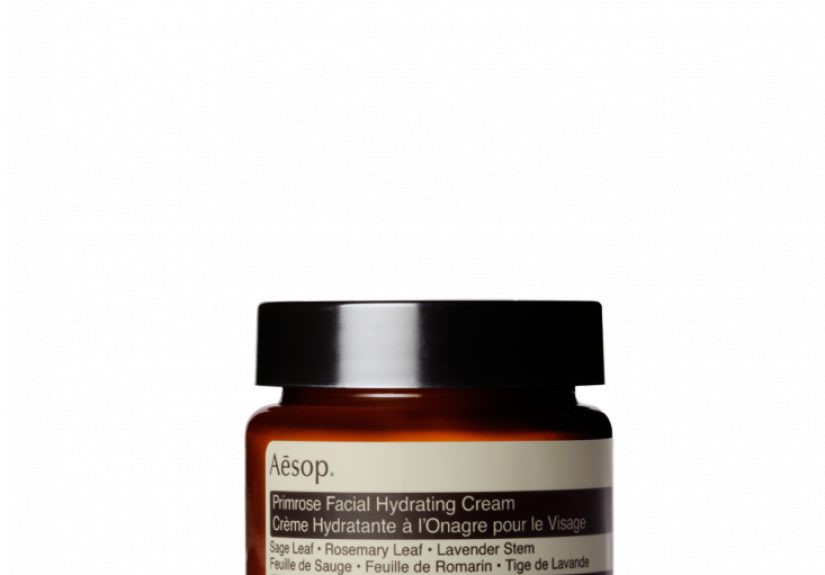
If your skin has ever looked at a lightweight gel moisturizer and said, “That’s cute, but I need adult supervision,” then Primrose Facial Hydrating Cream may sound like your kind of product. Most often associated with Aesop’s Primrose Facial Hydrating Cream, this moisturizer has built a reputation as a richer face cream for normal to dry skin, especially when winter winds are rude, office air-conditioning is relentless, or your complexion simply wants more comfort than a barely-there lotion can offer.
What makes this cream interesting is not just the elegant branding or the “I probably own a very expensive hand soap” energy. It is the formula profile. It combines humectants, nourishing plant oils, emollients, and a distinctly botanical aroma into a medium-weight cream that aims to leave skin soft, hydrated, and slightly dewy instead of flat, chalky, or tight. In other words, it tries to do what a good moisturizer should do: help the skin hold onto water, smooth the surface, and make your face feel less like parchment pretending to be a person.
This article takes a closer look at what Primrose Facial Hydrating Cream is, how the formula works, who it suits best, who may want to skip it, how to use it well, and what the real-life experience tends to be like. Because a pretty jar is nice, but a moisturizer still has to survive the two toughest tests in skincare: your climate and your face.
What Is Primrose Facial Hydrating Cream?
Primrose Facial Hydrating Cream is a richer facial moisturizer designed for skin that leans normal to dry and needs a stronger cushion of hydration than a lightweight gel or fluid can usually provide. The product is commonly described as a medium-weight cream with a soft, dewy finish, and it is especially associated with cooler seasons or dry environments. That positioning matters, because this is not trying to be an invisible, matte, barely-there hydrator for oily summer skin. It is trying to comfort, soften, and nourish.
That makes it appealing for people who often feel tightness after cleansing, notice flaky patches around the nose or cheeks, or find that lighter moisturizers seem to disappear five minutes after application. It can also suit someone who wants a moisturizer that feels substantial without crossing all the way into thick ointment territory.
The formula also reflects a classic moisturizer strategy: combine water-binding ingredients with oils and smoothing agents so the skin gets both hydration and a more flexible, comfortable surface feel. That is why this cream tends to be described as richer and more enveloping than many day lotions, but still easier to spread than a dense balm.
What’s in the Formula, and Why Does It Matter?
Humectants That Pull Water Toward the Skin
One of the standout workhorse ingredients in this kind of formula is glycerin. Glycerin is one of skincare’s least flashy but most dependable ingredients. It helps attract water, which is exactly what dry or dehydration-prone skin needs. If your face feels dull, tight, or rough, a humectant like glycerin helps tackle the “my skin forgot how to be plump” problem.
This is important because dry skin and dehydrated skin are not exactly the same thing. Dry skin lacks oil, while dehydrated skin lacks water. Many people deal with both at once, which is why a good moisturizer often needs more than one approach. Humectants help with water; richer oils and emollients help with comfort and softness.
Emollients and Oils That Add Cushion
The formula is also built around a mix of oils and emollient ingredients such as hazelnut seed oil, sweet almond oil, macadamia seed oil, squalane, evening primrose oil, and rosehip-derived ingredients. This is where the cream earns its cozy reputation. These ingredients help soften the feel of the skin, reduce that rough or papery texture, and create a smoother finish.
Squalane is especially popular in moisturizers because it helps improve softness and hydration without always feeling as heavy as some old-school greasy creams. Meanwhile, plant oils can make a formula feel more nourishing and flexible on the skin, which is great when your face is acting like it has been personally offended by cold weather.
Evening primrose oil also fits naturally into a product with this name and identity. In formula terms, it contributes to the cream’s nourishing, fatty-acid-rich character. That does not mean the cream is a miracle potion from a secret moonlit garden. It means the product is built to support softness and a more comfortable skin feel, especially for people who want a cream that feels substantial.
Botanical Essential Oils and the Scent Factor
Primrose Facial Hydrating Cream is also known for its floral, earthy, herbaceous aroma, which comes from botanical oils such as lavender, rosemary, and sage. For some users, that scent is part of the charm. The cream feels elegant, spa-like, and a little indulgent. For others, especially those with very sensitive skin, fragrance reactivity, rosacea-prone skin, or a history of irritation, this is the part of the formula that deserves caution.
That does not automatically make the cream “bad.” It just means this is not the safest pick for every face. Dermatology guidance often favors fragrance-free products for people with dry, sensitive, or easily irritated skin. So while the texture may be lovely, the aromatic profile means patch testing is the smart move.
Who Is This Cream Best For?
Primrose Facial Hydrating Cream makes the most sense for people with normal to dry skin who want a moisturizer that feels richer than a basic lotion but not as thick as a sleeping mask or petrolatum-heavy balm. It is especially appealing in cooler months, dry climates, over-air-conditioned spaces, and routines where the skin needs extra comfort.
It can also work well for someone whose skin barrier feels slightly stressed from travel, seasonal dryness, over-cleansing, or using active ingredients that make the face feel more delicate. Think retinoids, exfoliating acids, or a winter routine that accidentally turned your cheeks into tiny beige tumbleweeds.
People who enjoy sensorial skincare may also appreciate it more than those who simply want a no-drama moisturizer. This is not a purely clinical cream. It has texture, aroma, and presence. It wants to be noticed a little. If that sounds fun, great. If that sounds exhausting, you may be happier with a plain, fragrance-free barrier cream.
Who May Want to Skip It?
If your skin is oily, very acne-prone, highly reactive, or you live in a hot, humid climate, this cream may feel like too much. Not necessarily impossible. Just more than you may actually want. A dewy finish in a cool winter office can feel luxurious. A dewy finish on a sweaty July commute can feel like your moisturizer has entered into an unwanted long-term lease with your pores.
It may also be less ideal for people who are sensitive to fragrant botanical ingredients. Even when a formula feels nourishing, fragrance and essential oils can be a dealbreaker for some complexions. If your skin gets itchy, red, or stingy from scented products, there is a strong argument for choosing a fragrance-free moisturizer instead.
And if your main goal is purely barrier repair with minimal risk, a simpler cream with ceramides, no fragrance, and fewer botanicals may be the safer bet. Primrose Facial Hydrating Cream is best understood as a sensorial, richer moisturizer, not as the universal answer to every dry-skin problem ever invented.
How to Use Primrose Facial Hydrating Cream Well
The best way to use a cream like this is after cleansing, ideally when your skin is still slightly damp or after a hydrating toner or serum. Moisturizers generally work better when they are applied in a routine that helps trap existing moisture instead of being spread onto a completely dry face that already feels stripped.
A small amount usually goes a long way. A half teaspoon for face and neck is a common guideline for a richer cream, though many people will prefer less during the day and a slightly more generous amount at night. Massage it in gently rather than rubbing aggressively like you are trying to polish a countertop. Your face is skin, not stainless steel.
In the morning, follow it with sunscreen. That point matters because even the nicest moisturizer does not replace UV protection. At night, the cream can be the final step after serums or treatments. If your skin is especially dry, you may also use it over a hydrating serum to create a better layered approach.
And yes, patch test first if your skin is sensitive. That advice may sound boring, but so is having an irritated face for three days because a lovely botanical formula turned out to be your skin’s sworn enemy.
How It Compares With Lighter and Heavier Moisturizers
Compared with lightweight gels or fluid moisturizers, Primrose Facial Hydrating Cream offers more comfort, more cushion, and a longer-lasting sense of softness. It is a better fit when your skin feels dry in a real, tangible way rather than just mildly thirsty.
Compared with heavier barrier creams or ointment-style products, it is more elegant and cosmetically pleasant. It spreads more easily, absorbs more gracefully, and feels more like skincare than first aid. That makes it a strong middle ground for users who want richness without the full greasy drama of a slugging routine.
Where it loses points is universality. Fragrance-free barrier creams are often easier to recommend broadly because they suit more skin types, including very sensitive ones. Primrose Facial Hydrating Cream is more specific. It is better for the person who wants a richer cream with a sensorial botanical identity, not just a blandly effective hydration brick.
Pros and Cons at a Glance
What People Tend to Like
The texture feels substantial without being absurdly thick. The finish is soft and dewy. The formula contains a strong mix of moisturizing ingredients, and the cream can be especially satisfying in winter or on skin that feels tight after cleansing. Many people also enjoy the botanical scent because it makes the routine feel elevated.
What Gives Some People Pause
The scent and essential oils may not suit sensitive skin. The richness may be too much for oily or humid-climate use. And depending on your preferences, the cream may feel more “luxury comfort” than “clinical simplicity.” That is not a flaw, but it is a personality trait, and skincare products absolutely have personalities.
Experience Section: What Using Primrose Facial Hydrating Cream Can Feel Like in Real Life
The first experience many people have with a cream like Primrose Facial Hydrating Cream is relief. Not fireworks. Not choirs of angels. Just relief. You cleanse your face, and instead of reaching for a flimsy lotion that disappears before your mirror fog clears, you apply something that actually feels like it showed up to work. The cream has enough body to feel nourishing from the first pass, and for dry or normal-to-dry skin, that can be deeply satisfying.
In winter, the experience often becomes more obvious. You walk in from cold air, central heating, wind, and whatever seasonal nonsense your skin has decided to dramatize this week, and the cream feels like a soft blanket rather than a wet napkin. Cheeks that looked dull can appear a little more alive. Tightness around the mouth softens. Makeup may sit better because it is no longer clinging to dry patches like a toddler refusing to leave the playground.
Another common experience is that the finish feels “healthy” rather than matte. Some users love that. Skin looks comfortable, slightly luminous, and less flat. Others, especially if they prefer a shine-free complexion, may find that the cream reads a bit richer than expected. That reaction often depends on climate, skin type, and how much product is used. In a cool office or dry city, it can feel ideal. In hot, sticky weather, it may feel like the moisturizer is trying a little too hard.
The aroma is also a major part of the experience. For people who enjoy botanical skincare, the lavender-rosemary-sage profile can make daily moisturizing feel calming and luxurious. It turns a practical step into a ritual. But if you are sensitive to fragrant products, that same elegant scent can be the detail that makes the product a no-go. This is why user experience with the cream can vary so widely. For one person, it feels sophisticated. For another, it feels like a lovely jar of “absolutely not.”
There is also the layering experience. Some people find it perfect as a final step over a hydrating serum at night. Others prefer a smaller amount during the day and a fuller application before bed. If you use active ingredients like retinoids or exfoliating acids, a cream like this can feel especially welcome because it brings back softness and helps the skin feel less stressed. It does not erase every consequence of overdoing your skincare, but it can make your face feel more forgiving.
Then there is the subtle emotional experience, which skincare people rarely admit out loud but absolutely feel. A good moisturizer changes the mood of your routine. It makes your face feel finished, protected, and less vulnerable to the environment. Primrose Facial Hydrating Cream tends to fall into that category for users who like richer creams. It can make the routine feel more deliberate, more comforting, and frankly a little more expensive in a satisfying way.
Still, real-life experience is never one-size-fits-all. Someone with very dry skin may call it beautiful. Someone with combination skin may reserve it for winter nights only. Someone with reactive skin may admire the texture, patch test it, and then politely retreat to fragrance-free products forever. That does not make the product overrated or underrated. It just makes it specific. And specific is often better than pretending every cream is for everyone.
So if your experience with most moisturizers has been “nice, but my skin is still annoyed,” this cream may feel like a welcome upgrade. If your experience has been “my face panics when products are too rich or too scented,” it may feel like a mismatch. Either way, the real lesson is simple: the best moisturizer is not the one with the fanciest name. It is the one your skin actually enjoys living with day after day.
Final Verdict
Primrose Facial Hydrating Cream is best understood as a rich, dewy, botanically aromatic moisturizer for normal to dry skin that wants comfort, softness, and a more cushioned finish. It shines most in cooler weather, dry indoor environments, and routines where the skin needs more than a lightweight hydrator can offer.
Its biggest strengths are texture, nourishing oils, and a formula profile that supports lasting softness. Its biggest limitation is that it is not universally gentle for all skin types, especially if fragrance sensitivity is part of your skincare story. So the smartest recommendation is also the simplest: if you like richer creams and your skin tolerates aromatic botanicals, this is a compelling option. If your skin prefers the fragrance-free, minimalist life, respect that boundary. Your face has standards.