Table of Contents >> Show >> Hide
If your fruit routine has become a permanent rotation of apples, bananas, and whatever berries looked least bruised at the store, it may be time for a delicious little shake-up. There is absolutely nothing wrong with familiar fruit. But branching out can make healthy eating feel less like a chore and more like an edible adventure. Some fruits bring a serious dose of fiber. Others are loaded with vitamin C, antioxidants, potassium, or healthy fats. A few look like they were invented by a very imaginative cartoonist.
The real win is variety. Different fruits bring different nutrients, textures, and plant compounds to the table, which means mixing things up can help you build a more colorful, satisfying diet. And since many adults still fall short on recommended fruit intake, finding fruits you actually get excited about is not exactly a trivial life choice. It is a smart one.
Below, you will find 17 unique and nutritious fruits worth knowing, tasting, and probably bragging about a little. Some are tropical, some are seasonal, some are easier to find than you might think, and all of them can help make your plate more interesting.
Why unusual fruits deserve a spot in your kitchen
Unique fruits do more than make your produce drawer look fancy. They can help expand the range of vitamins, minerals, fiber, and antioxidants in your diet. Many also offer strong flavor with very little effort. Translation: you can feel wildly sophisticated while doing almost nothing more than slicing, scooping, or peeling. That is the kind of efficiency we respect.
17 unique and nutritious fruits to try
1. Dragon Fruit
Dragon fruit looks dramatic enough to deserve its own theme music, but it is more than a pretty face. Its mildly sweet flesh is a solid source of fiber, which can help support digestion and keep meals more satisfying. It is especially handy for people who want fruit that feels refreshing instead of syrupy sweet. Try it chilled, cubed into fruit salad, or blended into smoothies when your blender needs a little glamour.
2. Guava
Guava is one of the great overachievers in the fruit world. It is famously rich in vitamin C and also brings fiber and helpful plant compounds to the mix. The flavor can range from floral to sweet-tart, depending on the variety and ripeness. Eat it raw, add it to smoothies, or spoon it into yogurt. If you are tired of pretending oranges are your only vitamin C option, guava would like a word.
3. Passion Fruit
Passion fruit is small, wrinkly, and oddly intense in the best possible way. Inside, the juicy pulp and crunchy seeds deliver fiber along with vitamins A and C. The flavor is bright, tangy, and excellent for waking up a bowl of cottage cheese, chia pudding, or plain Greek yogurt. It is also a smart choice when you want something sweet that tastes bold without needing a giant serving.
4. Papaya
Papaya brings sunshine energy to the table. Its orange flesh contains vitamin C and carotenoid antioxidants, which are often associated with eye and immune support as part of a balanced diet. It is soft, mellow, and easy to eat fresh with lime juice. Papaya also works beautifully in smoothies or fruit salsa. If a cantaloupe and a tropical vacation had a nutritious child, this would be it.
5. Kiwifruit
Kiwi may be small, but nutritionally it punches well above its weight. It is rich in vitamin C and also offers fiber, vitamin E, and potassium. Green kiwi tastes bright and slightly tart, while gold kiwi is sweeter and softer. Either way, it is a strong pick for fruit bowls, parfaits, or just cutting in half and eating with a spoon like a civilized person with excellent produce priorities.
6. Pomegranate
Pomegranate seeds, also called arils, are juicy little ruby gems that bring fiber and antioxidant compounds to the party. They add crunch, color, and a tart-sweet pop that makes oatmeal, salads, and yogurt instantly more interesting. Pomegranate is one of those fruits that feels fancy enough for company but useful enough for weekday eating. Yes, getting the seeds out can be messy. No, that does not make the fruit less worth it.
7. Persimmon
Persimmons deserve better public relations. When ripe, they are sweet, silky, and rich with fall flavor. They also provide fiber and vitamins A and C. Fuyu persimmons can be eaten while still firm, which makes them great for slicing into salads or snacking like an apple. Softer varieties are lovely spooned straight from the skin. They taste a little like autumn decided to become dessert.
8. Jackfruit
Jackfruit is massive, dramatic, and surprisingly versatile. Ripe jackfruit is sweet and fruity, while young green jackfruit is often used as a meat substitute because of its texture. Nutritionally, ripe jackfruit offers fiber, vitamin C, potassium, and antioxidant plant compounds. It is a good reminder that fruit can be more than a side character. In some dishes, it walks right onto the main stage and steals the spotlight.
9. Lychee
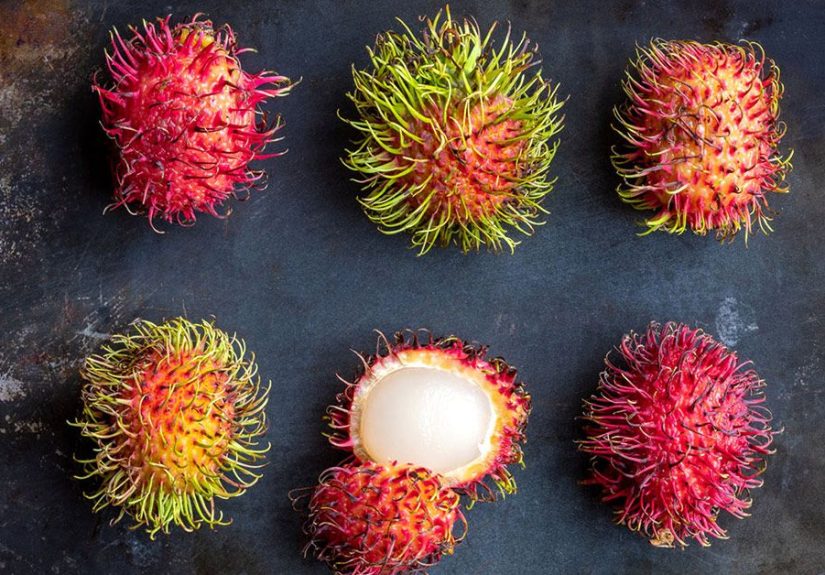
Lychee has a rough shell, translucent flesh, and a sweet floral flavor that feels almost perfume-like in the nicest possible way. It is a good source of vitamin C and contains antioxidants as well. Fresh lychee is excellent on its own, but it also works in fruit cups and chilled desserts. If you buy canned lychee, choose fruit packed in juice rather than heavy syrup so the sweetness does not become a full-time personality trait.
10. Soursop
Soursop has creamy white flesh and a tropical flavor that lands somewhere between pineapple, strawberry, and citrus. It provides fiber, vitamin C, potassium, and magnesium, making it a nutrient-dense option when available. Its soft texture makes it ideal for smoothies and frozen treats. One important note: enjoy the flesh, but avoid the seeds, which are not meant to be eaten. The fruit is lovely. The seeds are not invited.
11. Avocado
Yes, avocado is a fruit, and yes, it absolutely belongs on this list. Unlike most fruits, avocado is known for its healthy fats rather than its sweetness. It is also a good source of fiber, which helps make meals more filling. Its creamy texture makes it useful far beyond toast. Add it to grain bowls, salads, smoothies, or even desserts if you are feeling bold. It is savory, satisfying, and quietly nutritious.
12. Figs
Fresh figs are soft, jammy, and deeply underrated. They contain fiber along with minerals such as potassium and copper. Their natural sweetness makes them a strong alternative to heavily processed desserts when you want something that tastes indulgent but still offers nutritional value. Slice them over ricotta, pair them with nuts, or eat them plain. They are one of the few fruits that can feel rustic and luxurious at the same time.
13. Kumquats
Kumquats are tiny citrus fruits with a fun twist: you eat the peel. The skin is sweet, the inside is tart, and the whole experience is a little like citrus decided to get creative. Kumquats provide vitamin C and fiber, and their size makes portioning easy. Toss them into salads, slice them into sparkling water, or snack on them whole. They are bright, punchy, and impossible to describe without sounding slightly delighted.
14. Cherimoya
Cherimoya is often called a custard apple, and once you taste the creamy flesh, that nickname makes perfect sense. It offers fiber and minerals such as potassium and magnesium, both of which are useful in a balanced eating pattern. The flavor can remind people of banana, pineapple, and vanilla all at once. Eat the flesh chilled with a spoon, but skip the seeds and peel. This is not a whole-fruit freestyle situation.
15. Jujube
Fresh jujube is crisp like an apple, while dried jujube is chewy and date-like. Either way, it is a fruit worth knowing. It provides vitamin C and potassium, and its mild sweetness makes it easy to enjoy as a snack or chopped into grain bowls and oatmeal. Jujube has a long culinary history, but it still feels like a new discovery to many shoppers in the United States. That makes it both nutritious and conversation-ready.
16. Pomelo
Pomelo is the giant cousin of grapefruit, but it tends to taste milder and sweeter. It brings vitamin C, fiber, and a juicy texture that works beautifully in salads or as a refreshing snack. Because the segments are large and the pith is thick, prepping it takes a minute, but the payoff is worth it. Pomelo is the kind of fruit that makes you slow down a little, which is honestly not the worst thing.
17. Star Fruit
Star fruit, or carambola, wins the award for “most likely to make a fruit platter look professionally catered.” It is low in calories and offers fiber and vitamin C, while its crisp texture makes it refreshing in salads and salsas. That said, there is one important caution: people with kidney disease should avoid star fruit because it can be harmful for them. For everyone else, it can be a bright, juicy way to add variety.
How to enjoy more unique fruits without wasting money
You do not need to buy all 17 fruits in one heroic grocery trip. Start with one or two that are easy to find in your area. Choose fruit that is in season, buy frozen when it makes sense, and use strong-flavored fruits like passion fruit or pomegranate as accents if whole fresh fruit is pricey. Add unusual fruits to familiar foods such as yogurt, oatmeal, salads, smoothie bowls, and cottage cheese. That way, you get variety without needing a totally new routine.
Also, do not underestimate texture. Sometimes the reason a fruit becomes a repeat purchase has less to do with vitamins and more to do with the fact that it is crunchy, creamy, juicy, or fun to eat with a spoon. Nutrition matters, obviously, but pleasure matters, too. A fruit you genuinely enjoy is much more useful than a theoretically perfect fruit that sits untouched in your refrigerator until it becomes a science project.
Final thoughts on unique and nutritious fruits
The healthiest fruit is not a single magical specimen hidden in some tropical market three time zones away. It is the fruit you will actually eat, enjoy, and keep buying. Still, exploring unusual options can make healthy eating feel fresher, more colorful, and a lot less repetitive. Dragon fruit can add fiber. Guava and kiwi can boost vitamin C. Avocado brings healthy fats. Figs, pomelo, papaya, pomegranate, and the rest all add something different.
If your goal is to eat more whole foods, improve variety, and make your meals less boring, these 17 unique and nutritious fruits are a very good place to start. Your breakfast bowl gets an upgrade, your snack game gets less sad, and your produce drawer finally develops a personality.
Experience: what it feels like to actually eat your way through 17 unique and nutritious fruits
Trying more unusual fruit sounds wholesome and aspirational in theory, but in real life it often begins with standing in the produce aisle, holding something spiky, wrinkled, or oddly heart-shaped, and wondering whether you are about to discover your new favorite snack or make a terrible financial decision. That uncertainty is part of the fun.
The first experience most people notice is flavor surprise. Many of these fruits do not taste the way you expect. Dragon fruit looks like it should explode with candy-level sweetness, but it is actually subtle and refreshing. Passion fruit is tiny, yet the flavor hits with dramatic citrusy intensity. Persimmon can go from “What is this?” to “Why have I been ignoring this my whole life?” in one bite. Unique fruits have a way of resetting your palate and reminding you that produce does not have to be predictable to be good.
The second experience is texture, and honestly, texture does a lot of the heavy lifting. Kiwi is soft but lively. Pomegranate is crunchy and juicy at the same time. Cherimoya feels almost dessert-like. Kumquats are a full flavor roller coaster because the sweet peel and tart interior arrive together. Even avocado earns its cult following partly because it makes everything feel richer and more satisfying. Eating these fruits is not just about nutrients on paper. It is about enjoying foods that feel different in your mouth and keep healthy eating from becoming painfully boring.
Then there is the practical side. Some fruits are wonderfully low-maintenance. Kiwi, guava, and papaya are easy enough once you know how to cut them. Others demand a little patience. Pomegranates require commitment. Pomelos ask for peeling effort. Jackfruit can look like a project. But even that can become part of the experience. There is something oddly satisfying about learning how to open, slice, scoop, or section a fruit you once walked past without a second thought.
Another real-world benefit is that unusual fruits can make healthy habits feel less restrictive. When meals feel repetitive, it is easier to drift toward packaged snacks that are convenient but not especially exciting. Adding a new fruit to breakfast or an afternoon snack changes the mood. Suddenly, yogurt with passion fruit feels intentional. Cottage cheese with figs feels upgraded. A salad with pomelo or pomegranate feels like someone in your household has their life together. Even if that someone is only you for five minutes, it still counts.
Over time, the biggest experience may be variety itself. You stop thinking of fruit as one category and start noticing differences in sweetness, acidity, texture, ripeness, and satiety. You learn which fruits work best for quick snacks, which ones shine in smoothies, and which ones deserve to be eaten standing at the counter in complete silence so nobody asks for a bite. That kind of familiarity makes it easier to eat more fruit naturally, not because you are forcing yourself to be healthy, but because your options genuinely got more interesting.