Table of Contents >> Show >> Hide
- Why a Patio Wall Is a Game-Changer
- 1. Modern Wood Slat Privacy Wall
- 2. Vertical Garden Wall (Living or Faux)
- 3. Lattice Wall with Climbing Vines
- 4. Outdoor Curtains on a Pergola
- 5. Freestanding Privacy Screen Panels
- 6. Decorative Concrete or Stucco Wall
- 7. Mixed-Material Wall (Wood + Metal)
- 8. Bamboo or Reed Fencing Wrap
- 9. Laser-Cut Metal Privacy Panels
- 10. Built-In Planter Wall
- 11. Shelving or Niche Wall
- 12. Pergola Wall with Slats or Screens
- 13. Painted or Tiled Accent Wall
- 14. Glass or Acrylic Windbreak Wall
- 15. Water Feature Wall
- 16. Flexible “Zoned” Walls with Screens and Plants
- Practical Tips Before You Build Your Patio Wall
- Real-World Experiences: What Homeowners Learn from Building Patio Walls
If your patio currently feels like a stage and your neighbors are the audience, it’s time to give that outdoor space a backdrop. A well-designed patio wall does more than just block prying eyes. It sets the mood, frames your furniture, absorbs some noise, and makes the whole area feel like an outdoor room instead of a lonely slab of concrete.
The good news: you don’t need a massive masonry project or a huge budget to get there. From simple curtains to sculptural concrete and plant-covered vertical gardens, there are plenty of patio wall ideas that can dial up both privacy and style.
Below are 16 practical, design-forward patio wall ideas you can mix, match, and tweak for your own space, whether you’re working with a tiny balcony or a big backyard oasis.
Why a Patio Wall Is a Game-Changer
Think of your patio wall as the fourth wall of a stage set: it defines the space. The right design can:
- Create privacy from neighbors, sidewalks, alleys, and nearby windows.
- Block or redirect wind and harsh sun.
- Provide a backdrop for plants, lighting, and decor.
- Hide eyesores like AC units, trash bins, or pool equipment.
- Boost curb appeal and, potentially, home value.
With that in mind, let’s dive into 16 patio wall ideas that balance style, privacy, and practicality.
1. Modern Wood Slat Privacy Wall
A horizontal or vertical wood slat wall is the “little black dress” of patio privacy: simple, timeless, and ridiculously versatile. Thin, evenly spaced boards create a modern look that feels light and airy, not like a fortress.
Use weather-resistant species like cedar, redwood, or treated pine. You can stain the wood for a warm, natural aesthetic or paint it a bold color to make it a design feature. A slat wall works especially well behind a seating area, grill station, or hot tub. It also pairs beautifully with string lights and climbing plants.
For a budget-friendly route, consider pre-made horizontal privacy fence panels from big-box stores, then install them to frame your patio instead of along the property line. Many of these panels are designed to resist rot and insects, making them good long-term bets outdoors.
2. Vertical Garden Wall (Living or Faux)
If you love plants but don’t have much ground space, a vertical garden wall is both a privacy solution and a living piece of art. You can use modular wall planters, stacked planter boxes, or metal grids with pots clipped on.
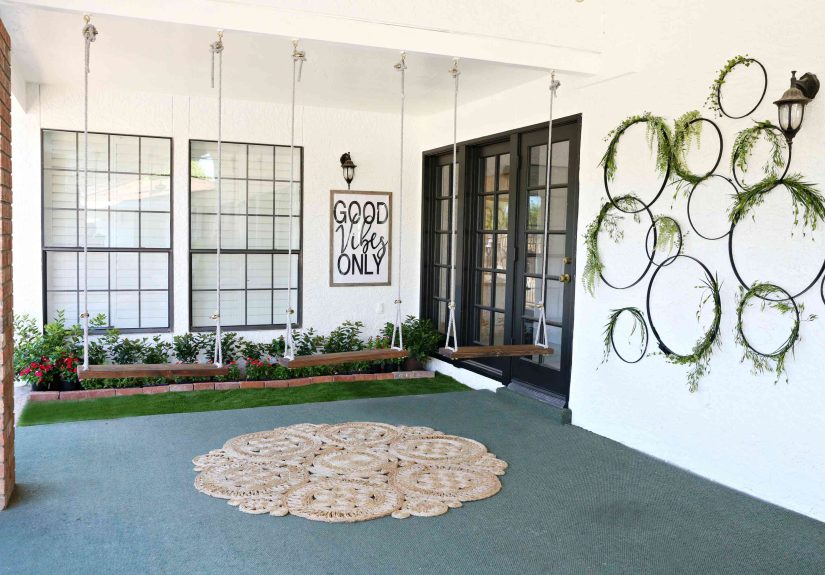
Plant trailing vines, herbs, ferns, or flowering annuals for lush coverage. For a low-maintenance version, consider high-quality artificial greenery panels that are UV-resistant and designed for exterior walls. They instantly soften a bare fence or stucco wall and stay green year-round without watering or pruning.
Vertical gardens are perfect for patios in urban areas where every square inch counts. Plus, they add some sound absorption and a cooling effect on hot days.
3. Lattice Wall with Climbing Vines
Lattice might be old-school, but it’s still one of the most charming ways to build a semi-private patio wall. Wooden or vinyl lattice panels allow light and air to pass through while blurring the view from outside.
Install lattice along the edge of your patio or between pergola posts, then plant climbers like jasmine, clematis, trumpet vine, or climbing roses at the base. Over time, they’ll weave themselves through the grid, creating a lush, fragrant green screen.
This is an excellent choice if you want a garden feel without building a solid walland it’s often easier to get past HOA or local height restrictions because it looks softer and more decorative than a solid fence.
4. Outdoor Curtains on a Pergola
Want instant privacy with zero heavy construction? Outdoor curtains are your new best friend. When hung from a pergola or wall-mounted track, they let you control privacy on demandopen for airflow, closed for “I’m hiding from the world” mode.
Choose weather-resistant fabrics that can stand up to UV rays and rain. Neutrals like white, sand, or gray feel airy and coastal, while deep colors like navy or charcoal add drama. Curtains also soften the hard edges of wood or metal structures and can help filter harsh afternoon sun.
Bonus: they’re removable. If you’re renting, this might be your easiest route to a private patio without upsetting the landlord.
5. Freestanding Privacy Screen Panels
If you don’t want to alter existing structures or build a permanent wall, freestanding privacy screens are incredibly flexible. These come as wood, metal, composite, or PVC panels with stakes or bases that sit right on the patio.
You can position them where you need the most coveragesay, between your lounge chairs and your neighbor’s kitchen windowor use them to hide specific eyesores like air conditioning units or trash bins.
Look for modular systems that can be expanded over time. Because they’re not permanent, they’re also a clever solution for renters or for patios that double as event spaces where you might change the layout seasonally.
6. Decorative Concrete or Stucco Wall
If you’re going for a permanent, architectural look, a low or mid-height concrete or stucco wall can make your patio feel like a boutique hotel courtyard. Concrete doesn’t have to be boringstamped textures, integrated benches, built-in planters, or a smooth stucco finish can all add character.
Use contrasting textures: a smooth stucco wall behind a textured concrete patio or a board-formed concrete wall that mimics wood grain. You can also incorporate ledges for lanterns, candles, or potted plants, turning the wall into a multifunctional design feature.
This option is best when you’re already planning a bigger hardscape project or building from scratch, but its durability and low maintenance are hard to beat.
7. Mixed-Material Wall (Wood + Metal)
Can’t decide between wood and metal? Combine them. A mixed-material patio walllike warm wood slats in a black powder-coated steel framegives you a custom, designer look without feeling too heavy.
Metal frames add structural strength and crisp lines, while wood panels keep things warm and welcoming. You can repeat the black metal in your outdoor furniture or light fixtures to tie the whole space together.
This style works particularly well with modern, industrial, or contemporary homes but can be softened with plants and textiles for a more relaxed vibe.
8. Bamboo or Reed Fencing Wrap
For an easy, tropical-inspired makeover, roll-up bamboo or reed fencing can be attached to an existing chain-link fence, railing, or basic wood fence. It’s lightweight, relatively affordable, and instantly changes the mood of the space.
Because bamboo and reed can weather over time, consider sealing them or treating them as semi-temporary decor that you refresh every few seasons. Layer in string lights, potted palms, and a few colorful outdoor pillows, and you’ll feel like you teleported to a beach resorteven if you’re actually three feet from the side of your garage.
9. Laser-Cut Metal Privacy Panels
If you want your patio wall to double as art, laser-cut metal screens are a showstopper. They come in geometric patterns, botanical motifs, or abstract designs that cast beautiful shadows when the sun or outdoor lighting hits them.
Mount them on posts as a freestanding screen, hang them from a pergola, or use them as inserts between wood posts. Many panels are made from powder-coated aluminum or steel for rust resistance and longevity.
These panels are especially striking when backlit at night, turning your patio wall into a glowing, patterned backdrop for evening gatherings.
10. Built-In Planter Wall
A planter wall combines structure with greenery. Think of a low retaining wall topped with tall planters or a staggered arrangement of box planters that create a layered barrier.
Use tall grasses, bamboo (in containers to control spread), or evergreen shrubs to form a “soft wall” of foliage. This approach gives you seasonal interest and texture while screening specific sightlines.
If your patio is small, narrow planters along one edge can still provide substantial privacy without hogging too much floor space.
11. Shelving or Niche Wall
Instead of a plain flat wall, create shallow niches or add outdoor shelving. This turns your patio wall into a display zone for lanterns, potted succulents, sculptures, or outdoor-safe decor.
Even a simple wood frame with shelves attached to a fence can make the space feel more curated and intentional. When the shelves are partially filled, they help break up sightlines while still letting some light and air through.
12. Pergola Wall with Slats or Screens
If you already have a pergola, you’re halfway to having a patio wall. Add vertical or horizontal slats to one or more sides, or attach decorative screens to create a semi-enclosed “room.”
This works especially well when you want privacy in a specific directionlike from a second-story neighbor or a nearby streetwithout enclosing the whole structure. Combine solid elements with open spaces so you keep breezes and views where you want them.
13. Painted or Tiled Accent Wall
Sometimes the patio wall you need is already thereit just needs a makeover. A fresh coat of exterior paint in a bold color, a mural, or a patterned tile installation can make a basic wall the star of the show.
Use outdoor-rated tile for a durable, water-resistant feature behind a bar area or seating zone. Mediterranean-style patterned tiles, for example, can add instant vacation energy to an otherwise neutral patio.
Even if you only tile a portion of the wallsay, a central section behind your sofait can visually define the space and make it feel more finished.
14. Glass or Acrylic Windbreak Wall
If your main issue is wind rather than nosy neighbors, a glass or clear acrylic patio wall can shield the space without blocking views. This is common on rooftop patios or decks where scenery is a big selling point.
Use frosted or tinted panels if you want a bit more privacy. Just be sure to use materials rated for exterior use and wind loads, and have them professionally installed for safety.
This type of wall looks sleek and minimal, so it pairs well with modern furniture and clean lines.
15. Water Feature Wall
Want privacy, sound masking, and a bit of drama? A water wall or fountain built into your patio wall checks every box. The sound of falling water helps drown out neighborhood noise and creates a relaxing atmosphere.
Designs range from sleek, sheet-style water walls over stone or tile to rustic, stacked-rock fountains. If plumbing isn’t in the budget, there are self-contained, recirculating units that can sit against a wall and still give you that soothing water sound.
Just keep in mind maintenance: you’ll need to clean pumps and manage algae, especially in sunny climates.
16. Flexible “Zoned” Walls with Screens and Plants
If your patio is large or serves multiple purposes, you don’t need one big wallyou might need several smaller ones to define zones. Use a mix of privacy screens, planters, and low walls to separate dining, lounging, and play areas.
For example, you could create a low concrete or brick wall with built-in seating on one side, then add taller planters and a freestanding screen at the back of a lounge area. This layered approach feels more organic than a single tall barrier while still giving you privacy where you actually use it.
It also allows more flexibility over time. If you rearrange your furniture or add a hot tub, you can reposition the movable screens and planters instead of tearing out a permanent structure.
Practical Tips Before You Build Your Patio Wall
- Check local codes and HOA rules. Many areas regulate fence and wall heights, especially near property lines.
- Plan for drainage and airflow. Solid walls can trap heat and block breezesslats or gaps might be more comfortable.
- Think about sun direction. A wall on the wrong side can accidentally block your best natural light.
- Choose materials for your climate. Humid, coastal, or desert environments age materials differently.
- Layer lighting. Add sconces, string lights, or uplights so your wall still looks great after dark.
Real-World Experiences: What Homeowners Learn from Building Patio Walls
Design ideas are great, but the real wisdom usually shows up after people actually live with their patio walls for a while. Here are some experience-based lessons and “I wish I’d known that sooner” moments that can help you avoid common mistakes.
1. Privacy Is About Angles, Not Just Height
Many homeowners assume they need the tallest wall possible to feel private. In reality, privacy is about blocking specific sightlines. One couple in a suburban neighborhood realized that the only real problem was a second-story bedroom window across from their dining area. Instead of building an eight-foot fence around the whole patio, they installed a seven-foot wood slat wall in just one corner and added a tall planter with bamboo. That small, targeted change made the patio feel secluded without making the yard feel boxed in.
The takeaway: before you build, sit in your favorite patio chair and note exactly where you feel “watched.” Design your wall to block those angles first, then decide if you really need more height or coverage elsewhere.
2. Light and Breeze Matter More Than You Think
It’s easy to get focused on privacy and forget that you still have to enjoy the space. Homeowners who build completely solid walls sometimes discover their cozy nook now feels dark, hot, and stuffyespecially on small patios.
People who’ve lived with both solid and semi-open walls often report they prefer designs that let light and air through: slats, lattice, or screens with patterns. These offer enough privacy for most situations without turning your patio into a windless, sun-baked box. If you live in a hot climate, consider blocking low, harsh afternoon sun while leaving the upper part of the wall more open so heat can escape.
3. Maintenance Is RealFactor It In Upfront
That gorgeous dark-stained wood wall you saw online? It may look less glamorous after a few harsh seasons if you’re not prepared to restain or seal it. Homeowners frequently report underestimating how much maintenance natural wood can require, especially in humid or coastal regions.
If you love the look of wood but not the upkeep, consider composites, metal-framed designs, or mixed materials that reduce the amount of exposed wood. For living walls and vertical gardens, think about watering access and drainage from day onedrip irrigation often pays for itself in saved time and healthier plants.
4. Temporary Solutions Can Be Surprisingly Effective
Not everyone is ready for a permanent build. Renters and DIY beginners often start with outdoor curtains or freestanding screens and discover that those “temporary” solutions meet 90% of their needs. For example, hanging curtains on a simple wire or rod across a balcony can completely transform how comfortable it feels to use the space in the evening.
Another real-world trick: modular screen panels that can move with you. Several homeowners have used these to block views from the worst angle (hello, neighbor’s driveway) and then brought the screens along when they moved to a new home.
5. Noise Is a FactorBut You Have Options
People living near busy streets, schools, or shared driveways often discover that privacy is about sound as much as sight. While no patio wall will completely soundproof your yard, thicker materials like masonry, gabion walls filled with stone, or layered plantings can noticeably soften noise.
Some homeowners swear by layering: a solid wall or fence, plus a row of shrubs or tall grasses in front, plus a small water feature. The combination of physical barriers and pleasant sound (like a fountain) makes conversations and relaxation feel more comfortable, even in busier neighborhoods.
6. The Wall Can Anchor Your Entire Design
Another common realization: once the wall is up, the rest of the patio design comes together much more easily. A defined backdrop makes it simpler to choose furniture, rugs, and decor because you now have a clear focal point.
Homeowners often start with a simple slat wall, then decide to add string lights, a mounted TV, or shelves for plants. That one structural element effectively turns the patio into an outdoor living room. If you’re feeling stuck on how to style your patio, starting with the wallrather than the furniturecan unlock the entire design.
7. Start Small, Then Upgrade
A lot of successful patios don’t begin with a big construction project. Homeowners start with something smalla few tall planters, a bamboo wrap over an existing fence, or a curtain on one side of the pergolaand then observe how the space feels.
After a few weeks of use, you’ll know whether you want more coverage, more height, or just better lighting. That feedback loop is priceless and can help you avoid expensive missteps. Over time, you can upgrade to more permanent solutions like concrete, mixed-material walls, or custom metal screens, knowing exactly how you’ll use them.
In short, the best patio wall is the one that fits how you actually live. Whether you go for sleek modern slats, lush green walls, or decorative screens that double as art, treat your patio wall as a key design elementnot an afterthoughtand your outdoor space will feel more private, stylish, and inviting every single day.