Table of Contents >> Show >> Hide
- Why “Perfectly Normal” Foods Can Turn on You
- The 10 Biggest Food Categories That Can Cause Diarrhea
- 1) Lactose-Heavy Dairy (Milk, Ice Cream, Soft Cheeses)
- 2) Sugar Alcohols (Sorbitol, Mannitol, Xylitol, Erythritol)
- 3) Super-Sugary Drinks and High-Fructose Foods
- 4) Fried, Greasy, and High-Fat Meals
- 5) Spicy Foods (Hot Peppers, Hot Sauce, Curry Bombs)
- 6) Alcohol (Beer, Wine, Spirits)
- 7) Caffeine (Coffee, Energy Drinks, Some Teas and Sodas)
- 8) Gas-Producing Veggies and Legumes (Especially Raw)
- 9) Sorbitol-Rich Fruits and Dried Fruit (Prunes, Apples, Pears)
- 10) “High-Risk” Foods for Food Poisoning (Not a Food SensitivityAn Infection)
- How to Tell Which Food Is the Culprit
- What to Eat Instead When Your Stomach Is Already Upset
- When Diarrhea Is a Red Flag (Not Just “Something I Ate”)
- Conclusion
- Real-Life Experiences: What It Actually Feels Like (And What People Learn)
Diarrhea is your digestive system’s way of saying, “I would like to file a complaint.” Sometimes the complaint is legitimate (hello, food poisoning). Sometimes it’s more like your gut saw a spicy burrito and hit the “fast-forward” button. Either way, if you’ve ever sprinted to the bathroom like it was an Olympic event, you’ve probably wondered: Was it something I ate?
The short answer: often, yes. Certain foods can pull extra water into the intestines, speed up digestion, irritate the gut lining, or trigger sensitivities like lactose intolerance or IBS. And some foods don’t cause diarrhea by themselves they carry germs that do.
Quick safety note (because your colon is not a DIY project): if diarrhea is severe, lasts more than a few days, is bloody/black, or comes with signs of dehydration (dizziness, dry mouth, not peeing much), contact a healthcare professional.
Why “Perfectly Normal” Foods Can Turn on You
Diarrhea after eating usually happens for one (or more) of these reasons:
- Osmotic effect: certain sugars/sweeteners draw water into the gut.
- Motility boost: caffeine and some spices can speed intestinal movement.
- Irritation: alcohol, spicy foods, and high-fat meals can irritate your GI tract.
- Malabsorption/sensitivity: lactose, fructose, or FODMAP triggers can upset sensitive guts.
- Infection: contaminated foods can cause infectious diarrhea (foodborne illness).
The 10 Biggest Food Categories That Can Cause Diarrhea
Everyone’s “trigger list” is different. Think of the categories below as the usual suspects in the lineupsome people can eat them daily with zero drama; others get a stomach performance review within hours.
1) Lactose-Heavy Dairy (Milk, Ice Cream, Soft Cheeses)
If dairy makes you gassy, bloated, and suddenly very familiar with your bathroom tiles, lactose may be the culprit. Lactose intolerance happens when your body doesn’t make enough lactase (the enzyme that breaks down lactose). Undigested lactose ferments in the coloncue cramps, gas, and loose stools.
Common diarrhea triggers in this category
- Milk (especially large servings)
- Ice cream (delicious… and sometimes dangerous)
- Soft cheeses and creamy sauces
- Protein shakes made with milk
Smarter swaps
- Lactose-free milk or lactase enzyme tablets
- Hard cheeses (often lower in lactose) and dairy alternatives (if you tolerate them)
- Smaller portionsyour gut may tolerate “some,” not “a dairy parade”
2) Sugar Alcohols (Sorbitol, Mannitol, Xylitol, Erythritol)
Sugar alcohols are the “sneaky” sweeteners in sugar-free gum, candies, and some protein bars. They’re popular because they taste sweet with fewer caloriesbut they can also act like a laxative for certain people. If you’ve ever had “sugar-free” mints and then regretted every life choice you’ve made, congratulations: you’ve met the sugar-alcohol effect.
Where they hide
- Sugar-free gum and candies
- “Keto” desserts and bars
- Some “diet” ice creams and baked goods
- Toothpaste/mouth products (usually swallowed in tiny amountsbut kids sometimes don’t get the memo)
How to spot them
Check ingredient lists for words ending in “-itol” (sorbitol, mannitol, xylitol). If your stomach tends to be sensitive, treat these like a “try small first” situation.
3) Super-Sugary Drinks and High-Fructose Foods
When a drink is loaded with simple sugars, your intestines may pull in extra water to balance things outresulting in loose stools. Fructose can be a particular troublemaker for some people, especially when consumed in large amounts (think big cups of sweet tea, fruit punch, or soda). In kids, frequent juice intake can also contribute to chronic loose stools (“toddler’s diarrhea”), especially juices higher in sorbitol or fructose.
Common examples
- Soda and sweetened iced tea
- Fruit punch, “ades,” and sweet coffee drinks
- Large servings of fruit juice (especially if it’s your main beverage)
- Candy and packaged desserts eaten in big amounts
Smarter swaps
- Water, oral rehydration solutions, or low-sugar electrolyte drinks (especially if you’re already having diarrhea)
- Smaller servings of juice, diluted with water
4) Fried, Greasy, and High-Fat Meals
Greasy foods can be rough on digestion. Fat takes longer to break down, and for some people it can lead to faster movement through the gutor trigger the colon to release extra fluid. If your diarrhea tends to strike after fast food, pizza, or fried chicken, your digestive system might be staging a protest against grease.
Common examples
- Fried foods (fries, fried chicken, donuts)
- Very cheesy pizza or heavy cream sauces
- Rich takeout meals with lots of oil
- Large portions of fatty meats
Smarter swaps
- Grilled, baked, or roasted options
- Smaller portions (your gut likes reasonable boundaries)
- Pair with bland starches if you’re already feeling off (rice, toast, potatoes)
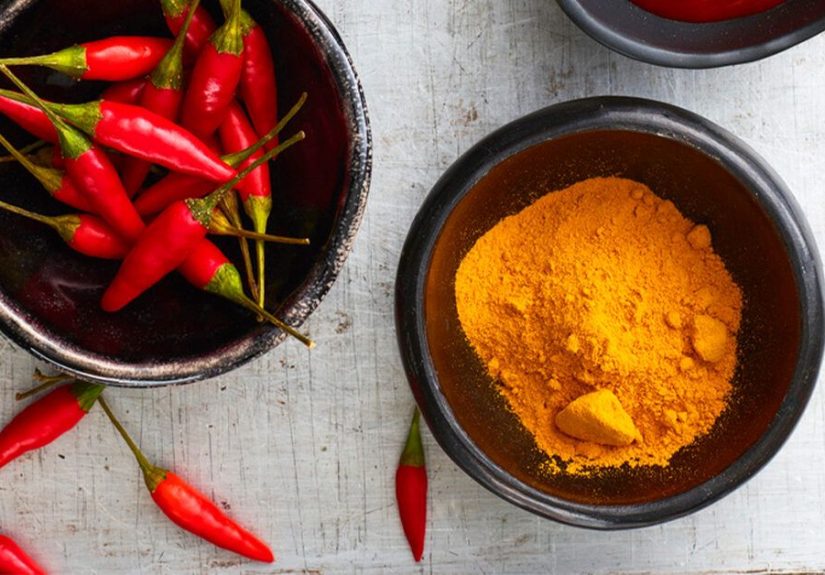
5) Spicy Foods (Hot Peppers, Hot Sauce, Curry Bombs)
Spicy foods don’t “burn a hole” in your stomach, but capsaicin (the compound that makes peppers hot) can irritate the digestive tract and speed things upespecially for people with sensitive guts or IBS. Translation: your intestines may decide they’d rather not “marinate” in that heat.
Common examples
- Hot wings, extra-hot ramen, and chili-heavy dishes
- Very spicy curries and pepper-laden sauces
- Spicy snacks (chips, spicy nuts) eaten in large amounts
Smarter swaps
- Dial down the heat and build flavor with herbs, ginger, or mild spices
- Eat spicy foods with bland sides (rice, bread) to reduce irritation
- If you’re prone to diarrhea after eating spicy foods, save “level 10 heat” for days you’re not leaving the house
6) Alcohol (Beer, Wine, Spirits)
Alcohol can irritate the gut lining and also disrupt fluid balance (it can be dehydrating). For some people, it speeds intestinal motilitymeaning less time for water to be absorbed, and more urgency. Beer can be a double-whammy: alcohol plus carbonation plus certain carbohydrates that sensitive guts may not love.
Common examples
- Multiple drinks in a short time (especially on an empty stomach)
- Sugary cocktails (alcohol + sugar = gut chaos for some)
- Beer for people who are sensitive to certain carbs or carbonation
Smarter swaps
- Drink slowly, eat something simple, and alternate with water
- If diarrhea is already happening, skip alcohol until you’re fully recovered
7) Caffeine (Coffee, Energy Drinks, Some Teas and Sodas)
Caffeine can stimulate the digestive systemsometimes a little too enthusiastically. Coffee is famous for triggering a bowel movement, and for some people it can tip into diarrhea, especially in large amounts. Energy drinks can be even more intense because they may combine high caffeine with sweeteners and acids.
Common examples
- Strong coffee on an empty stomach
- Multiple energy drinks
- Large iced coffees loaded with sugar alcohols or lots of sugar
Smarter swaps
- Try half-caf, smaller servings, or switch to lower-caffeine options
- If you’re actively having diarrhea, caffeine can worsen dehydrationconsider pausing it temporarily
8) Gas-Producing Veggies and Legumes (Especially Raw)
Vegetables are healthy. Your gut agrees… most of the time. But certain veggies and legumes can create gas and bloating, and if your intestines are already irritated (or you have IBS), a big raw salad or a bowl of beans can lead to looser stools.
Common examples
- Beans, chickpeas, lentils (especially large portions)
- Broccoli, cauliflower, Brussels sprouts
- Big raw salads when your stomach is already upset
Smarter swaps
- Choose cooked vegetables (they’re gentler)
- Start with smaller portions and increase gradually
- If you’re recovering from diarrhea, keep fiber moderate until stools normalize
9) Sorbitol-Rich Fruits and Dried Fruit (Prunes, Apples, Pears)
Some fruits naturally contain sorbitol (a sugar alcohol) and other compounds that can loosen stools. Prunes are the classic examplepeople literally use them to relieve constipation. Apples and pears (and their juices) can also be troublesome for sensitive guts, especially in large servings.
Common examples
- Prunes and prune juice
- Large amounts of apple or pear juice
- Dried fruit (concentrated sugars + fiber)
Smarter swaps
- Try bananas, melon, or small servings of other fruits you tolerate better
- Eat fruit with a meal rather than alone (some people tolerate it better)
10) “High-Risk” Foods for Food Poisoning (Not a Food SensitivityAn Infection)
Sometimes diarrhea isn’t a sensitivity at allit’s your immune system reacting to germs in contaminated food or drink. The food category matters here because some foods are more likely to carry harmful bacteria, viruses, or parasites if they’re undercooked, mishandled, or unpasteurized.
Common examples
- Undercooked poultry, meat, or eggs
- Unpasteurized (“raw”) milk and products made from it
- Raw or undercooked shellfish
- Unwashed produce or cross-contaminated foods (cutting board hazards are real)
Smarter swaps
- Cook meats to safe internal temperatures and avoid cross-contamination
- Choose pasteurized dairy
- Be cautious with raw seafood, especially if you’re pregnant, older, immunocompromised, or have chronic conditions
How to Tell Which Food Is the Culprit
If your diarrhea is clearly “after eating,” a little detective work goes a long way:
- Track timing: Did symptoms hit within hours (possible food poisoning or caffeine/spice trigger) or after repeated exposures (like lactose)?
- Check patterns: Does it happen with dairy? Sugar-free snacks? Greasy takeout?
- Watch portions: Many triggers are dose-dependent. A little might be fine; a lot might be chaos.
- Consider your baseline: IBS, recent stomach bugs, antibiotics, or stress can lower your “tolerance threshold.”
What to Eat Instead When Your Stomach Is Already Upset
When diarrhea hits, your priorities are hydration and calm, easy-to-digest foods. Many clinicians recommend bland, low-fat choices for a short time, then gradually returning to your normal balanced diet as symptoms improve.
Gentler options
- Rice, toast, crackers, potatoes
- Bananas and applesauce (if tolerated)
- Broth-based soups
- Lean proteins (baked chicken, turkey, eggs if tolerated and well-cooked)
Hydration matters
Water is great, but if you’ve had multiple watery stools, consider oral rehydration solutions or electrolyte drinks to replace salts as well as fluids.
When Diarrhea Is a Red Flag (Not Just “Something I Ate”)
Seek medical care if diarrhea is severe, bloody, or persistent, or if you have high fever, severe abdominal pain, or dehydration symptoms. Food poisoning can be serious for young children, older adults, pregnant people, and anyone with a weakened immune system.
Conclusion
“Foods that cause diarrhea” isn’t a one-size-fits-all listbut it is a very practical starting point. Lactose, sugar alcohols, high-fructose drinks, greasy meals, spicy foods, alcohol, caffeine, gassy veggies, sorbitol-rich fruits, and contaminated high-risk foods account for a huge chunk of “why is my stomach doing this?” moments.
The good news: once you know your triggers, you can usually prevent repeat episodes with small tweaksportion control, smarter swaps, and safe food handling. And if symptoms don’t improve or feel intense, don’t try to power through it. Your body is asking for help, not a motivational speech.
Real-Life Experiences: What It Actually Feels Like (And What People Learn)
Most people don’t figure out their diarrhea triggers from a textbook moment. It’s usually more like a series of mildly comedic tragedies followed by a very serious vow to “never eat that again” (until next month). Here are common patterns people describeplus the lessons that tend to stick.
The “I’m totally fine with dairy” era… until it isn’t. A lot of adults don’t realize lactose tolerance can change over time. Someone might drink milk daily in college, then hit their late 20s or 30s and start noticing that a latte plus a cheesy breakfast sandwich equals a mid-morning emergency. The turning point is often ice creambecause ice cream is both a joy and a lactose-heavy dare. People usually learn that the fix isn’t “never enjoy life again,” but “choose lactose-free milk, take lactase, and maybe don’t stack a milkshake on top of pizza night.”
The sugar-free snack betrayal. This one is legendary: a person switches to sugar-free gum or “keto” candy, congratulates themselves, and then wonders why their intestines are acting like they’re trying to evacuate the building. It’s not uncommon for someone to connect the dots only after it happens twicebecause the brain is powerful, and denial is a form of optimism. The lesson: those “-itol” ingredients are not always a problem, but they are often a problem in large doses. People who learn their threshold tend to keep sugar alcohols as an occasional treat, not an entire food group.
Greasy takeout + stress = the perfect storm. A lot of diarrhea episodes are “combo-trigger” events. Someone eats fried food after a stressful day, washes it down with coffee, and then acts shocked when their gut throws a tantrum. Over time, many people notice that their tolerance is lower when they’re sleep-deprived, anxious, traveling, or recovering from a recent stomach bug. They learn to treat their digestion like a budget: if you’re spending in one category (stress), don’t also splurge in another (grease + caffeine).
The spicy-food confidence test. Plenty of people love spicy food and do great with ituntil they try a new hot sauce that is clearly made of lava and bravado. The experience is often described as “tastes amazing, regret arrives later.” People who keep loving spicy foods usually learn to pace it: spice level that’s enjoyable, not a competitive sport; eat it with rice or bread; avoid stacking multiple spicy items in one meal; and don’t go extreme when they already have stomach irritation.
The “it was the food… but also the germs.” When diarrhea comes with fever, severe cramps, or lasts longer than expected, many people realize this wasn’t a sensitivityit was likely a foodborne illness. The experience tends to change habits fast: more careful handwashing, avoiding cross-contamination on cutting boards, skipping raw milk, and being picky about undercooked meat or sketchy leftovers. It’s not about fear; it’s about not wanting a repeat performance.
The most helpful habit people adopt: a simple food-and-symptom note on their phone. Not foreverjust long enough to identify patterns. The goal isn’t to restrict everything. It’s to find the handful of triggers that reliably cause diarrhea and keep them from hijacking your day. Once people pinpoint their top two or three culprits, they typically feel more in control, travel more confidently, and stop playing “guess the cause” every time their stomach gets dramatic.