Table of Contents >> Show >> Hide
- Why Corner Toilets Work in Small Bathrooms
- Before You Buy a Corner Toilet
- The 10 Easy Pieces
- 1) Signature Hardware Eastpointe Dual-Flush Corner Toilet
- 2) Signature Hardware Regent Dual-Flush Corner Toilet
- 3) Findepot ER-CT-1-D Corner Toilet (Home Depot)
- 4) The Renovators Supply “Sheffield” Corner Toilet (Elongated)
- 5) The Renovators Supply “Sheffield” Corner Toilet (Round)
- 6) Magnus Home Products Lawen Corner Toilet
- 7) Magnus Home Products Seneca Corner Toilet
- 8) SUPERFLO Compact Corner Bathroom Toilet (Wayfair)
- 9) Momei Dual-Flush One-Piece Corner Toilet (Wayfair)
- 10) Toro Chevington Corner Toilet (Wayfair)
- How to Choose the Right Corner Toilet for Your Bathroom
- 500+ Words of Real-World Experience With Corner Toilets in Compact Bathrooms
- Final Thoughts
Small bathrooms are a design puzzle. You need a toilet, obviously, but you also need to open the door without body-checking the bowl, reach the vanity without performing yoga, and preserve at least a tiny illusion of calm. That’s where corner toilets come in. They’re the underappreciated geometry nerds of bathroom design: same basic job, smarter footprint.
In this guide, we’ll break down how corner toilets work, what to measure before you buy, and 10 real models worth considering for compact bathrooms. Some are sleek and modern, some are practical workhorses, and a few are the kind of fixture that makes guests say, “Wait… why doesn’t everyone do this?”
This article is written for homeowners, renters planning upgrades, and anyone trying to make a tiny powder room feel less like a broom closet with plumbing. We’ll keep it practical, a little funny, and very useful.
Why Corner Toilets Work in Small Bathrooms
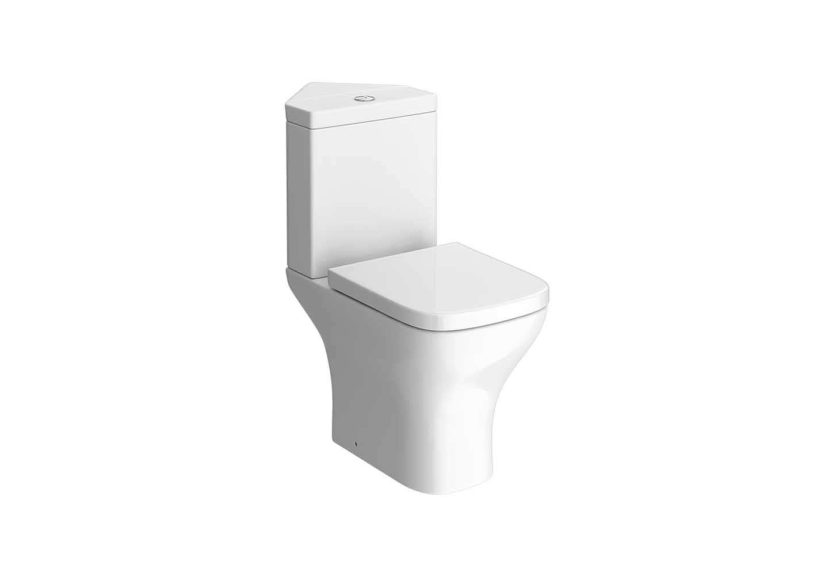
A corner toilet uses a triangular tank (or a tank designed to fit diagonally) so the fixture can sit into the corner of the room rather than square against a flat wall. That simple shift can free up surprisingly valuable floor space in front of the toilet and along adjacent walls. In tight bathrooms, that may be the difference between a door that swings properly and a door that bumps into the toilet every single day (which gets old by Tuesday).
Corner toilets are especially useful in:
- Powder rooms with awkward door swings
- Basement bathrooms tucked into odd floor plans
- Attic conversions where walls and ceiling lines eat up usable space
- Small en-suites where every inch matters
They’re still a niche category in the U.S., which means selection is smaller than standard toilets. But the options are better than many people assume, and there are now several dual-flush, soft-close, and even compact elongated models available.
Before You Buy a Corner Toilet
1) Measure the rough-in first (and yes, it matters a lot)
The rough-in is the distance from the finished wall to the center of the drain/closet bolts. In U.S. homes, 12 inches is standard, but 10-inch and 14-inch rough-ins still show up in older houses. Corner toilets often list a 12-inch rough-in, so measure before you click “Add to Cart” and before you start emotionally redecorating the whole room.
2) Round bowl vs. elongated bowl
For compact bathrooms, bowl shape is a big decision. Round bowls are usually better for tight layouts because they project less into the room. Elongated bowls add comfort, but they need more space. The good news: some brands now offer compact elongated corner models, which split the difference nicely.
3) Water efficiency and dual-flush options
Toilets are a major source of indoor water use, so efficiency matters. WaterSense-labeled toilets are designed to use less water while maintaining good performance. If you’re shopping for a corner toilet, a dual-flush model is often the sweet spot: lower water use for liquid waste, full flush when you need it.
4) Height and comfort
Seat height can make a small bathroom feel more comfortable, especially in aging-in-place remodels or family homes. Many buyers look for “chair height” or “comfort height” models. If accessibility is a priority, compare product seat height and installation location with ADA requirements and your local code.
5) Layout clearance still matters
A corner toilet saves space, but it doesn’t suspend physics. You still need usable clearance around the toilet, room for a person to sit comfortably, and space for door swing, vanity access, and cleaning. The best compact bathrooms work because the whole layout is planned together, not because one fixture has magical powers.
The 10 Easy Pieces
Below are 10 corner toilet options and configurations that stand out for compact-bathroom use. I’ve included a mix of round and elongated bowls, one-piece and two-piece designs, and different style levelsfrom “clean and simple” to “unexpectedly fancy.”
1) Signature Hardware Eastpointe Dual-Flush Corner Toilet
The Eastpointe is one of the best-known corner toilets in the U.S. market, and for good reason: it’s a purpose-built corner model with a compact footprint, elongated bowl, and dual-flush functionality. It’s often used in small bathrooms where comfort still matters, because elongated bowls are more comfortable than round bowls for many adults.
Why it works in compact bathrooms: the tank is designed specifically for corner installation, and the overall depth/projection is manageable for tight floor plans. It’s a strong “main bathroom in a small footprint” choice when you don’t want a tiny-feeling toilet.
- Best for: Small full bathrooms that need an elongated bowl
- Highlights: Dual-flush, 12-inch rough-in, compact corner design
- Style note: Traditional-meets-clean, not overly modern
2) Signature Hardware Regent Dual-Flush Corner Toilet
The Regent is another solid corner option from Signature Hardware, and it’s a great example of how corner toilets can still feel substantial and not “tiny-house novelty.” It has an elongated bowl, dual-flush setup, and a 12-inch rough-in. The shape is classic, so it blends well with transitional and traditional bathrooms.
If your compact bathroom needs to feel like a real grown-up bathroom (not a temporary workaround), the Regent has that “normal toilet, smarter placement” vibe. It also comes with a seat included, which sounds minor until you realize how many bathroom purchases turn into three extra purchases.
- Best for: Traditional or transitional small-bath remodels
- Highlights: Elongated bowl, corner configuration, seat included
- Watch-out: Always confirm current stock and availability
3) Findepot ER-CT-1-D Corner Toilet (Home Depot)
This Findepot model is a practical pick for budget-conscious remodels. The product listing calls out a 12-inch rough-in, dual-flush (1/1.6 GPF), elongated bowl, and soft-close seat. That’s a nice combo for compact bathrooms, especially when you want convenience without chasing specialty showroom pricing.
It’s the kind of model that works well in rental upgrades, basement bathrooms, or utility-minded remodels where the goal is simple: save space, keep the install straightforward, and avoid a lot of extra parts shopping.
- Best for: Value-oriented remodels and small secondary bathrooms
- Highlights: Dual flush, elongated bowl, soft-close seat
- Bonus: Big-box availability can simplify delivery/returns
4) The Renovators Supply “Sheffield” Corner Toilet (Elongated)
The Sheffield elongated version is a strong option for people who want a more traditional silhouette but still need corner placement. Renovators Supply lists a corner-ready footprint and a 12-inch rough-in, and the brand also markets Sheffield variants with water-saving dual-flush features.
This one sits in a nice middle ground: it doesn’t look ultra-contemporary, but it still gives you the practical benefits of a space-saving corner install. If your bathroom style leans classic or cottage, Sheffield can fit in more naturally than a very modern one-piece unit.
- Best for: Classic-style compact bathrooms
- Highlights: Corner design, elongated bowl format, water-saving options
- Good match with: Pedestal sinks and traditional faucets
5) The Renovators Supply “Sheffield” Corner Toilet (Round)
Need maximum space savings? The round-bowl Sheffield variant is the one to look at. Round bowls project less into the room, which matters in tight powder rooms and narrow bathrooms where every inch of clearance affects comfort.
This model family is frequently listed with dual-flush and WaterSense-friendly positioning, plus a 12-inch rough-in and soft-close seat. For many compact bathrooms, this is the smarter move than forcing an elongated bowl into a layout that can’t support it.
- Best for: Very tight powder rooms and narrow layouts
- Highlights: Round bowl, dual-flush, 12-inch rough-in
- Pro tip: Round bowls often improve door and knee clearance
6) Magnus Home Products Lawen Corner Toilet
The Lawen is a compact, round-bowl corner toilet that works especially well in small bathrooms where the fixture needs to tuck in neatly without dominating the room. Magnus lists a 12-inch rough-in and a single-flush 1.6 GPF configuration, along with a compact overall profile.
If your priorities are footprint first, style second, the Lawen deserves attention. It has a tidy look and is a good choice when the main goal is reclaiming floor space and improving movement in a cramped layout.
- Best for: Tight bathrooms where compact size is priority #1
- Highlights: Round bowl, compact dimensions, 12-inch rough-in
- Watch-out: Single-flush may use more water than newer dual-flush models
7) Magnus Home Products Seneca Corner Toilet
The Seneca is a more flexible pick because Magnus offers round and elongated options. That’s a big advantage when you’re matching the toilet to a very specific room shape. The brand also lists a dual-flush setup and a 12-inch rough-in, making it a strong modern upgrade option.
In real-world remodeling, flexibility is everything. If you’re not sure whether your layout can handle elongated, a model line that comes in both shapes gives you a safer path during planning.
- Best for: Buyers choosing between round and elongated footprints
- Highlights: Dual flush, 12-inch rough-in, multiple bowl shapes
- Design vibe: Practical modern, easy to pair with clean finishes
8) SUPERFLO Compact Corner Bathroom Toilet (Wayfair)
The SUPERFLO corner toilet is a compact two-piece option that packs in a lot of what small-bathroom shoppers want: dual flush, soft-close seat, 12-inch rough-in, and an elongated bowl. The Wayfair listing also shows a compact overall size, which makes it a useful option for space planning.
It’s a nice choice for people who want the comfort of an elongated bowl but still need a relatively compact corner setup. Think of it as “small bathroom compromise, but not a bad one.”
- Best for: Compact bathrooms that can still fit elongated
- Highlights: Two-piece, dual flush, soft-close seat
- Good for: Everyday family bathrooms with limited floor area
9) Momei Dual-Flush One-Piece Corner Toilet (Wayfair)
If you prefer a cleaner modern look, the Momei one-piece corner toilet is worth a look. One-piece toilets are often easier to wipe down (fewer seams, fewer awkward crevices), which matters in a small bathroom where cleaning space is already tight.
The listing includes dual flush, soft-close seat, elongated bowl, and a 12-inch rough-in. It’s a good fit for modern powder rooms, updated apartments, or minimalist remodels where the toilet needs to blend in rather than visually crowd the space.
- Best for: Modern small bathrooms and easier cleaning
- Highlights: One-piece body, dual flush, elongated bowl
- Style note: Cleaner visual lines than many two-piece corner models
10) Toro Chevington Corner Toilet (Wayfair)
The Toro Chevington is a round-bowl corner toilet that’s a smart pick for truly compact layouts. The Wayfair specs show dual flush, soft-close seat, and a 12-inch rough-in, with dimensions that make it easier to fit into tighter spaces than many elongated alternatives.
This is a strong “I need this bathroom to function, not just look pretty” option. It’s especially appealing in powder rooms and small guest baths where people won’t be sitting for extended reading sessions anyway. (No judgment. We all know someone.)
- Best for: Powder rooms and guest bathrooms with tight clearance
- Highlights: Round bowl, dual flush, compact footprint
- Why it wins: Round bowl + corner placement is a space-saving double play
How to Choose the Right Corner Toilet for Your Bathroom
Pick the footprint before you pick the finish
It’s tempting to shop by style first. Resist. In compact bathrooms, the dimensions decide everything. Start with your layout and clearances, then choose the model that fits. A plain toilet that fits beautifully will always look better than a gorgeous toilet that makes the room awkward.
Use round bowls when the room is really tight
Round bowls are often the best move for powder rooms. They save projection space and can improve the “walk path” into the room. If your bathroom is so tight that the vanity and toilet are in an ongoing cold war, round bowl is your peace treaty.
Choose elongated only when the layout supports it
Elongated bowls are more comfortable and often feel more premium, but only if the room can accommodate them. Compact elongated models are a great compromise, but still measure carefullyespecially if you have an inward-swinging door.
Look for dual-flush + WaterSense-minded performance
Dual-flush is especially attractive in guest and family bathrooms because it trims water use without sacrificing convenience. If a WaterSense-labeled model is available in your preferred size and style, it’s usually worth choosing.
Don’t skip installation planning
Corner toilets can be straightforward to install, but they’re still plumbing fixtures, and local code requirements apply. If your supply line, shutoff valve location, baseboard profile, or floor flange position is odd, a licensed plumber can save you from the “weekend project that becomes a lifestyle” problem.
500+ Words of Real-World Experience With Corner Toilets in Compact Bathrooms
One of the most common experiences homeowners report after installing a corner toilet is simple: the bathroom suddenly feels usable. Not bigger on paper, not magically luxurious, but genuinely easier to move through. In many small bathrooms, the old toilet sits like a traffic cone in the middle of the room. A corner model shifts that traffic pattern and makes everyday routines smoother.
A typical example is a small powder room near the kitchen or entryway. Before the upgrade, the door may open only halfway, or guests have to angle sideways to close it. After switching to a corner toilet, that same room often gains a cleaner path from the door to the sink. People notice it immediately. The room feels less cramped, and the toilet stops being the first thing you see when the door opens.
Another common experience comes from basement bathrooms. Basement layouts are often awkward because mechanical lines, support walls, or low ceilings force compromises. Homeowners who use corner toilets in basement remodels often say the change helped them fit a slightly better vanity, add shelving, or simply create enough standing space to dry off after a shower without elbowing the wall. In a basement, that’s a major victory.
Families also tend to notice a difference in cleaning. In compact bathrooms, the less visual clutter and crowding around the toilet, the easier it is to clean floors and wipe surfaces. Many buyers who choose one-piece corner toilets mention that the smoother body is easier to maintain, while others prefer two-piece models because they’re often more affordable and easier to replace part-by-part later. Either way, the biggest win is usually access: if you can reach around the toilet without acrobatics, cleaning becomes less annoying.
There are also a few lessons people learn the hard way. First: measure everything, including door swing, not just the rough-in. More than one homeowner has installed a new corner toilet and then realized the vanity drawer no longer opens fully. Second: check the seat shape before buying replacement seats. Round vs. elongated sounds obvious until you’re standing in a store aisle holding the wrong box. Third: confirm the supply line position and baseboard depth, especially in older homes. Tiny wall details can affect how neatly a corner toilet sits.
For aging-in-place remodels, corner toilets can be surprisingly helpful because they create better maneuvering space, especially when paired with a compact vanity and a thoughtful door choice (like an outswing or pocket door). Homeowners planning ahead often say the best part isn’t the toilet itselfit’s what the corner placement allows them to do around it, such as adding grab-bar reinforcement, a wider path, or simply reducing clutter.
Finally, there’s the emotional side of the upgrade. Small bathrooms are easy to ignore because they feel like “problem rooms.” But when a corner toilet solves the layout issue, people often get motivated to improve the rest: better lighting, a mirror with storage, a brighter paint color, maybe even a tiny shelf that doesn’t bang into anyone’s shoulder. In other words, the toilet becomes the domino that makes the whole room work.
And that’s really the experience most people want: not a fancy fixture for bragging rights, but a bathroom that feels less frustrating every single day.
Final Thoughts
Corner toilets are one of the smartest upgrades for compact bathrooms because they solve a layout problem that standard toilets can’t. They won’t make a tiny bathroom huge, but they can make it work betterand in small-space design, that’s often the whole game.
Start with measurements, decide whether you need round or elongated, prioritize a 12-inch rough-in match, and choose a model with the flush performance and height that fits your household. Once the toilet is in the right place, the rest of the bathroom design suddenly gets much easier.
In short: if your bathroom feels cramped, a corner toilet isn’t a weird idea. It’s probably the correct one.