Table of Contents >> Show >> Hide
- When a Wedding Dress Stops Being a Dress
- Why the Sister’s Reaction Felt So Tone-Deaf
- “You Could Have Waited” Sounds Reasonable, But Only in Theory
- What Women Often Do With Dresses After Broken Engagements
- The Bigger Lesson: Family Can Be Compassionate Without Being Possessive
- Why This Story Resonates Beyond Weddings
- Final Takeaway
- Additional Experiences Related to Stories Like This
- SEO Tags
There are few objects more emotionally loaded than a wedding dress. It is part fashion, part fantasy, part very expensive proof that at one point you really believed your future had a seating chart. So when a viral family dispute exploded over one woman cutting up her unworn gown after her relationship fell apart because of cheating, the internet did what it does best: grabbed popcorn, picked sides, and turned one dress into a full-blown referendum on grief, entitlement, and whether “family” is a magic word that unlocks other people’s closets.
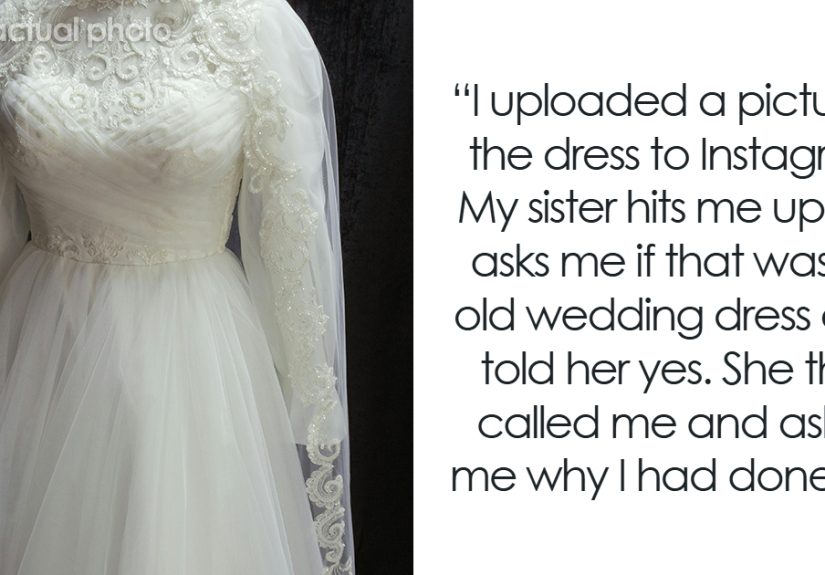
At the center of the story was a woman whose wedding never happened after her fiancé cheated. Instead of preserving the gown like a museum artifact of heartbreak, she had it altered into something wearable and useful. Her sister was furious because she had apparently hoped to use the dress herself and felt the owner should have waited before making it permanently unavailable. That complaint sounds practical for about six seconds. Then reality barges in wearing sensible shoes: a wedding dress tied to betrayal is not just fabric. It is a trigger, a memory capsule, and in some cases an emotional landmine with lace.
This is why the story struck such a nerve. On the surface, it looked like an argument about thrift and timing. Underneath, it was about who gets to decide what healing should look like. Spoiler alert: probably the person whose life got hit by the emotional tornado.
When a Wedding Dress Stops Being a Dress
A wedding gown is rarely “just a dress,” even when the marriage never happens. It usually carries weeks or months of planning, money, family input, body-image anxiety, fittings, photos, and a carefully constructed vision of the future. Once infidelity enters the picture, that same gown can transform from treasured keepsake into evidence from a crime scene, minus the yellow tape and dramatic soundtrack.
That helps explain why the sister’s argument landed badly for so many readers. Saying, “You could have waited,” might sound calm and reasonable if you are discussing leftover cake or a borrowed air fryer. It falls apart when the item in question is wrapped up in humiliation, betrayal, and a wedding that never happened. Healing is not a customer service queue. People do not have to preserve their pain in climate-controlled storage just because a relative might someday want a discount bridal option.
Cheating Changes the Meaning of Objects
Infidelity does more than end trust; it can rewrite the emotional meaning of ordinary things. A song becomes unbearable. A restaurant becomes cursed. A date on the calendar starts looking like a jump scare. A wedding dress can go from dream purchase to ghost costume overnight. That is one reason many people do something physical after heartbreak: box things up, move furniture, delete photos, donate gifts, or yes, alter the dress.
There is a practical reason for this too. Physical action can create emotional momentum. When life feels out of control, making one concrete choice can feel like reclaiming the steering wheel. It will not fix everything, but it can stop the mind from circling the same miserable parking lot for weeks.
Why the Sister’s Reaction Felt So Tone-Deaf
Let’s be honest: the sister was not wrong for noticing a nice dress existed. She was wrong for acting as though future interest gave her an emotional stake in someone else’s property. That is where the story stops being about budget and starts being about entitlement dressed up as practicality.
Family disputes over wedding clothes show up online constantly for the same reason they escalate in real life: weddings are symbolic, expensive, and weirdly good at turning opinions into ultimatums. One person sees a gown and thinks, “Sentimental heirloom.” Another sees “something that could save me $800.” Neither perspective is automatically evil. The problem begins when the second person treats the first one’s feelings like an inconvenience.
Borrowing Is Not the Same as Being Owed
Some families treat clothing, jewelry, and event items like a communal inventory. That can work when everybody shares the same values and respects the word no. But when a sister assumes she has a claim on a dress she did not buy, did not wear, and did not cry over, the issue is no longer generosity. It is boundary erosion with a bridal train.
That is also why internet commenters often say, “This is not about the dress.” They are usually right. The dress is the stage prop. The real conflict is whether one family member is allowed to make a decision without being guilt-tripped, overruled, or cast as selfish for refusing to preserve someone else’s options.
“You Could Have Waited” Sounds Reasonable, But Only in Theory
The most fascinating part of the title phrase is how reasonable it sounds from a distance. Of course she could have waited. People can always wait. They can wait to move out, wait to block the ex, wait to return the ring, wait to explain themselves to relatives, wait until everyone else feels comfortable. The problem is that waiting often benefits the observers more than the person actually carrying the hurt.
Waiting would have kept the dress intact. It also would have kept the emotional burden intact. The original owner would still have to see it, store it, explain it, and live with the possibility that her most painful symbol was being placed on reserve for somebody else’s happy ending. That is not patience. That is emotional warehousing.
And let’s not ignore timing. Post-breakup grief is messy, but it is also intensely personal. Some people need a year. Some people need a weekend and a pair of fabric scissors. Neither path is automatically immature. The more useful question is not, “Why did she do it so soon?” but, “Why did anyone else believe they had veto power?”
What Women Often Do With Dresses After Broken Engagements
The viral story also tapped into a broader truth: plenty of women do not want an unworn wedding gown sitting in a closet like a haunted lampshade. That is why the post-wedding and post-engagement dress world is much bigger than people assume. Preservation is one option, but it is hardly the only one.
1. Preserve It
Some people absolutely want to preserve the dress, either because the garment still means something good to them or because they want time before deciding. That route makes sense when the dress represents hope, craft, beauty, or future family history rather than heartbreak. Professional preservation matters here because delicate fabrics can discolor, stretch, or trap invisible stains if they are stored poorly.
2. Sell It
Others want cash, closure, and closet space in that order. Selling a wedding dress can feel gloriously practical, especially after a canceled wedding that already burned through time and money. There is something deeply satisfying about turning emotional chaos back into actual currency.
3. Donate It
Donation appeals to people who want the dress to have a second life without having a starring role in theirs. For some, that feels generous. For others, it feels symbolic: this chapter is over, but something good can still come from it.
4. Repurpose It
Repurposing may be the most emotionally interesting option because it turns the dress into a new story instead of a sealed relic. Fabric scraps can become purses, robes, veils, keepsake pieces, home décor, or entirely new garments. That is not destruction for the sake of drama. It is transformation with a needle and a boundary.
And honestly, that is probably why this story traveled so far. People understood the emotional logic immediately. Altering the dress was not a tantrum. It was a declaration that the garment would no longer be an altar to a man who blew up the wedding before the vows even had a chance to embarrass the DJ.
The Bigger Lesson: Family Can Be Compassionate Without Being Possessive
Healthy families do not require everyone to process pain in the same way. They also do not treat sentimental objects as public utilities. A more compassionate reaction from the sister might have been: “I’m sorry you’re going through this. Do whatever helps you move forward.” Notice how that sentence contains support, respect, and no attempt to reserve the merchandise.
That does not mean the sister was a cartoon villain. She may have been thinking financially. She may have loved the dress. She may have been disappointed that a potential hand-me-down vanished before she could ask again. All of that can be true. But disappointment is not the same thing as injury. The woman who got cheated on was dealing with a wrecked future. The sister was dealing with a missed bargain. These are not the same emotional tax bracket.
Boundaries Are Not Meanness in a Fancy Font
One reason stories like this keep exploding online is that many people are still deeply confused about boundaries. A boundary is not punishment. It is not a speech, not a grudge, and not a glitter-covered middle finger. It is simply a limit that protects someone’s emotional or mental well-being. “I’m altering my dress.” “No, you can’t use it.” “I’m not discussing this anymore.” Those are boundaries. They may be inconvenient for other people, but inconvenience is not oppression.
In fact, the healthiest version of family loyalty is not unlimited access. It is mutual respect. Sometimes love looks like sharing. Sometimes it looks like backing off and keeping your opinions away from somebody else’s trauma souvenirs.
Why This Story Resonates Beyond Weddings
Even readers who have never touched tulle recognized the emotional blueprint. This was never only about bridal fashion. It was about what happens when one person tries to reclaim control after betrayal and another person mistakes that act for selfishness. That pattern shows up everywhere: family homes, inherited jewelry, baby names, vacations, even holiday traditions. One person is trying to survive a hard chapter. Another is already calculating how the leftovers can be redistributed.
That tension is what makes the story feel so modern. People increasingly understand that healing is not always pretty, slow, or universally approved. Sometimes it looks graceful. Sometimes it looks like deleting every photo, changing your locks, and turning a wedding dress into a cocktail-length reminder that your life did not end just because your fiancé’s judgment did.
Final Takeaway
The woman in this story did not ruin a family treasure. She made a decision about her own property after her own heartbreak on her own timeline. That is called agency, not cruelty. The sister’s frustration was understandable in the narrowest possible logistical sense, but emotionally, she was reading from the wrong script.
If there is one lesson here, it is this: after cheating, people do not owe the world a waiting period before they start rebuilding. Not for the family. Not for appearances. Not for the person who thought they might look great in the dress next spring. Sometimes closure comes in therapy. Sometimes it comes in a donation receipt. Sometimes it comes in a tailor’s studio with a seam ripper, a deep breath, and the sudden realization that the future can still fit beautifully, even after you cut away what no longer belongs.
Additional Experiences Related to Stories Like This
What makes stories like this feel so real is that the details change, but the emotional pattern rarely does. In many broken-engagement situations, the first wave of pain is the obvious one: the cheating, the humiliation, the calls to vendors, the awkward texts, the family members who suddenly become amateur therapists after watching exactly three relationship videos online. But the second wave is often stranger and more exhausting. It is the moment when other people start treating the leftovers of your heartbreak like open inventory.
Some women describe staring at the dress for weeks because they cannot decide whether it is sacred, cursed, or just expensive. Others move fast because they know that if they leave it untouched, it will dominate the room like a satin-covered ghost. A lot of real-life experiences sit somewhere in the middle. One person keeps the gown boxed for a year, then finally donates it after realizing she feels lighter every time she gets rid of something from that chapter. Another turns lace from the hem into a clutch or robe because she wants the beauty of the dress without the emotional weight of the original plan. Someone else sells the gown and uses the money for a solo trip, which is either healing, iconic, or both.
Then there is the family layer, which can be unbelievably complicated. Siblings sometimes mean well but still manage to sound wildly insensitive. A sister may think she is offering a practical solution by saying, “At least the dress can still be used.” A mother may decide that preserving peace is more important than respecting ownership. An aunt may start talking about “waste” before the bride has even finished grieving. These reactions do not always come from cruelty. Sometimes they come from discomfort. People hate sitting with another person’s pain, so they start problem-solving before they have earned the right to.
That is why so many women in similar situations say the most helpful responses are surprisingly simple. Not advice. Not strategy. Not an emergency plan for the gown. Just basic human decency: “I’m sorry.” “That must hurt.” “Do whatever feels right for you.” Those responses create room. Pressure does the opposite. It makes the injured person feel like she now has to manage her own heartbreak and everybody else’s expectations at the same time, which is a truly terrible two-for-one deal.
There is also a strange freedom that can come after the decision is finally made. Once the dress is altered, sold, donated, or preserved, the mental noise often quiets down. The object stops being a question mark. It becomes a choice. And that shift matters. In the aftermath of betrayal, agency is priceless. It reminds people that while they did not control the cheating, they still control what happens next. Sometimes that next step is dramatic. Sometimes it is practical. Either way, it belongs to them, not the relatives hovering nearby with opinions, budgets, and suspiciously convenient ideas about who should inherit the lace.