Table of Contents >> Show >> Hide
- What Exactly Is a Yellow Jacket?
- Yellow Jacket Sting Symptoms
- Yellow Jacket Sting Treatment: What to Do Right Away
- When to See a Doctor or Get Emergency Help
- What Not to Do: Common Myths That Don’t Help
- Yellow Jacket Sting Allergy: How to Know If You’re at Risk
- How to Avoid Yellow Jacket Stings
- Special Situations
- Quick Symptom-to-Action Guide
- Frequently Asked Questions
- Conclusion: Be Prepared, Not Paranoid
- Real-Life Experiences and Lessons (Extended Section)
Yellow jackets are basically the tiny flying bouncers of late summer: loud, persistent, and totally unimpressed by your personal space. If you’ve ever tried to enjoy a picnic while one aggressively audits your lemonade, you already know the vibe. And when yellow jackets sting, they don’t do it politelymany species can sting more than once, and some will recruit their friends like it’s a group project.
The good news: most yellow jacket stings are painful and annoying but manageable at home. The serious news: a small number of people can have a dangerous allergic reaction that needs emergency care. This guide covers what a yellow jacket sting feels like, what to do next, when to worry, and how to lower your odds of getting “chosen” in the first place.
What Exactly Is a Yellow Jacket?
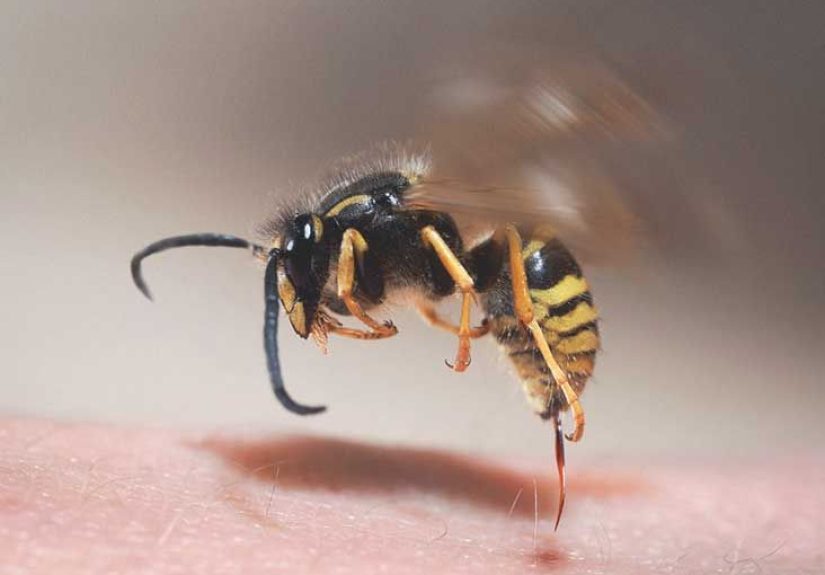
Yellow jackets are wasps (not bees). They’re often mistaken for honey bees because of the yellow-and-black look, but their behavior gives them away: yellow jackets are typically smoother, faster, and far more interested in your food and trash can than in flowers.
They also tend to defend their nests aggressively. Nests can be in the ground, inside wall voids, under eaves, or in other hidden spotsmeaning you can get stung simply by stepping in the wrong place while mowing, gardening, hiking, or taking out the trash.
Yellow Jacket Sting Symptoms
1) Typical (Local) Reaction
This is the “most people” category. Symptoms usually start quickly and stay near the sting site:
- Immediate sharp pain or burning
- Redness around the sting
- Swelling (often mild to moderate)
- Itching as the area calms down
- Warmth and tenderness
These symptoms often improve over a few hours, though swelling can hang around longer depending on where you were stung (hands, feet, face, and joints can swell more noticeably).
2) Large Local Reaction
A large local reaction is still usually not life-threatening, but it can look dramatic: swelling expands beyond the sting site (for example, a sting on the forearm leads to swelling up toward the elbow). It can peak over 24–48 hours and take several days to settle. This can be miserable, especially if the sting is near an eye, lip, or on a finger where swelling feels extra tight.
3) Allergic Reaction (AnaphylaxisEmergency)
A true systemic allergic reaction can involve the whole body and may be life-threatening. Watch for symptoms such as:
- Trouble breathing, wheezing, or tightness in the throat/chest
- Swelling of the lips, tongue, or face away from the sting site
- Widespread hives or intense itching across the body
- Dizziness, fainting, confusion, or “I don’t feel right” weakness
- Severe stomach symptoms (cramps, vomiting, diarrhea) along with other allergic signs
If you suspect anaphylaxis, treat it as an emergency. If the person has an epinephrine auto-injector, use it right away and call 911. Do not “wait and see.”
Yellow Jacket Sting Treatment: What to Do Right Away
Step 1: Get to a Safer Spot
If you’re near a nest or multiple wasps, calmly move away. Swatting can make things worse. Think “exit the situation,” not “win the argument.”
Step 2: Check for a Stinger (Usually Not There)
Yellow jackets typically don’t leave a stinger behind like honey bees can. But it’s still smart to look. If you see anything embedded, gently remove it. Don’t squeeze the area.
Step 3: Wash the Area
Use soap and water to clean the sting site. This helps reduce the chance of skin irritation or infection from scratching later.
Step 4: Cold Compress = Your Best Friend
Apply a cold pack or a cloth with ice (wrappeddon’t put ice directly on skin) for about 10–20 minutes at a time. This can reduce pain and swelling.
Step 5: Reduce Itch and Swelling
Common over-the-counter options include:
- Oral antihistamines for itching and hives (follow the package directions; ask a parent/guardian or pharmacist if you’re unsure)
- Hydrocortisone cream or calamine lotion for localized itch
- Pain relievers like acetaminophen or ibuprofen (use as directed, especially for kids/teens)
If the sting is on an arm or leg, gently elevate it to help with swelling.
Step 6: Keep Yourself From Turning It Into a Scratch-Festival
Scratching increases irritation and can break the skin. If itching is intense, focus on cooling, topical anti-itch options, and distractions (yes, this is your permission slip to watch something comforting).
When to See a Doctor or Get Emergency Help
Call 911 (Emergency) If:
- You have signs of anaphylaxis (breathing trouble, throat tightness, fainting, widespread hives, swelling of lips/tongue/face)
- You were stung many times, especially if you feel sick, weak, or short of breath
- The sting is in the mouth or throat (swelling can affect breathing)
- The person has a known severe allergy and symptoms starteven if they already used epinephrine
Contact a Clinician Soon If:
- Swelling keeps expanding rapidly or becomes very painful
- You notice signs of infection later (increasing redness, warmth, pus, fever)
- You had a systemic reaction beyond the sting site (hives elsewhere, wheezing, dizziness)
- You’re stung often due to work/hobbies and want a prevention plan
What Not to Do: Common Myths That Don’t Help
- Don’t try to “suck out” venom. It’s not a movie scene; it’s just extra irritation.
- Don’t use harsh chemicals (bleach, gasoline, etc.) on the skin. Your skin didn’t sign up for that.
- Don’t apply extreme heat or unproven home “hacks” that can burn skin.
- Don’t ignore allergic symptoms. If breathing or throat symptoms show up, it’s emergency time.
Yellow Jacket Sting Allergy: How to Know If You’re at Risk
You can be stung several times in life and have only local swelling, then one day have a bigger reactionor you may always have mild reactions. A history of systemic symptoms (not just swelling at the sting) is a reason to talk with a healthcare professional or allergist.
Venom Immunotherapy (Allergy Shots)
If you’ve had a serious allergic reaction to stings, an allergist may discuss venom immunotherapy (allergy shots). This treatment can reduce the risk of severe reactions from future stings for many people. It’s not a DIY projectit’s a medical plan tailored to your history and testing.
How to Avoid Yellow Jacket Stings
Avoidance isn’t about living indoors forever (though yellow jackets do make a strong case for it). It’s about reducing the stuff that attracts them and avoiding accidental nest run-ins.
Food and Drinks: Picnic-Safe Habits
- Cover sweet drinks and use cups with lids and straws when outside.
- Keep food covered until you’re ready to eat.
- Clean up fast: wipe sticky spills, and don’t leave plates out “for later.”
- Check cans before sippingyellow jackets can crawl inside (annoying and potentially dangerous if stung in the mouth).
Trash and Outdoor Areas
- Use tight-fitting trash lids and rinse recyclables when possible.
- Keep outdoor eating areas clean, especially under tables and around grills.
- Avoid lingering near dumpsters or open bins during peak season.
Clothing and Scent
- Wear shoes outdoors (ground nests + bare feet = classic bad combo).
- Choose less-fragrant hair and body products when you’ll be outside.
- Avoid bright, floral prints if yellow jackets are active nearby (it can draw attention).
Yardwork and Hiking: Don’t Surprise a Nest
- Scan for steady in-and-out insect traffic near holes in the ground, eaves, or wall gaps.
- Be extra careful when mowing, trimming hedges, or moving wood/rocks.
- If you spot a nest, keep your distance and consider professional removalespecially for large or hard-to-reach nests.
Do Yellow Jacket Traps Work?
Traps can reduce local numbers in some situations, especially when placed strategically away from where people gather. But traps are not magic forcefields. The most effective approach is usually a combo: remove attractants (food/trash), avoid nest zones, and use professional help for active nests near living areas.
Special Situations
Stings on the Face, Lips, or Near the Eye
These can swell dramatically and look scary. Cold compresses and anti-itch measures help, but seek medical advice if swelling affects vision, worsens quickly, or you’re worried about airway involvement.
Kids and Teens
For children and teens, it’s especially important to follow age-appropriate medication directions and involve a parent/guardian. If a young person has any breathing symptoms, widespread hives, or seems faint after a sting, treat it as an emergency.
Quick Symptom-to-Action Guide
| What You Notice | What It Usually Means | What To Do |
|---|---|---|
| Pain, redness, small swelling at sting site | Typical local reaction | Wash, cold compress, anti-itch options, monitor |
| Swelling spreads a lot over hours (but no breathing issues) | Large local reaction | Cold compress, elevate, consider calling a clinician if severe |
| Hives all over, wheezing, throat tightness, dizziness | Possible anaphylaxis | Use epinephrine if available and call 911 immediately |
| Stung in mouth/throat | Airway swelling risk | Seek emergency care |
| Increasing redness, warmth, pus days later | Possible infection | Contact a healthcare professional |
Frequently Asked Questions
Can a yellow jacket sting more than once?
Yes. Unlike honey bees, yellow jackets can sting repeatedly, which is why disturbing a nest can lead to multiple stings quickly.
How long does a yellow jacket sting last?
Pain often improves within a few hours, while itching and swelling may last 1–3 days. Large local swelling can last longer, sometimes close to a week.
Is swelling always an allergy?
No. Swelling at the sting site is normal. Allergy concerns rise when symptoms spread beyond the sting area or involve breathing, faintness, or widespread hives.
Should I worry if I’ve never been allergic before?
Most people won’t develop severe allergy suddenly, but it can happen. The key is knowing the warning signs of anaphylaxis and responding fast if they appear.
Conclusion: Be Prepared, Not Paranoid
Yellow jacket stings are a classic outdoor “ouch” moment: sudden, rude, and memorable. Most stings cause short-term pain and swelling that improves with basic first aidwash the area, cool it down, and manage itch. The big red flag is any sign of a systemic allergic reaction. If breathing symptoms, throat tightness, fainting, or widespread hives show up, treat it like an emergency and get help immediately.
Prevention is mostly about avoiding accidental nest encounters and reducing the buffet appeal of your snacks and trash. You don’t have to stop enjoying the outdoorsyou just need a smarter strategy than “hope the yellow jackets are in a good mood today.”
Real-Life Experiences and Lessons (Extended Section)
People’s most common “yellow jacket stories” tend to start the same way: “I didn’t even see it.” That’s part of what makes yellow jacket stings so frustrating. Unlike a mosquito that buzzes around announcing itself like a tiny helicopter, yellow jackets often show up quietlyuntil the moment they decide you’re the problem.
The picnic ambush: A classic scenario is the late-summer picnic where everything is going great… until the soda and fruit come out. Someone sets a cup down, looks away for two seconds, and suddenly there’s a yellow jacket doing a full inspection of the rim. The lesson most people learn fast is that open cans and sweet drinks are prime trouble. Folks who’ve been stung on the lip (or came close) often switch to lidded bottles outdoors. It feels a little extrauntil you remember that mouth and throat stings are the kind you don’t want to “tough out.”
The yardwork surprise: Another common experience happens during mowing or trimming. Someone hits a patch of grass or a hedge line, and suddenly multiple yellow jackets appear like they were waiting behind a curtain. People describe it as an instant panic momentyour brain goes from “normal Saturday chores” to “why is the air angry?” in half a second. The takeaway here is practical: if you notice yellow jackets flying in and out of one spot, especially near the ground, assume a nest and give it space. Many people also learn the hard way that swatting wildly can escalate the situation, while moving away quickly and calmly tends to end it sooner.
The “I’m fine… wait, am I fine?” moment: Most stings hurt, swell, and itch, then fade. But people who’ve had a scary reaction often describe a different pattern: the sting hurts, then within minutes they feel weirdly flushed, lightheaded, or tight in the chest. Sometimes it starts with hives in places nowhere near the sting. That experience tends to stickbecause it teaches a serious lesson: allergic symptoms aren’t about being “tough.” They’re about recognizing danger early. Many families who’ve seen an allergic reaction become much more prepared afterwardknowing where an epinephrine auto-injector is kept, letting coaches or friends know about allergies, and taking symptoms seriously instead of hoping they’ll magically disappear.
The big swelling confusion: A lot of people get thrown off by large local reactions. Someone gets stung on the forearm, and by the next day the swelling looks dramatic, hot, and puffyalmost like the whole limb is involved. That can feel alarming, and it’s common to worry it’s automatically an allergy. In many cases, it’s still a localized reaction, just bigger and slower to peak. The practical lesson is to track what’s happening: is it only swelling near the sting, or are there body-wide symptoms like hives elsewhere, breathing issues, or dizziness? People often find it reassuring to take a photo every few hours (so you’re not guessing) and to contact a clinician if the swelling is severe or limiting movement.
What experienced outdoor folks do differently: Campers, hikers, and gardeners often develop little habits that drastically reduce sting chances: keeping food sealed until it’s time to eat, staying calm when a yellow jacket buzzes by, wearing shoes in the yard, and checking areas like under deck rails or near holes in the ground before getting close. It’s not fearit’s strategy. The biggest mindset shift is this: you can’t control yellow jackets, but you can control how easy you make it for them to collide with your day.
In the end, most “yellow jacket experiences” boil down to the same truth: the sting is awful, but the lesson can be useful. Once you know the symptoms to watch, the treatment steps that actually help, and the prevention habits that work, yellow jackets go from “outdoor nightmare” to “manageable nuisance”which is the best relationship anyone can hope to have with a spicy flying insect.